World
Swiss referendum will not open direct arms supplies to Ukraine
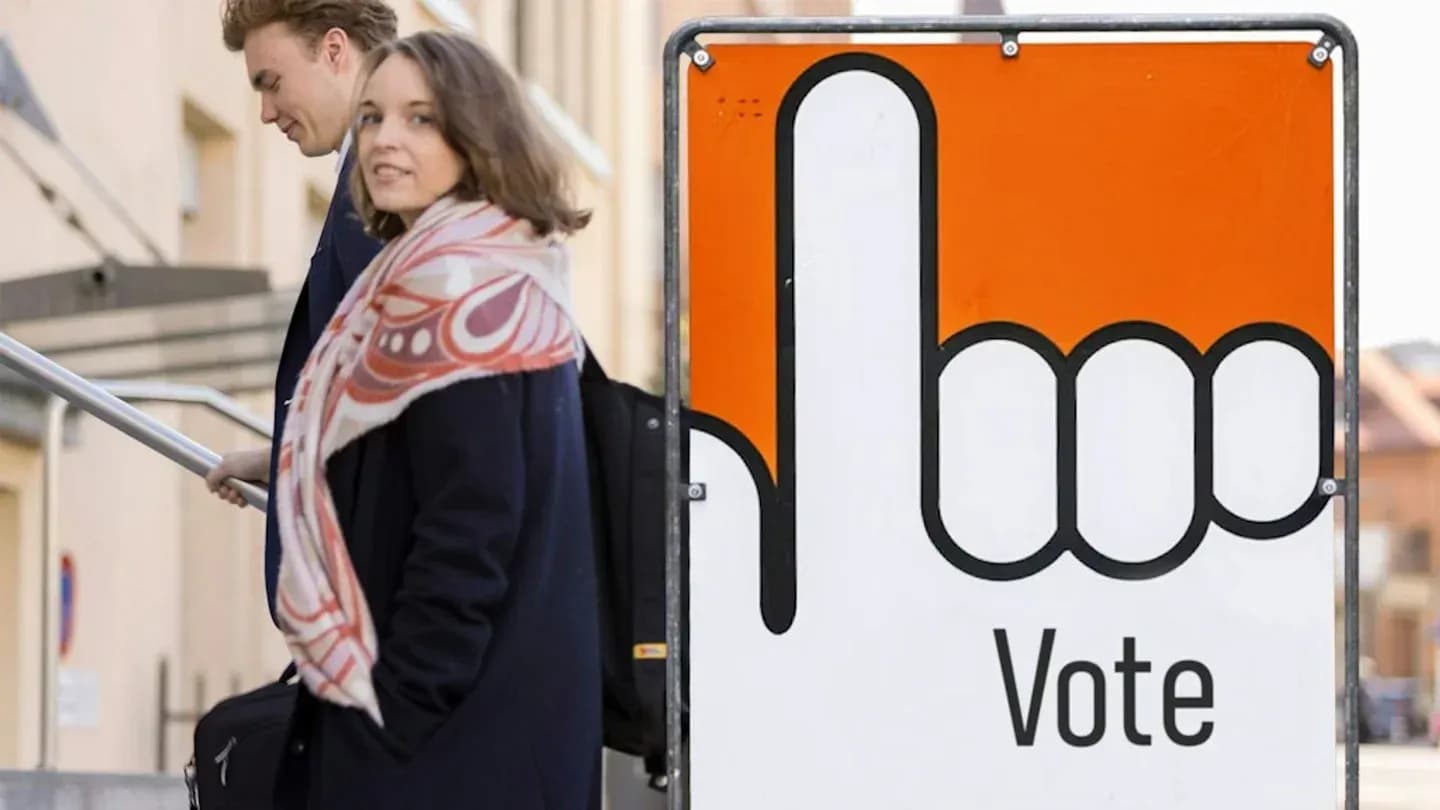
Swiss voters will decide on looser arms export rules on 29 November. Ukraine will still face a direct export ban and restrictions on immediate re-exports through partners.

We document war, corruption, human rights, democratic resilience and the way ordinary people live through wartime — with evidence, context and humanity.
Swiss voters will decide on looser arms export rules on 29 November. Ukraine will still face a direct export ban and restrictions on immediate re-exports through partners.
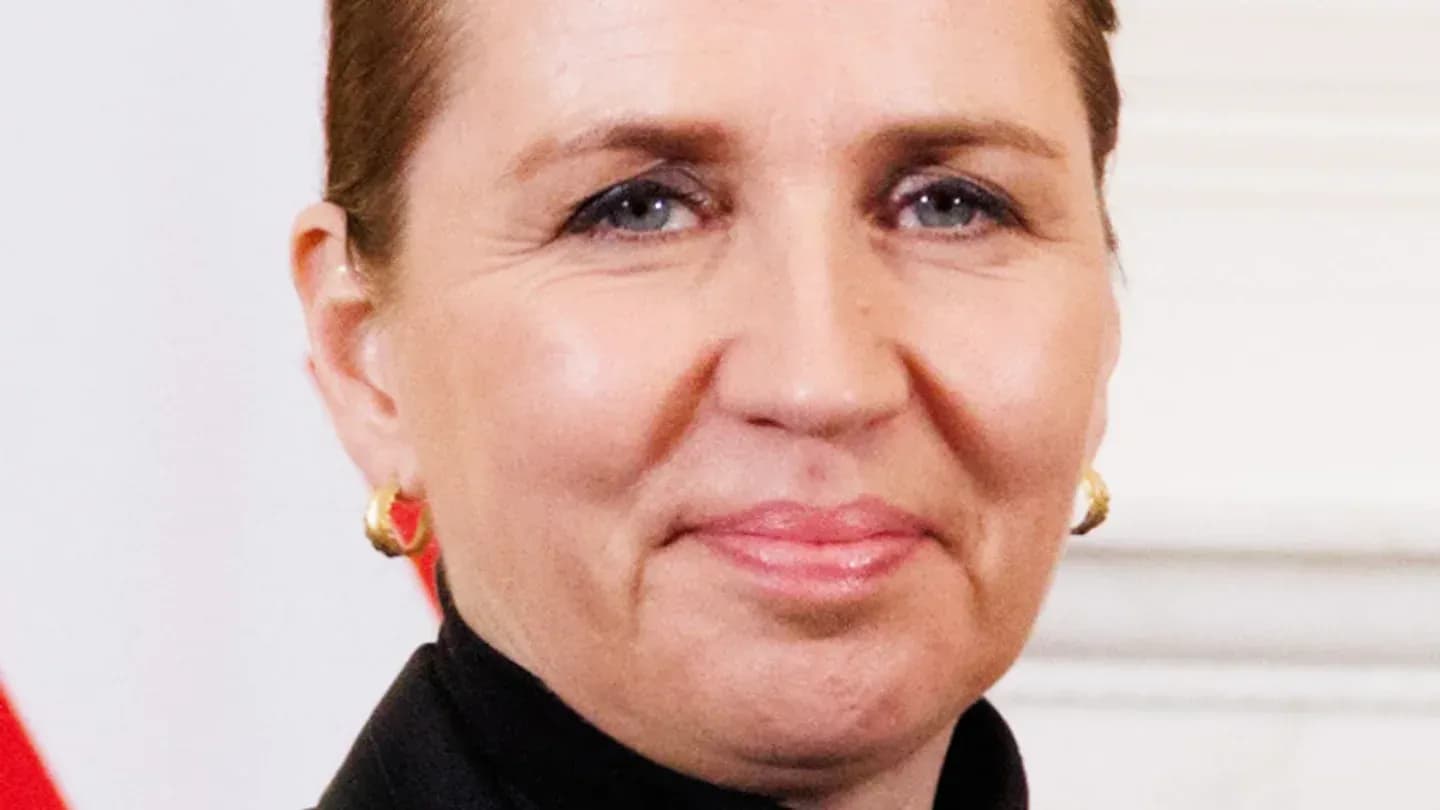
PET assesses that Russian intelligence organised a foiled assassination near Copenhagen. Denmark is expelling Russia’s defence attaché and pledging stronger policing, while its prime minister seeks visa restrictions.
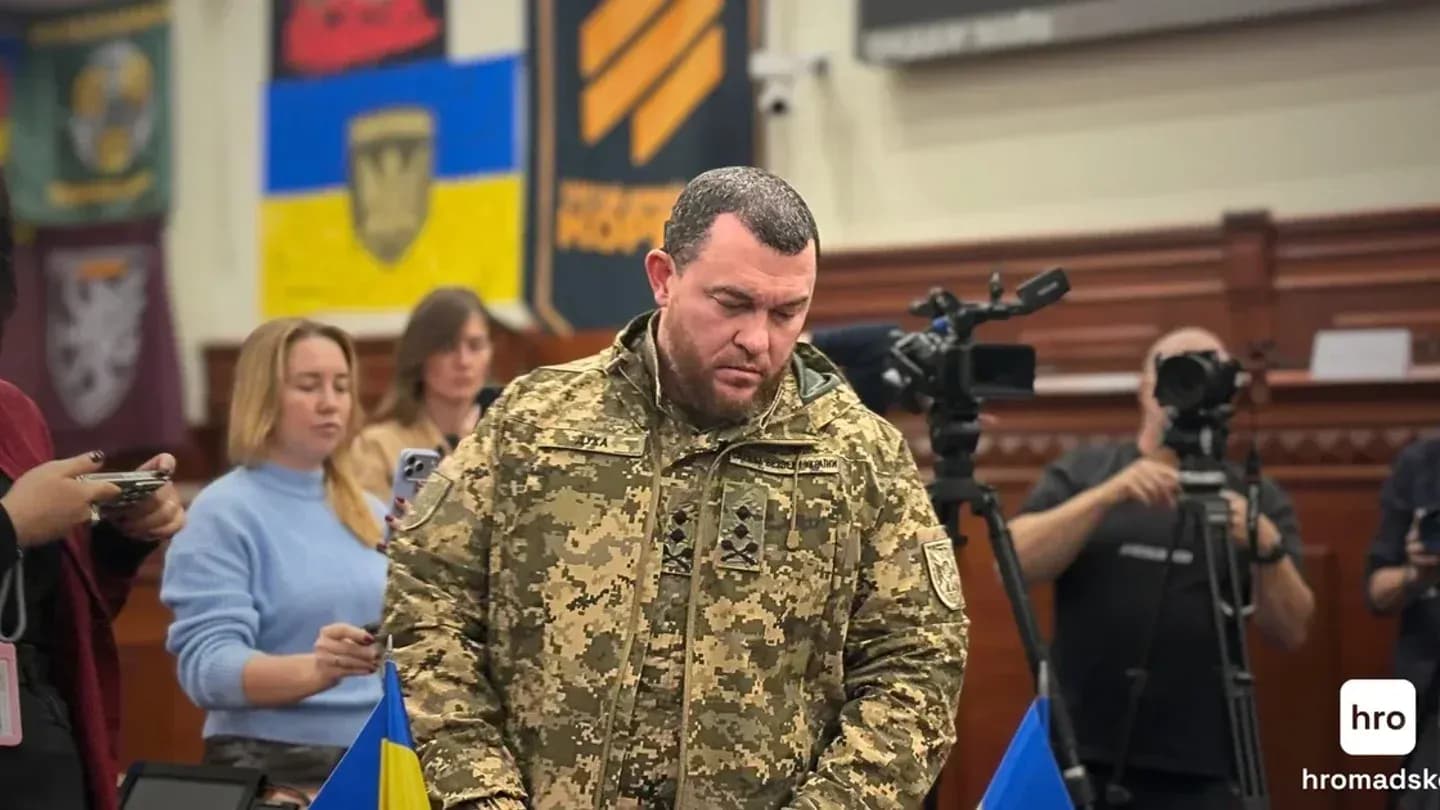
The document that led the High Anti-Corruption Court to close General Serhii Duka's hearing to journalists turned out to be a reply to a request from the suspect's own lawyer. NABU and SAP showed the letter and named its addressee on the day their chiefs declined to attend the parliamentary commission.
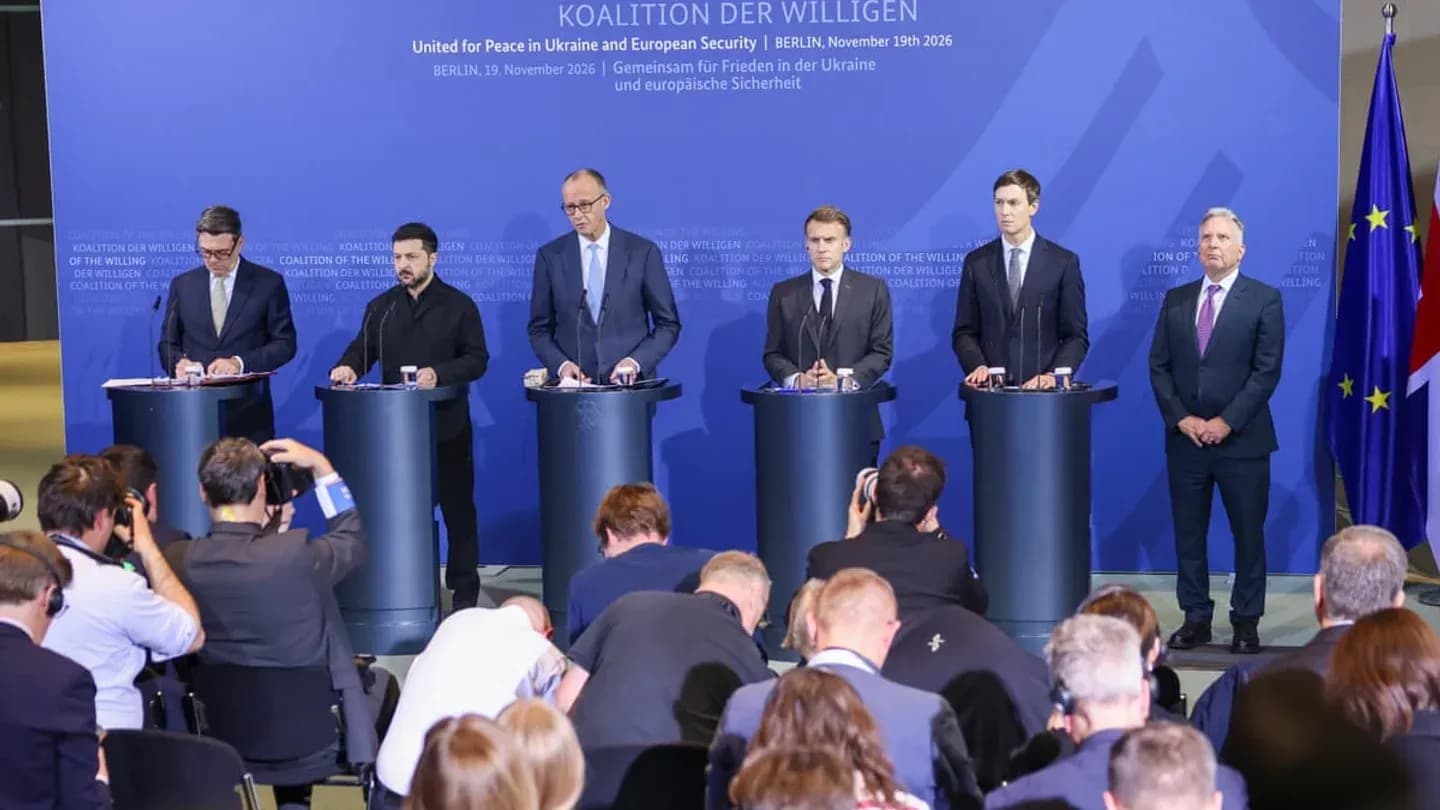
Five European officials confirmed the substance of Trump's call into the Berlin summit: ending the war would save lives and money. Some witnesses heard a sharply critical tone toward support for Ukraine; the White House denies it, Kushner says Putin is "comfortable" with Article 5-style guarantees, and Russia launched about 500 missiles and drones at Ukraine that same night.
On the day Ukraine marks Children's Protection Day, UNICEF published the worst child-casualty figures in three years: 1,144 killed or injured in ten months of 2026. The state reports billions spent on shelters, yet 47% of Kyiv schools cannot hide all pupils during an alert — and of 36 missiles fired one November night, only four were shot down.
For the third time since September, the Cabinet is finding money for military pay inside the already adopted 2026 budget: 81.4 bn UAH moved from underused state debt-service spending. The pay rise promised from 1 January still has no amount and no mechanism.
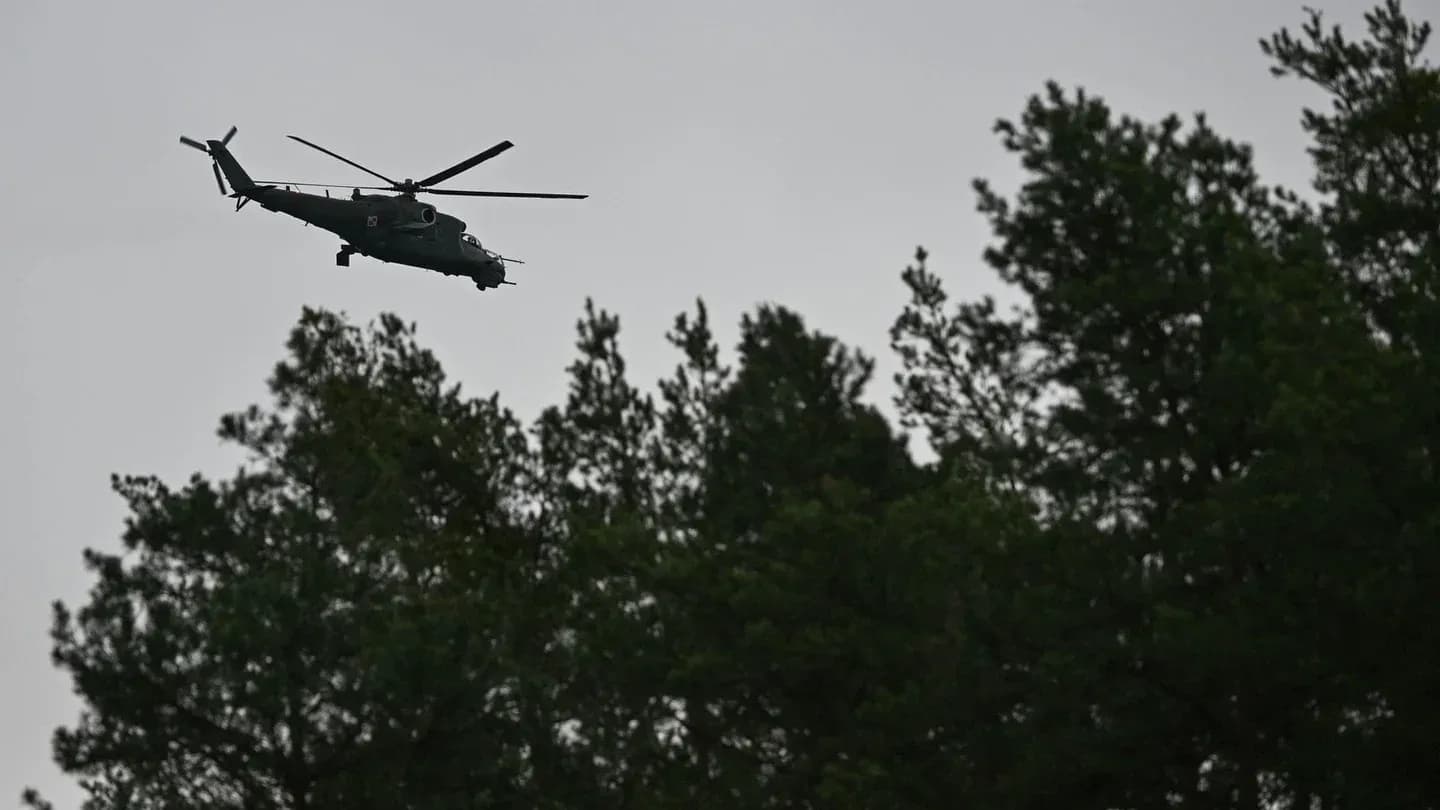
During the overnight mass attack on Ukraine, two Russian missiles and, most likely, a jet drone fell on Polish territory tens of kilometres from the border. None of the objects was shot down; Donald Tusk said they came "from Russia", and the NATO Secretary General arrives in Warsaw on 21 November.
On 20 November Coreper endorsed the screening results for clusters 4 and 5 for Ukraine and Moldova without debate. Hungary, which had held up the decision since 20 October, tabled no demands. All six clusters are now expected to open in December, but every next step requires unanimity among the 27, and the real brake is Kyiv's unmet rule-of-law interim benchmarks, which Moldova has already cleared.
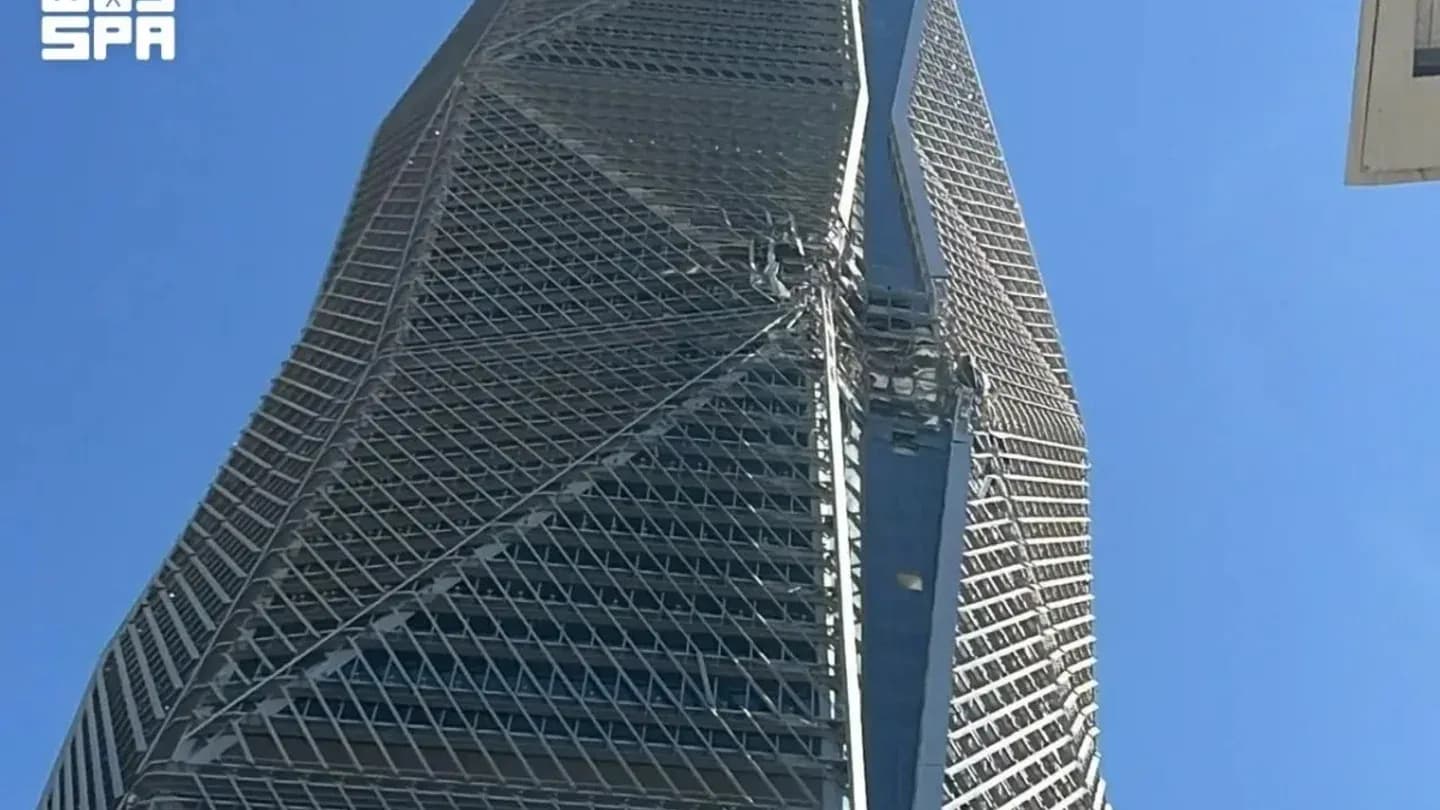
A Houthi missile damaged the headquarters of Saudi Arabia's sovereign wealth fund in the King Abdullah Financial District in Riyadh. The kingdom promises "all necessary measures" but holds back from escalation — while the war in Yemen is already moving oil prices that feed Russia's war against Ukraine.
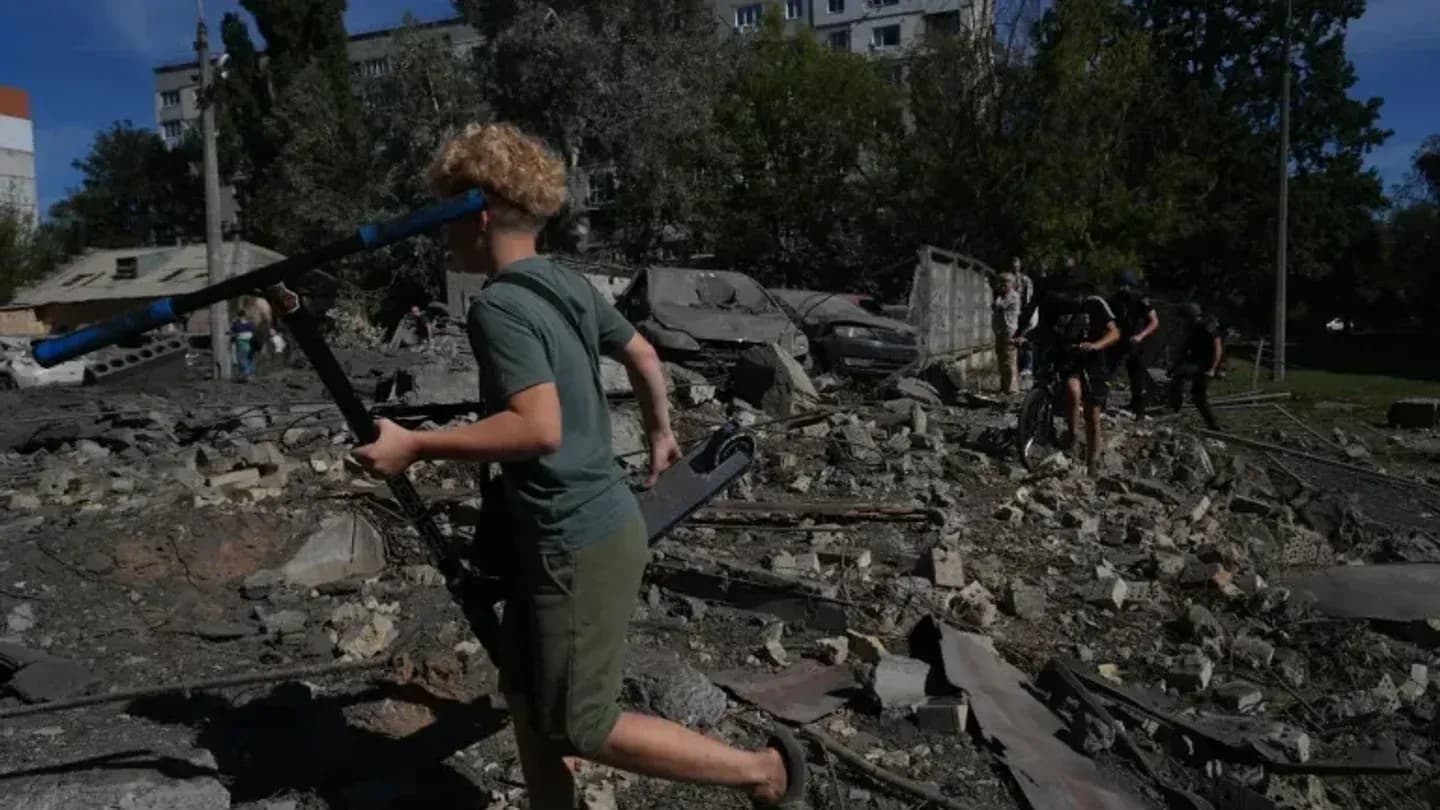
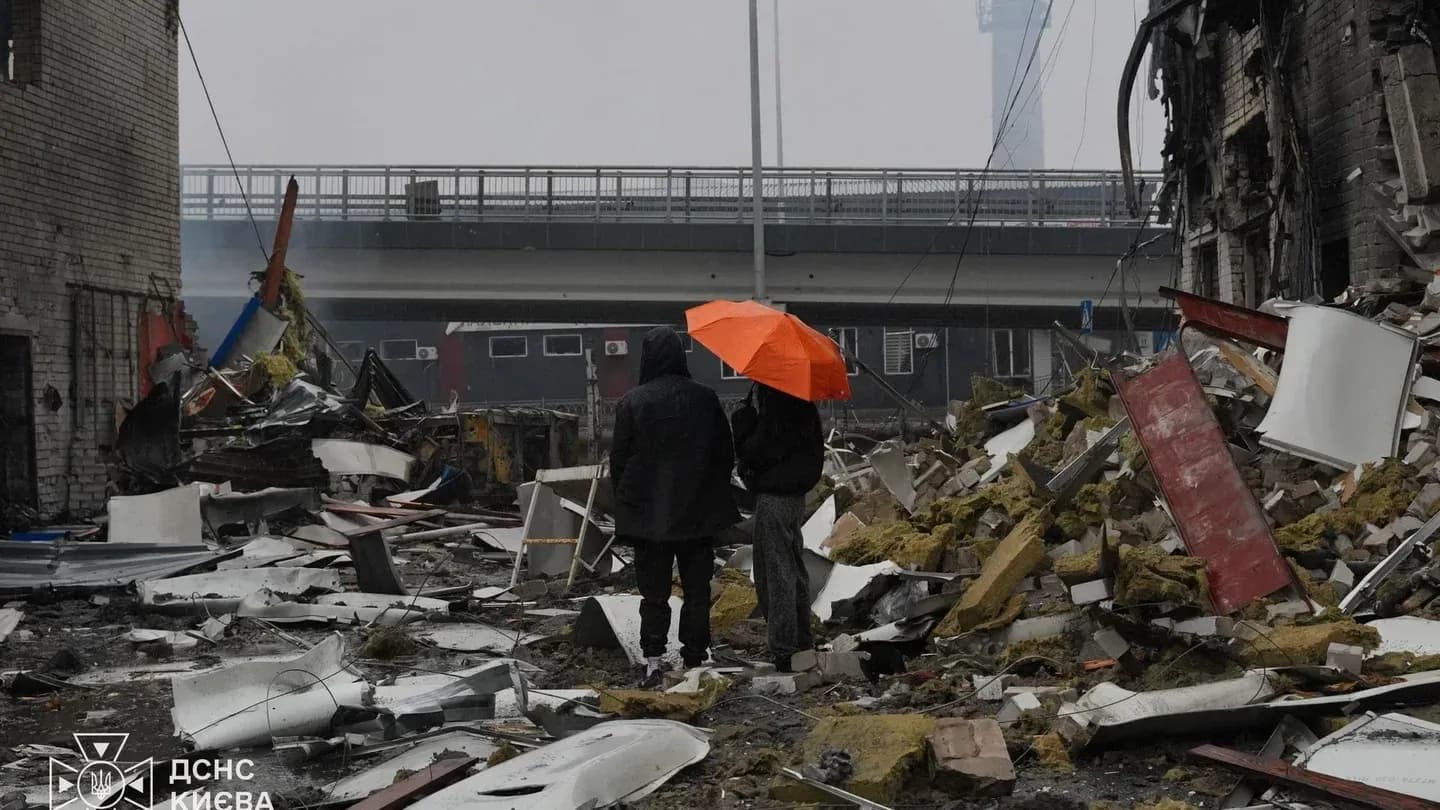
On the night of Nov 20 Russia struck Kyiv with ballistic missiles and the western grid with cruise missiles. Eight dead, three damaged bridges, emergency blackouts in seven regions — and hard questions for a government that was still finishing protective works on energy sites on the eve of the attack.
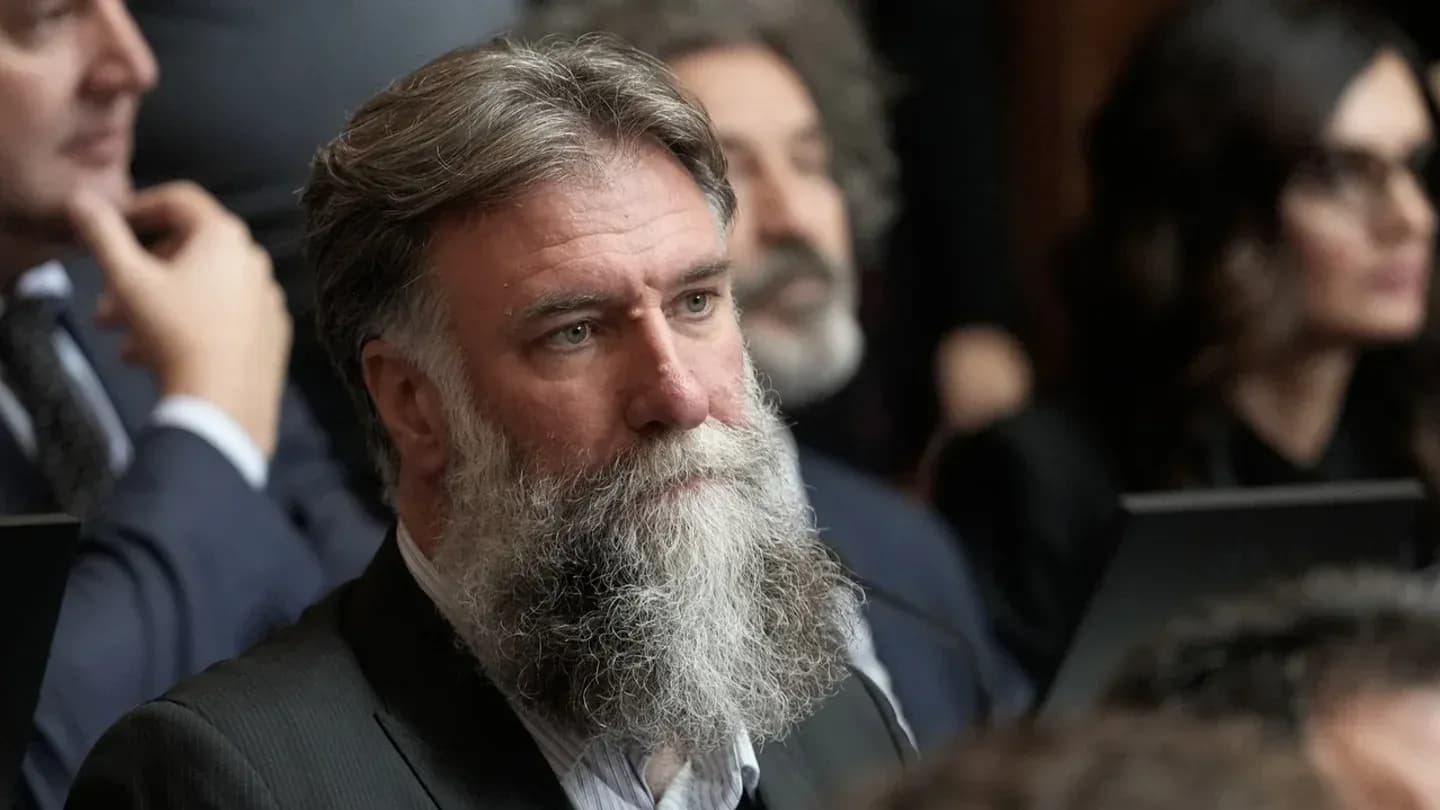
Serbia's National Assembly elected Aleksandar Čupić of the Student List as its speaker after a three-day debate. With the speakership he also takes over the duties of acting president, while a government must be formed within 90 days and the movement has still not named a prime ministerial candidate.
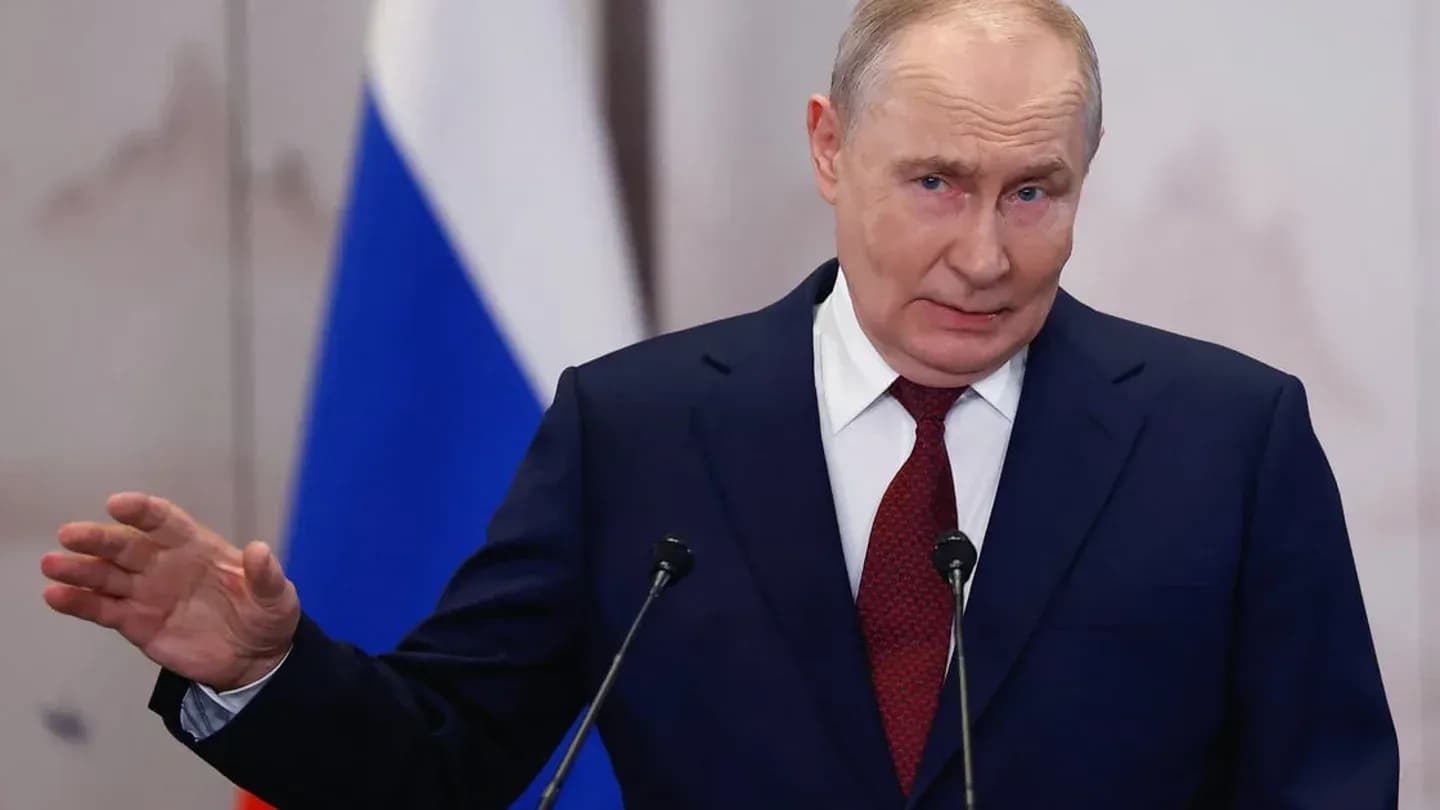
The Shenzhen news conference closed the latest attempt at local truces: after the third strike of the week on the crossing, the Kremlin rejected both ceasefire talks and the moratorium on strikes against energy and the Black Sea. The same day in Berlin, partners called on Russia to accept an energy truce for the whole winter.
On this page: 12
Show more news