Swiss referendum will not open direct arms supplies to Ukraine
Swiss voters will decide on looser arms export rules on 29 November. Ukraine will still face a direct export ban and restrictions on immediate re-exports through partners.
Switzerland will hold a referendum on easing war material export rules on 29 November 2026. But even approval of the changes will not permit direct arms supplies to Ukraine. Commitments made by buyers concerning previously delivered Swiss weapons will also remain in force.
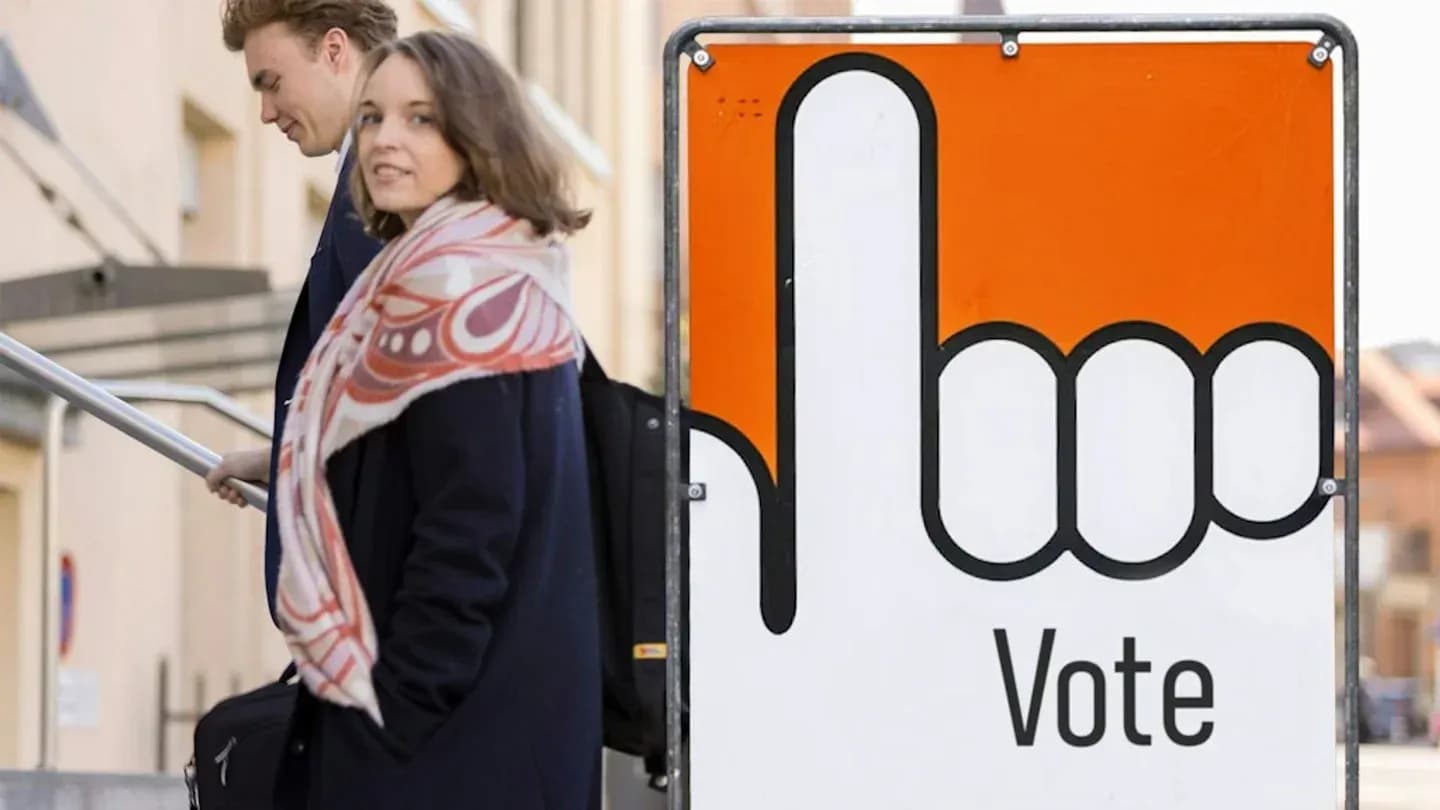
For Kyiv, the key distinction is between potentially easier future transfers through other states and access to weapons now. The amendments do not create a lawful route for purchases in Switzerland with a predetermined immediate onward transfer to Ukraine.
What voters will decide
Parliament adopted the amendments to the War Material Act on 19 December 2025. After a referendum was called, voters have the final say. The Federal Council and Parliament recommend approval; as of 21 November, the vote has yet to take place.

The changes would allow supplies to partner states involved in an armed conflict where compatible with Swiss neutrality and foreign or security policy interests. The government would also gain the power to depart from licensing criteria in exceptional circumstances to safeguard the country's interests. Bern's consent to the onward transfer of purchased weapons would no longer be required automatically in every case.
Every export would still require a licence. The State Secretariat for Economic Affairs, SECO, would retain the ability to require a non-re-export declaration on foreign policy, neutrality or security grounds. Commitments covering earlier deliveries would remain valid: the new rules would not release weapons already purchased from previous restrictions.
Why the route to Ukraine remains closed
The law of neutrality will continue to apply regardless of the referendum result. Swiss authorities apply the principle of equal treatment to private exports: with an embargo on military equipment for Russia in place, they do not permit supplies to Ukraine where these would confer a military advantage. For the same reason, Bern cannot consent to another state transferring such weapons to Ukraine. The government's exceptional powers would not remove this limit.
Checks on the risk of circumventing the ban would also remain. If a European country applies for an export licence and SECO identifies a high risk of the weapons being sent immediately to Ukraine, the buyer would have to provide a non-re-export declaration. If the risk remained too high even with that declaration, the application would have to be refused.
A different scenario is possible if a state credibly demonstrates that the purchase is for its own needs and receives the weapons without such a declaration. If it decides several years later to transfer them to Ukraine, re-export could in practice become possible. This is a conditional prospect for future deliveries, not a fixed waiting period or a guarantee of transfer.
Swiss interests are not a promise of aid to Kyiv
The Federal Council bases the reform primarily on Switzerland's own security: preserving a competitive defence industry and a place in international production chains to secure access to supplies during a crisis. Opponents on the referendum committee warn that weaker controls risk allowing weapons to reach repressive regimes and terrorist organisations.
Even a yes vote on 29 November would therefore give the Ukrainian authorities no grounds to count on immediate Swiss deliveries. For aid planning, specific licences, the terms of the original sale and checks on the end recipient would remain decisive, rather than the political decision to ease export rules itself.
Primary sources
Documents and statements this story is based on.