G7 in Paris: Ukraine aid and the shadow fleet
The November 9–10 meeting will discuss support for Ukraine and curbs on Russia’s shadow fleet. A separate conference has already tallied pledges for repairs to Chornobyl’s protective arch.
G7 foreign ministers are gathering in Paris on November 9–10, 2026, to coordinate further support for Ukraine and pressure on Russia, among other issues. The French presidency has put defence capabilities, financing and energy on the agenda; Germany has specifically identified curbs on Russia’s shadow fleet. These announcements contain no new overall aid amounts or specific package of maritime sanctions.
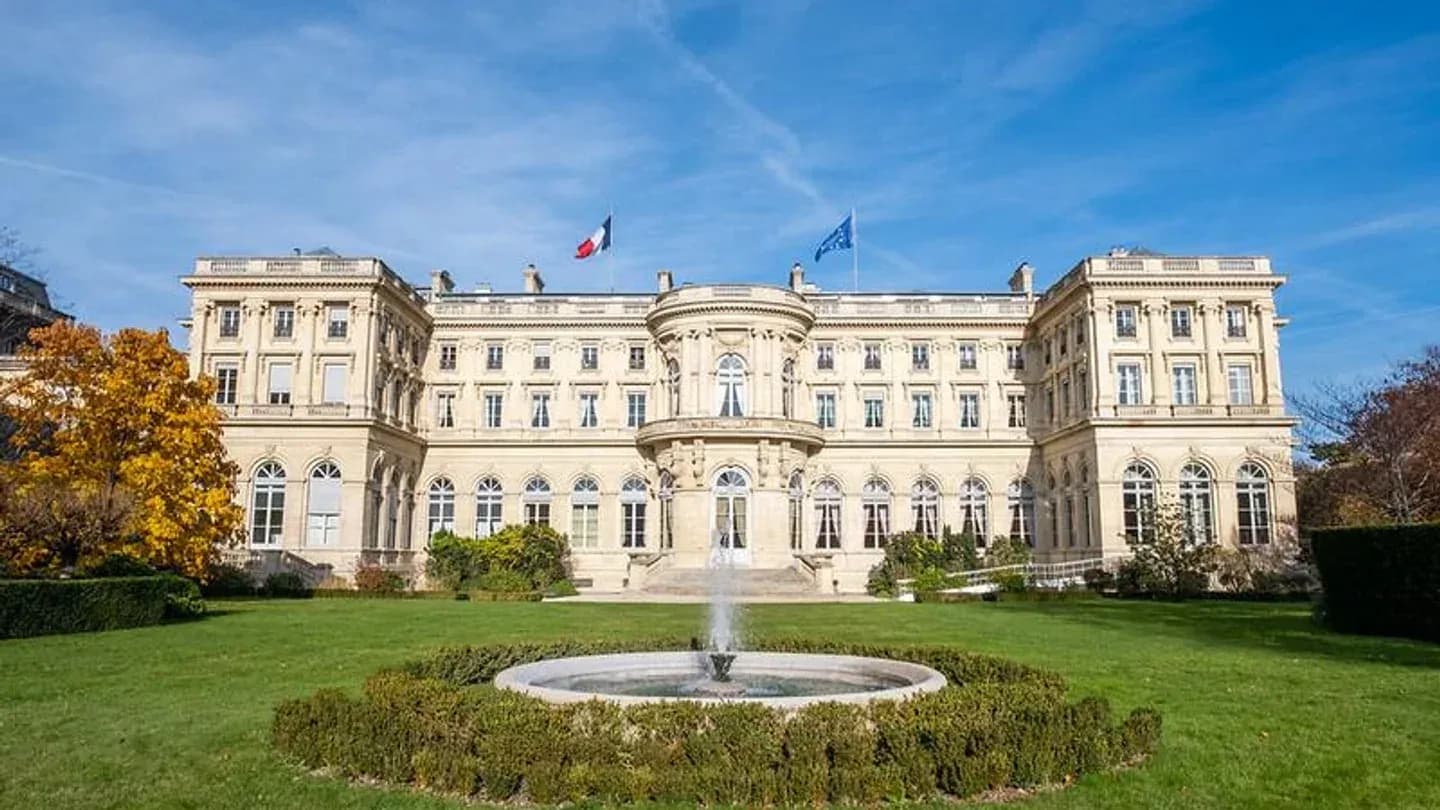
Paris has, however, already produced a measurable result at a separate donor conference on Chornobyl. It concerns financial commitments to restore the protective arch, rather than completed fundraising or a final decision by G7 ministers.
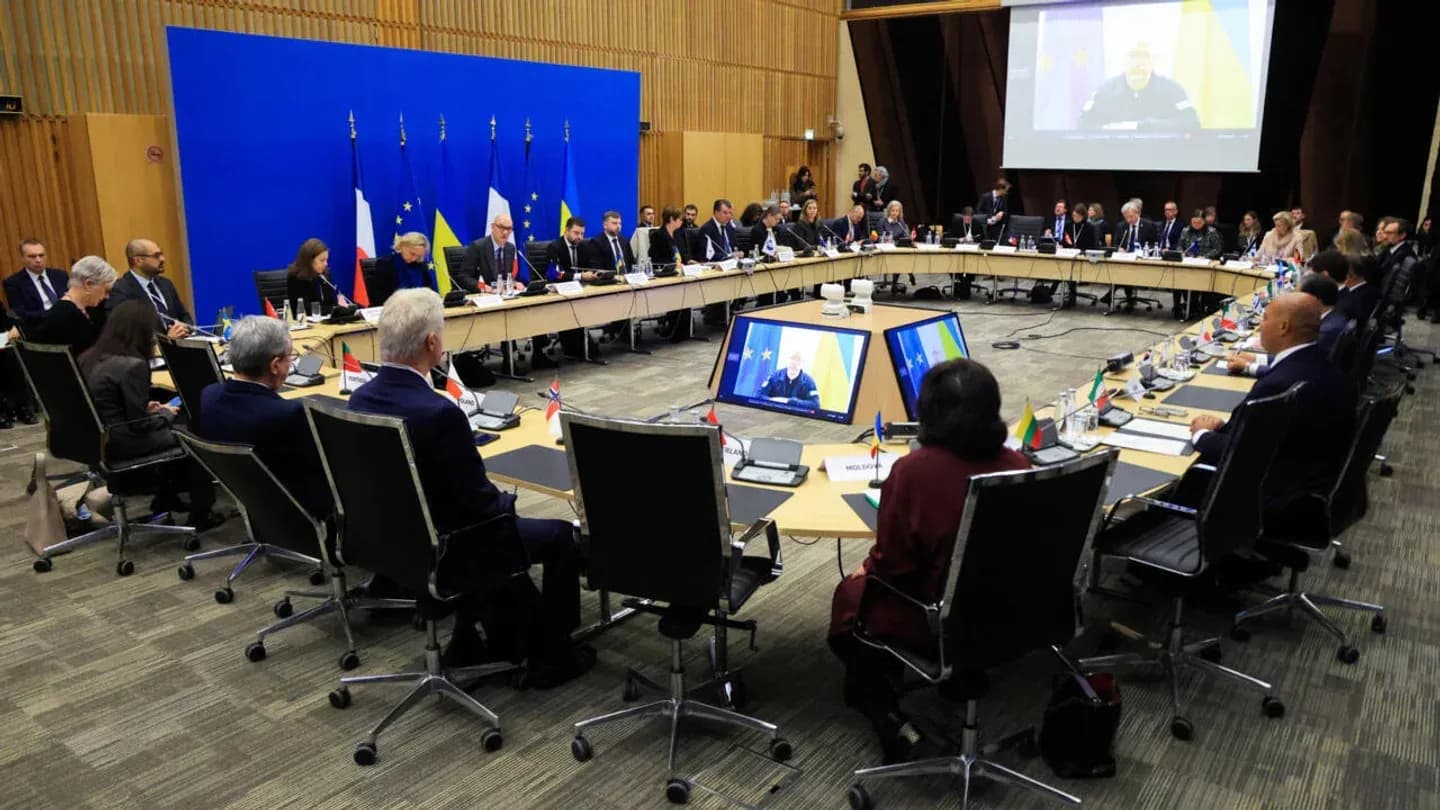
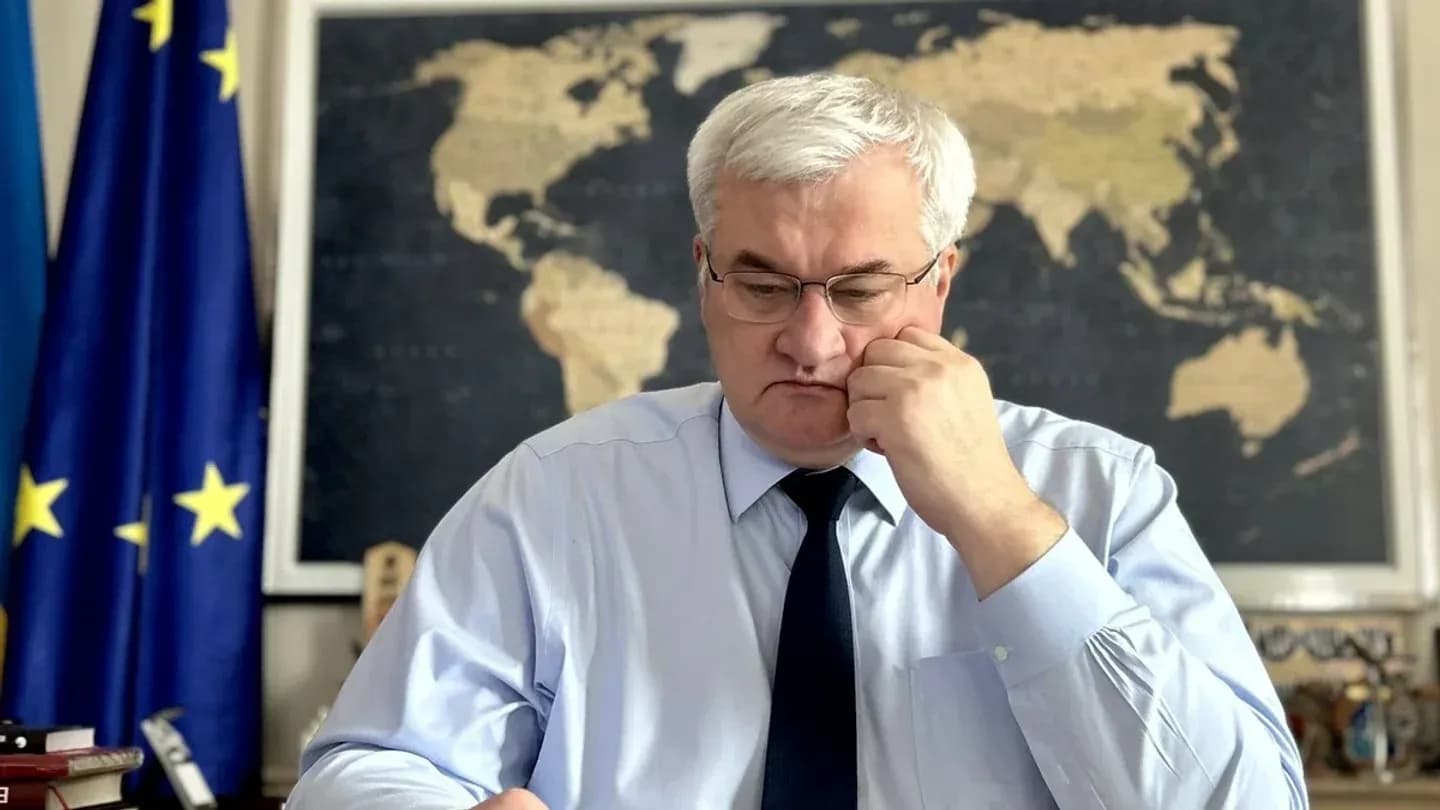
Ukrainian Foreign Minister Andrii Sybiha has been invited to the discussion on support for Ukraine. Ukraine’s Foreign Ministry announced plans to present defence and resilience needs ahead of winter, including air defence, and to coordinate positions on peace efforts. For the Ukrainian government, the practical outcome of these talks should be measured not by the number of meetings but by agreed deliveries, financing and implementation deadlines: these distinguish diplomatic support from assistance that can actually be used.
Berlin links its sanctions agenda to pressure on Moscow to take serious steps towards a just peace. The shadow fleet is a network of ships Russia uses to circumvent international sanctions and maintain oil exports. So far, the German side has identified curbing it as a subject for talks, without announcing a new list of vessels, prohibitions or an enforcement mechanism. It is therefore too early to assess the effect of new restrictions on Russian revenues.
Before departing on November 9, German Foreign Minister Johann Wadephul said Europe must be part of the search for a solution to Russia’s war against Ukraine. He intends to present European positions alongside France and the United Kingdom. Wadephul advocated restoring the existing security architecture, based on respect for borders and the sovereign equality of states, rather than replacing it along the lines proposed by Russia.
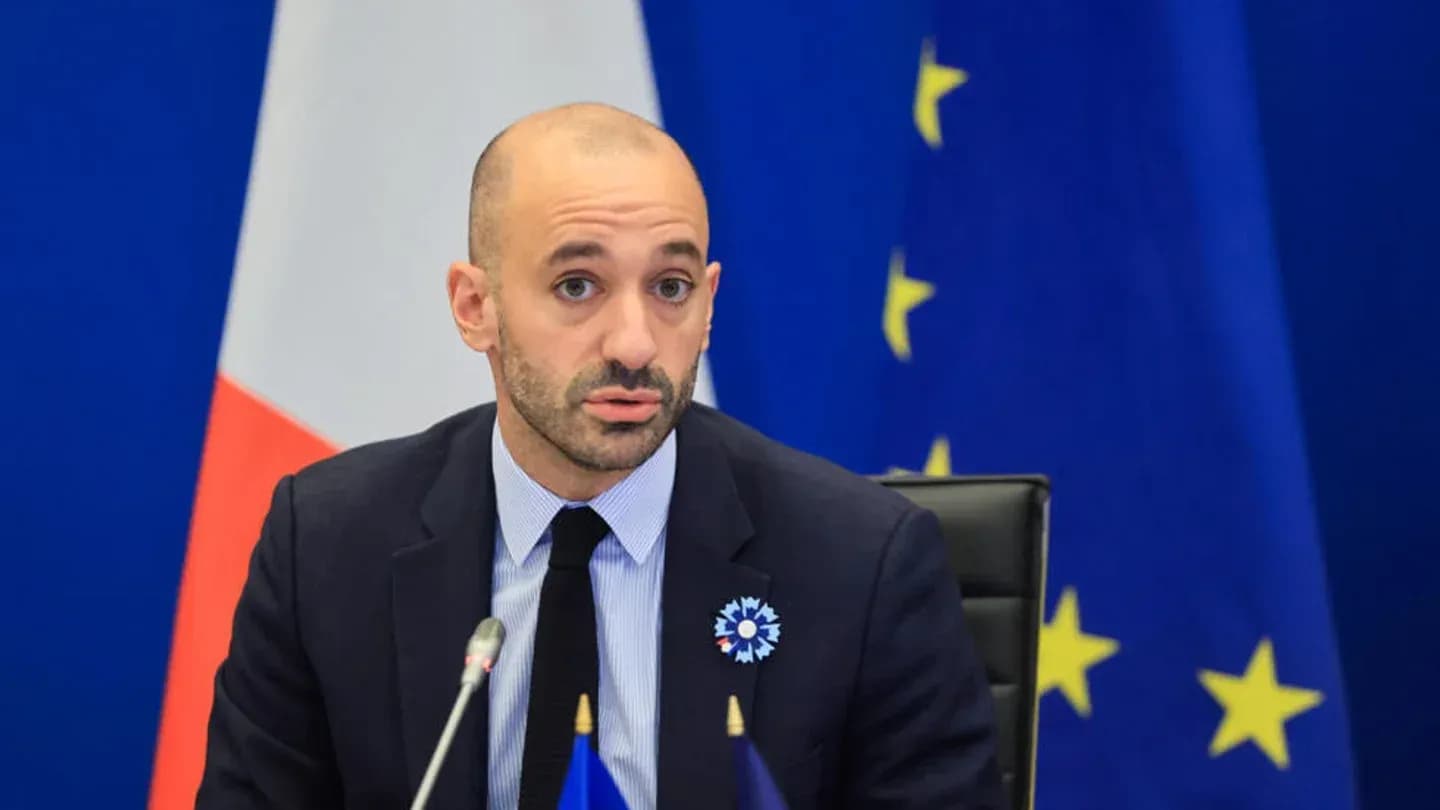
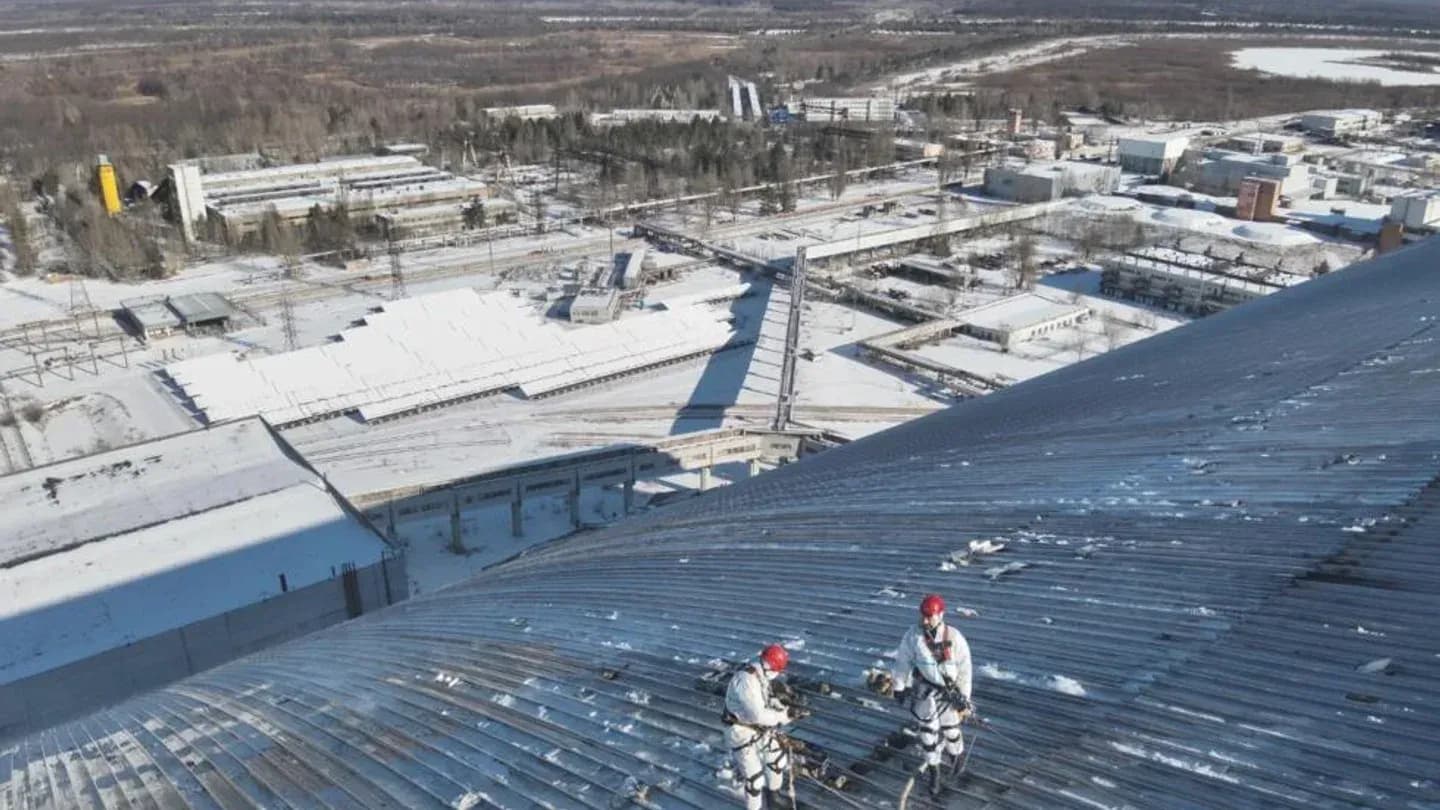
Specific figures emerged on November 9 at the conference France organised with the Ukrainian authorities and the European Bank for Reconstruction and Development. Benjamin Haddad announced €278 million in confirmed commitments from 15 donors. Repairs to Chornobyl’s arch are estimated at around €500 million. The structure stands over the destroyed fourth reactor and was damaged by a Russian drone in February 2025.
The announced €278 million is the cumulative total of confirmed pledges, not just new contributions from this conference: commitments previously stood at €260 million. Against the €500 million target, the shortfall is approximately €222 million. Haddad said further contributions could be added during the day. French Economy Minister Roland Lescure called for the necessary amount to be raised by spring 2027.
Restoring the arch is a matter of nuclear safety and sharing the cost of addressing the consequences of Russia’s strike. International financing is intended to reduce Ukraine’s burden, but announced commitments must still translate into money and repairs. The next concrete task for the French and Ukrainian governments and the EBRD is to close the funding gap by the stated spring deadline.
Primary sources
Documents and statements this story is based on.