Nine drone strikes on El Obeid: Amnesty demands a war crimes probe and a Sudan-wide arms embargo
Amnesty International has documented nine RSF drone strikes on El Obeid between June and August 2026: 37 civilians killed, a blacked-out city, and a supply chain running through the UAE and Britain.
Amnesty International has documented nine drone strikes by the Rapid Support Forces (RSF) on El Obeid and its surroundings between June and August 2026: 37 civilians killed and ten more injured. In none of the incidents did the organisation's investigators identify military objectives in the vicinity of the sites at the time they were struck — and it is calling for the attacks to be investigated as war crimes.

The report was published on 18 November — a year after the RSF took El Fasher in October 2025, a seizure accompanied by mass killings, sexual violence and torture. In June 2026 drone strikes on El Obeid escalated sharply: the paramilitaries were reportedly preparing a ground offensive on the city of half a million, which had taken in some 100,000 displaced people. Residents fear a repeat of the El Fasher scenario.
A funeral procession, a family home, a bank
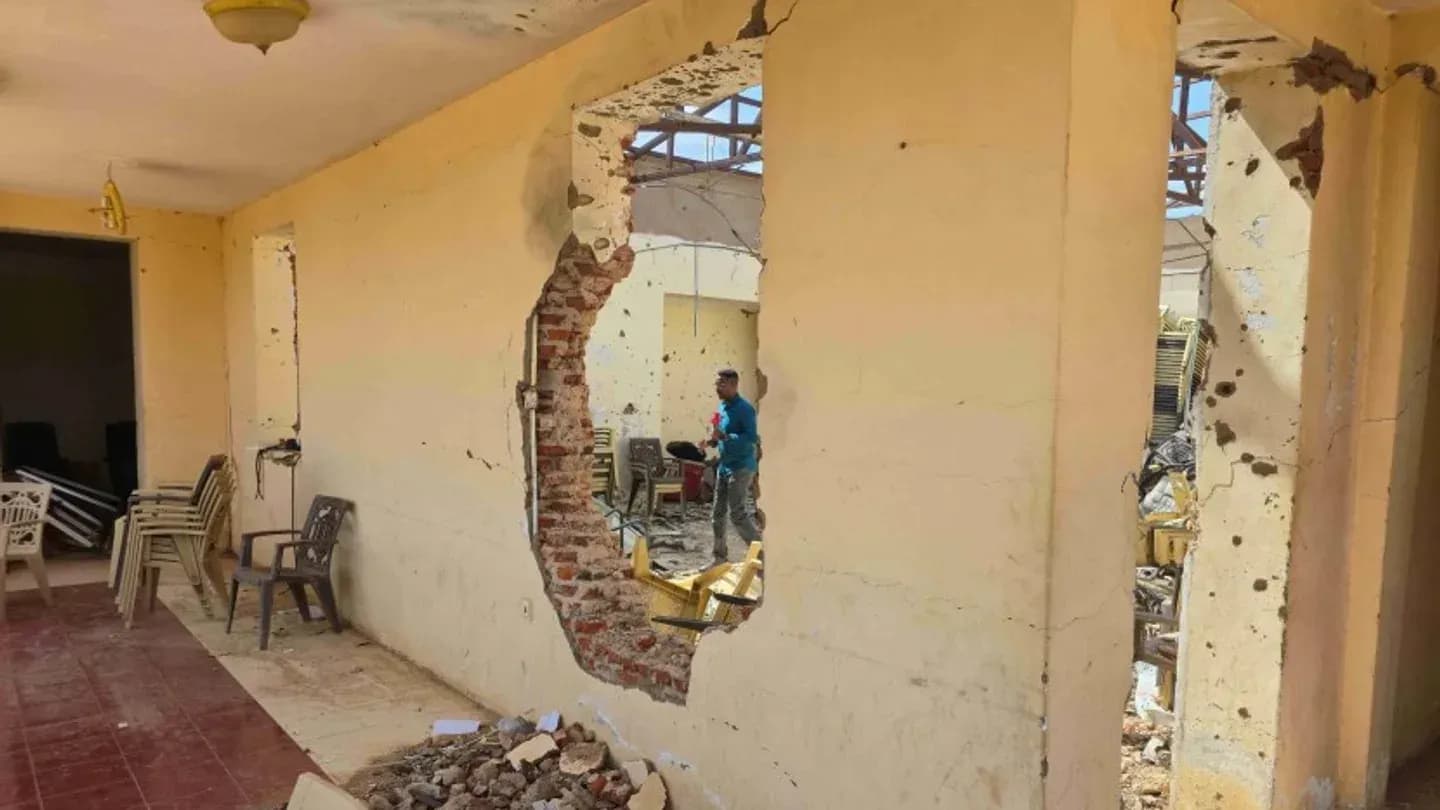
Of the nine documented strikes, three hit residential neighbourhoods, four struck key civilian infrastructure — the main power plant, fuel stations and the main market — and two targeted moving vehicles. On 10 June a drone struck civilians carrying a body for burial at Dalil cemetery in the north-west of the city: at least five people killed and three injured. Among the dead were the father and brother of 25-year-old Al Nur Ahmed Issa, who had himself been killed in a separate strike that same morning.

"I was with others in the vehicle. I saw a drone circling above us just after we entered the Dalil Cemetery. And within seconds, we were struck by something that came from the drone… We came to bury our neighbour, but more of my friends and neighbours ended up dead and injured," a 19-year-old muadhin, one of those wounded at the cemetery, told investigators.
The following night, on 11 June, drones struck several neighbourhoods, including Al-Matar and Al-Muwazzafin. In Al-Matar a strike hit a residential home: at least nine civilians were killed.
"We heard two large explosions at around 2:20am. My husband and I came out and saw one of our rooms burning. We took out our four children… Then the drone dropped another bomb that killed my husband, my uncle and seven neighbours. I don't know why we were targeted," recalled the owner of the house, a 41-year-old doctor.
On 12 August a strike hit the Agricultural Bank near the city's main market, killing 52-year-old Zeinab Babu, who was standing at the entrance, and Ahmed Salah Awad; five people were injured. Amnesty interviewed 29 residents of El Obeid — victims, relatives of the dead, eyewitnesses — between July and September, verified five photos and videos, and cross-checked satellite imagery against data from humanitarian missions and the UN.
A city without power, water or fuel
The 18 June strike on El Obeid's main electricity station sparked a fire and cut power across the city. Satellite imagery from 20 June shows a newly visible burn area on the north-western edge of the facility, and NASA's Nighttime Lights data records a sharp drop in radiance over the city as early as 19 June. The strike killed no one, but for a city already in a chronic water and food crisis the consequences were immediate: the UN Fact-Finding Mission documented disrupted water services and residents forced to reduce water consumption.
In June and July drones repeatedly hit fuel stations. Médecins Sans Frontières, whose team worked in El Obeid, assessed in July that almost no functional fuel stations remained in the city, with a litre of gasoline at nearly 15 dollars and even more on the black market. People queue for hours for water, and hospitals running on rationed backup power risk losing lifesaving services.
A new phase of war — and those who feed it
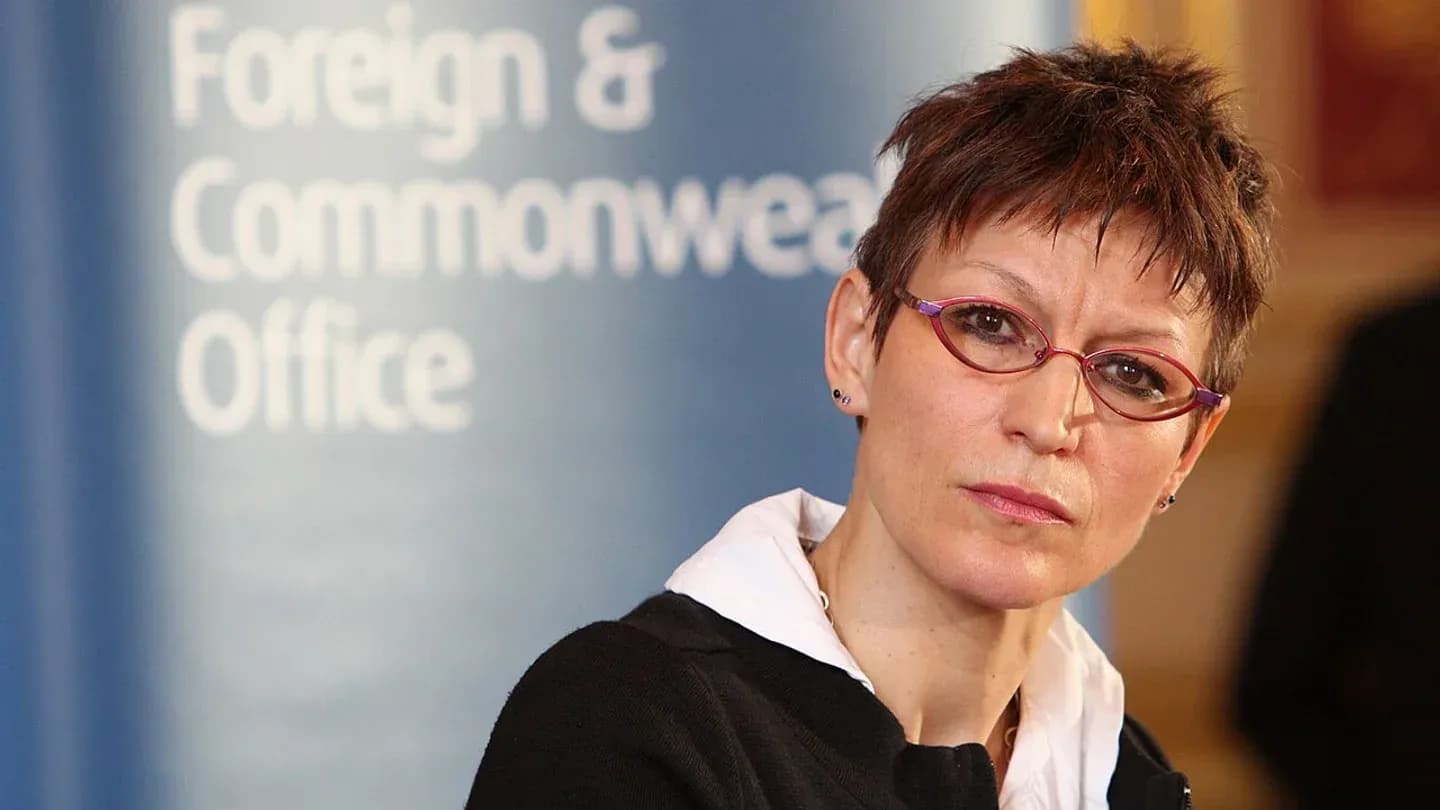
"The RSF drone attacks we've documented must be investigated as war crimes. They indicate how the Sudan conflict is moving into a new phase where all parties are increasingly using drones and other advanced weapons not only to kill and injure civilians, but also to disrupt essential and lifesaving services," said Amnesty International's Secretary General Agnès Callamard. She called on the UN and the African Union to urgently agree concrete civilian protection measures, "including deployment of a protection force to Sudan".
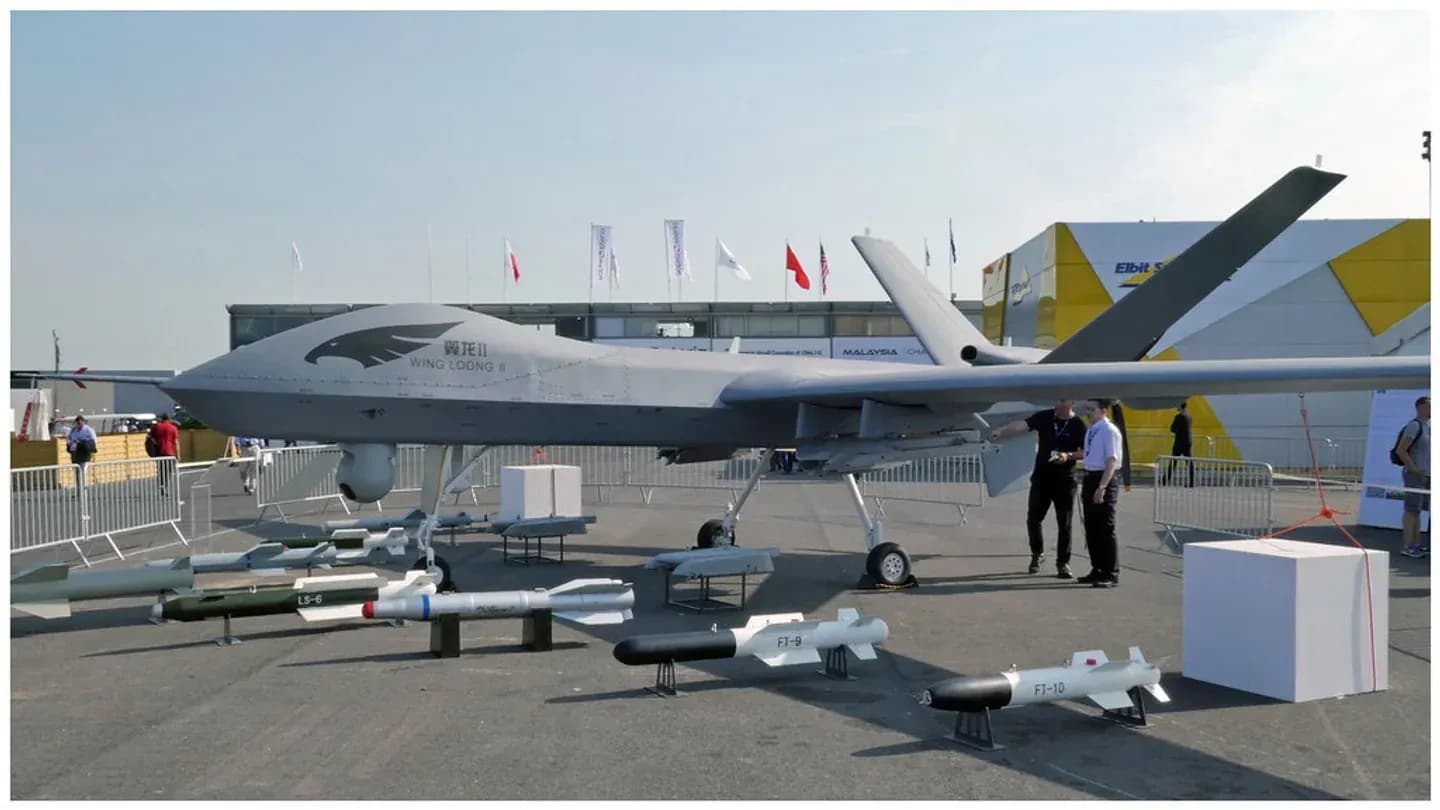
Amnesty also names those without whom this drone war would be impossible. The organisation has previously documented that the United Arab Emirates supplied the RSF with weapons, ammunition, armoured personnel carriers and drones, including Chinese-made Wing Loong II and FeiHong-95; Abu Dhabi rejects the accusations. "This is a war on civilians which is being sustained by third parties including the UAE, the primary backer of the RSF," Callamard stressed.
The supply chain reaches into Europe. According to official UK arms trade data, the British government has licensed some 680 million pounds worth of arms exports to the UAE since July 2024 — excluding open licences, so the true figure is likely higher. Among the licensed items are parts and components for military aircraft, drones and combat vehicles, small arms ammunition, assault rifles and machine guns, and tear gas. Amnesty is calling on London to suspend all arms transfers to the UAE while there is a credible risk of diversion to Sudan.
The UN Security Council has still not closed this gap. The arms embargo under resolution 1591, in force for more than two decades, covers Darfur only. In late August the United States put a draft to the Council: extend the ban to the whole country and bring drones under the control regime. Russia and China objected; in September the Council settled for a one-month extension of the Darfur regime, in October Washington took the initiative off the agenda, and the embargo now runs to 11 December — still Darfur-only, with the Panel of Experts' mandate prolonged to mid-January.
Denial and a promised committee
On 8 October Amnesty sent the RSF leadership a letter setting out the investigation's findings. In its reply of 24 October the RSF denied responsibility for civilian casualties in El Obeid and shifted the blame to the Sudanese Armed Forces without providing any evidence. At the same time the group said it was considering establishing a "Specialized Investigative Committee" to examine incidents involving civilian casualties and destruction of civilian property.
El Obeid is part of a wider picture. The UN human rights office has confirmed at least 2,230 civilian deaths in Sudan between January and October 2026, more than 1,630 of them from drone strikes; in the first half of the year drones accounted for 1,120 of the 1,390 recorded deaths, 80 per cent. Between 20 October and 4 November alone, at least 29 RSF drone strikes hit electricity facilities and fuel stations across eleven states. UN High Commissioner for Human Rights Volker Türk said such conduct may amount to war crimes. Amnesty notes that it is separately investigating Sudanese Armed Forces drone strikes that have also caused civilian casualties.
The next decision point is 11 December, when the extended Darfur-only embargo regime expires. El Obeid reaches that date under a partial siege that has lasted almost two years, without reliable power or fuel. The ground assault reportedly being prepared in June has not begun: the army itself is advancing in Kordofan, retaking villages and towns from the paramilitaries. And the RSF's only answer to the evidence of 37 civilian deaths remains a promise to consider setting up its own committee.
Primary sources
Documents and statements this story is based on.