
Strike on the PIF Tower: why the costliest air defence failed Riyadh's financial heart
A Houthi missile damaged the headquarters of Saudi Arabia's sovereign wealth fund in the King Abdullah Financial District in Riyadh. The kingdom promises "all necessary measures" but holds back from escalation — while the war in Yemen is already moving oil prices that feed Russia's war against Ukraine.
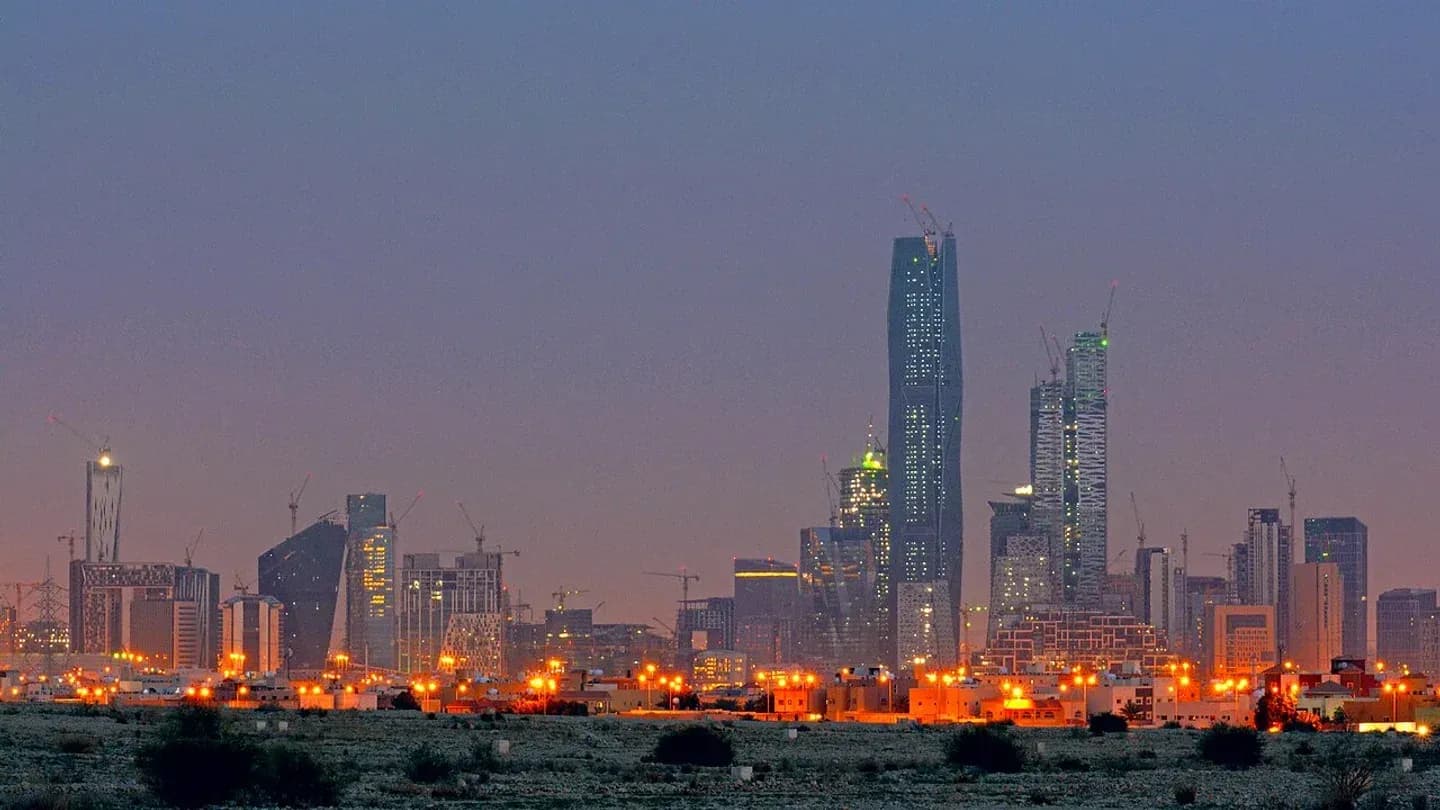
Early on 19 November, residents of Riyadh were woken by a boom: a Houthi missile struck the PIF Tower — the tallest skyscraper in the Saudi capital and the headquarters of the Public Investment Fund (PIF), the sovereign fund through which the kingdom is building its post-oil future. The blast blew out windows across seven to eight floors and bent sections of the metal facade. The King Abdullah Financial District was closed to visitors.
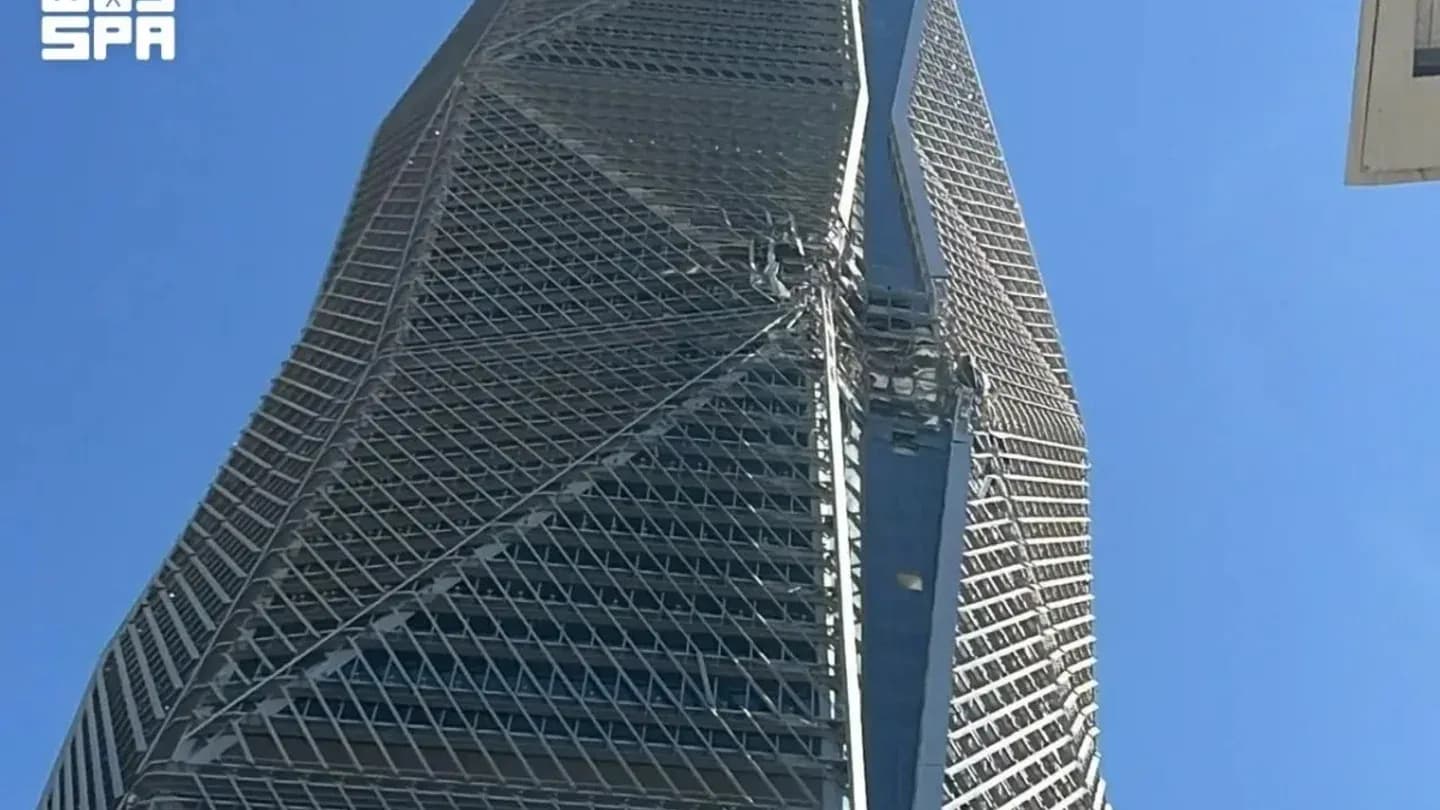
Saudi Civil Defence confirmed the attack on a tower in the King Abdullah Financial District (KAFD): material damage to several floors and neighbouring buildings, no injuries. The official statement did not name the tower, but the photograph published with it showed the PIF Tower. The Saudi-led coalition said it had "dealt with a missile threat" launched towards Riyadh and that debris had fallen.
The Houthis did not stay silent: the group's military spokesman Yahya Saree announced a strike on Riyadh's financial centre — twice in one day, at dawn and again in the evening, according to the group — and also claimed attacks on King Khalid International Airport, the Khamis Mushait airbase in the south of the kingdom and a petrochemical company in Jubail. Saudi Arabia did not immediately confirm those targets. Saree presented the attack as a response to strikes on Yemen that the Houthis blame on Saudi Arabia and that, they say, killed civilians.
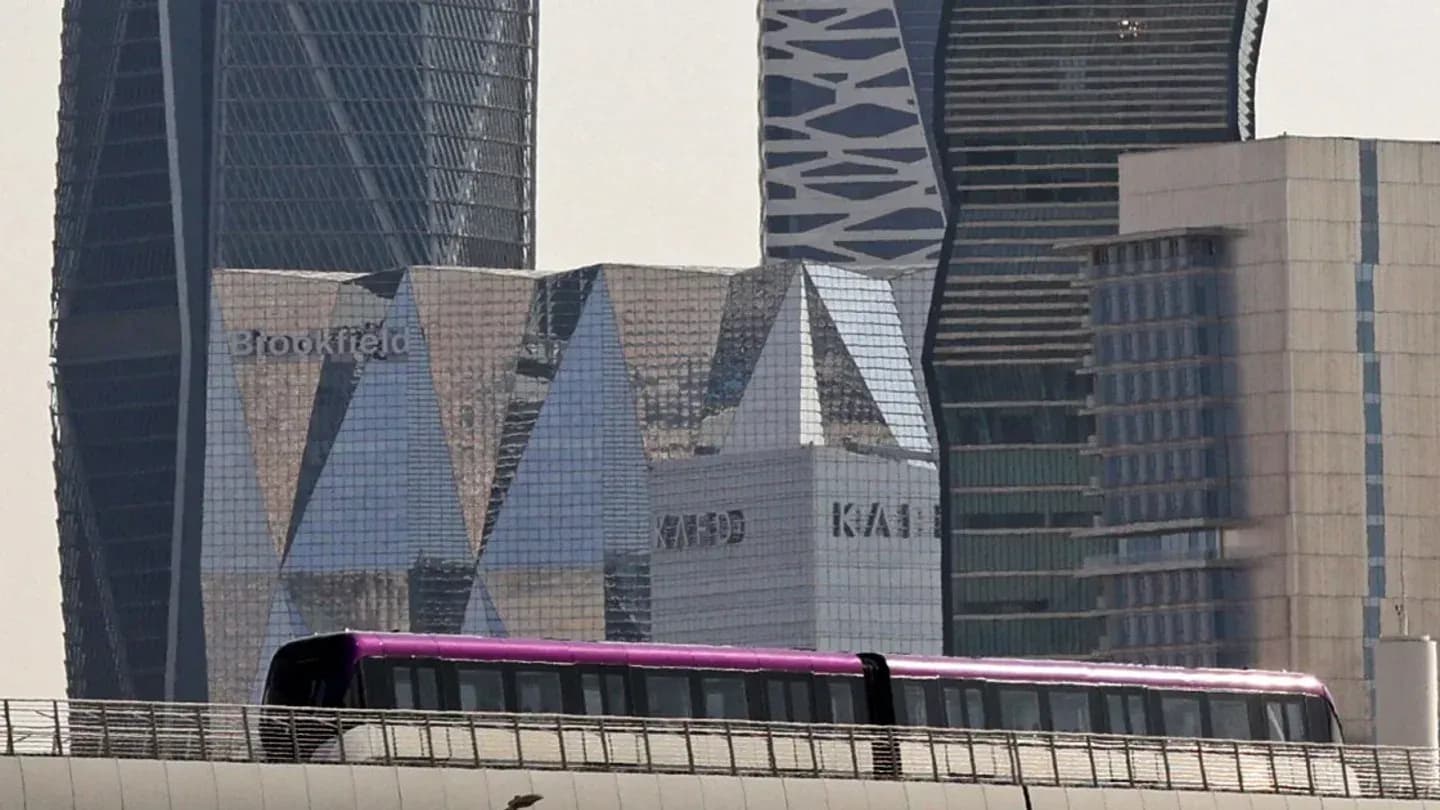
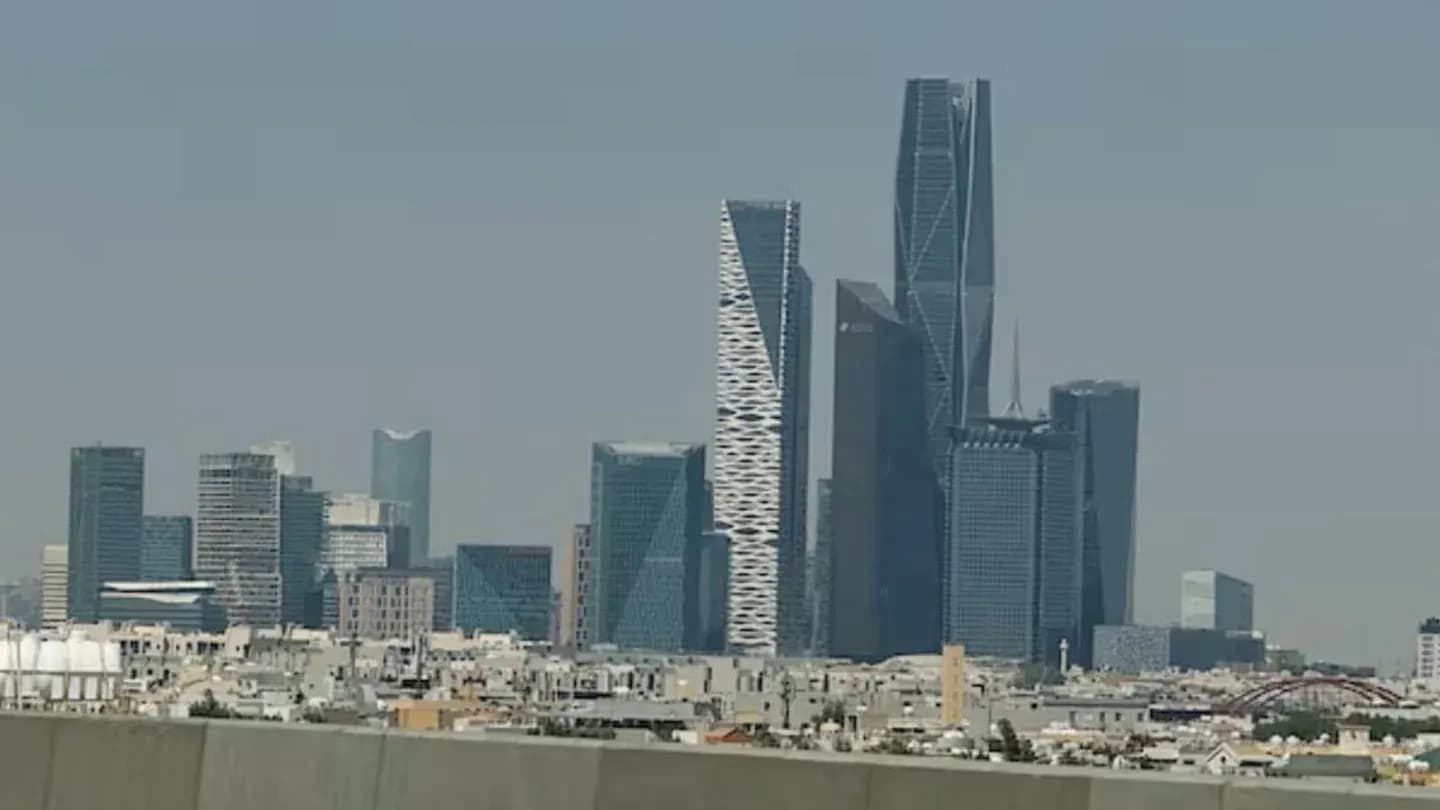
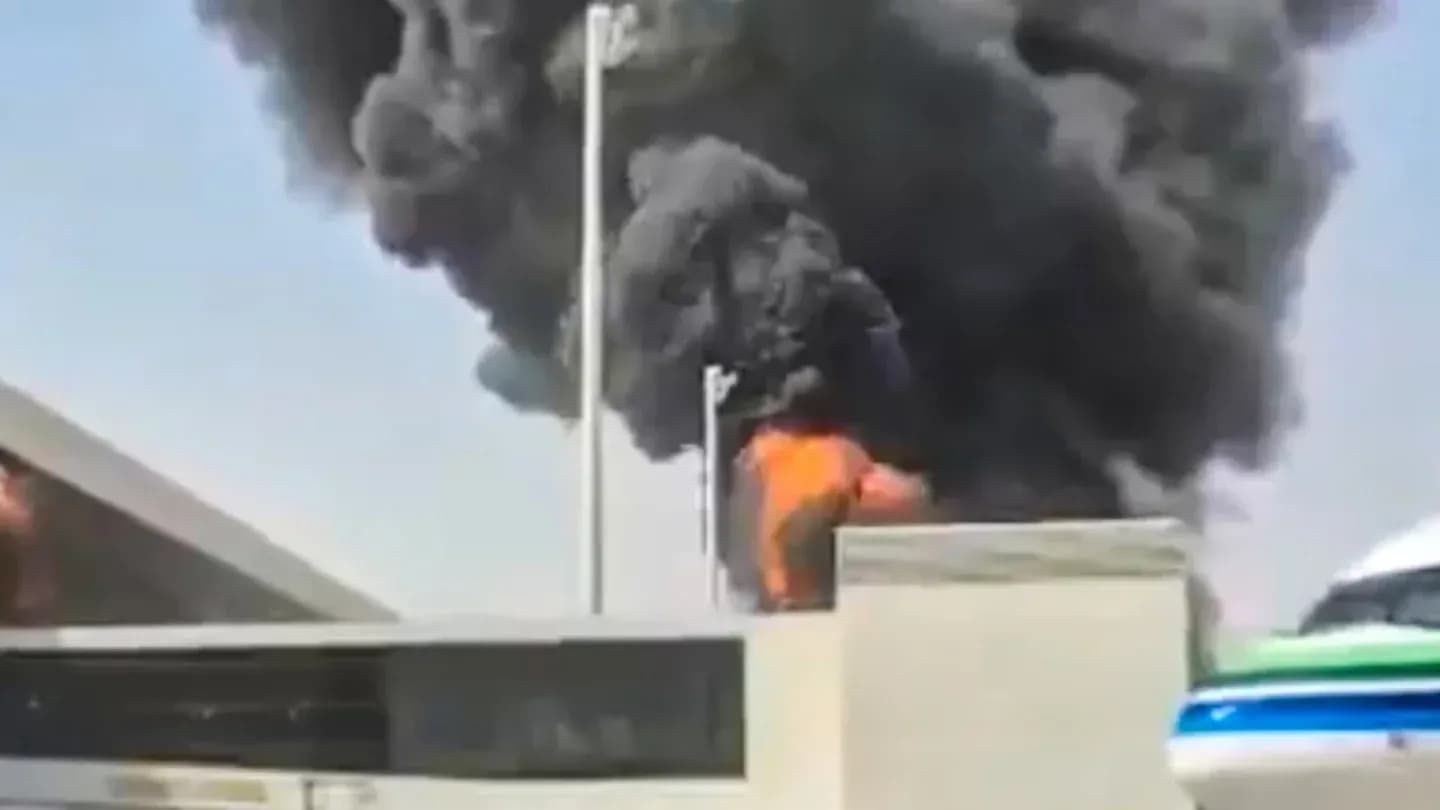
The parameters of the target explain why this strike is symbolic: 385 metres and 80 storeys. It is the second time in less than two weeks that a Houthi attack has damaged a landmark building in Riyadh's financial district: on 8 November, debris from an intercepted missile struck an administrative building of Saudi Aramco in the capital. And the 10 October attack on King Khalid International Airport killed 13 people and wounded more than 300 — after it, Saudi Arabia began investigating how its air defences let the attack through.
A multi-billion shield that does not cover everything
Saudi Arabia is the world's largest buyer of American weapons: it received 12% of all US arms exports in 2021–2025, according to the Stockholm International Peace Research Institute. The kingdom's 2026 budget allocates $83 billion to military spending, and this year Riyadh signed a $9 billion deal with Washington for 730 Patriot missiles. That is why the hit on the PIF Tower is a verdict not on a single air-defence crew but on the entire architecture of defence.
The reasons are physical and economic. The kingdom's territory is roughly three times the size of Texas, its border with Yemen stretches more than 800 miles, and vulnerable assets — airports, oilfields, financial districts — are scattered across the country. "Expecting a country the size of Saudi Arabia to intercept every missile is simply unrealistic. No defence can guarantee complete protection," Saudi analyst Ali Shihabi said after the October strikes. Interceptors are running short: Saudi Arabia has asked allies — France, Britain, Pakistan, Egypt — to help with air defence against missiles and drones.
The allies respond cautiously. British Prime Minister Andy Burnham announced in September that the Royal Air Force would provide air-to-air refuelling for Saudi aircraft on "defensive" missions — a limited agreement for a matter of weeks. Saudi Arabia itself signed a joint defence pact with Pakistan and Turkey, but both partners have so far stayed largely on the sidelines. The United States, which bombed the Houthis under both the previous and the current administration, is in no hurry to join the campaign this time: Donald Trump has been weighing for months whether to take part in Saudi strikes and has announced no decision.
"All necessary measures" without a big war
Riyadh's official reaction to the strike on the PIF Tower is a statement, not an operation. The Foreign Ministry condemned the attacks on civilian and economic facilities in the capital and reaffirmed the kingdom's "full and legitimate right to take all necessary measures to defend its sovereignty, safeguard its national assets and protect the security and safety of its citizens and residents", calling on the permanent members of the UN Security Council to fulfil their responsibilities and implement the relevant resolutions.
The military response remains pinpoint. Coalition spokesman Major General Turki Al-Malki announced on 19 November the destruction of two Houthi ballistic missile launch platforms — in Saada and Dhamar governorates — which, according to the coalition, had been used that day in attempted attacks on southern Saudi Arabia and on Riyadh. The same morning, air defences intercepted four ballistic missiles and one cruise missile; Civil Defence issued alerts in Riyadh, Sulayyil, Wadi Al-Dawasir, Abha and Khamis Mushait.
But Riyadh is not rushing into full-scale escalation, and the reasons are calculated. Western officials briefed on the kingdom's plans say Saudi Arabia expects the campaign against the Houthis to last up to six months. This week Riyadh replaced the commander of its coalition fighting in Yemen and wants its allies to make gains on the ground before entering any negotiations with the Houthis. On the eve of the strike on the PIF Tower, Crown Prince Mohammed bin Salman received US Central Command chief Admiral Brad Cooper in Riyadh — the third publicly reported visit since the Yemen conflict resumed in July.
The Houthis enter this pause from a position of strength: they have seized Yemen's entire Red Sea coast including the Bab el-Mandeb Strait, surrounded Taiz and, over the weekend, forced the Saudi-backed government into a major retreat. For Riyadh, which has spent years building an image as a safe venue for global investment and diplomacy, every strike on the capital is a blow to that image and to the reform economy whose showcase is precisely KAFD and the PIF.
Oil, Hormuz and the price of war for others
The Gulf is already paying for this war in the language of the market. On the morning of 20 November, Brent futures rose 0.9% to $92.77 a barrel on supply fears after the strike on Riyadh and reports of two tankers hitting mines in the Strait of Hormuz. At the same time, over the week Brent is set to fall about 3.5%: flows through Hormuz have returned close to pre-war levels, and the market is weighing a supply surplus against a geopolitical risk premium that, according to UOB analysts, is sustained by a frequency of roughly one incident a day in November.
The International Energy Agency has called the Middle East conflict the largest disruption in the history of global oil and gas trade and warned that if governments respond by accelerating electrification and energy efficiency, world oil demand could shrink by more than 4% by 2035. OPEC+ ministers meet on 29 November to set production policy for 2027.
For Ukraine this arithmetic is direct. Every dollar that fear of Gulf disruptions adds to a barrel ends up in the Russian budget that finances the war against Ukraine. In the same days, Ukrainian strikes on refineries and export infrastructure may again cut Russia's crude output — meaning the price of Russian oil is now being shaped by two wars at once. And on the day of the strike on the PIF Tower, the trilateral Xi–Trump–Putin summit in Shenzhen, according to the Chinese side, discussed Ukraine, the Middle East and the Korean Peninsula. There were no breakthroughs.
Yemen's internationally recognised government is demanding action rather than statements: in a letter to UN Secretary-General António Guterres and Security Council President Sanita Pavļuta-Deslandes it asked for urgent intervention going beyond condemnation — practical measures to protect civilians, hold those responsible to account and cut off the supply of missiles, drones and their components to the Houthis. The letter cites missile strikes on Aden on 11 and 13 November and the shelling of the Kharaz refugee camp in Lahj governorate on 12 November, where a Somali refugee woman was killed. Riyadh is demanding the same of the Security Council. The question now is one: will "all necessary measures" remain a formula for communiqués, or become a plan for which someone is accountable — in Riyadh, Sanaa and New York.
Primary sources
Documents and statements this story is based on.

Nine drone strikes on El Obeid: Amnesty demands a war crimes probe and a Sudan-wide arms embargo

Ferapontov at the IAEA: why Kyiv's protest came a day before the Board convened
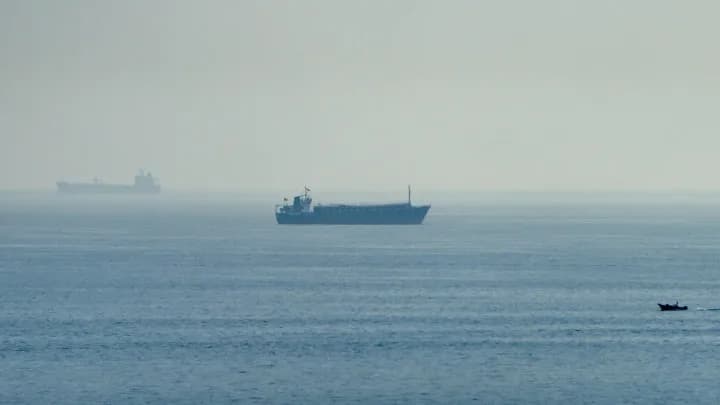
Strait of Hormuz: third day of tanker attacks, one crew unaccounted for, traffic two-thirds below prewar level
Trump Threatens 'Another Little Epic Fury', Iran Closes Persian Gulf: Oil at $116 as the World Sleepwalks Toward Catastrophe