
Ferapontov at the IAEA: why Kyiv's protest came a day before the Board convened
IAEA Director General Rafael Grossi intends to appoint sanctioned Rostekhnadzor deputy head Alexey Ferapontov as his deputy in charge of the Department of Nuclear Energy. A letter from Greenpeace says it could happen during the Board of Governors meeting in Vienna on 18–20 November. Ukraine's Foreign Ministry issued a resolute protest on the eve — and its levers stop at appeals.
An IAEA Board of Governors meeting is scheduled in Vienna for 18–20 November. It is during that meeting, in the assessment of Greenpeace International, that a staffing appointment Kyiv calls categorically unacceptable may take place: Agency Director General Rafael Grossi intends to make Alexey Ferapontov, deputy head of Russia's Rostekhnadzor, his deputy and head of the Department of Nuclear Energy. Ferapontov is under personal Ukrainian sanctions, and the organisation's letter to Grossi names him as one of the potential candidates for the post. On the eve of the meeting, on the evening of 17 November, Ukraine's Ministry of Foreign Affairs published a resolute protest.
The ministry's statement calls such a staffing decision "categorically unacceptable". "This is not about the candidate's citizenship, but about his involvement in the actions of Russian state structures aimed at legitimising the illegal seizure of the Zaporizhzhia Nuclear Power Plant and extending Russian regulatory control over it," the statement stresses. Personal restrictions against Ferapontov were applied under the Presidential Decree of 12 February 2023 No. 75/2023.
"The appointment of such a person to one of the highest positions at the IAEA would amount to blatant acquiescence in Russia's policy of illegally seizing Ukrainian nuclear facilities and attempts to legitimise their occupation, as well as outright disregard for international law and the Agency's own decisions," the statement reads. It goes further: representatives of Russian state structures involved in gross violations of international law and in creating threats to nuclear safety belong "not in leadership positions in international organisations, but in the dock". The ministry separately recalls that the IAEA Board of Governors and General Conference have repeatedly demanded that Russia stop its unlawful actions regarding the Zaporizhzhia NPP and restore Ukraine's control over the plant.
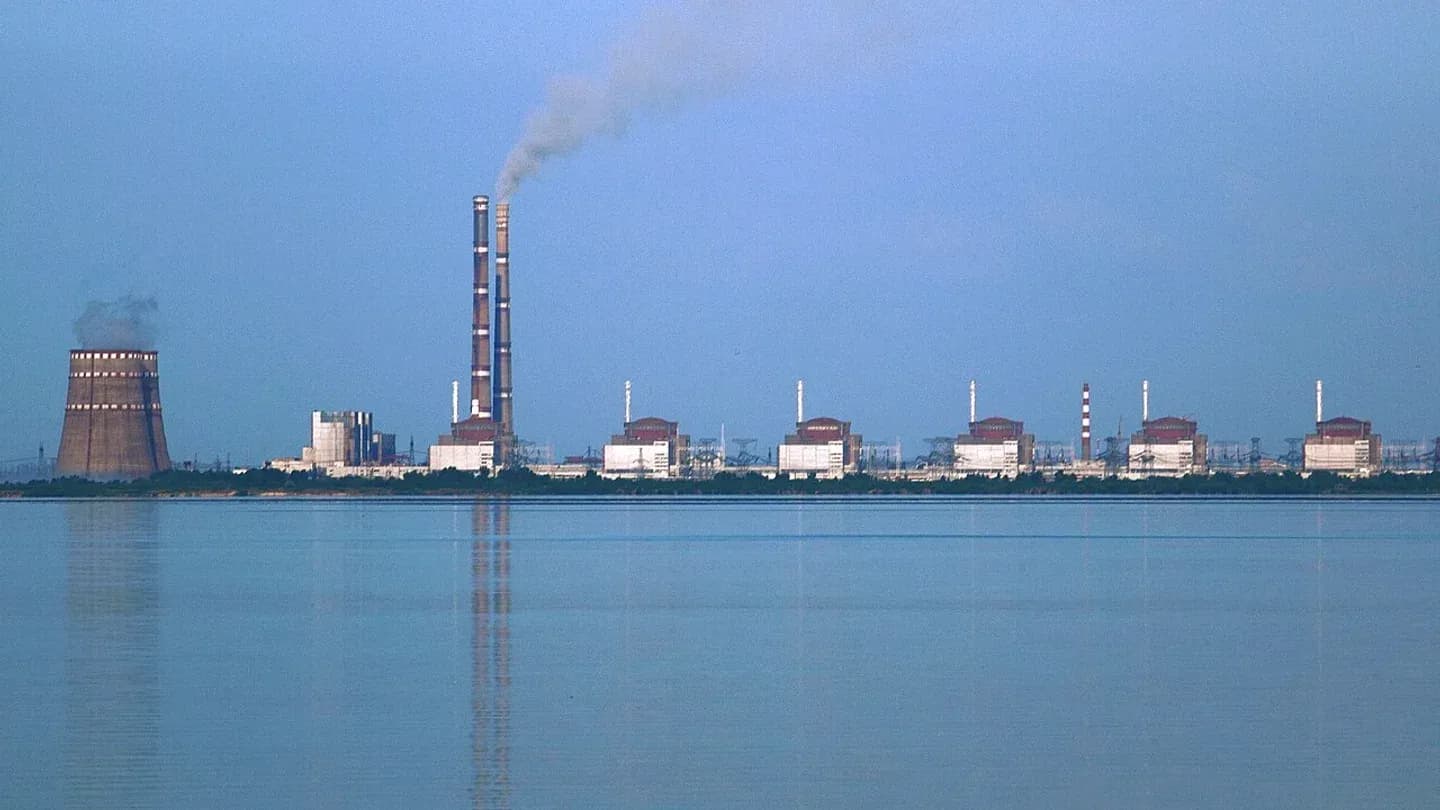
Ferapontov currently serves as deputy head of Russia's Federal Service for Ecological, Technological and Nuclear Supervision — Rostekhnadzor. Greenpeace International sent an official letter to Rafael Grossi and copies to the governments of all 35 IAEA Board member states. The letter recalls that in April 2024, two years after the Zaporizhzhia NPP was occupied by Russian forces and Rosatom, Ferapontov made a "working" visit to the illegally seized plant, and that Rostekhnadzor issued unlawful licences for the operation of its reactors.
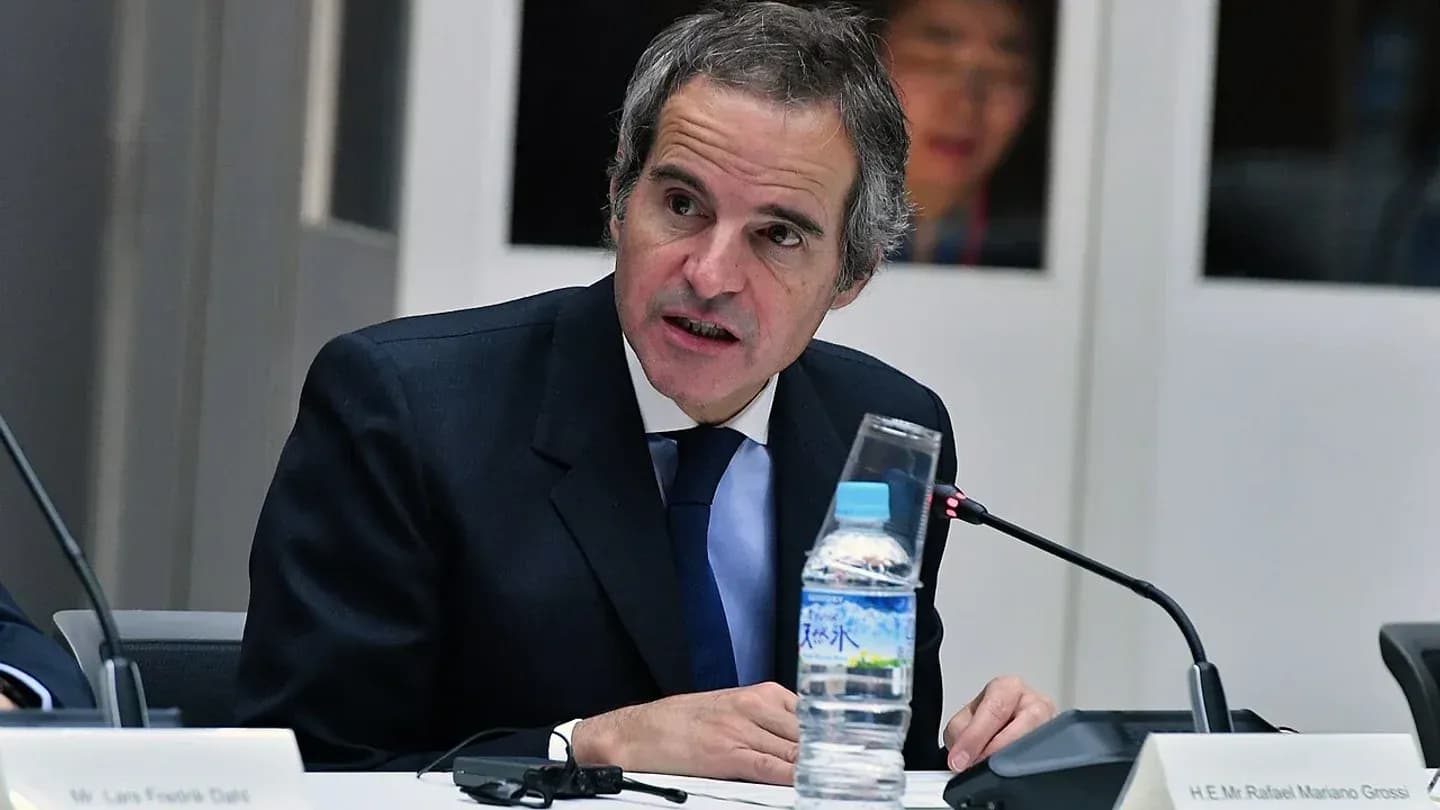
"If Rafael Grossi goes ahead with his plan to appoint Ferapontov to one of the highest positions at the IAEA, this would effectively reward Russia's nuclear industry for its attacks against Ukraine," said Shaun Burnie, senior nuclear specialist at Greenpeace Ukraine. In his view, such a decision would undermine trust in the Agency's independence precisely when its inspectors are documenting the consequences of Russian strikes on Ukraine's energy system.
A vacancy that opened after a scandal
The deputy director general post fell vacant in September 2026, when the Agency suspended Russian national Mikhail Chudakov, who had held it since 2015 and oversaw the department responsible for promoting nuclear energy. According to Greenpeace, the ground was a breach of IAEA staff rules prohibiting discrimination and the creation of a hazardous working environment; within the Agency an ethics investigation into Chudakov remains open over his self-published book containing demeaning statements about women and LGBT people. Greenpeace had called for Chudakov's removal as early as March 2022, citing his decades-long career in Russia's nuclear industry — those calls had no consequences then, and the Russian official stayed in post for more than four further years of war.
Grossi's conflict of interest
Both Kyiv and Greenpeace point to a circumstance that makes this staffing decision politically sensitive: Grossi himself is taking part in the selection of the next UN Secretary-General. Argentina nominated him in November 2025, the selection process continues, and Russia, as a permanent member of the UN Security Council, holds a veto over the next secretary-general's candidacy. "This is happening at a moment when Grossi needs Russia's support to realise his ambition of becoming the next UN Secretary-General. That is unacceptable," Burnie stresses. Greenpeace cites UN General Assembly resolution 79/327, which recommends that officials seeking higher posts consider temporarily suspending their duties.
The Foreign Ministry puts it more restrainedly, but no less firmly: given the incumbent IAEA Director General's participation in the selection for the UN secretary-general post, "any grounds for doubt about the independence of the Agency's staffing decisions from political considerations or the influence of individual states must be eliminated". From the Agency's leadership Kyiv expects "maximum transparency and unwavering observance of the principles of impartiality". The statement separately invokes Article VII of the IAEA Statute, which sets the highest standards of professional competence and integrity as the main criteria for selecting staff and enshrines the independence of the Director General and Agency employees from external influence.
Who takes the decision — and who can press for it
The question Ukrainian diplomacy will have to answer not only in Vienna but also in Kyiv concerns not so much Grossi as its own consistency. The vacancy opened back in September; Greenpeace's letter to the Director General and to the governments of the 35 Board member states went out on the eve of the Vienna meeting; the ministry's resolute protest sounded on the evening of 17 November — a day before the Board convened. The statement urges Grossi to abandon the staffing decision and member states to "give it a principled assessment and take measures to prevent this appointment". The expectation is worded directly: a decision that "will leave no doubt about its principled position on the illegal seizure of the Zaporizhzhia NPP and the responsibility of those involved".
The mechanism here is simple and uncomfortable: deputy directors general of the IAEA are appointed by the Director General himself, not by the Board of Governors. The Board is the forum where member states can raise the question publicly, give it an assessment and apply pressure — exactly the step Kyiv is calling for. But the list of levers named in the statement effectively stops at appeals, and the outcome will depend on how persuasively Ukraine worked with dozens of capitals over the previous two months, when the vacancy was already known. As of 18 November the Agency had issued no public reaction to Kyiv's protest or to Greenpeace's letter.
The precedent is already in plain sight. In late October UN Secretary-General António Guterres appointed Russian ambassador Gleb Desyatnikov assistant secretary-general for mine action and police in the Department of Peace Operations — at a time when Ukraine is the most mined country in the world. Foreign Ministry spokesperson Heorhii Tykhyi stated then: "Moscow has mined the United Nations." That story also ended with a statement. The repetition of the pattern — a Russian official inside an international structure, a Ukrainian protest after the fact — shows the limit of declarative diplomacy: without prior work with member states, a statement risks remaining a footnote to a decision already taken.
What this changes for Ukraine's nuclear safety
The staffing dispute unfolds against a backdrop that makes it anything but abstract. On 16 November the Western European Nuclear Regulators' Association (WENRA), the Heads of the European Radiological Protection Competent Authorities (HERCA) and the Nordic Radiation Safety Authorities (NORA) jointly warned that systematic Russian strikes on power grids and substations cause prolonged power interruptions and worsen the conditions required for the safe operation of nuclear facilities, and that a further intensification of attacks could lead to a complete collapse of the national power grid — with the threat of radioactive releases and consequences for people and the environment inside Ukraine and beyond.
On 8 November at 02:36 the Zaporizhzhia NPP lost power from the 330 kV Ferosplavna-1 line, the automatic reclosing attempt failed, and the plant was forced to switch to emergency diesel generators. According to Energoatom, this was the 16th case of a complete loss of external power supply at the plant since the start of 2026; the IAEA reported that power was restored overnight into 9 November and described it as the 27th such outage since the beginning of the military conflict.
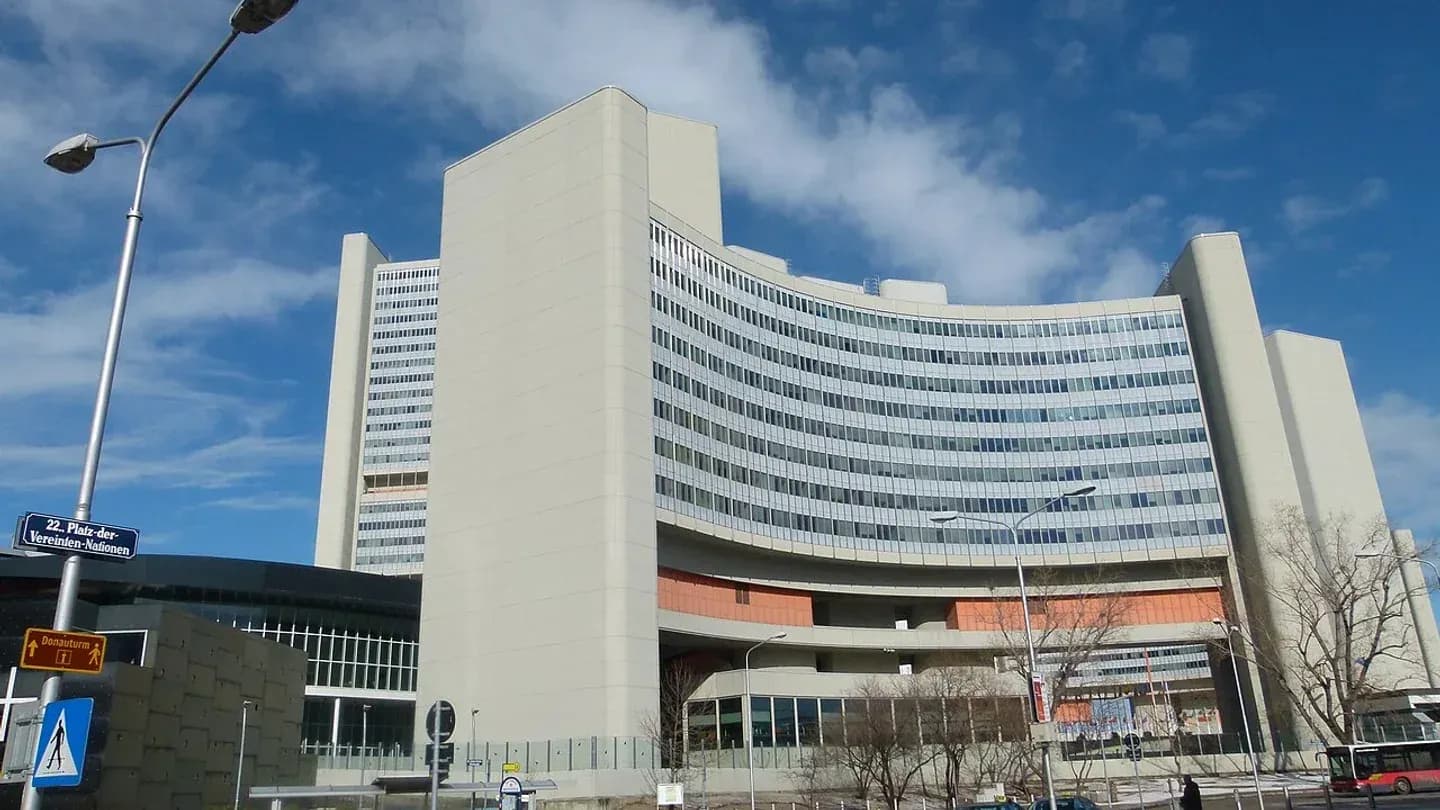
It is the IAEA that documents damage to the substations powering Ukraine's nuclear plants and holds talks on local ceasefires to repair the grid: since 2024 and as of October 2026, Agency inspection teams together with Ukrainian officials have carried out nine missions to electrical substations. If the Department of Nuclear Energy is headed by a representative of the very regulator that, according to Kyiv and Greenpeace, legitimised the occupation of the Zaporizhzhia NPP, Ukraine will have to share sensitive data about its own energy infrastructure with a body whose independence will be in doubt from day one.
The Board of Governors meeting in Vienna runs until 20 November, and the staffing decision warned about by Greenpeace and by the Foreign Ministry has not been publicly announced. Accountability at this point is addressable: Grossi must reconcile his UN ambitions with the Statute of the Agency he leads, and Kyiv will have to explain why a resolute protest sounded a day before the Board opened, even though the vacancy had been open since September.
Primary sources
Documents and statements this story is based on.
EU ambassadors approve screening of Ukraine's last two clusters: Hungary lifts veto without a single demand
Strike on the PIF Tower: why the costliest air defence failed Riyadh's financial heart

Nine drone strikes on El Obeid: Amnesty demands a war crimes probe and a Sudan-wide arms embargo

Czechia shuts its border to Russian hockey players despite the CAS ruling