
Czechia shuts its border to Russian hockey players despite the CAS ruling
Interior Minister Lubomír Metnar confirmed that government regulations effectively bar visas for Russian athletes heading to the Ostrava world championship, and entry will be refused even to holders of visas from other EU countries.
Russian athletes will not reach the Women's Under-18 Ice Hockey World Championship that Czechia hosts in Ostrava in January. Interior Minister Lubomír Metnar confirmed this on 18 November after a meeting with representatives of the Czech Ice Hockey Association — the consequence of the 30 October ruling by the Court of Arbitration for Sport (CAS), which ordered the International Ice Hockey Federation (IIHF) to reinstate Russian national teams at world championships.

"For me, nothing changes. There are government regulations and resolutions that de facto prohibit issuing visas to Russian athletes to take part in our championship," Metnar said after the meeting. Even if Russian athletes arrived holding a visa from another European country, they would not be allowed to enter Czechia, he stressed. Which border or migration instruments would be used in that case, the minister did not specify: he limited himself to stating that the Interior Ministry "has legal tools".
The basis is a 2023 Czech government regulation: it bans Russian and Belarusian teams from playing in the country and Czech teams from taking part in events on the territory of Russia and Belarus. It is this document, not a new political decision, that Metnar presents as the answer to the verdict from Lausanne. A separate law explicitly barring national teams from playing Russia is not planned by the government, even though that is exactly what the hockey association demands.
Visas as the last argument
The visa question reaches beyond Czechia: Ostrava hosts the championship, but the Russian team could enter the Schengen area through another country. Foreign Minister Petr Macinka said he sent a letter and personal text messages to all his EU counterparts asking them not to issue visas to Russian male and female hockey players for tournaments. According to Macinka, EU foreign ministers backed him and agreed not to issue visas that would allow Russian players to travel to the championship, including via other member states.
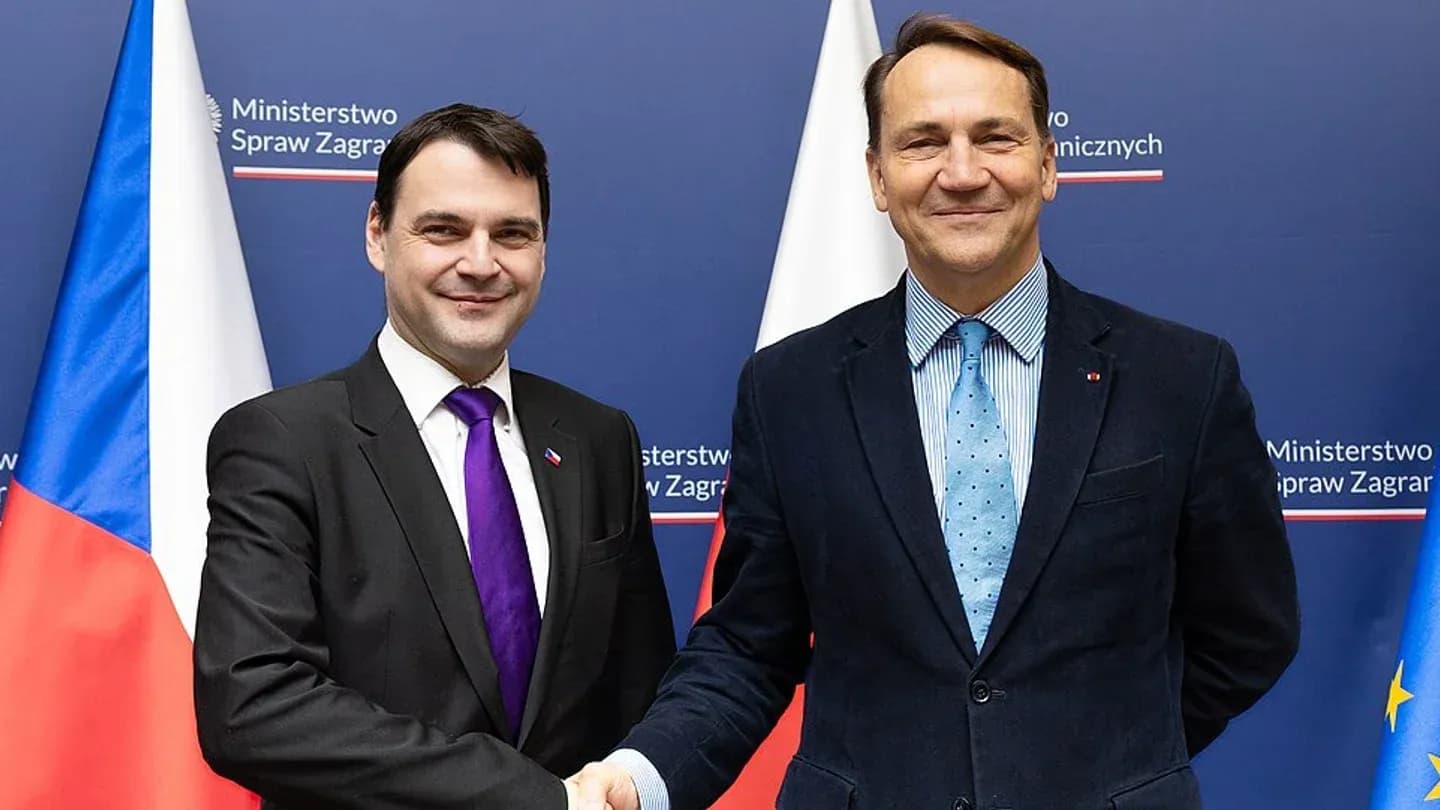
"I do not consider it appropriate that, at a time when Russia is waging war in Europe, its national hockey team should play in the Czech Republic, that the Russian anthem should sound here, or that we should be forced to look at Russian flags," the foreign minister said, explaining his position.
The promise from European capitals is not a legal norm: an agreement between ministers does not replace national visa rules, and the IIHF has not yet announced a final decision on the Ostrava tournament. The Czech side and the federation agreed to continue consultations and to prepare a joint statement by the ministries concerned.
In Prague the visa story is shadowed by a scandal around Macinka himself: in a weekend television interview he described hockey as predominantly a men's sport and made derogatory remarks about Russian women players, drawing condemnation from politicians and prominent athletes, including NHL players. On 9 November the minister apologised, acknowledging his words were highly inappropriate, and personally phoned the general manager of the women's national team. Sports Minister Boris Šťastný distanced himself from his colleague's remarks but declined to demand an apology.
What the federation fears
The Czech Ice Hockey Association joined the boycott of matches against Russia announced earlier by Finland, Sweden, Norway, Denmark and Latvia. But a boycott without state cover carries a risk for the national team itself: association president Alois Hadamczik warned that refusing to play Russia without official intervention could expose the national team to sporting sanctions.
That is why the association is pressing for a law that would explicitly bar Czech national teams from taking the ice against Russia: a no-show would then be compliance with a state prohibition rather than a disciplinary breach by the federation. Šťastný and Metnar answer with a refusal — the existing government regulations and Interior Ministry tools are sufficient, they say. So the risk of sanctions for a possible refusal to play currently rests with the federation and the national team: at least until the ministries concerned formalise their position in the joint document agreed at the 18 November meeting.
The Canadian precedent and Russia's reaction
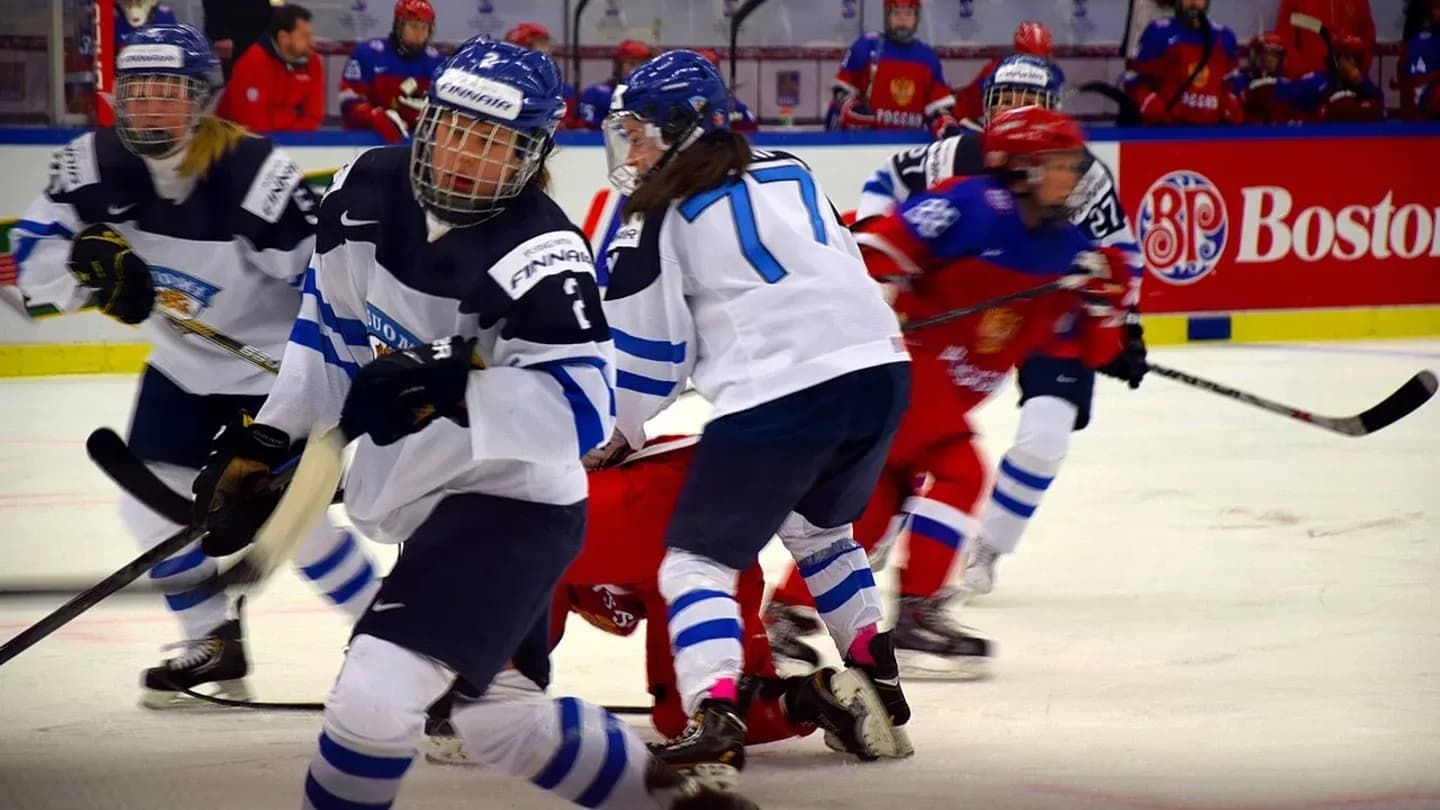
The situation around Ostrava repeats the Canadian scenario. On 15 November the IIHF confirmed that Russia's junior team will not play at the world championship in Edmonton and Red Deer (26 December – 5 January). Ottawa refused visas to Russians — including players who already compete in North American junior leagues — and later clarified that even Russian players holding valid Canadian visas would be barred from the tournament. The IIHF Council, after assessing the feasibility of alternative arrangements, kept the championship in Canada. The Russian Ice Hockey Federation called the decision "unacceptable" and "unlawful" and announced a joint appeal with the Russian Olympic Committee to the IOC and "all available legal avenues".
RIHF president Vladislav Tretiak threatened to seek compensation from Canada and to push for the tournament to be relocated or cancelled, and asked the IIHF ethics council to investigate and punish the national federations organising boycotts of games against Russia.
The IIHF itself conceded that the "global impact" of the CAS ruling had been "significantly underestimated". On 4 November the federation said that the immediate reintegration of Russian teams "presents significant practical and sporting challenges": visa and entry requirements, security provisions, logistical constraints and consequences for competition formats — all compounded by the limited time available, with some events only weeks away. For Ostrava this points to a likely repeat of the Canadian scenario — unless something changes in the remaining weeks. Championship sponsors, from Czech Tipsport to Sweden's AJ Produkter and Finland's Nokian Tyres, have already said they will reassess their involvement in tournaments featuring Russia; the German federation (DEB), due to host the 2027 men's world championship, called the verdict an event that "fundamentally changes the situation" for the organiser.
The price of a non-systemic decision
For Ukraine this story is not only about hockey. On 1 November Foreign Minister Andrii Sybiha called the CAS ruling unacceptable and urged governments that "have not lost their moral compass" to bar entry to Russian players; on 4 November, welcoming Canada's decision, he said there is "no impunity for Russia on ice". It is national governments, one by one, that are doing what Kyiv asks for: the European Commission opposes the "normalisation" of Russian and Belarusian athletes' participation while the war continues, but the final decision on admitting hockey national teams formally belongs to the IIHF, and the federation's security arguments have already been found insufficiently evidenced by the arbitration court.
The stakes for Ukraine are direct: IIHF council member and Swedish Ice Hockey Federation president Anders Larsson suggested that, once reinstated, Russia would play at the level where it competed before suspension — meaning it could in theory take Ukraine's place at the 2027 world championship; no official decision on such a replacement exists. Ukrainian officials remind international discussions that hundreds of athletes have been killed by Russian strikes and hundreds of sports facilities destroyed or damaged. Every new tournament case has to be fought by Kyiv separately — in Ottawa, Prague, Oslo — because a systemic European mechanism of exclusion still does not exist.
The Ostrava championship opens on 8 January. The ministries and the federation agreed on further meetings and a joint statement; the IIHF has not announced a final decision on the tournament. The question of who will be held responsible if the federation is nonetheless sanctioned for refusing to play — the government that declined to pass a law, or the association that joined the boycott — remains open.
Primary sources
Documents and statements this story is based on.
EU ambassadors approve screening of Ukraine's last two clusters: Hungary lifts veto without a single demand
Ferapontov at the IAEA: why Kyiv's protest came a day before the Board convened
Le Pen to Ukraine's ambassador: France can no longer fund Kyiv, but the EU's €90bn loan pledge will be honoured
Hungary again blocks Ukraine's last two clusters on the path to EU membership