
Strait of Hormuz: third day of tanker attacks, one crew unaccounted for, traffic two-thirds below prewar level
On 16–17 November at least three tankers were attacked in and around the Strait of Hormuz; after a second strike north of Khasab the vessel's crew is unaccounted for. UKMTO names neither ships nor perpetrators, while Washington calls the war with Iran "effectively over".
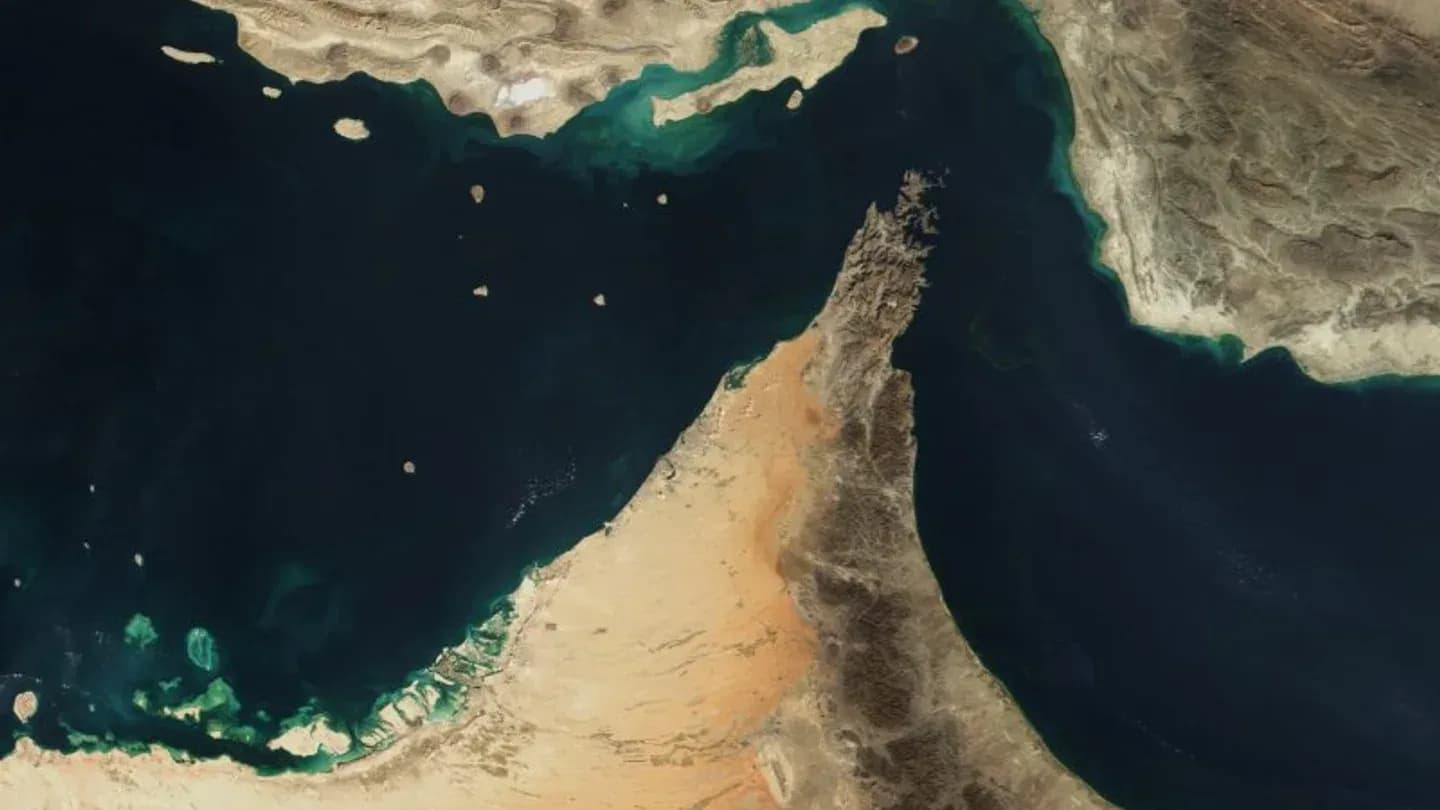
On the morning of 17 November the United Kingdom Maritime Trade Operations centre (UKMTO) updated its warning about the tanker attacked the previous evening seven nautical miles north of Khasab, Oman: after a second strike the vessel caught fire again, and its crew is unaccounted for. It is at least the third attack on tankers in and around the Strait of Hormuz within a day — the waterway that carried roughly a fifth of the world's oil before the war is entering the ninth month of the Iran–US confrontation in a state of constant burning.
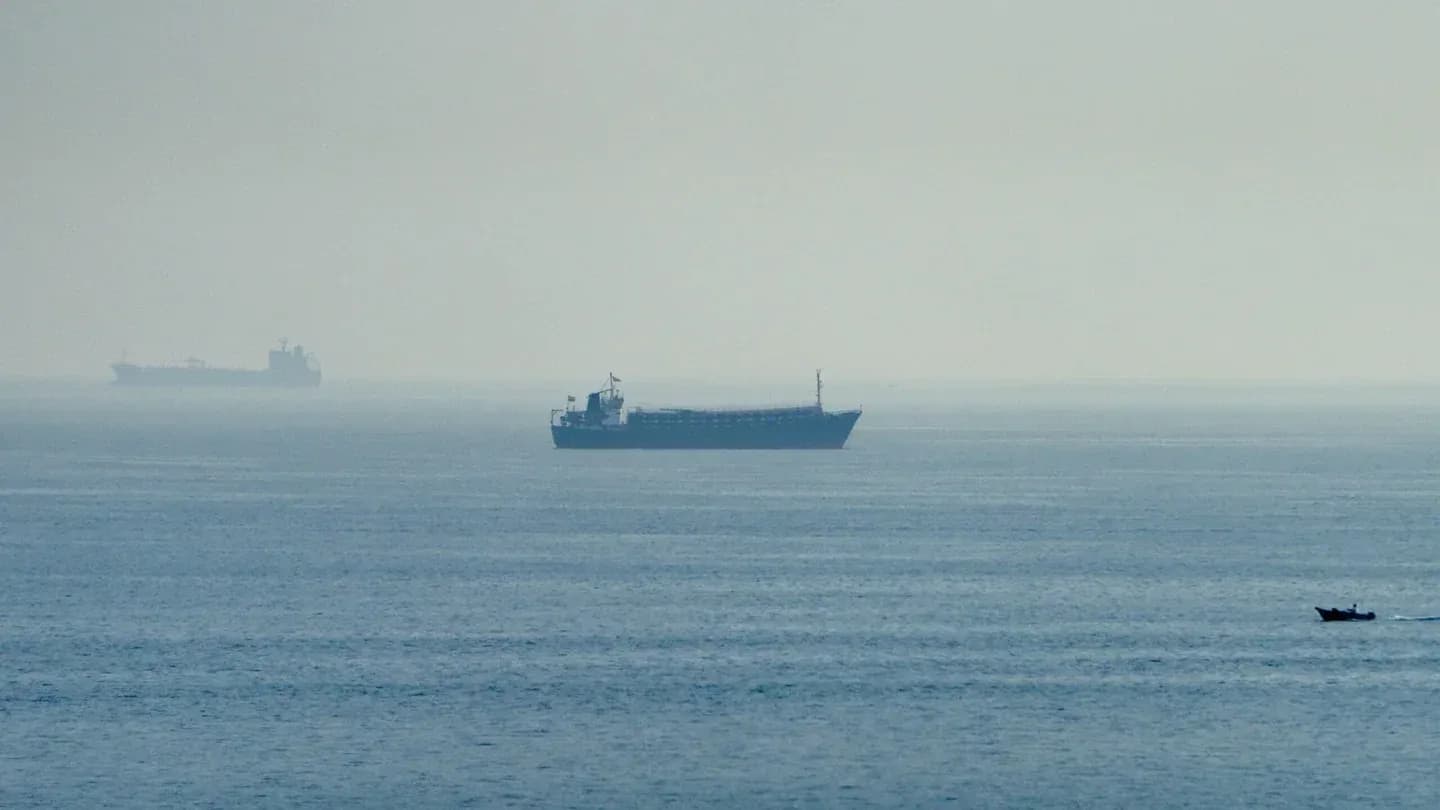
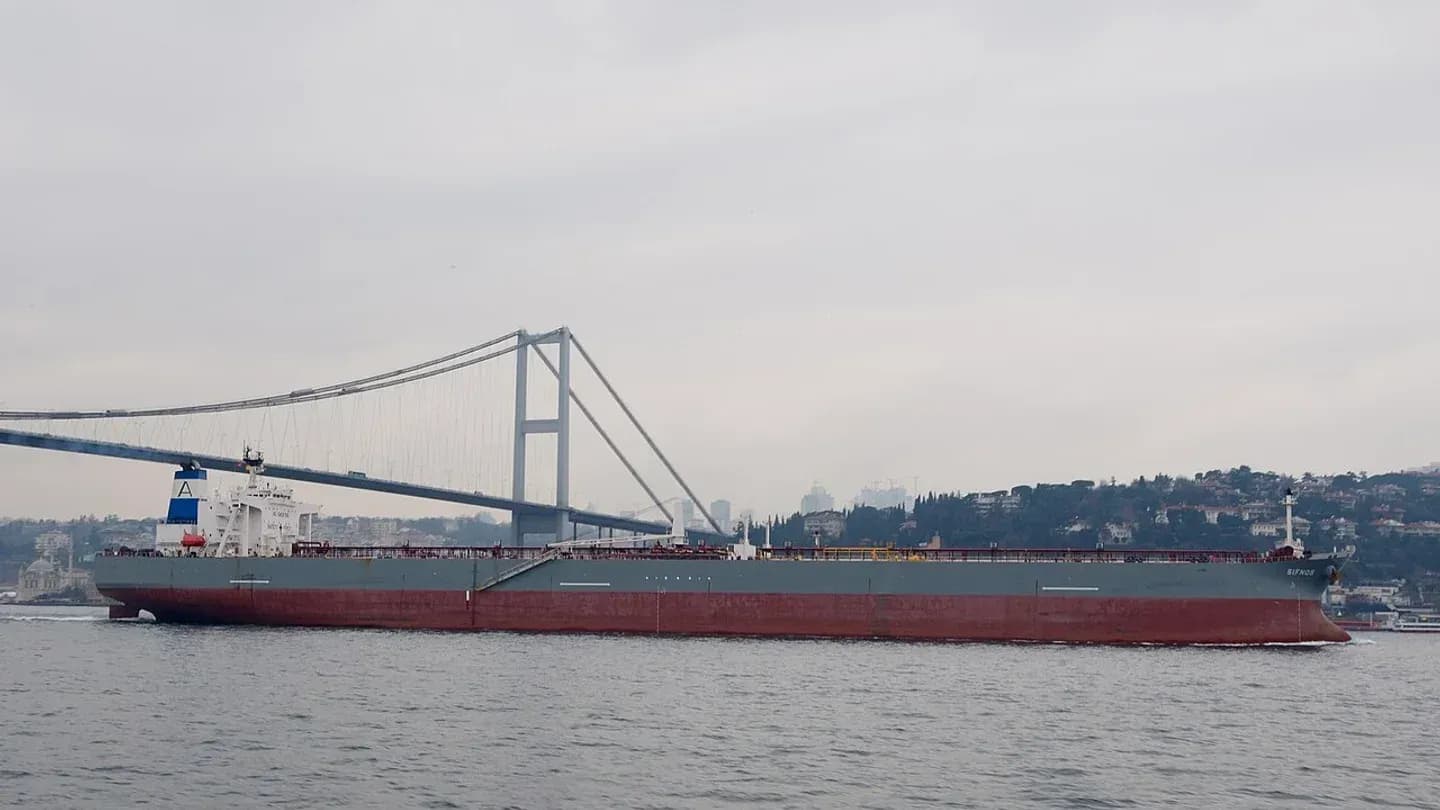
The day's chronology, as recorded in UKMTO warnings, runs as follows. On 16 November at about 05:58 UTC a company security officer reported that a tanker transiting outbound through the strait had been struck by an unidentified projectile: an engine-room fire, no casualties, all crew accounted for. The maritime security firm Vanguard Tech identified the vessel as On Phoenix, a 114,623-dwt tanker owned in the UAE and managed by Anglo-Eastern Tanker. In the evening, at about 19:00 UTC, a third-party report described an attack on another tanker north of Khasab: the vessel lost propulsion and its engine room caught fire. The next morning's update: a second strike, a new fire, the crew unaccounted for. The extent of damage and any environmental impact remain unknown in both cases.
The day before, on 15 November, Indian shipping authorities notified UKMTO of an attack on a vessel travelling eastbound through the Arabian Gulf towards the strait. India's shipping minister Sarbananda Sonowal said that on 16 November a missile attack targeted the Panama-flagged LPG tanker Tara Gas, whose 25-member crew includes 24 Indian seafarers, and that all of them are safe; his ministry, he said, remains in contact with the ship management company. Whether Tara Gas is the same vessel whose crew UKMTO later reported as unaccounted for after the second strike has not been officially confirmed: the centre does not name vessels in its warnings.
Why the reports carry no names
UKMTO's silence on vessel names and on responsibility is not an oversight but methodology. The centre's weekly overview states it plainly: its products are "not an attribution of responsibility", vessel names and IMO numbers in the incident tables are marked WITHHELD, and only incidents verified through primary sources are published. In the report for the week to 11 November every attacked tanker is listed nameless. The result is that three days after a series of attacks the public record contains coordinates, timings and outcomes — but no ship names, no owners and no perpetrators. Both Monday incidents are under investigation; vessels are advised to exercise caution and report suspicious activity.
A queue of hundreds of ships
The scale of the disruption shows in the Joint Maritime Information Center's figures: five attacks off Oman's Musandam Peninsula since 1 November and about 227 commercial vessels stationary at anchorages east of the strait — Fujairah, Khor Fakkan, Sohar and Musandam. Between 12 and 14 November, 83 US-facilitated transits were recorded. UKMTO's weekly report No. 15 gives 139 outbound and 169 inbound transits for the previous week — roughly 65% below pre-conflict levels — and eight incidents in seven days, seven of them attacks on tankers. Since the conflict began on 28 February the centre has counted 163 Iran–US conflict-related incidents, 141 reports of damage to vessels and 86 injuries and fatalities. Independent shipping tracking puts traffic at less than a third of prewar levels: the gap with UKMTO is methodological, since the centre's totals include US-reported facilitated transits that UKMTO itself cannot verify.
The parties' versions diverge. Iran's Revolutionary Guard claims the tankers struck mines on an "illegal southern route" under US escort, that six tankers caught fire and sank within 24 hours, and that the strait's coastline is polluted. Those claims are not independently verified; UKMTO recorded no confirmed sinkings in the previous week. US Central Command, for its part, said it has redirected 150 merchant vessels and disabled five since June under the blockade of Iranian shipping, and on 16 November announced the arrival of a third aircraft carrier, USS Theodore Roosevelt, in the region.
An "effectively over" war
A week before the new series of attacks, on 9 November, Donald Trump declared after meeting Qatar's prime minister that the war with Iran was "militarily, effectively over". After the midterm elections, in which Republicans lost control of both chambers of Congress, Vice-President JD Vance publicly broke with that assessment: "the reason we lost is the war". The result is a status quo in which the blockade of Iranian ports holds, large-scale strikes have not resumed, and tankers in the strait keep burning while Washington declares the war over on paper.
The price for Ukraine
Ukraine feels the strait at the fuel pump. The country imports finished fuel, and its price depends not only on Brent but also on European logistics, refinery utilisation and the cost of shipping and insuring cargoes, which rises with every attack in the Gulf — that is how market participants explain the mechanism. The International Energy Agency records that Gulf exports excluding Oman recovered in October to 18.4 million barrels a day, yet shipments of refined products and LPG remain at roughly half their prewar level; diesel in Europe costs about $180 a barrel, 77% above prewar levels. IEA member countries plan to release another 71 million barrels of emergency stocks by the end of February, including 15 million barrels of diesel. In Ukraine as of 17 November the average A-95 price across the largest chains holds near 89 hryvnia per litre, diesel near 102 hryvnia, while autogas has added 12–19 hryvnia per litre over the month. The roughly 10% weekly drop in wholesale prices that pulled retail prices down in mid-November was explained by market participants precisely by the temporary stabilisation in the Strait of Hormuz — which makes the new series of attacks a direct risk of a fresh jump at the pump.
The question of responsibility for the 15–16 November attacks remains open: UKMTO is investigating both Monday incidents, India stays in contact with the management company of the tanker carrying its citizens, but neither London, nor Washington, nor Tehran has named the perpetrators. Until ship names and those responsible appear in the official record, the price of the risk in the strait will be paid by shipowners, insurers and fuel consumers — including Ukrainians.
Primary sources
Documents and statements this story is based on.
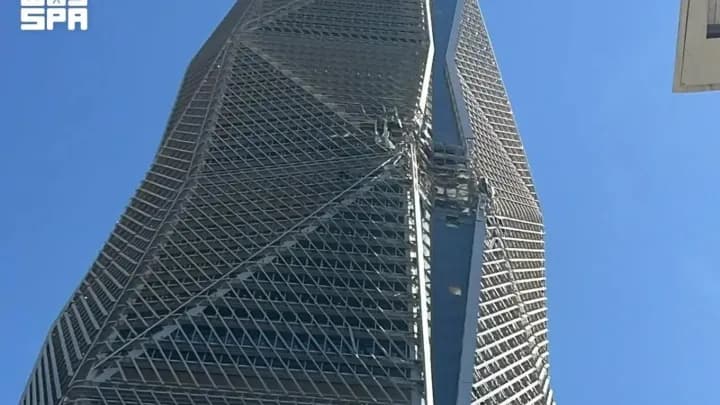
Strike on the PIF Tower: why the costliest air defence failed Riyadh's financial heart
Trump Threatens 'Another Little Epic Fury', Iran Closes Persian Gulf: Oil at $116 as the World Sleepwalks Toward Catastrophe
Trump Wants the Nobel Peace Prize. For What? For the War with Iran and a “24-Hour” Promise That’s Four Years Old
Three Years After October 7: How a Single Attack Turned the Middle East Into a Multi-Front War With No End in Sight