
Night of Nov 20: eight killed, Kyiv bridges hit, the west left in the dark
On the night of Nov 20 Russia struck Kyiv with ballistic missiles and the western grid with cruise missiles. Eight dead, three damaged bridges, emergency blackouts in seven regions — and hard questions for a government that was still finishing protective works on energy sites on the eve of the attack.
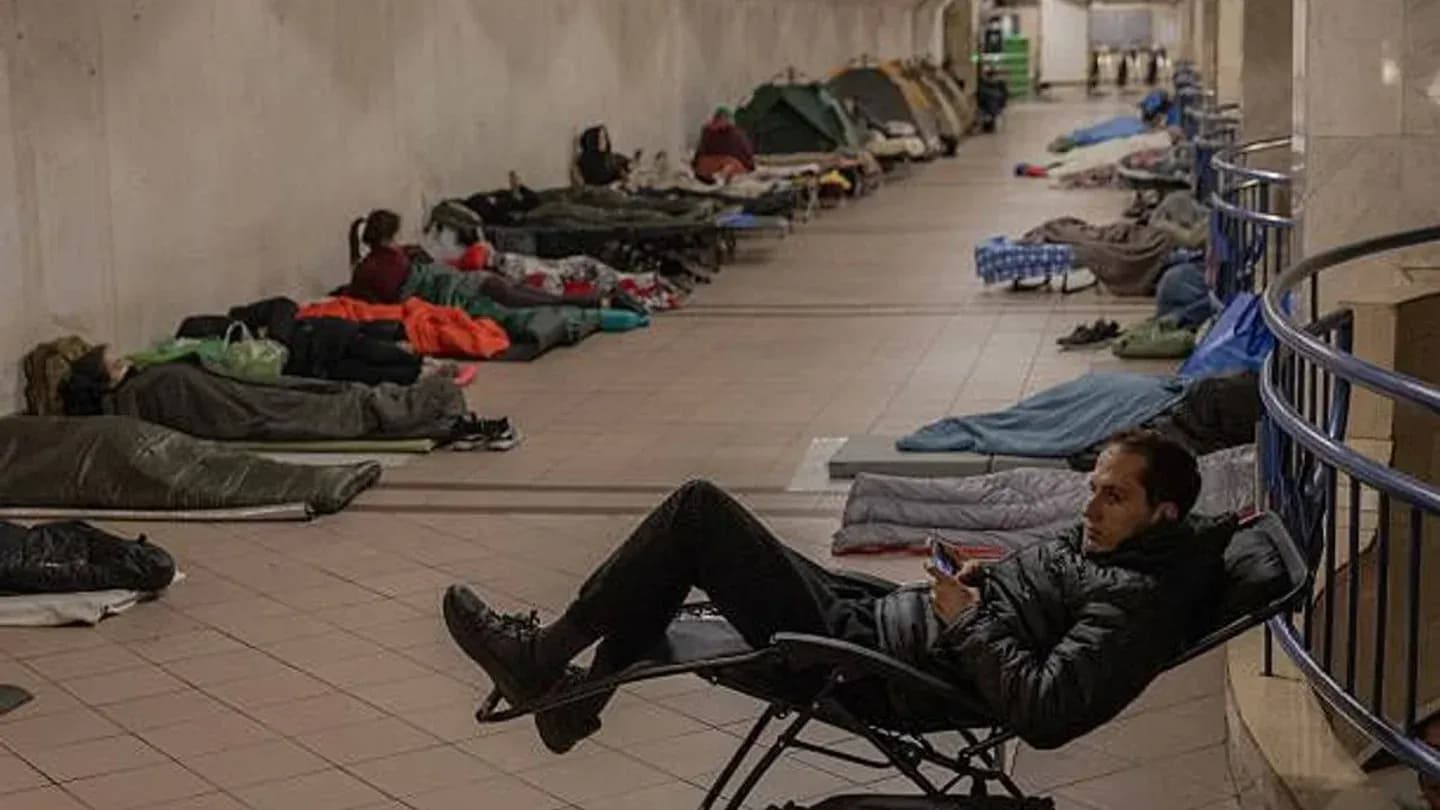
The night of Nov 20 became one of the hardest nights of this autumn for Ukraine's power grid and logistics. Russia launched about 80 cruise missiles and up to 20 ballistic missiles, plus roughly 400 drones, around 120 of them jet-powered. The Air Force reported 82 missiles shot down and 380 drones neutralised. Eight people were killed across the country and 28 injured — the morning tally given by Prime Minister Serhii Koretskyi. Six of the dead were in Kyiv, among them employees of Kyivvodokanal, the city's water utility.
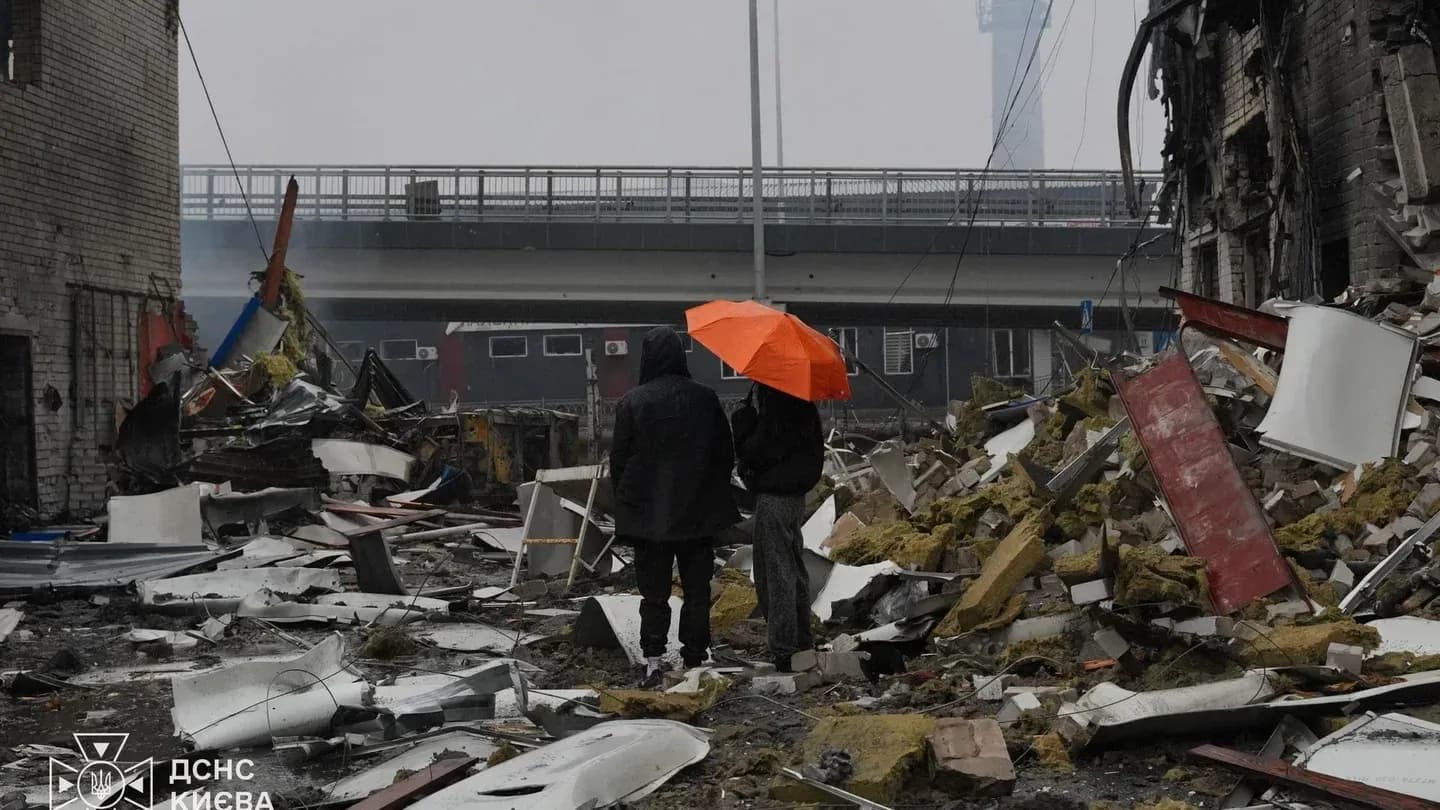
Three bridges and a city told to stay home
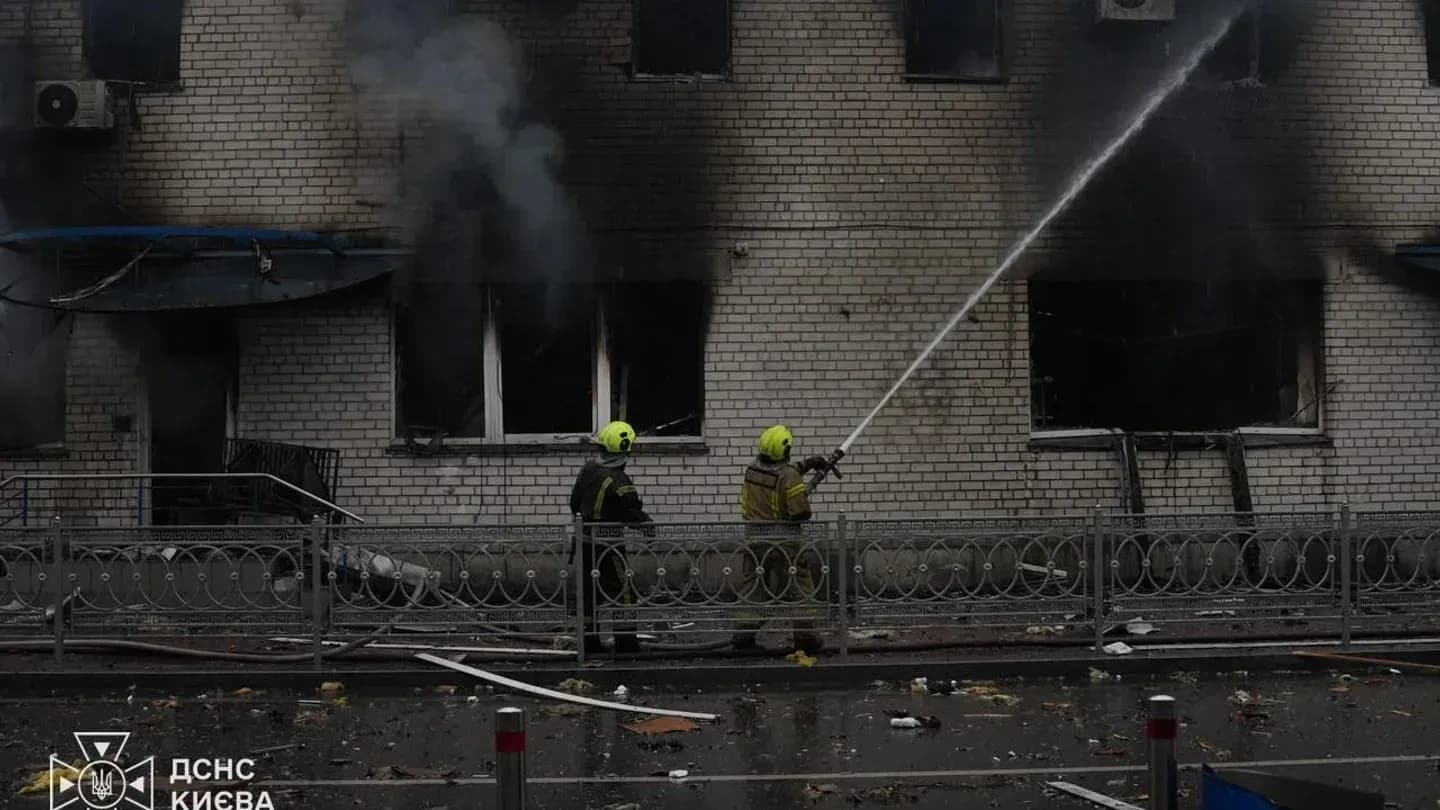
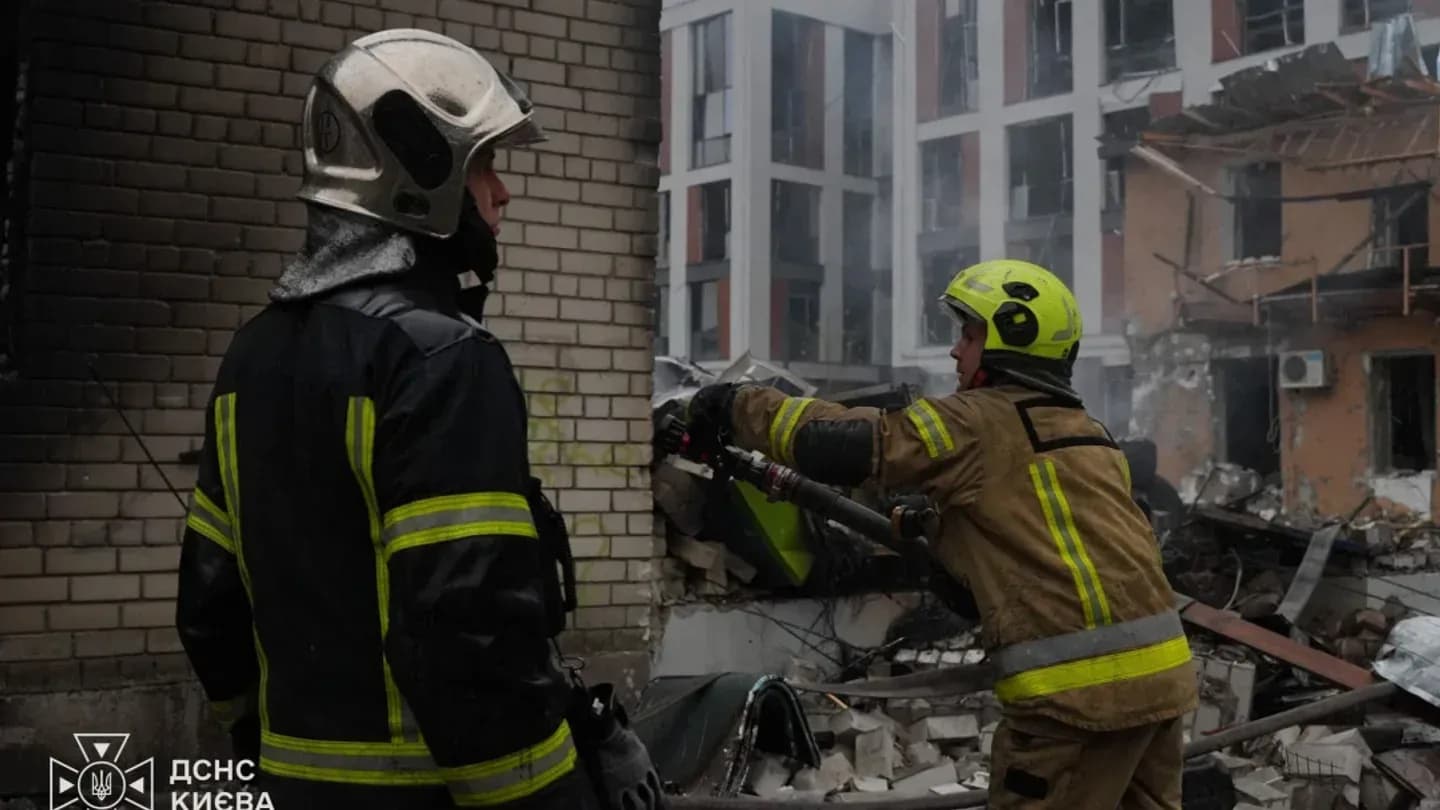
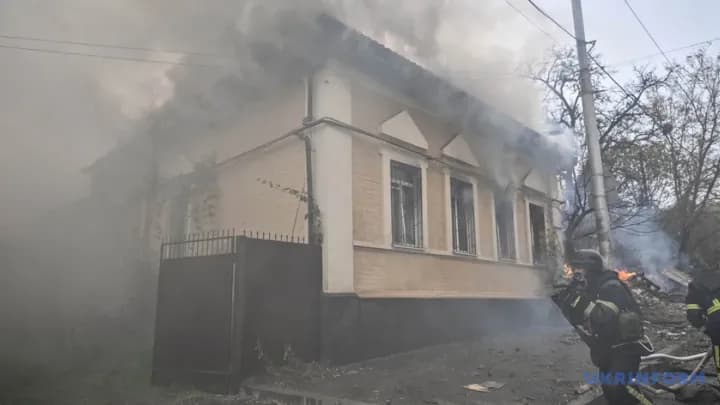
Ballistic missiles hit Kyiv in waves from about 1:25 a.m. until morning. The Podilsko-Voskresenskyi, Darnytskyi and Southern bridges were damaged; traffic on the Podilsko-Voskresenskyi crossing was partially closed towards the left bank. Mayor Vitali Klitschko urged residents not to drive private cars; the Kyiv City Military Administration asked people to limit movement around the city to speed up recovery work, and employers were advised to shift staff to remote work. With no voltage in the grid, trolleybus service was temporarily halted in parts of the Pecherskyi, Solomianskyi and Holosiivskyi districts. Residential buildings burned in the Obolonskyi and Podilskyi districts, an infrastructure facility was hit in Holosiivskyi, and drone debris damaged a non-residential building and a car in Podilskyi.
Water, power, heat: the energy front
Kyivvodokanal reported damage to its own facilities: pressure dropped in the Pecherskyi district network and some buildings temporarily lost water. By morning, part of consumers in Kyiv and ten oblasts — Vinnytsia, Dnipropetrovsk, Donetsk, Zaporizhzhia, Kirovohrad, Odesa, Kharkiv, Kherson, Cherkasy and Chernihiv — were without power. Ukrenergo called the situation in the grid extremely difficult; emergency outages were applied to stabilise the system in Kyiv and in Lviv, Zakarpattia, Dnipropetrovsk, Poltava, Kharkiv and Ivano-Frankivsk oblasts. In Dnipro and four districts of the region, emergency outages replaced all schedules. In Kryvyi Rih a massive drone attack on a major infrastructure facility cut power to boiler houses, pumping stations and hospitals. In Kharkiv a strike hit an emergency hospital: four people injured, the building housing the MRI scanner damaged. In Dnipro five people were wounded by drones; residential buildings, a bank and a shop were damaged.
Lviv: a direct hit at Sknyliv station
The morning wave reached Lviv. Two people were killed; ten injured were in the city's hospitals, two in critical condition and four in moderate condition. The ticket terminal of Sknyliv railway station took a direct hit; rail infrastructure in the region was damaged and a number of trains are delayed. The far west, considered relatively safe this autumn, spent the night without power: emergency outages were introduced in Lviv and Ivano-Frankivsk oblasts and in Zakarpattia.
Europe's largest substation and ships from the Black Sea
The main target of the cruise missiles, according to an energy official, was the 750-kV Western Ukrainian (Zakhidnoukrainska) substation, the largest in Europe: it transmits power from two nuclear and two thermal plants to western oblasts and serves as the gateway for electricity imports from the EU. The scale of damage has not been disclosed; the substation had already been struck on Feb 7, 2026. Air Force spokesman Yurii Ihnat explained the targeting pattern: most cruise missiles went after energy facilities in the western regions, while ballistic missiles were aimed mainly at Kyiv, Kyiv oblast and the bridges. For the first time in six months Russia sent ships into the Black Sea: Navy spokesman Dmytro Pletenchuk reported more than 20 launches, including Kalibr missiles from surface ships, joined by Kh-101 missiles carried by Tu-160 strategic bombers. One missile probably crossed into Poland: Polish forces activated air defence around 3:30 a.m. and are examining debris that fell near the village of Lipowiec.
A truce proposed in the evening, missiles at night
Hours before the attack, in Berlin, the Coalition of the Willing — Germany, France, the UK and Ukraine — called on Russia to accept a winter energy truce and a Black Sea truce to secure food exports. Vladimir Putin, commenting on Ukraine's strike on the Crimean Bridge on the night of Nov 17 that collapsed a section of the crossing, had said the day before that he would negotiate no ceasefires on energy or maritime trade and promised retaliation. The night attack delivered on that promise: none of the appeals from Berlin carried any enforcement mechanism, and Ukraine met the strike with protective works on its own facilities still unfinished.
Protection that was still being finished on the eve
There is a documented part of the answer to why the capital and the west met this night the way they did. On the evening of Nov 19, First Deputy Prime Minister and Energy Minister Denys Shmyhal, after a headquarters meeting, ordered the completion of protective structures at priority energy facilities in Kyiv and Kyiv oblast to be accelerated and district dispatch services to be reinforced. In other words, on the eve of one of the largest attacks of the autumn, protective structures at priority sites were not yet finished, and district dispatch centres were only just being told to switch to round-the-clock operation.
The story of those structures is a separate one. In November, businessman Vladyslav Sokolov, whose company built protection for substations in Kyiv oblast, publicly claimed that the regional military administration owed his company over a billion hryvnias for works and materials in 2025–2026, and that part of the work had been done without advances or signed contracts. On Oct 16, investigators searched his home and office. Reconstruction Minister Mykola Kalashnyk, the former head of the Kyiv regional administration, responded to the accusations by saying he had acted within the law and his authority, and called the publications a media campaign against his ministry. Who is accountable for protection built without contracts and with unpaid debts has still not been established publicly.
This is how the system protecting Ukraine's energy enters winter: with three problems at once — unfinished structures at priority sites, an open public conflict over payment for the ones already built, and a grid that after this night can promise only a return to schedules after stabilisation.
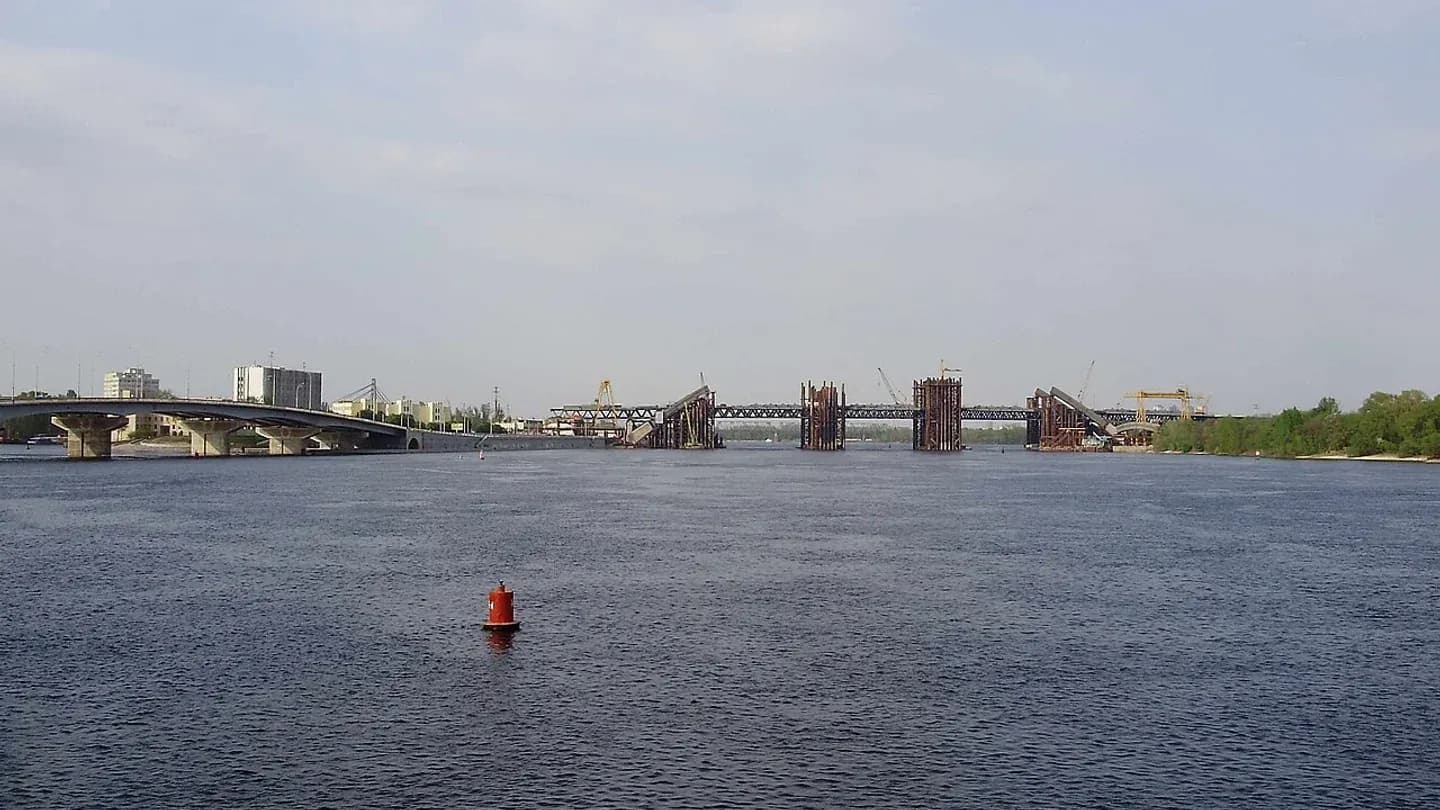
The Energy Ministry concedes that a return to predictable outage schedules will come only after the system stabilises, and no one says how long stabilisation will take after the hit on the Western Ukrainian substation. For Kyiv that means weeks of restricted crossings over the Dnipro and trolleybuses dependent on grid voltage; for the western oblasts, the first emergency outages of this autumn instead of hourly schedules. For the government, it means a question that still has no public answer: who is responsible for protective structures that were being finished on the eve of the attack rather than before the heating season began.
Primary sources
Documents and statements this story is based on.
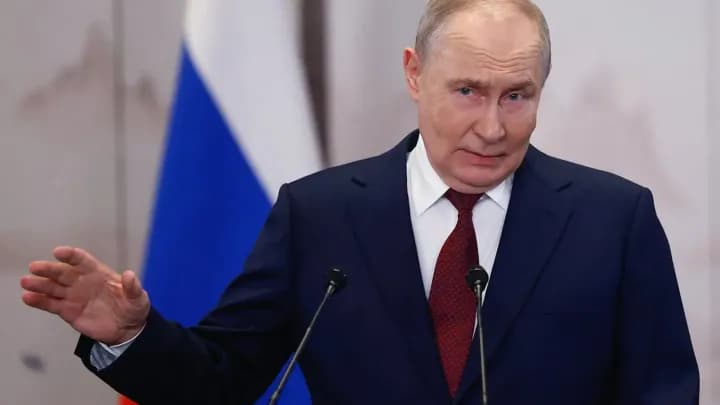
Putin rules out ceasefire talks after third strike of the week on the Crimean Bridge, vows a “far more painful” response
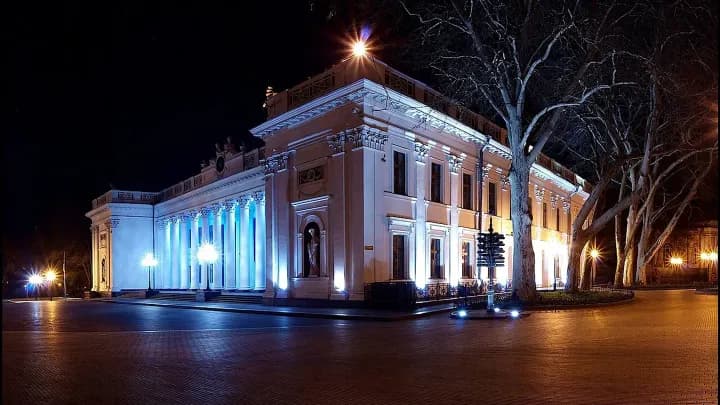
Three strikes on Odesa's historic centre in two hours: four dead, 19 November declared a day of mourning
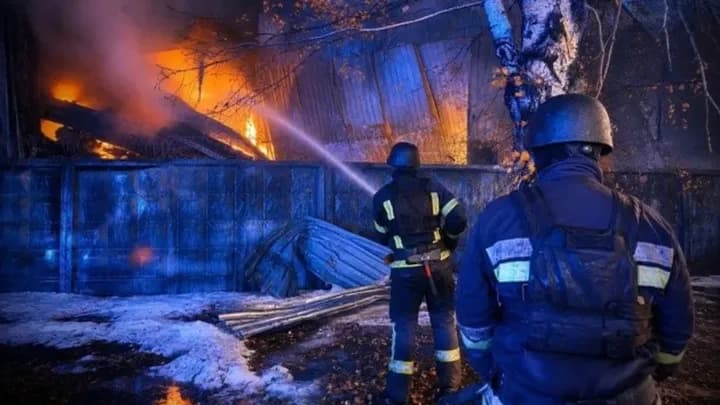
Workshops, equipment and stock burned down: “Korolivskyi Smak” halts production entirely after the strike on Vlasivka
Shahed drones hit residential Zaporizhzhia: three wounded, Red Cross vehicle damaged