
Shahed drones hit residential Zaporizhzhia: three wounded, Red Cross vehicle damaged
Drones hit the residential streets of the Oleksandrivskyi district, and two houses caught fire. The same day, while responding to the aftermath of the strikes, a Ukrainian Red Cross vehicle was damaged — the second such incident in the region in a matter of months.
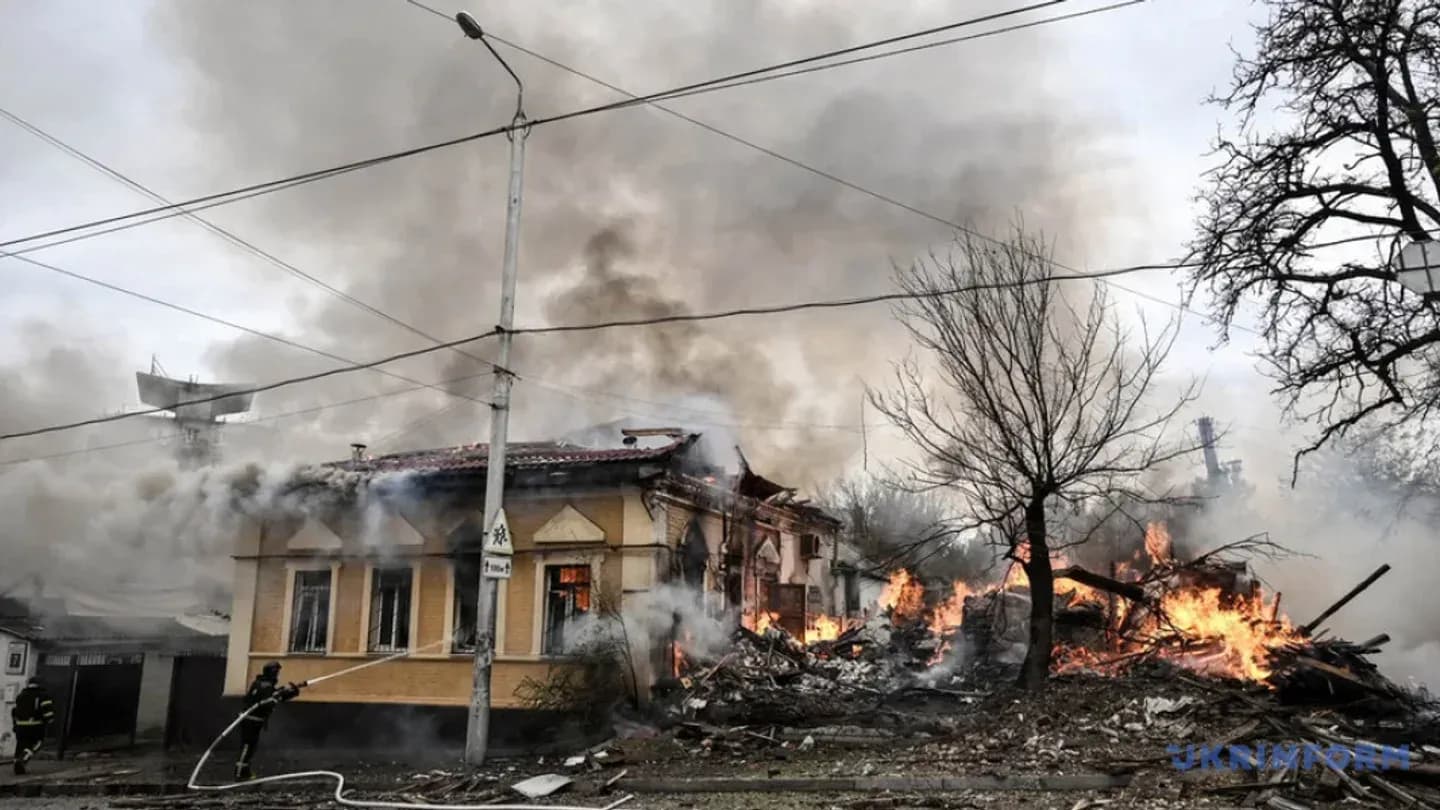
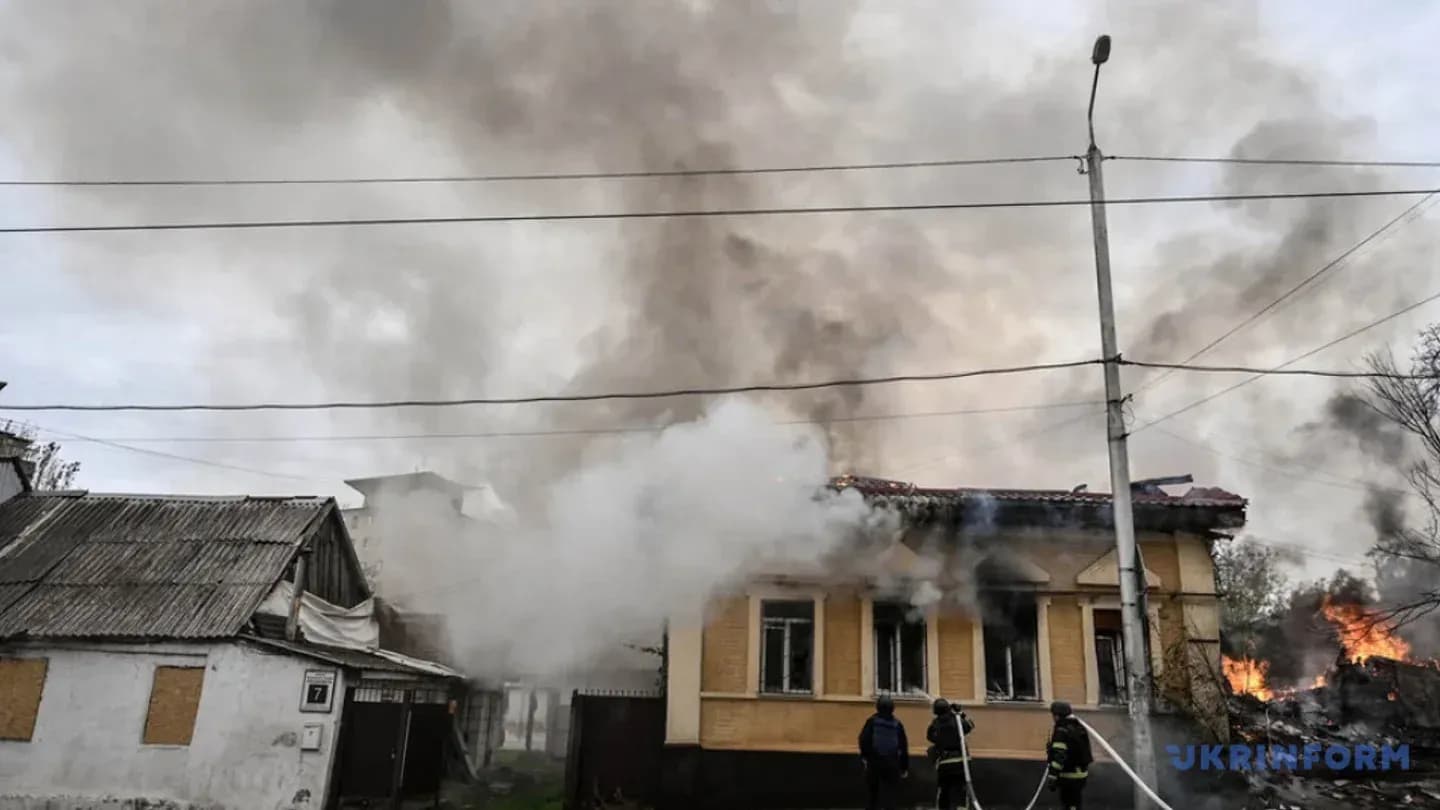
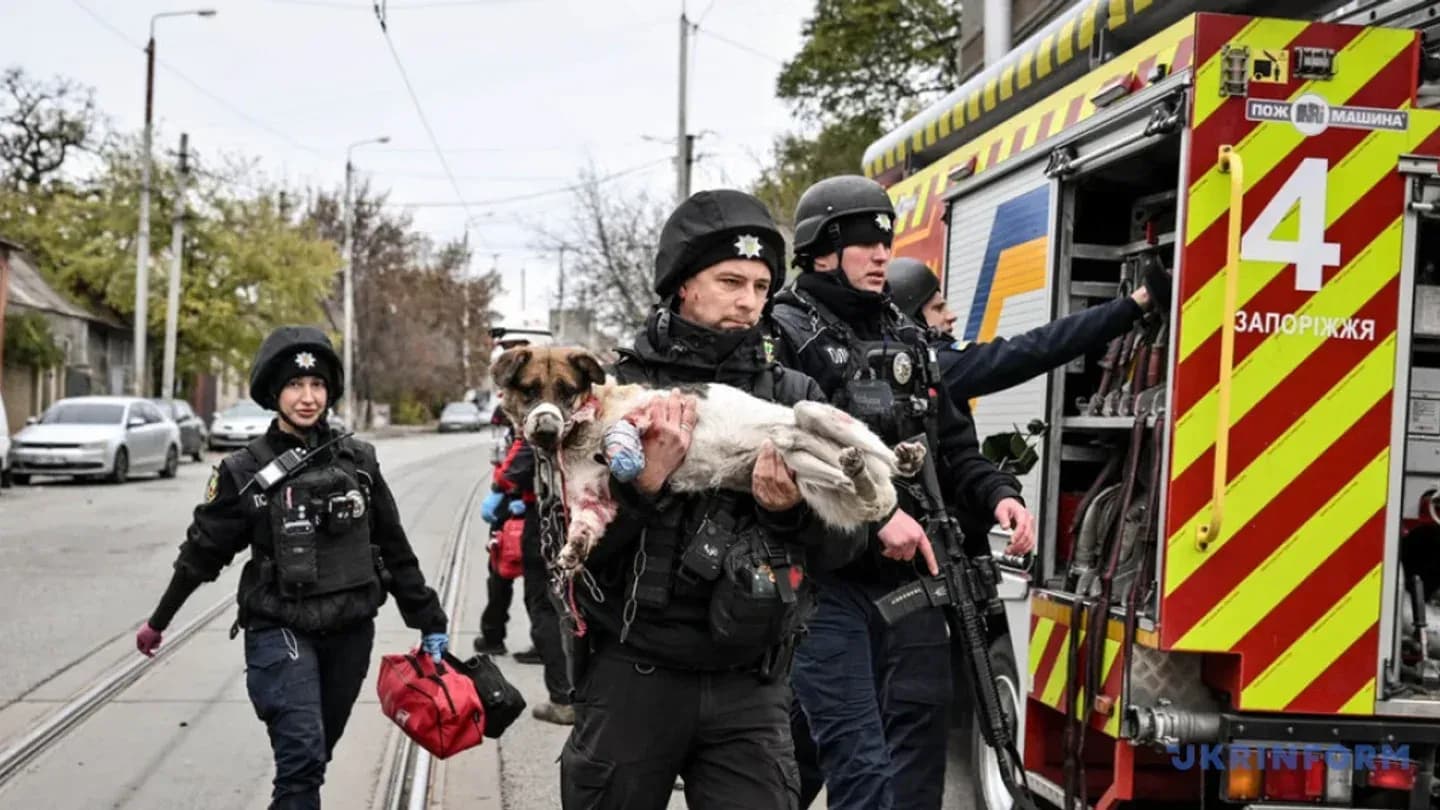
On the morning of November 10, Russian attack drones hit the residential streets of Zaporizhzhia's Oleksandrivskyi district. District head Oleksandr Pshenychny reported two Shahed strikes; according to preliminary reports, two private houses were on fire. All relevant services were working at the scene.
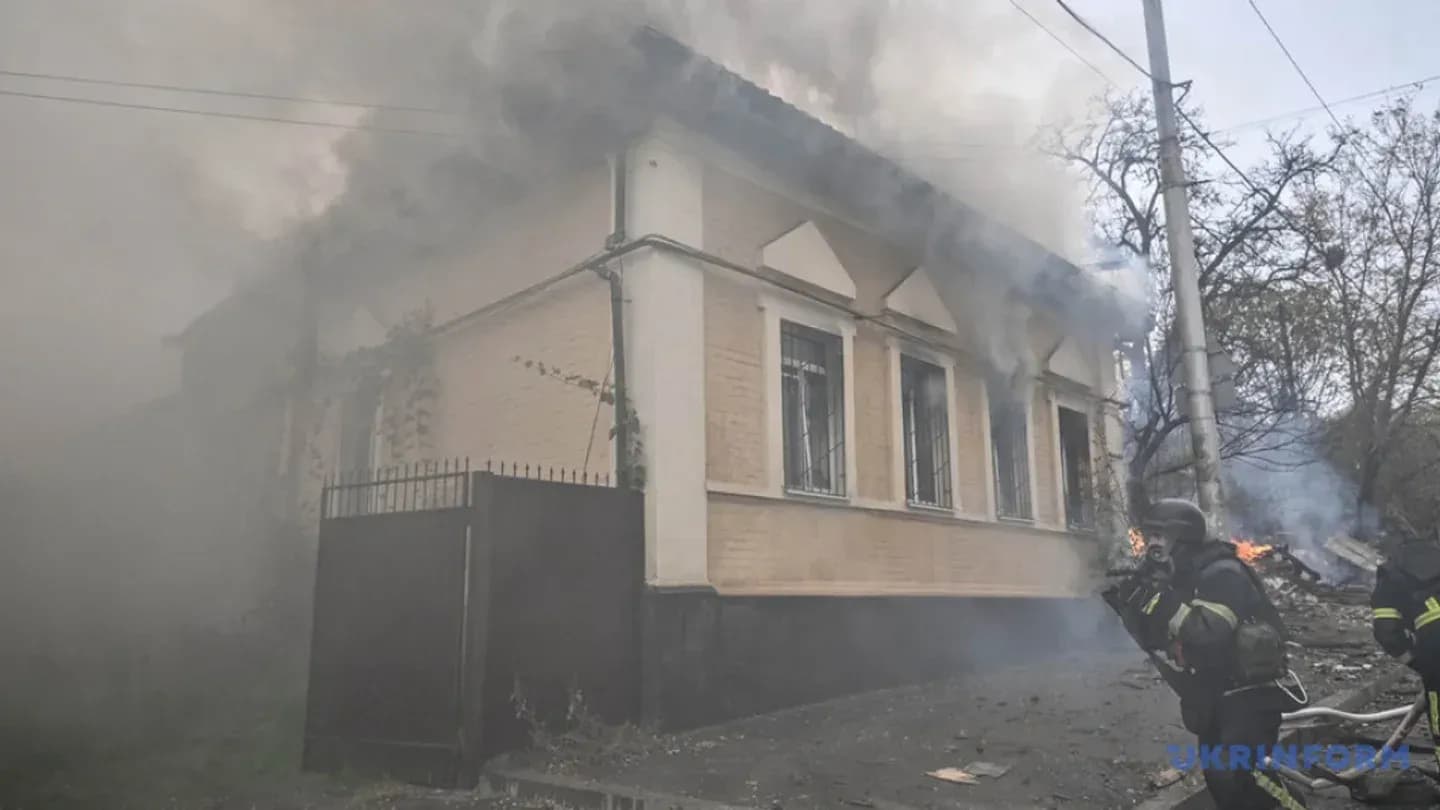
Reports of the wounded came in through the day. At around 10:40, Mykhailo Semikin, acting head of the Zaporizhzhia regional military administration, wrote about a 57-year-old woman being taken to hospital. Around midday he added that the number of wounded had risen to three — a 42-year-old woman and a 42-year-old man were also hurt, and all were receiving medical care. Minutes later, the administration reported another strike on an apartment building: a woman who was at home suffered shrapnel wounds to her left arm, and no fire broke out.
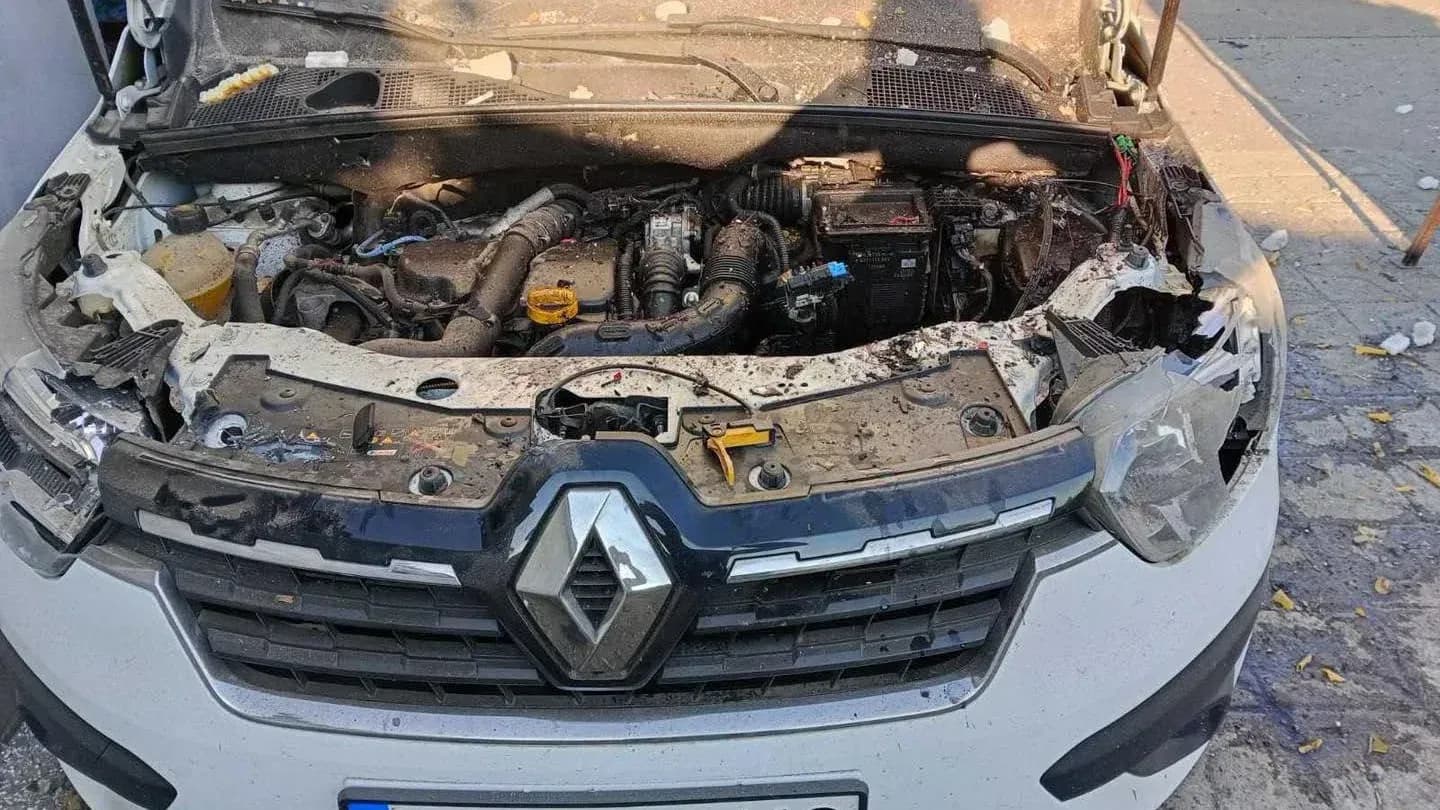
The same day, the Ukrainian Red Cross Society reported that its vehicle had been damaged in Zaporizhzhia while on a mission to respond to the aftermath of the strikes. Staff and volunteers were unharmed. The organization did not specify whether the vehicle was hit directly or damaged by shrapnel.
For Zaporizhzhia region, this is the second such incident in a matter of months. On August 3, in the village of Novomykolaivka, a guided bomb strike damaged the service vehicle of a Red Cross mobile medical brigade serving residents of remote communities. The organization said at the time: "We strongly condemn attacks on civilian infrastructure and humanitarian resources. Such actions create additional obstacles to helping people who need it" — and stressed that the mobile brigades kept going out despite the shelling.
The city strike came against the backdrop of an extremely dense volume of fire across the region. Ivan Fedorov, co-chair of the Zaporizhzhia Defense Council, reported 883 strikes on 48 settlements in a single day: 19 air strikes, 664 drones of various types, mostly FPV, nine MLRS attacks and 191 artillery strikes. There were 159 reports of damage to infrastructure, housing and cars. About a million people live in the Ukrainian-controlled part of the region, more than 230 thousand of them registered as internally displaced persons.
The risk to those who respond to the aftermath is not a hypothesis in this region. On November 2, a double strike on Komyshuvakha — where an underground shelter housed a humanitarian aid distribution point — killed at least 55 people: 55 bodies have been recovered and up to 19 more may still lie under the rubble. Six rescuers and police officers who were at the scene were killed, along with two more police officers killed in a drone attack. An investigation by the American television network CNN, released by Ukraine's Ministry of Internal Affairs, points to a "double tap" tactic: the repeat attack came after rescuers arrived, and a FAB-3000 bomb weighing about 2.7 tonnes was used against the underground facility.
On November 8, a Russian drone struck the same site in Komyshuvakha again — just as rescuers were working there: according to the State Emergency Service, specialized equipment was damaged and no one was hurt. President Volodymyr Zelensky called the strike against rescuers "absolute cynicism and brutality".
Accountability is moving slower than the facts. Ukraine's military intelligence (GUR) has identified those behind the Komyshuvakha strike: according to the intelligence service, it was planned by Colonel Fedir Zubakov, head of the fire damage group of the staff of the "Dnipro" grouping of forces; four Su-34 aircraft were involved, six pilots have been named, and one more crew is still being identified. As of the time of writing, no public procedural decision on the legal qualification of the November 10 strike on residential Zaporizhzhia or the damaged Red Cross vehicle had been announced.
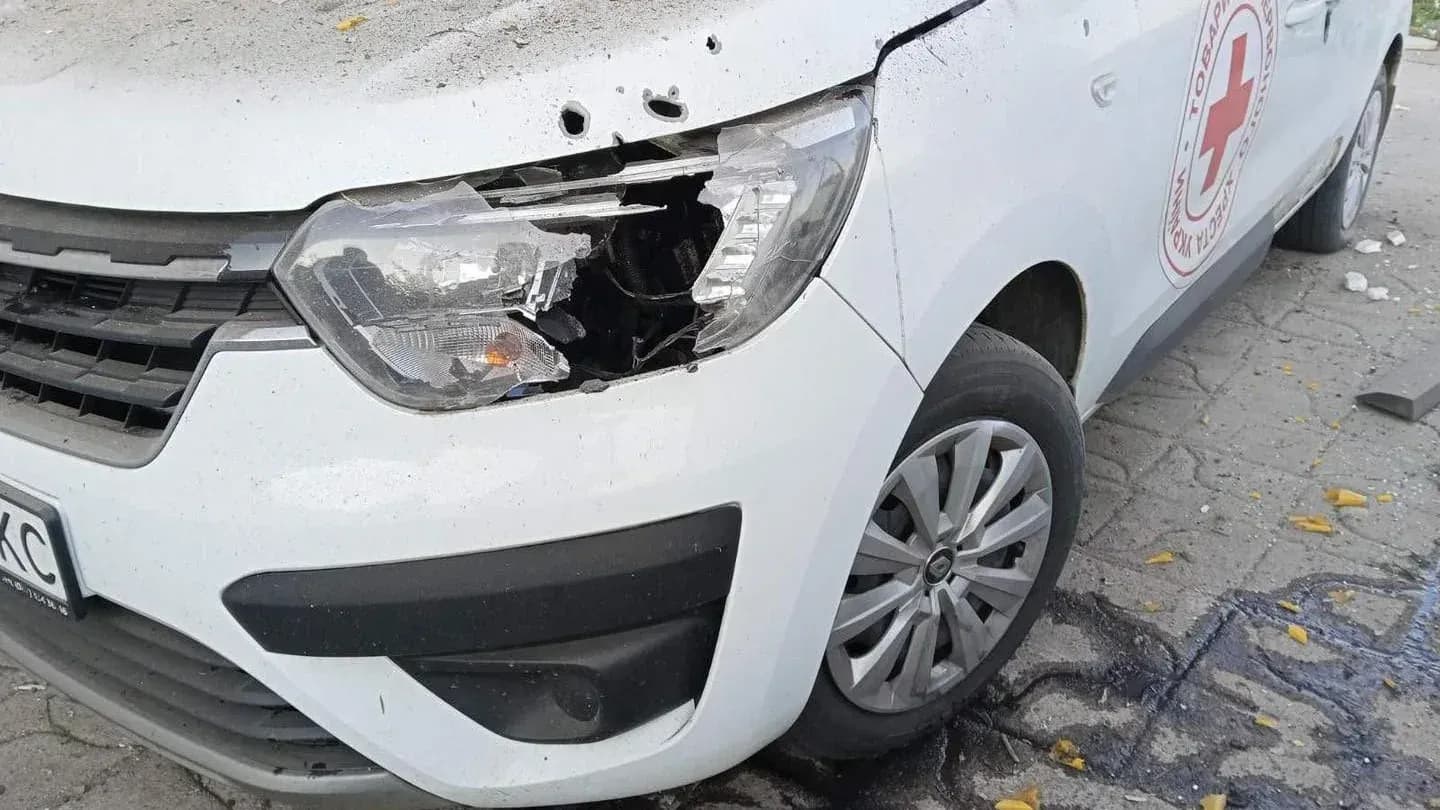
Under international humanitarian law, the Red Cross emblem means protection, not a target. The question for the authorities after November 10 is concrete: will the attack, which once again damaged humanitarian transport, be documented in a war crimes investigation — and what safety measures have been set out for the volunteers who drive out every day to where the Shaheds land.
Primary sources
Documents and statements this story is based on.
Nine years of work burned in one evening: Russian drone destroys Kremenchuk centre for children with disabilities
‘Lifeline for Putin’: US Senators Accuse Trump of Violating Law Over Russian Diesel Imports

Russia Plans Its Most Powerful Winter Blow Yet — Intercepted Plans Show Aim to Cut Ukrainian Cities from Power, Heat and Water
The Day Diplomacy Was Proposed, a Russian Drone Killed a 14-Year-Old Boy in His Kyiv Apartment