Nine years of work burned in one evening: Russian drone destroys Kremenchuk centre for children with disabilities
An evening strike on 8 November completely destroyed Kolibri, a centre for children with autism and disabilities that had worked for nine years. Residents' damaged flats will be compensated under a state programme, while rebuilding the centre once again depends on charity.
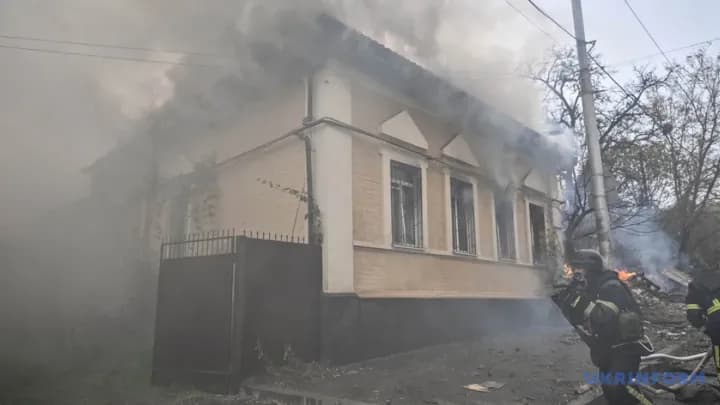
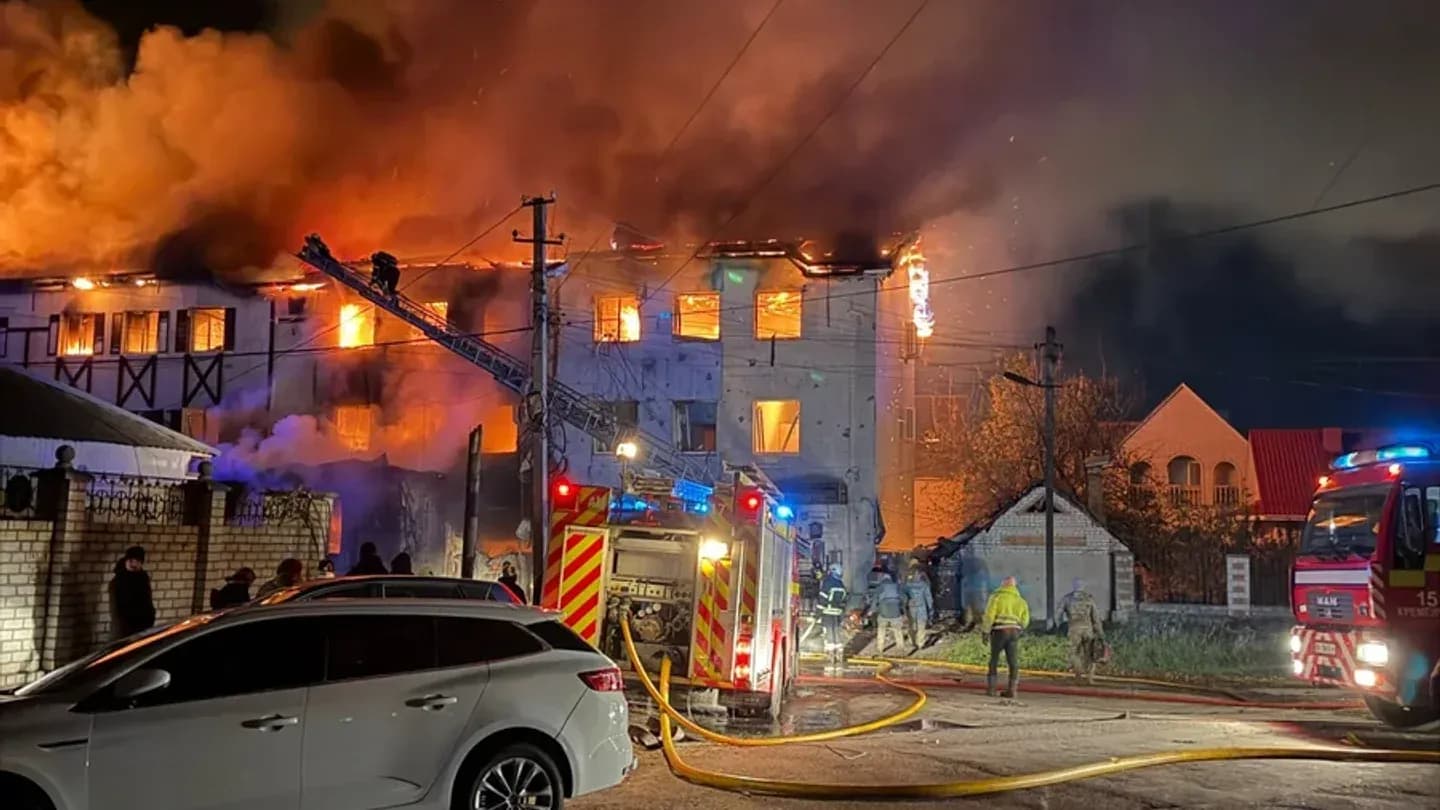
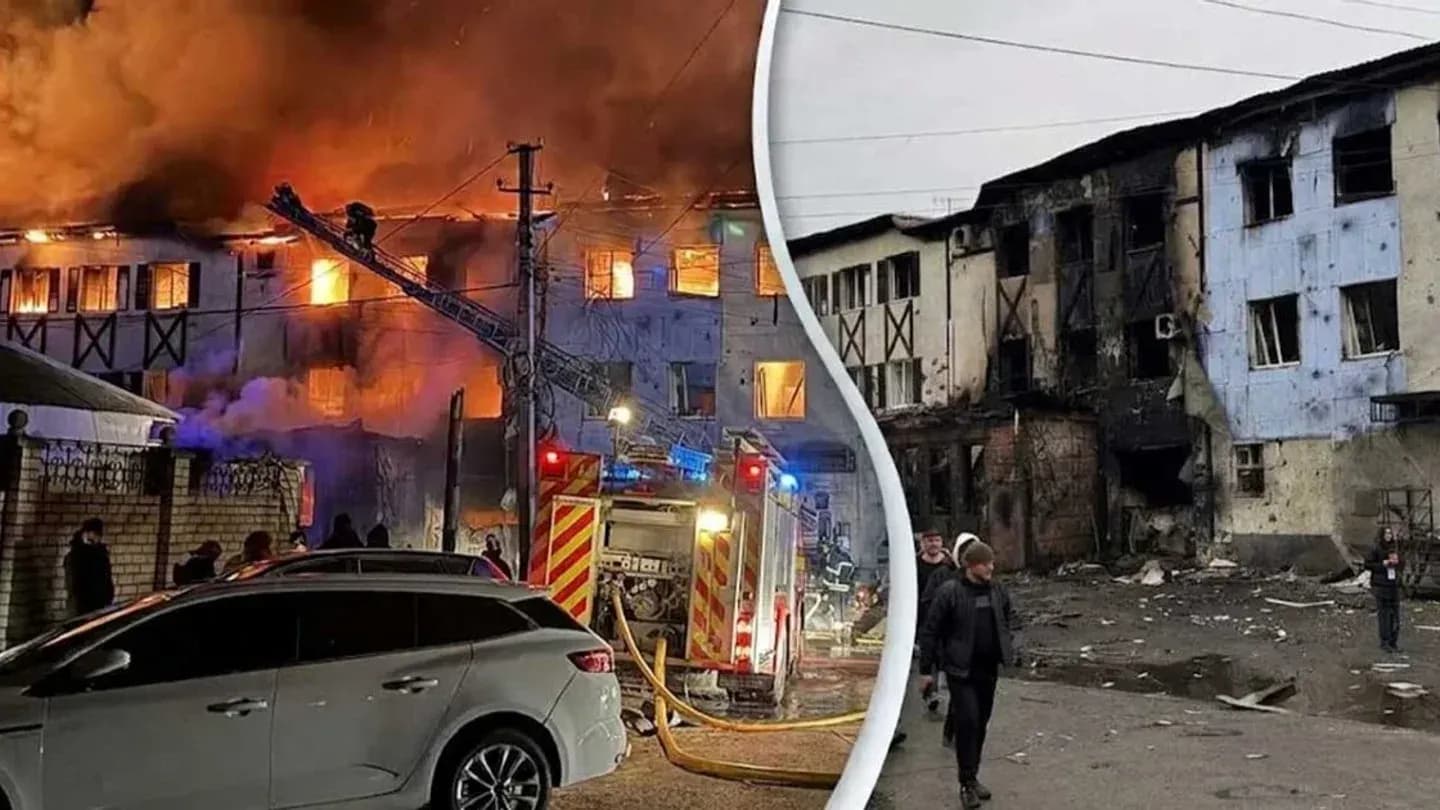
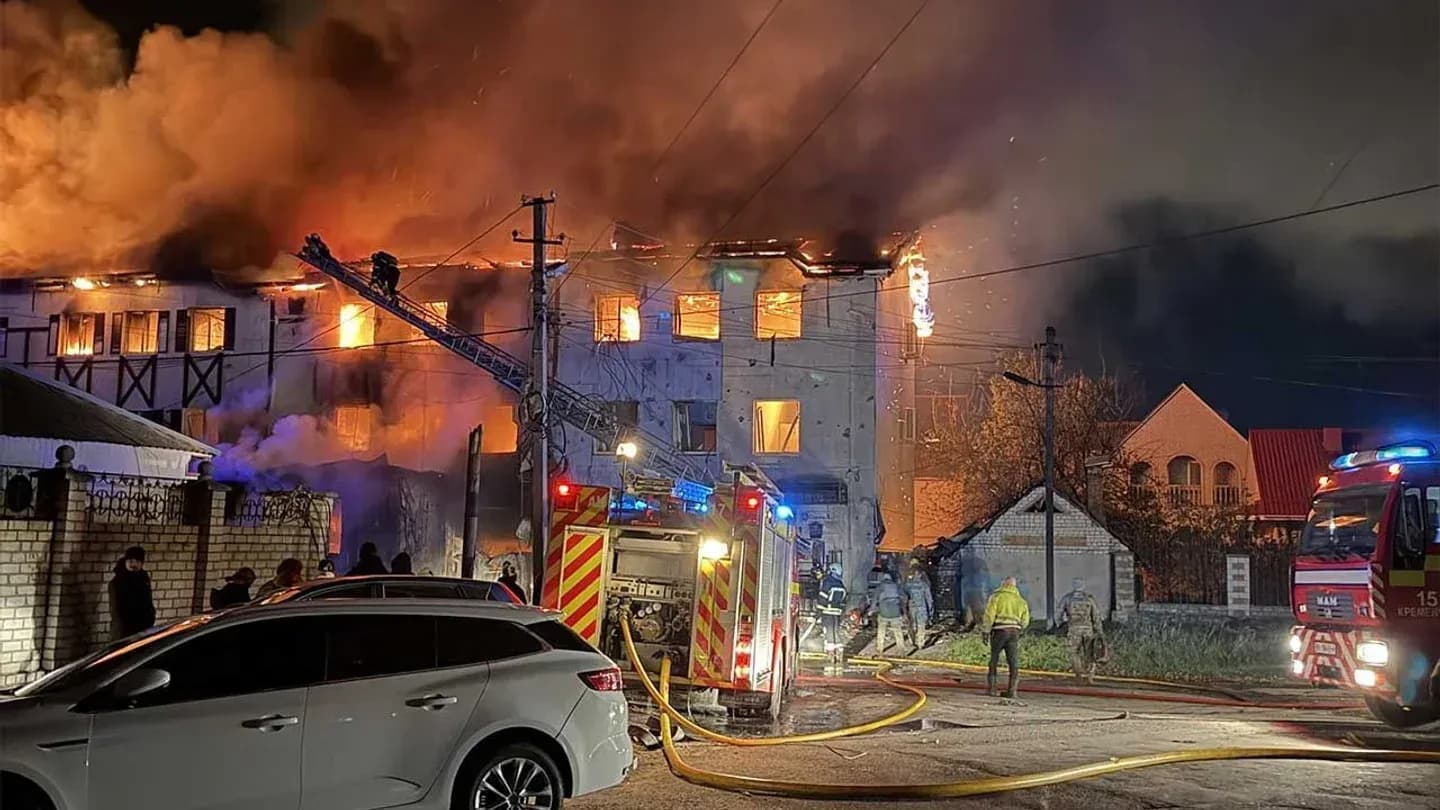
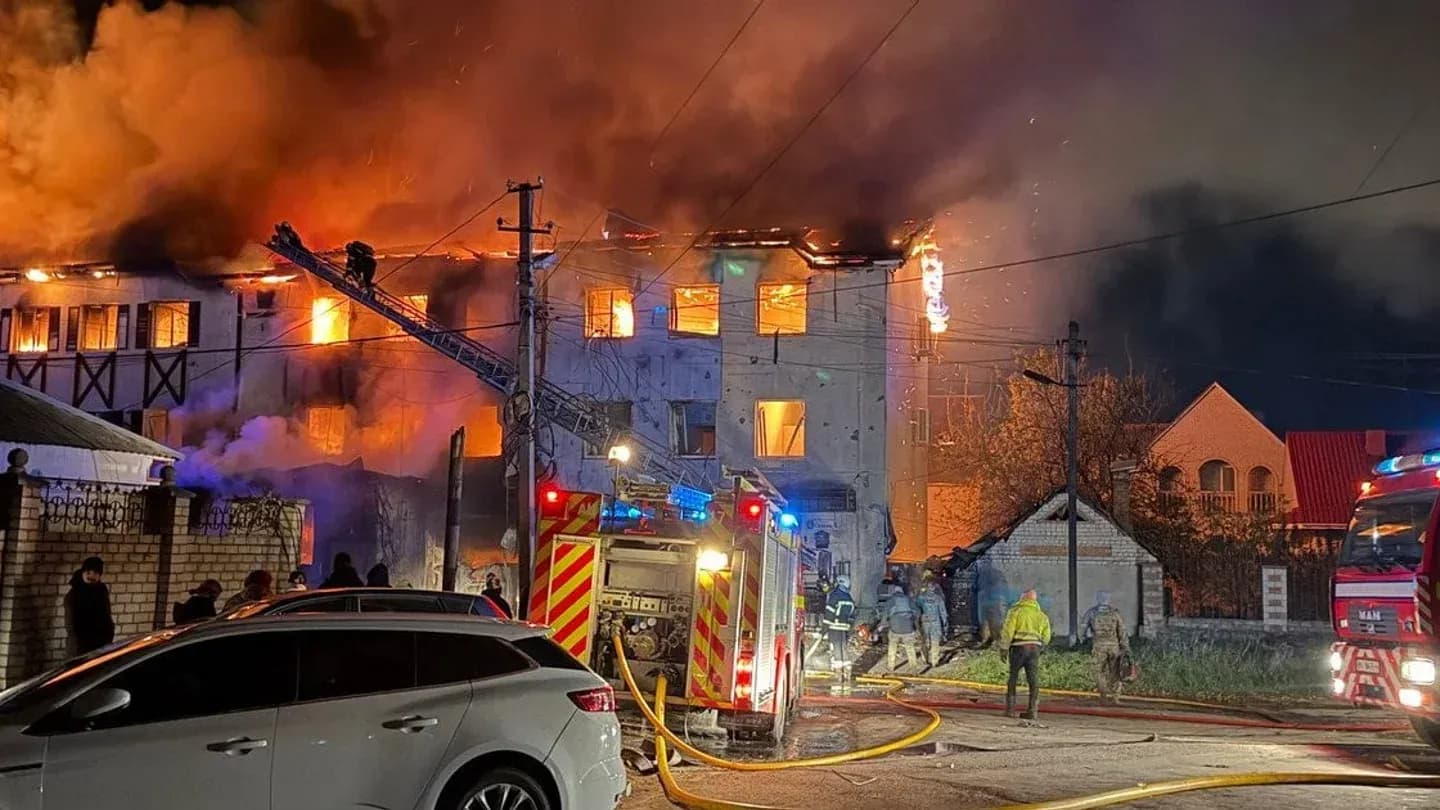
Around seven in the evening on 8 November, Russian strike drones reached Kremenchuk, a rear city in the Poltava region. One munition hit the three-storey section of a building where the specialised children's centre Kolibri had worked for nine years. The direct hit and the fire destroyed classrooms, correction rooms, teaching materials and specialised rehabilitation equipment; three residential flats were damaged.
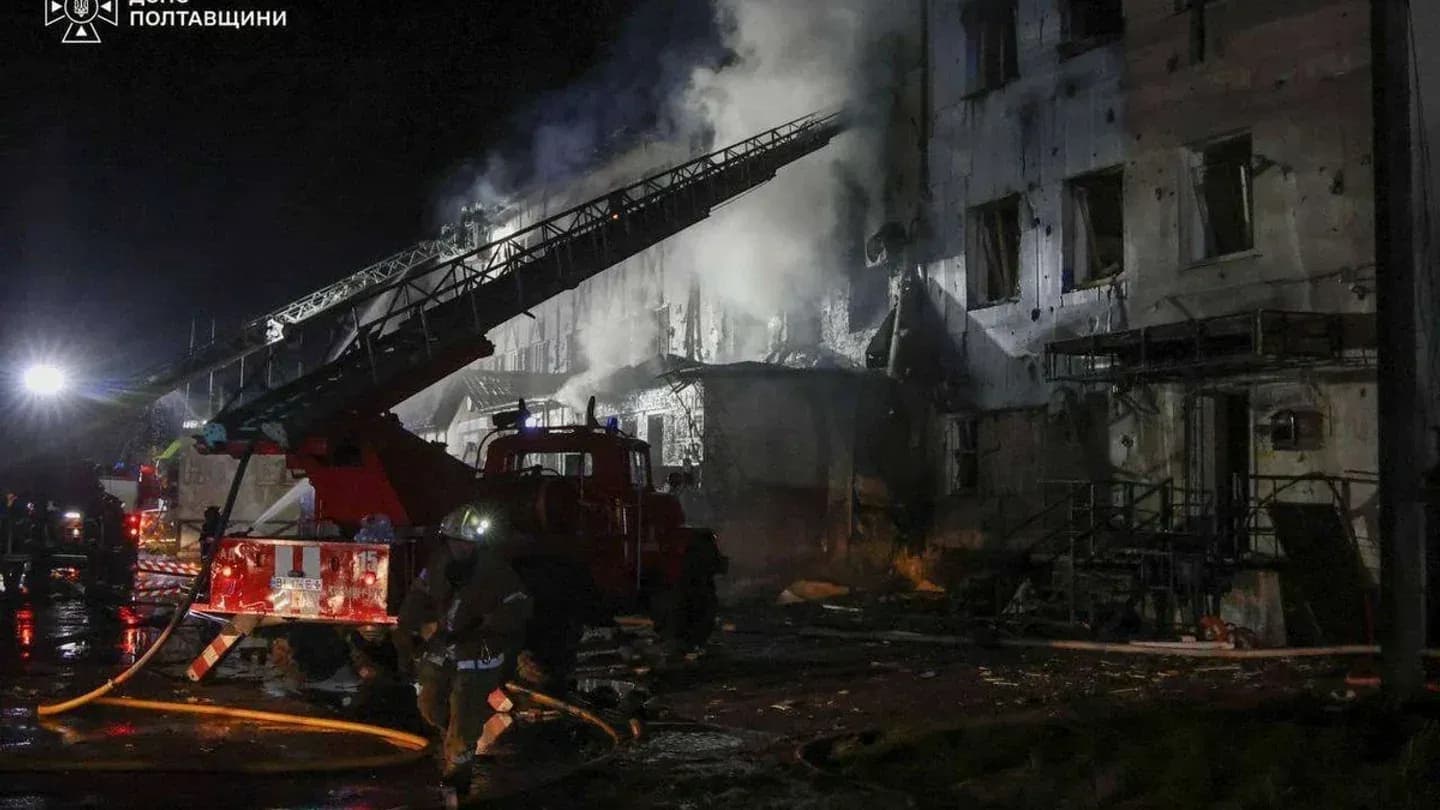
According to the Poltava regional prosecutor's office, small-sized Banderol cruise missiles struck an apartment block and the children's centre; in Kremenchuk district, Geran-4 drones damaged an enterprise boiler house and a private home. Seven people were wounded that evening. A 16-year-old boy was in a flat next to the blast epicentre: with burns, he is in hospital in serious condition, and his mother was admitted to cardiology. State Emergency Service rescuers led 15 residents out of dangerous areas.
What burned down with the building
Kolibri occupied three floors of a building that also contained residential flats and a hotel that had stood idle for years. On Sunday evening no one was inside. The fire started in the middle of the building, and the wind carried the flames to the floors where the centre's entire material and technical base was kept, said the centre's head, Anna Andriienko. Entering the building is now unsafe because of the risk of collapse.
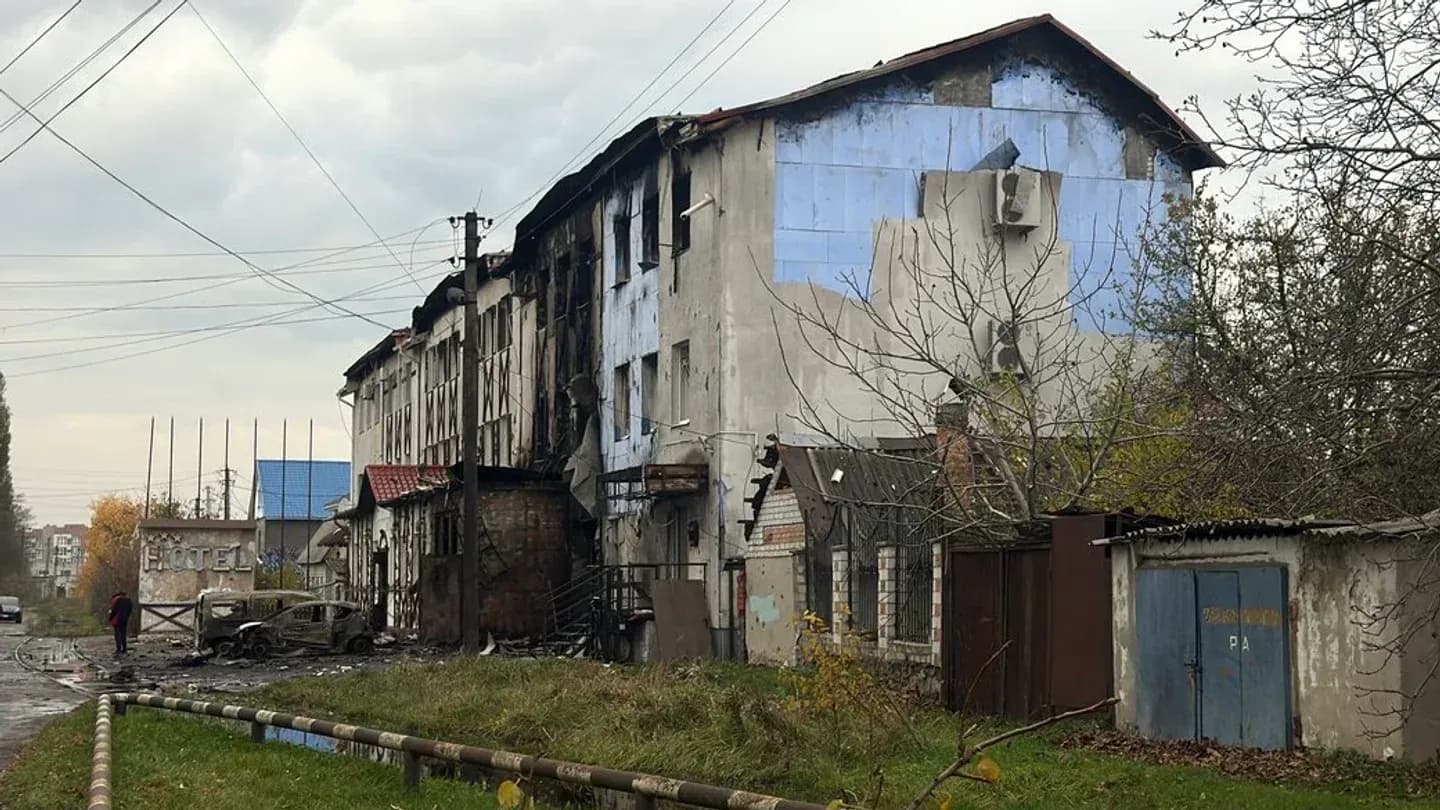
For nine years the centre worked with children with autism spectrum disorders and disabilities: early intervention for the youngest, correction sessions, a kindergarten group and a resource class preparing children for school. Up to fifty pupils, around twenty specialists — half of them internally displaced persons. A day before the strike, staff were laying new floor covering for children's sessions and waiting for funding. "Nine years of work. Everything burned down… There were NO military there," Andriienko wrote.
A locked shelter and open accounts
When the threat of a repeat strike was announced after the explosion, people ran to the shelter at the polyclinic — and found it locked. Residents of the damaged building had to hide in a basement in a neighbouring yard. The blast wave that evening also damaged the polyclinic and a kindergarten: 15 windows and two doors were smashed at the preschool, and the children were moved to remote learning.
The authorities then acted by the familiar script. The wounded are promised financial aid from the community budget for treatment and rehabilitation, the city will repair the shared spaces of the buildings at its own expense, and flat owners will receive monetary compensation through the eVidnovlennia programme. No such programme exists for the centre itself: the team has already found new premises — a kindergarten building in need of repair — but all the specialised equipment must be bought from scratch. As early as 9 November, the founder opened a charity collection.
The only institutional route for a public organisation is the International Register of Damage, which since August 2026 has been accepting claims from legal entities, including public organisations, for damaged or destroyed real property. But the register only records losses: the size and procedure of payments will be decided by a compensation commission that does not yet exist. So in the coming months, classes for the fifty children will most likely be rebuilt with donors' money.
Russia has struck facilities for children with disabilities before: in January 2023, a rehabilitation centre for children with disabilities in Kherson came under shelling. The question after 8 November remains the same: why, in the fifth year of the full-scale war, do small cruise missiles freely reach rear cities, and why does the state have a mechanism to compensate flats but none to give children with autism their centre back. While there is no answer, Kolibri is being rebuilt through online charity jars.
Primary sources
Documents and statements this story is based on.