Three strikes on Odesa's historic centre in two hours: four dead, 19 November declared a day of mourning
The morning of 18 November brought Odesa three strikes on its historic centre within two hours: four dead, nine wounded, fire in an administrative building and a damaged Museum of Modern Art. On 19 November the city observes a day of mourning — and meets it with scheduled power cuts.
The morning of 18 November in Odesa began at 10:07 with an explosion on Yevropeiska Street and ended at 12:09 with a third strike on the historic centre. Between those two points — two hours, four dead, nine wounded, a fire in an administrative building, and a damaged gymnasium, tram and Museum of Modern Art. On 19 November the city observes a day of mourning.
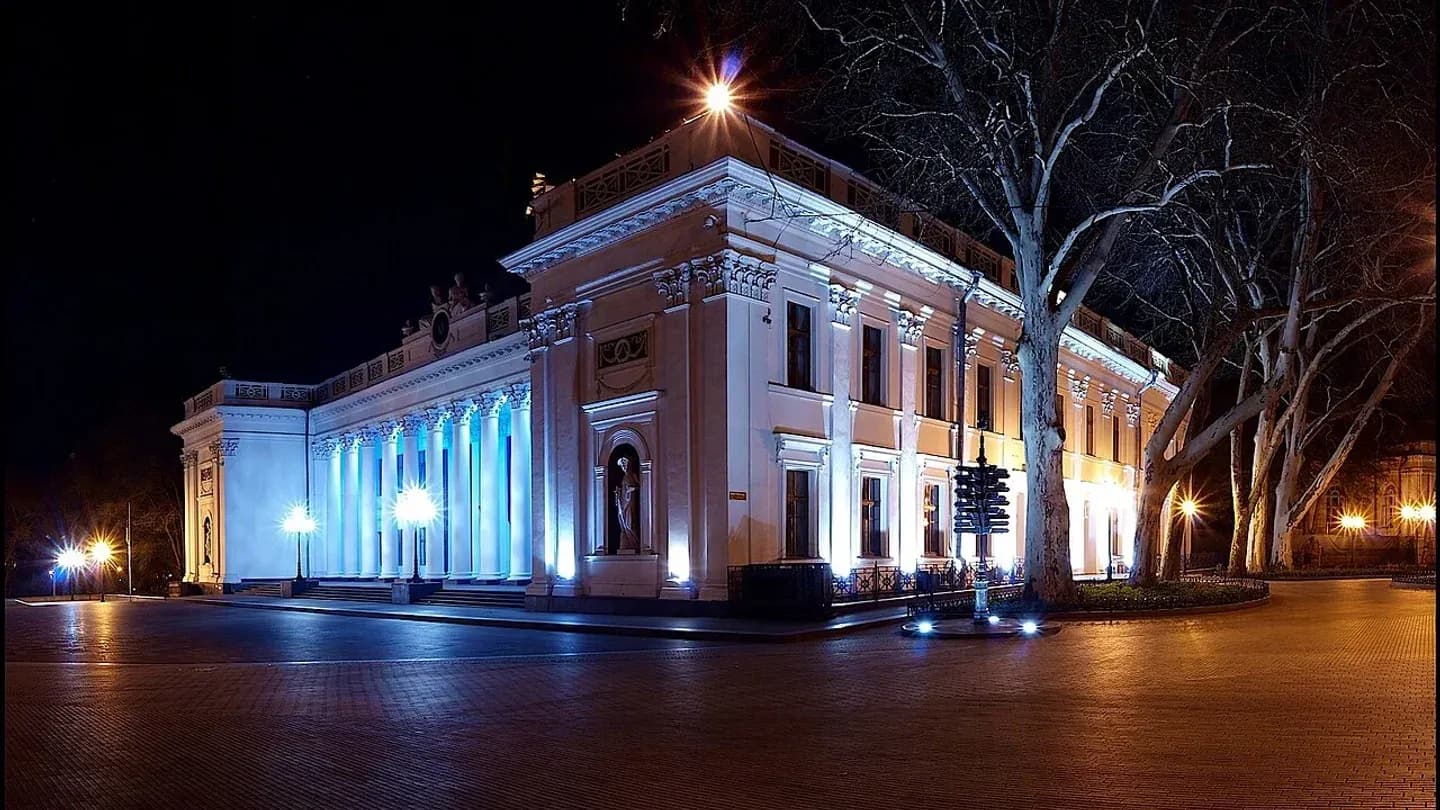
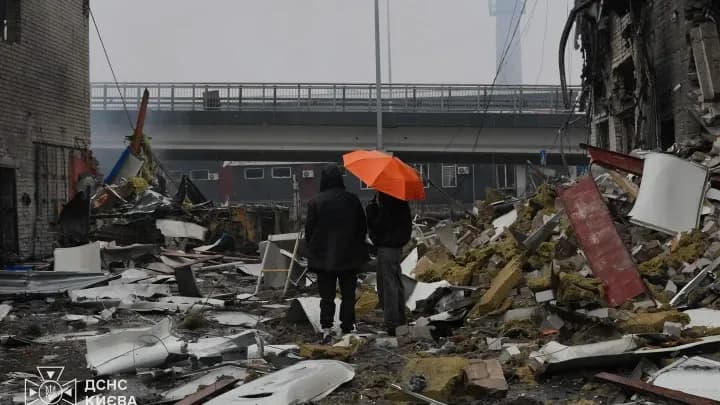
The first strike hit Yevropeiska Street — the central part of the city inside the UNESCO protection zone. Three people were killed: two women, aged 19 and 40, and a 19-year-old man. Six people were wounded, said Oleh Kiper, head of the Odesa Regional Military Administration. The blast wave blew out more than a hundred windows in at least seven residential buildings and damaged shops, cafés, office space and six passenger cars; one car caught fire. While inspecting the damaged building, rescuers found three people locked inside their flats: they opened the doors, led the residents out and handed them over to medics.
Among the dead is Khrystyna Lysenko, coordinator and producer at the Odesa TV channel Pershyi Miskyi. According to her colleagues, she was killed during the first morning strike while walking to work along Yevropeiska Street: she had three blocks left to reach the office.
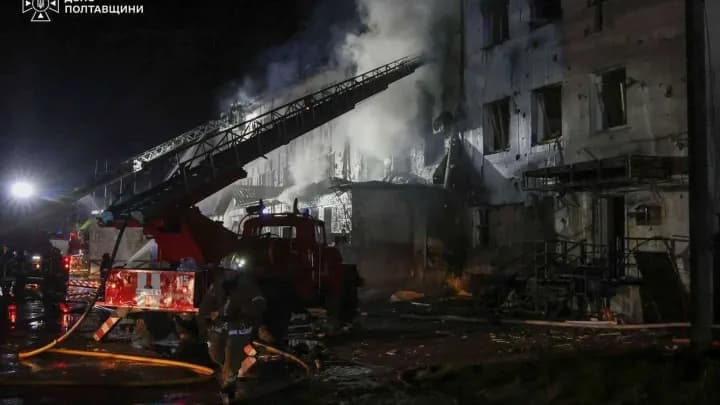
The second explosion, at 10:59, set alight the roof and mansard floor of a two-storey administrative building not far from the first location. A woman was wounded and taken to hospital, said Maryna Averina, spokesperson for the Odesa region's main department of the State Emergency Service. Debris and the blast wave reached neighbouring houses, an educational institution and a tram: several windows were blown out of the carriage, but no passengers were hurt, noted Oleksandr Filatov, first deputy mayor of Odesa. More than 50 firefighters were deployed to extinguish all the fires.
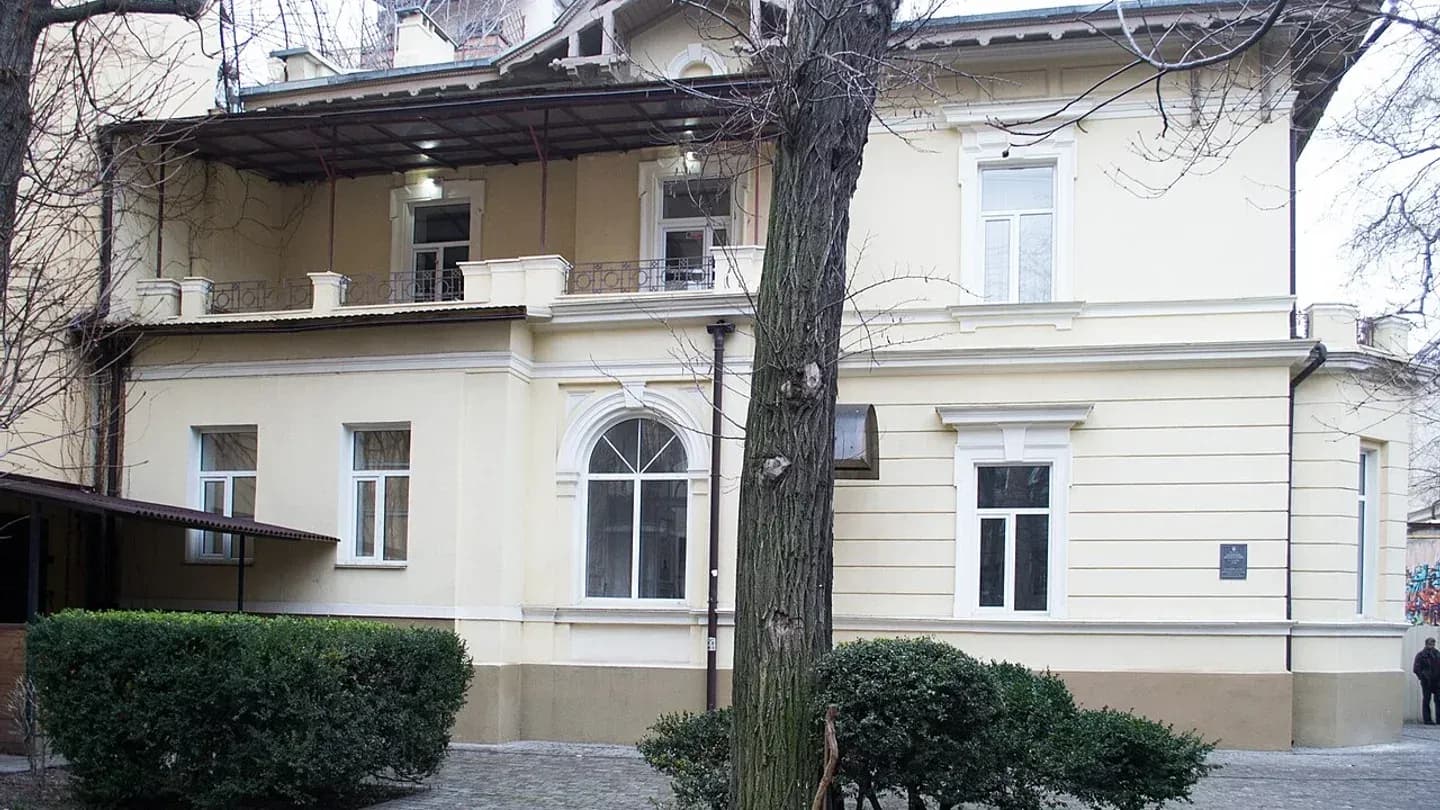
The third strike, at 12:09, again hit the historic centre: one person was killed and two were wounded. In total, according to the Odesa Regional Military Administration, four people died and nine were injured in the three attacks.
Repeat strikes on those who were rescuing
President Volodymyr Zelensky said the drones delivered repeat strikes when rescuers and police officers were already working at the sites of the first hits. "A brutal and deliberate strike simply at people, at life. And yet more proof of what Russians actually want and how they actually regard diplomatic efforts," he wrote, promising new decisions to protect the country, additional aid packages and joint diplomatic steps with partners. On the evening of 18 November Zelensky also announced a meeting of the "coalition of the willing" the next day and the preparation of new support packages for Ukraine — "for our defence above all, for our energy system".
The Odesa regional prosecutor's office opened a pre-trial investigation under Article 438(2) of the Criminal Code — violation of the laws and customs of war that caused death. According to investigators' data on the first two attacks, a three-storey building with office space, a residential house, shops and six passenger cars were damaged, and windows were blown out in four more neighbouring buildings. Seven wounded — four women and three men — were hospitalised in moderate condition. The investigation is being conducted by investigators of the Security Service of Ukraine in the Odesa region under the procedural supervision of the prosecutor's office.
The museum that protective film saved
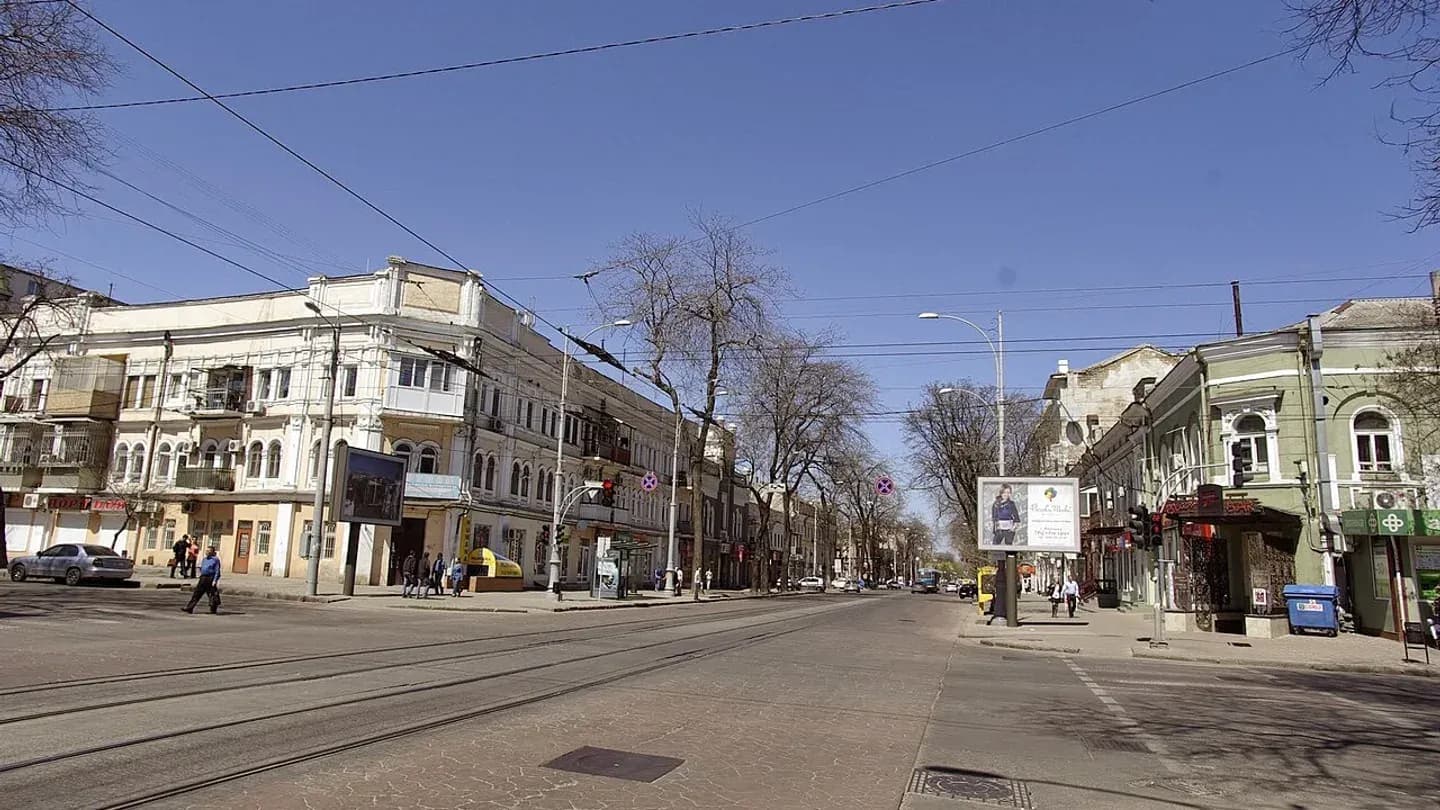
The blast wave also reached the Odesa Museum of Modern Art: seven large façade display windows and eight windows were blown out. The drone exploded in a tree, so no crater formed, but the glass held only thanks to protective film — it was the film, according to museum director Semyon Kantor, that stopped shards from injuring staff who were already inside. One person suffered psychological shock. The exhibits were not damaged, although many fell from their mounts; only a small hole punched by a shard remained in the hall. Restoration work is planned to begin on 19 November, and Kantor hopes the museum can reopen in two or three days. The exact amount of damage has not yet been determined, but the damaged window structures, he says, are expensive.
A day of mourning against the backdrop of a blacked-out south
The order on the day of mourning was signed on 18 November by Ihor Koval, secretary of the Odesa City Council and acting mayor. On Thursday, the State Flag of Ukraine and the flag of Odesa with mourning ribbons will be flown at half-mast on the buildings of the city council's executive bodies, municipal enterprises, institutions and organisations; district administrations received the same instruction for public buildings. Enterprises, institutions and organisations of all forms of ownership are advised to limit the use of music and the holding of entertainment events.
On the night of 18 November, according to the Air Force summary, Russia launched 141 drones at Ukraine, 73 of them jet-powered; 126 targets were shot down or suppressed, including 59 jet drones. During the day, warnings about jet drones over the Odesa region ended three times in hits on the city. That same evening a strike hit energy facilities in the south of the region: power outages were recorded in parts of the Bolhrad and Bilhorod-Dnistrovskyi districts. And already on 19 November, from 08:00 to 18:00, emergency repairs of the grids are scheduled in parts of the Kyivskyi and Prymorskyi districts of Odesa — there will be no electricity there either.
Odesa, whose historic centre is under UNESCO protection, took three strikes in a single morning on residential blocks, a museum, a gymnasium and a tram — despite the overnight summary of 126 neutralised drones. There is no public data on interceptions over the city itself during daytime hours: three warnings about jet targets ended in three hits on the centre. The question of why the south remains permeable to jet drones, and what the promised packages of air-defence and energy support will actually change, stands after 18 November as sharply as after previous attacks — only now with four dead and nine wounded in the official summary.
On 19 November Odesa meets the day with flags at half-mast and silence in venues — and at the same time with grid repairs that will leave part of two districts without power on the very day of mourning. The Museum of Modern Art will begin restoring its display windows the same day, and SBU investigators will continue documenting the strikes for the Article 438(2) case: this is the only legal route by which the morning of 18 November may one day reach an international court.
Primary sources
Documents and statements this story is based on.