Russian missiles fell on Polish soil: Rzeszów-Jasionka control tower evacuated for the first time
During the overnight mass attack on Ukraine, two Russian missiles and, most likely, a jet drone fell on Polish territory tens of kilometres from the border. None of the objects was shot down; Donald Tusk said they came "from Russia", and the NATO Secretary General arrives in Warsaw on 21 November.
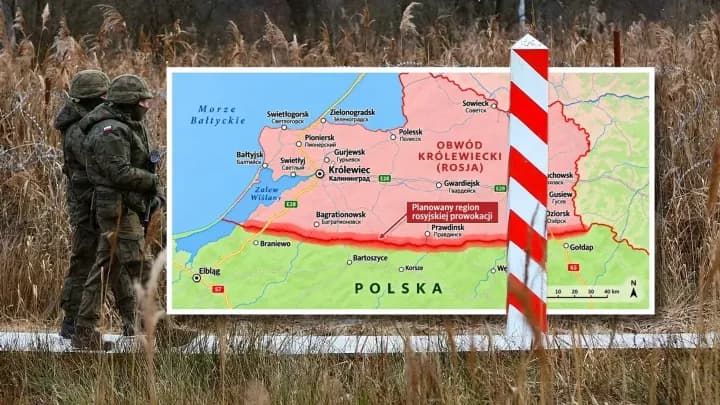
At dawn on 20 November Russia's strike on Ukraine physically touched Polish territory: during the overnight mass attack on Ukrainian cities, at least three Russian air-attack objects fell on Polish soil. A Kh-101 cruise missile landed in a field near the village of Nowy Lipowiec in Lublin Voivodeship, a few dozen kilometres from the border; another missile came down in wooded terrain near Rudnik nad Sanem; a third object, most likely a jet-powered drone, fell on unused fields near Mołodycz. Russian weapons had reached Polish territory before: a Kh-101 fell on Poland in July. Deputy Prime Minister and Defence Minister Władysław Kosiniak-Kamysz called the night of 20 November one of the largest Russian attacks affecting Poland since the start of the full-scale war.
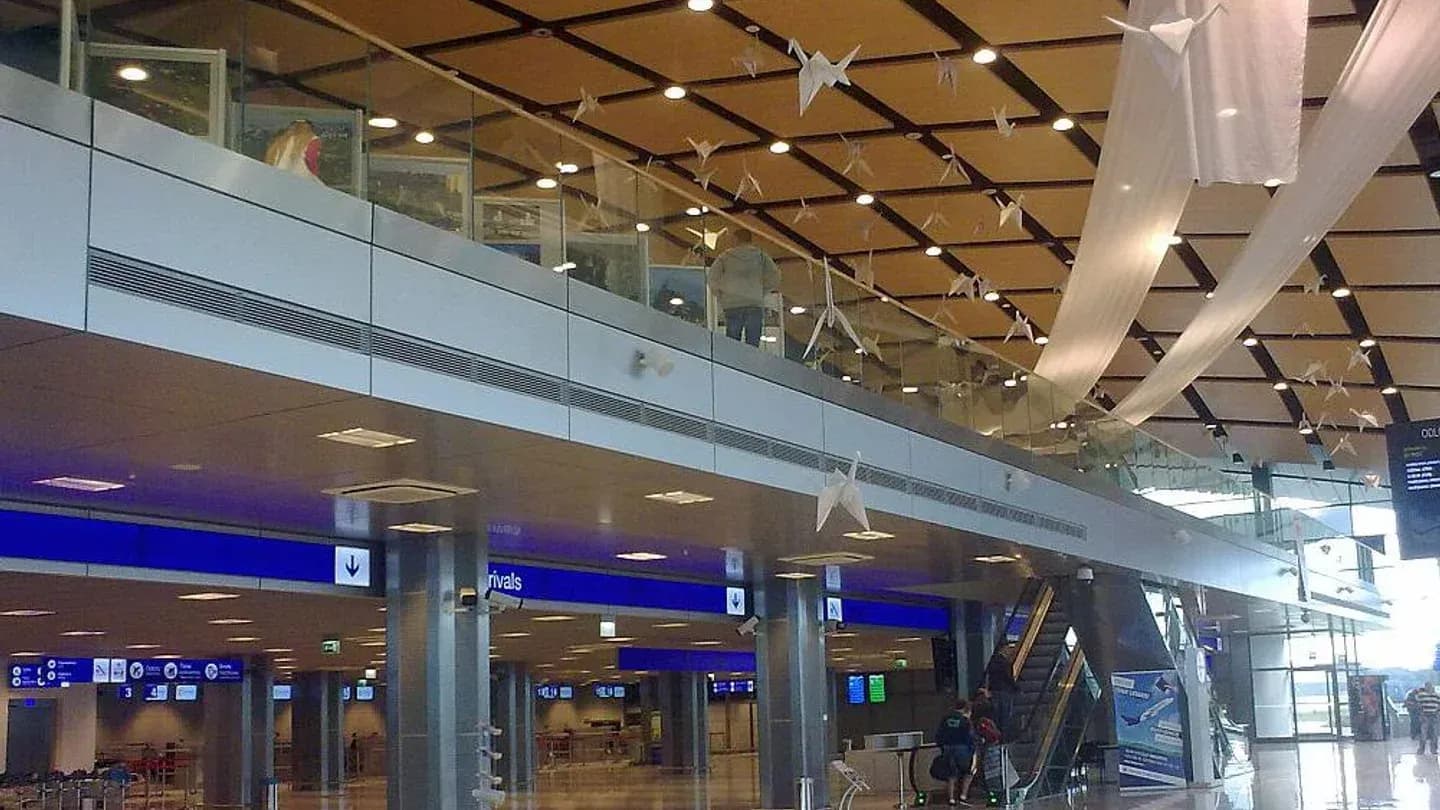
The control tower of Rzeszów-Jasionka airport — the main air hub for assistance to Ukraine — was evacuated for the first time: nine people, six of them operational staff, waited out the alert in a makeshift shelter. Rzeszów and Lublin airports suspended flights, and Subcarpathian railways halted train traffic across the entire voivodeship until 7:33, after the duty officer at Rudnik nad Sanem station heard an explosion near the tracks at 6:48. He found no visible damage to the railway infrastructure; the restriction remained on the Nisko–Rudnik nad Sanem–Łętownia section, where two inspection trolleys are checking whether the line is passable.
The night was brutal for Ukraine itself. According to the Ukrainian Air Force, Russia launched more than 80 missiles and 404 strike drones, 123 of them jet-powered; air defence destroyed 462 aerial targets. Ballistic missiles hit Kyiv and its bridges: the Podilsko-Voskresenskyi, Darnytskyi and Pivdennyi bridges were damaged and six people were killed in the capital; two more died in a strike on the Sknyliv railway station in Lviv. Across Ukraine, according to Prime Minister Serhiy Koretskyi as of the morning, eight people were killed and thirty wounded. Air Force spokesman Yurii Ihnat suggested that one cruise missile had crossed the state border — that was the episode being checked at the Polish frontier.
Two violations or three: the counting differs
At 7:07 the Polish Armed Forces Operational Command reported a suspected violation of Polish airspace by unidentified objects: radar records after 6:30 allowed for such an event, and the military was checking two incidents. National Security Bureau chief Bartosz Grodecki specified that two objects violated the airspace, at 6:29 and 6:34, one of them falling near Nowy Lipowiec about 50 km from the border. Command spokesman Lieutenant Colonel Jacek Goryszewski cited a different distance — about 45 km — and said the object could have been either a Kh-101 cruise missile or a jet drone.
Operational commander General Ireneusz Nowak gave another figure: overnight, eleven objects directly threatened to intrude into Polish airspace and three of them violated it. Around midday Prime Minister Donald Tusk spoke of the same three Russian objects, adding that one of them exploded. The assessments therefore differ: the National Security Bureau counts two violations with exact times, while the operational command and the prime minister count three. The exact number and nature of the objects are being established by the investigation.
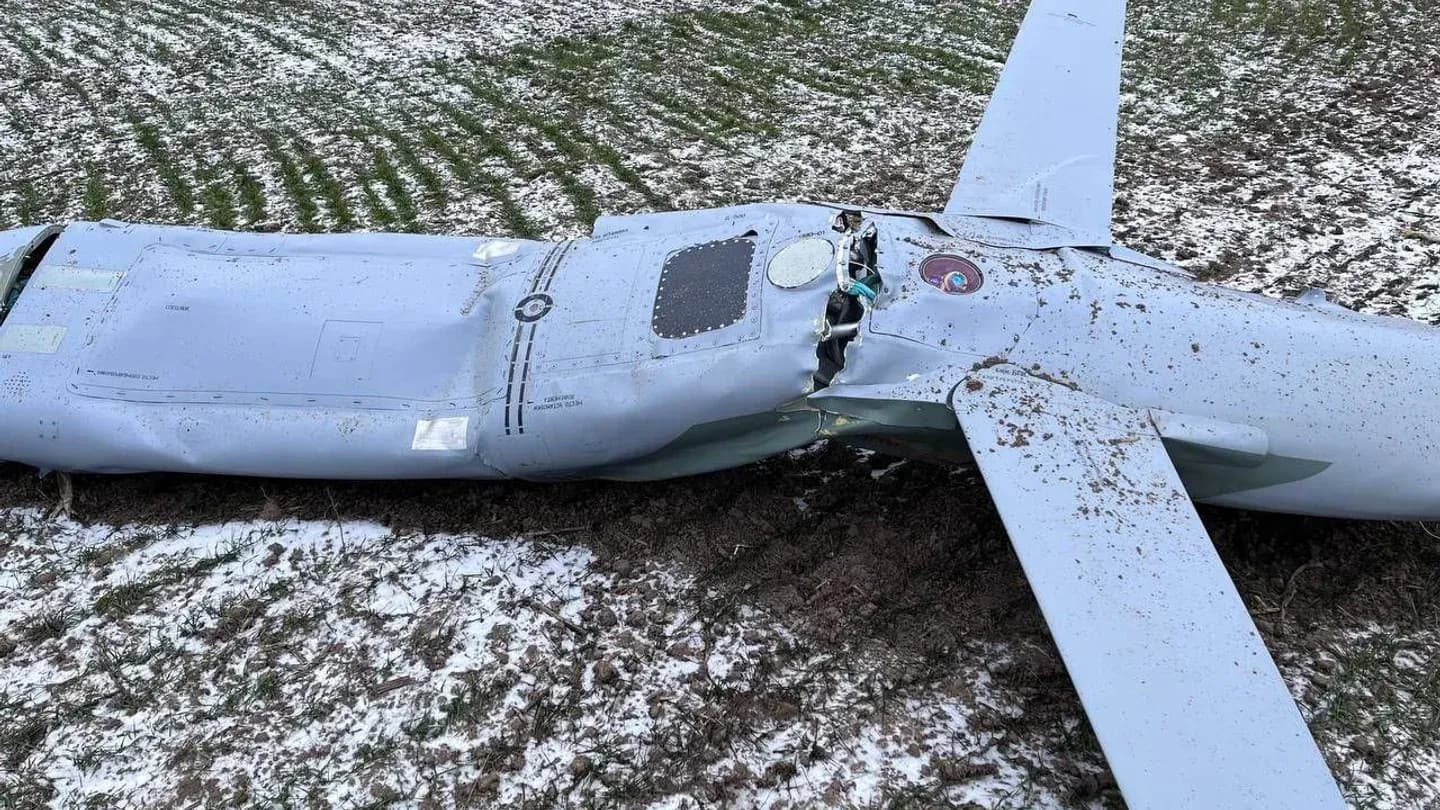
According to Kosiniak-Kamysz, a Kh-101 missile fell in Nowy Lipowiec; near Rudnik nad Sanem, also a missile; near Mołodycz, where burnt metal debris and a crater several dozen metres long were found spread over a wide area, most likely a jet drone. Overnight Russia used Kinzhal and Kh-101 missiles against Ukraine, as well as a large number of drones, including jet-powered ones.
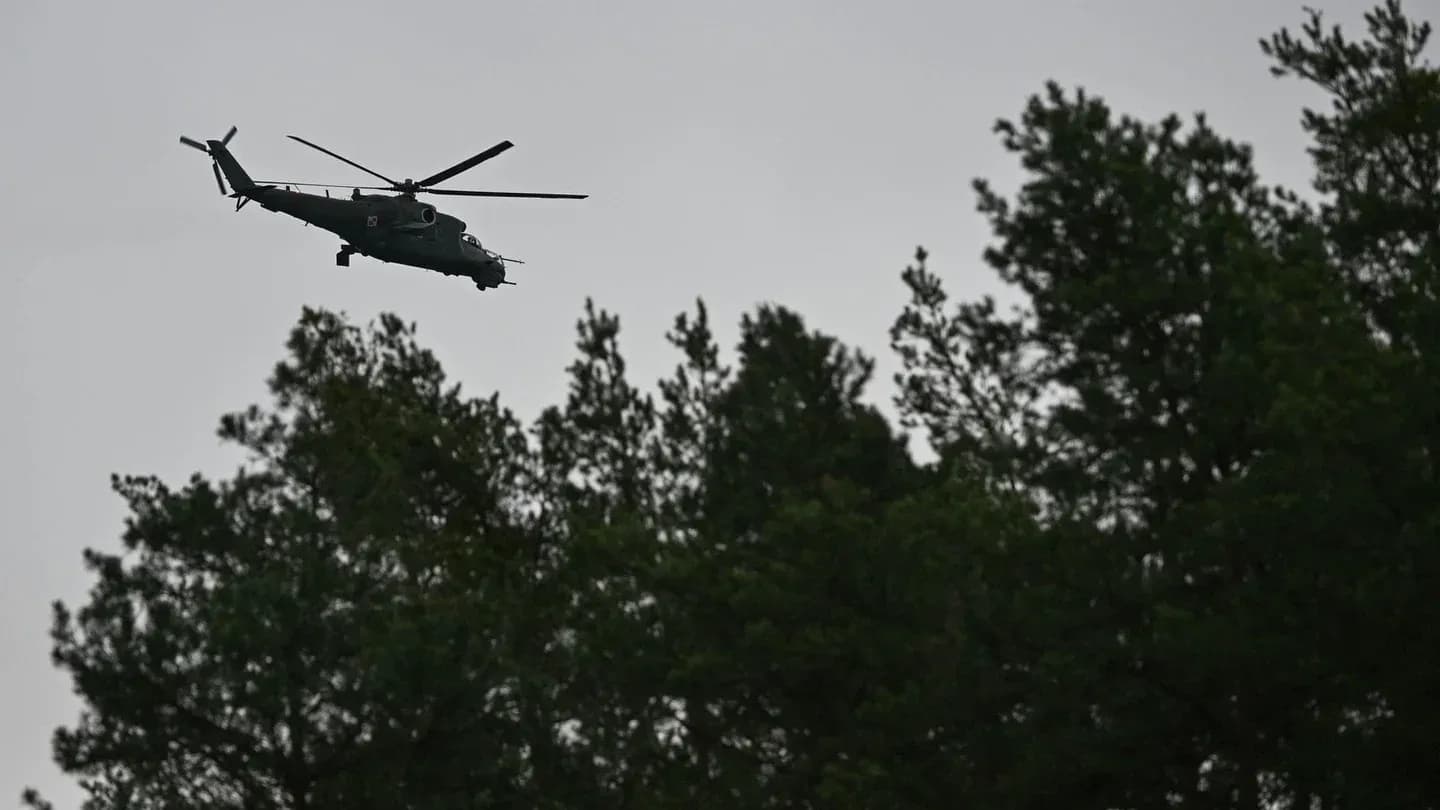
None of these objects was shot down: according to General Nowak, the conditions for the duty fighters to use weapons overnight were not met. Polish skies were patrolled all night by two Polish F-16s and two Swedish Gripens, a Dutch tanker aircraft was on station, and a Saab airborne early-warning aircraft was operating; Patriot batteries around Jasionka airport and near Świdnik were activated, along with Poprad and Pilica Plus ground systems. The practical result of the night was SMS alerts, sirens and three debris sites in three counties.
Retired Colonel Piotr Lewandowski, a veteran of the missions in Iraq and Afghanistan, put it more bluntly: the Russian Federation has "clearly stopped caring about the fact that something will fall on Polish territory". Over the past year there have been many times more incidents near the Polish border than in all previous years, which in his assessment is a clear signal that Moscow no longer counts the risk of collateral damage on NATO territory.
Alerts, sirens and a tower in a shelter
The evacuation decision was taken by the Polish Air Navigation Services Agency; Infrastructure Minister Dariusz Klimczak stressed that it had never happened before: previously, only the tower of Lublin airport had been evacuated in this way, twice. After eight in the morning the agency reported that the evacuation of air traffic control staff had ended and flights had resumed in Rzeszów; Lublin also returned to work.
The timeline of alerts ran as follows: around three at night, residents of border counties in Lublin and Subcarpathian voivodeships received a message about the Russian air attack on Ukraine and the raised readiness of Poland's air defence system; around 6:50 came a second alert, now about a threat of attack from the air, instructing people to find a safe place and follow the services' orders, and sirens sounded in the counties it covered. Around 7:30 the threat was withdrawn and shortly before eight the alert itself was lifted; around nine residents again received a message about the attack on Ukraine and air defence readiness. The first alerts, Kosiniak-Kamysz said, were triggered as early as 1:40.
Prime Minister Donald Tusk said around eight in the morning that he had received a report from the defence and interior ministers on the security situation in Biłgoraj County and that "there is currently no threat from the air"; he then convened a meeting with ministers, military representatives and heads of the services. Grodecki assured that President Karol Nawrocki is being informed in real time and that a Bureau officer was dispatched to the crash site.
An investigation, insurance policies and unanswered questions
The District Prosecutor's Office in Lublin is conducting procedural actions at the fall sites within an "investigation in the necessary scope" under Article 308 of Poland's Code of Criminal Procedure; the military department of the prosecutor's office, the Military Gendarmerie and the Military Counterintelligence Service are involved. This procedure is precisely the maximum the state currently offers residents of the border counties: proceedings without a suspect and without a deadline, in which only the number and nature of the objects are being established.
There are no casualties or material losses: the object in Nowy Lipowiec fell ten metres from the forest and two to three hundred metres from buildings, burned out on its own and left no crater. But the compensation question has already arisen: after a Russian missile fell in Lublin region in July, lawyer Marcin Orlicki, a specialist in civil and insurance law, explained that the state is unlikely to pay compensation and that an insurance policy will do the work — if it does not exclude war risks. For border residents this means a simple and unpleasant thing: their protection from the consequences of war begins with the fine print of an insurance contract.
General Roman Polko, the former commander of GROM, was himself in Lublin that morning and watched how residents reacted to the alarm. The warning system, he said, "should finally convey some information instead of serving only to scare people": a person does not know what exactly the threat is or how much time they have — a few minutes or a few dozen — and that determines whether they go to a shelter or stay where they are. Instead of mobilisation and training in correct behaviour, he argues, the result is indifference, uncertainty and distrust of the signals. Polko demands legislative changes, including the right to shoot down air-attack means without visual identification, cheaper anti-drone systems and electronic warfare assets, and the integration of air defence with artificial intelligence for automatic reaction to a detected target — with civilian airspace closed at the same time.
A separate problem is what the Cyber Defence Forces called the expected consequence of nights like this one: the incident being used for manipulation. A picture of F-16 fighters "chasing a missile" spread on social networks, and the state research institute NASK identified it as a deepfake and reported the case to the platforms.
"The date is not accidental": what Warsaw demands from NATO
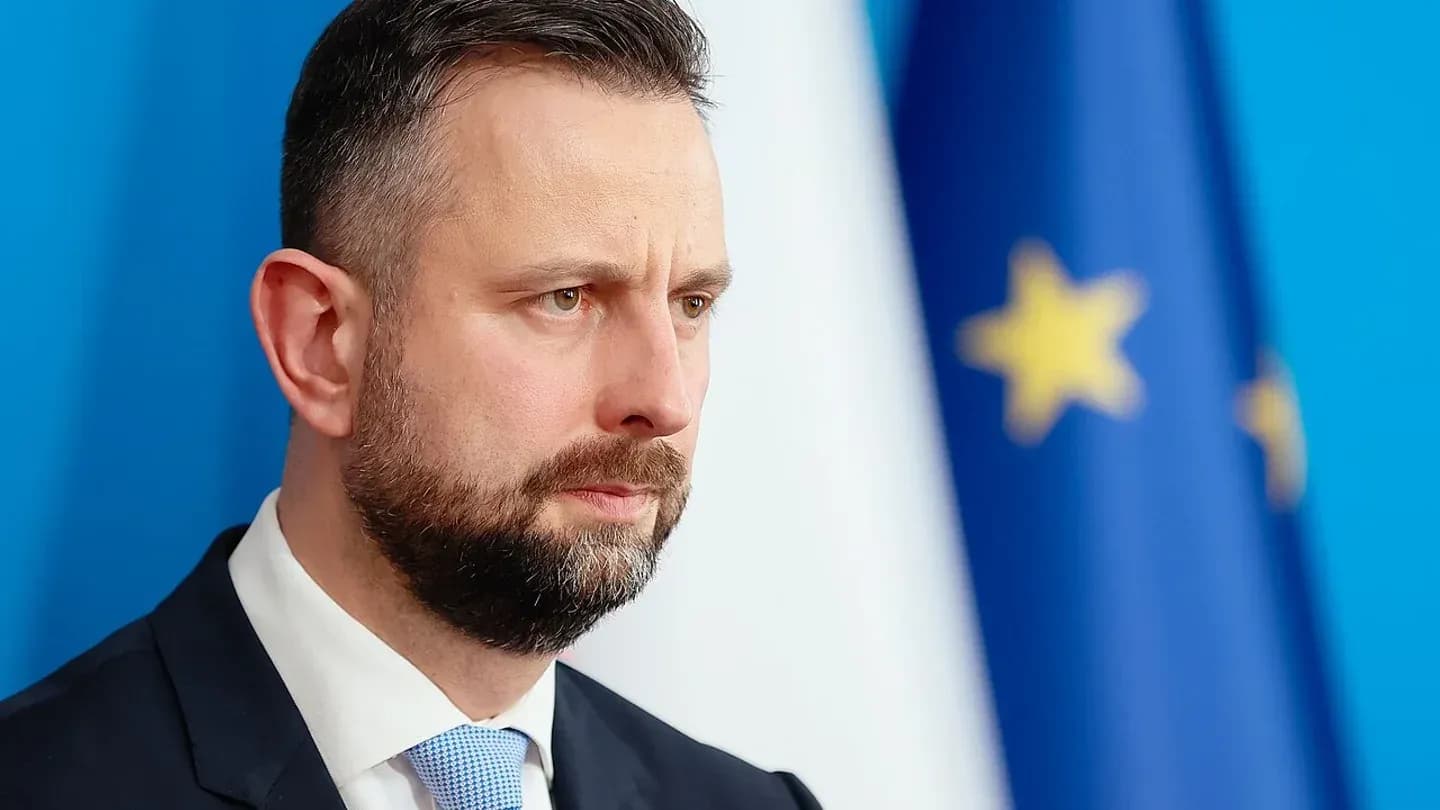
"We are dealing with another provocation by the Russian Federation. The date, in my view, is not accidental: today the coalition of the willing holds exercises in Nowa Dęba, near the places where our air forces operated," — Władysław Kosiniak-Kamysz, press conference on 20 November.
The defence minister announced an appeal to the NATO Secretary General to allocate additional forces and assets for the Eastern Sentry operation, in particular AWACS airborne early-warning aircraft, and to initiate an emergency meeting of Alliance countries. Ukraine's Foreign Minister Andrii Sybiha stated close cooperation with Poland in investigating the incident, wrote about solidarity with Poles and stressed that Ukrainians are the "first line of defence" against the Russian threat, and that supporting Ukraine's air defence protects the allies themselves.
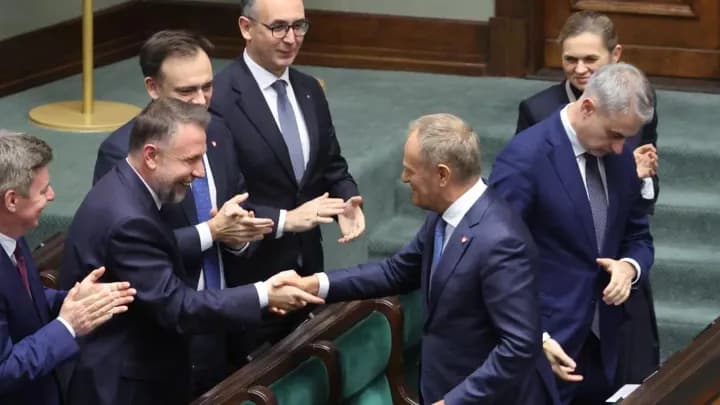
By midday the tone in Warsaw had hardened. At a press conference in the chancellery Prime Minister Donald Tusk said that three Russian objects had violated Polish airspace, fallen on Polish soil and that one of them exploded: "We know for certain that what fell on Polish soil is from Russia." It does not look like an accident, and in his words it amounts to an intentional provocation — a view shared by his foreign counterparts, including the NATO Secretary General. One detail stands out: the objects fell near Nowa Dęba, where the coalition of the willing was holding manoeuvres with Polish troops at the time and where defence ministers of several countries had arrived; Tusk called that link a hypothesis, not a conclusion. Mark Rutte confirmed he had spoken with Tusk about a "serious violation of Polish airspace", condemned the Russian strikes and said NATO fighters had also been scrambled overnight.
What happens next is being decided on two tracks — the investigative and the political. In Lublin, experts are establishing exactly how many objects crossed the border and what they were: so far only the fall in Nowy Lipowiec has been officially confirmed, and the nature of the debris in Rudnik and Mołodycz has not been finally determined. On Saturday, 21 November, the NATO Secretary General arrives in Warsaw and will answer journalists' questions; Tusk himself announced the visit. That is where it will become clear whether the request for Eastern Sentry assets remains the appeal of one government or turns into an Alliance decision — and what the eastern flank gets after a night when eleven Russian targets threatened its sky and not one was shot down.
Primary sources
Documents and statements this story is based on.