“It Was Meant to Echo the Gleiwitz Provocation”: Poland Foiled a Russian Sabotage Plot With a Fabricated “Ukrainian Trace”
At the turn of October and November, Polish security services, police and the military ran a covert preventive operation near the border with Russia’s Kaliningrad region. The account of the plot, made public on 18 November, describes a Russian sabotage attack designed to cause mass casualties with planted evidence of a “Ukrainian trace”. Poland’s defence minister confirmed the services knew about the provocation and responded.
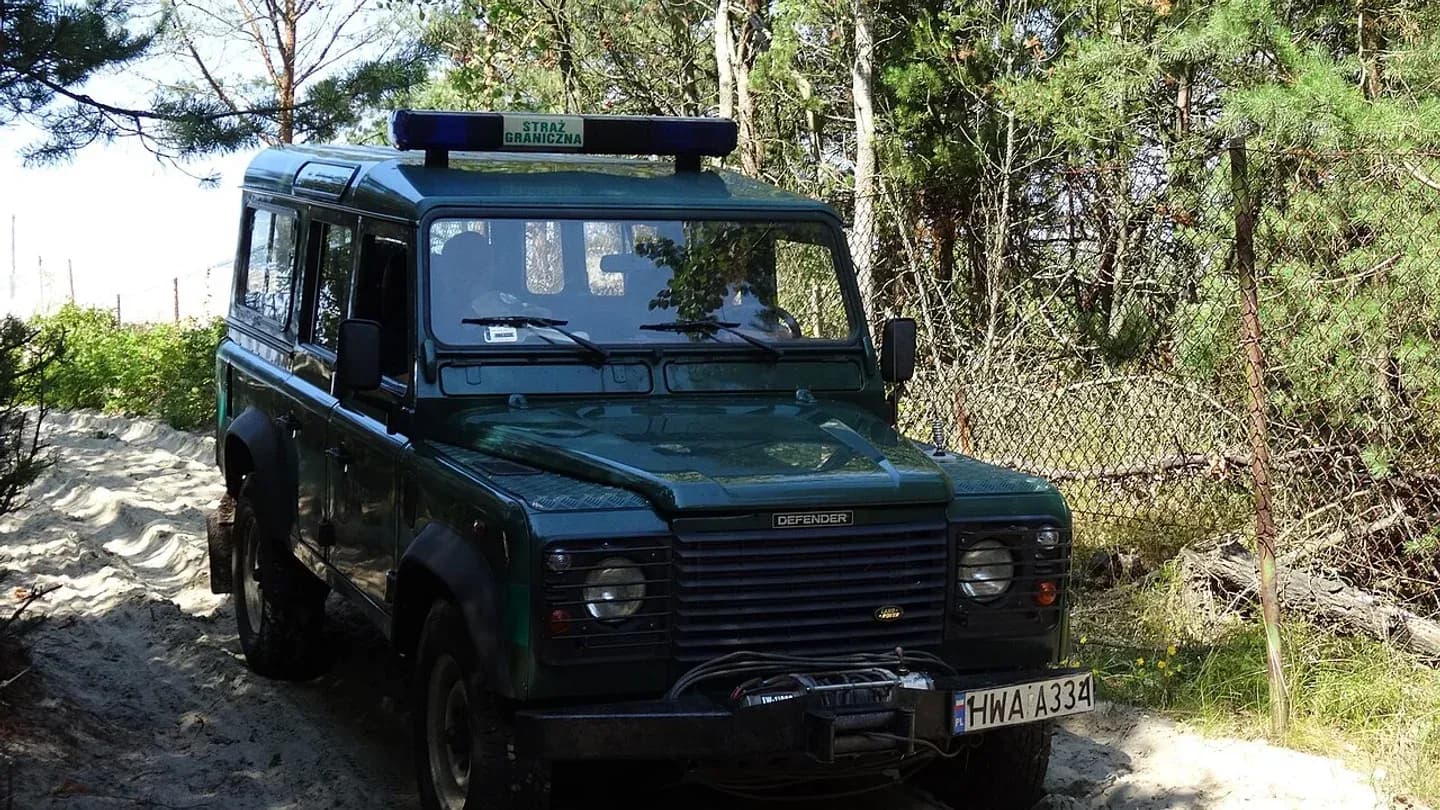
In early November, Polish border guards noticed “suspicious movement” on the border with the Kaliningrad region: people with torches near the strip separating Poland from the Russian exclave. “We very quickly mobilised the appropriate forces and means there, and we managed to prevent the provocation,” Prime Minister Donald Tusk later described those events. Only weeks later did it become public what exactly had been avoided.
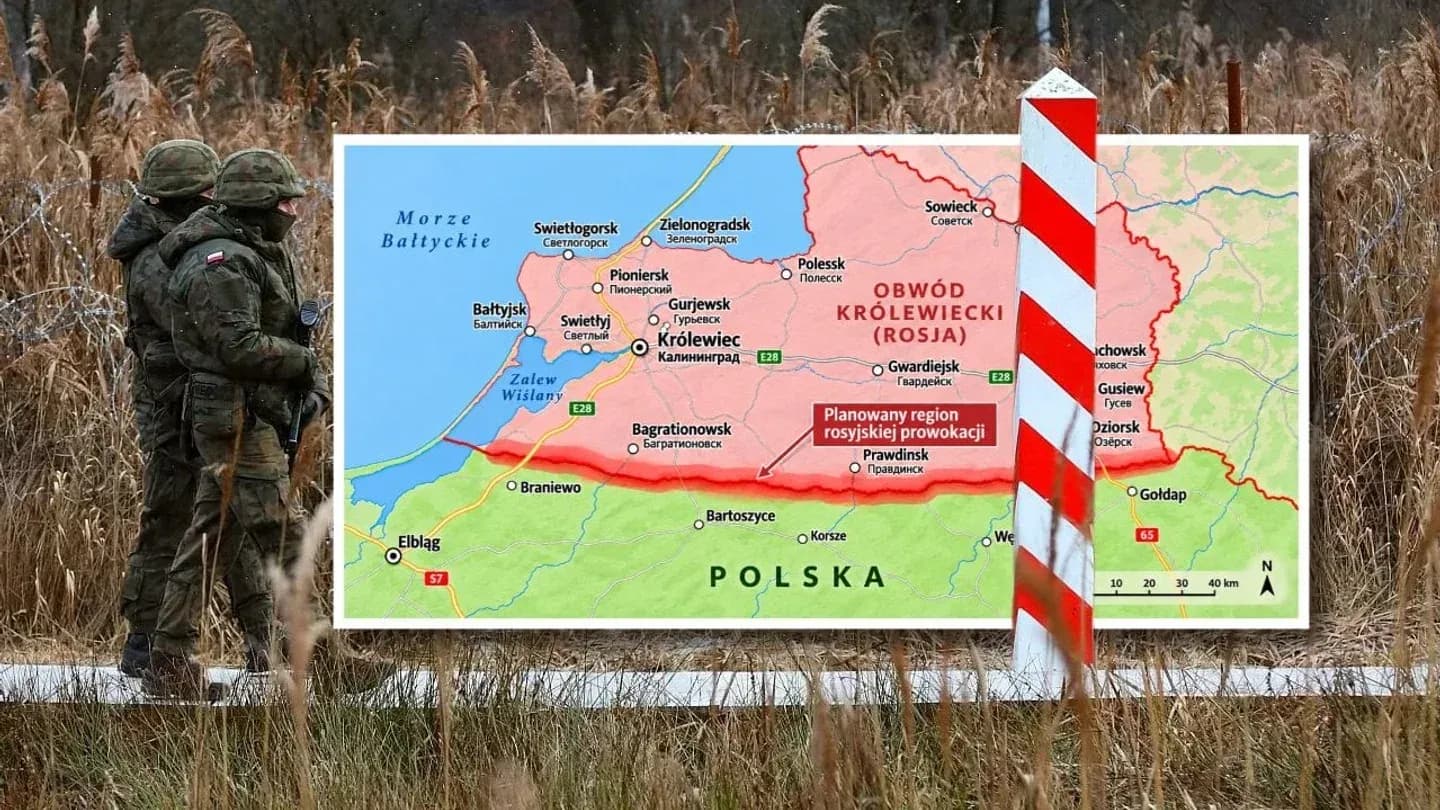
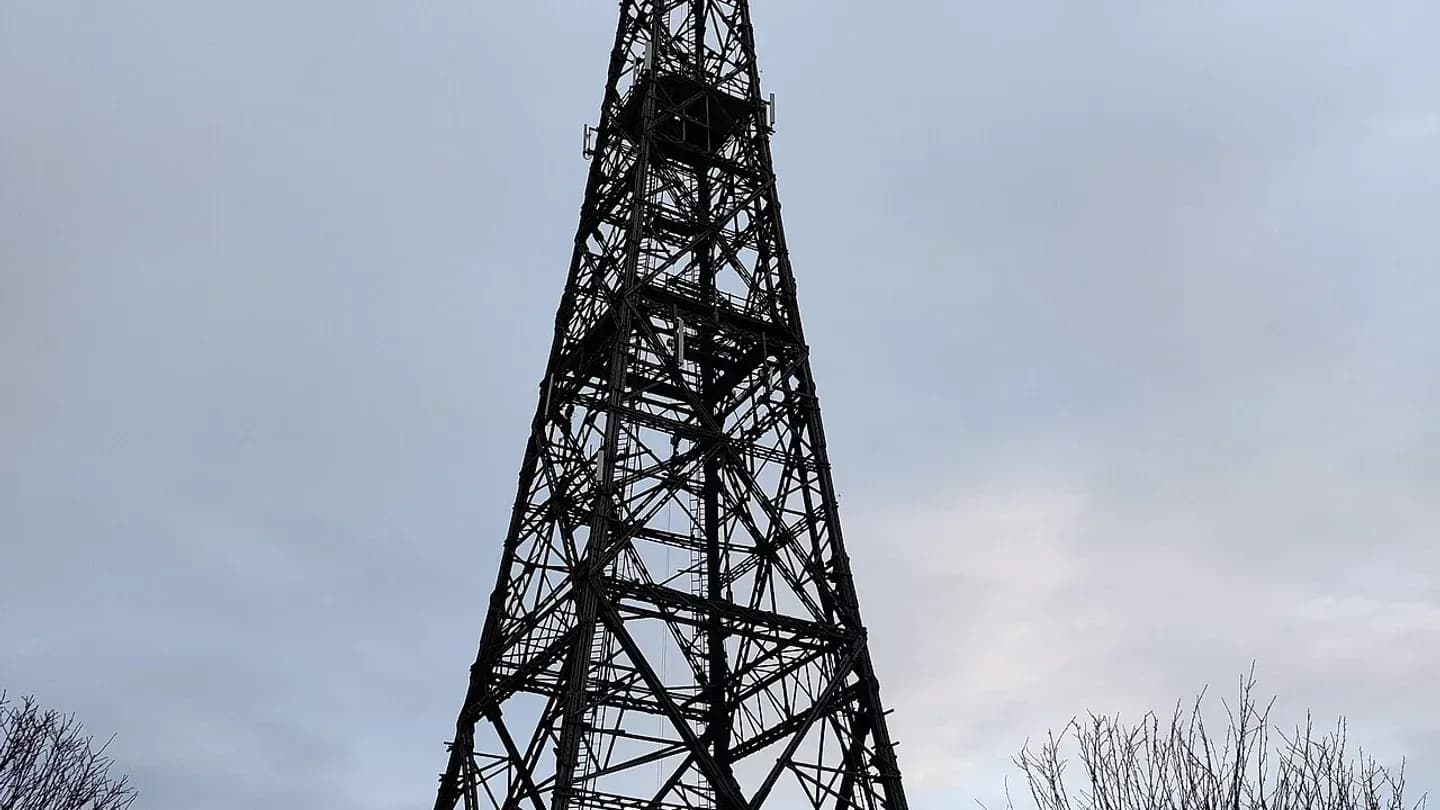
On 18 November the account of the plot entered the public domain: it was set out by senior figures linked to the security structures who spoke to journalists on condition of anonymity. According to them, at the turn of October and November Russian special services planned a sabotage operation on Polish territory near the border with the Kaliningrad region — potentially involving a border crossing and a simulated attack on a facility also located in the Russian Federation. The operation could have been carried out under a false flag so that responsibility would fall on Kyiv.
“It was meant to resemble something like the Gleiwitz provocation. Of course, those who would have crossed the border would most likely have been shot, or evidence would have been found next to them indicating that they were from Ukraine. The goal was to stop assistance to Ukraine,” one of the interlocutors familiar with the preventive operation described the design. Another added: “We had information about specific facilities where the attack was supposed to take place. The Russians counted on a large number of casualties.” He refused to specify where those facilities were.
What Warsaw confirmed
Tomasz Siemoniak, the Polish minister responsible for coordinating the security services, answered a direct question about preparations for a terrorist attack on a facility where many people might have been present evasively: “Even if we have such information, we do not share it. We can do so only when something has happened or has been prevented. Everything else is mere speculation.” At the same time he confirmed that the Border Guard, the police and the military had taken the necessary measures, and assessed them as adequate: “The circumstances indicated that the threat was assessed as real.”
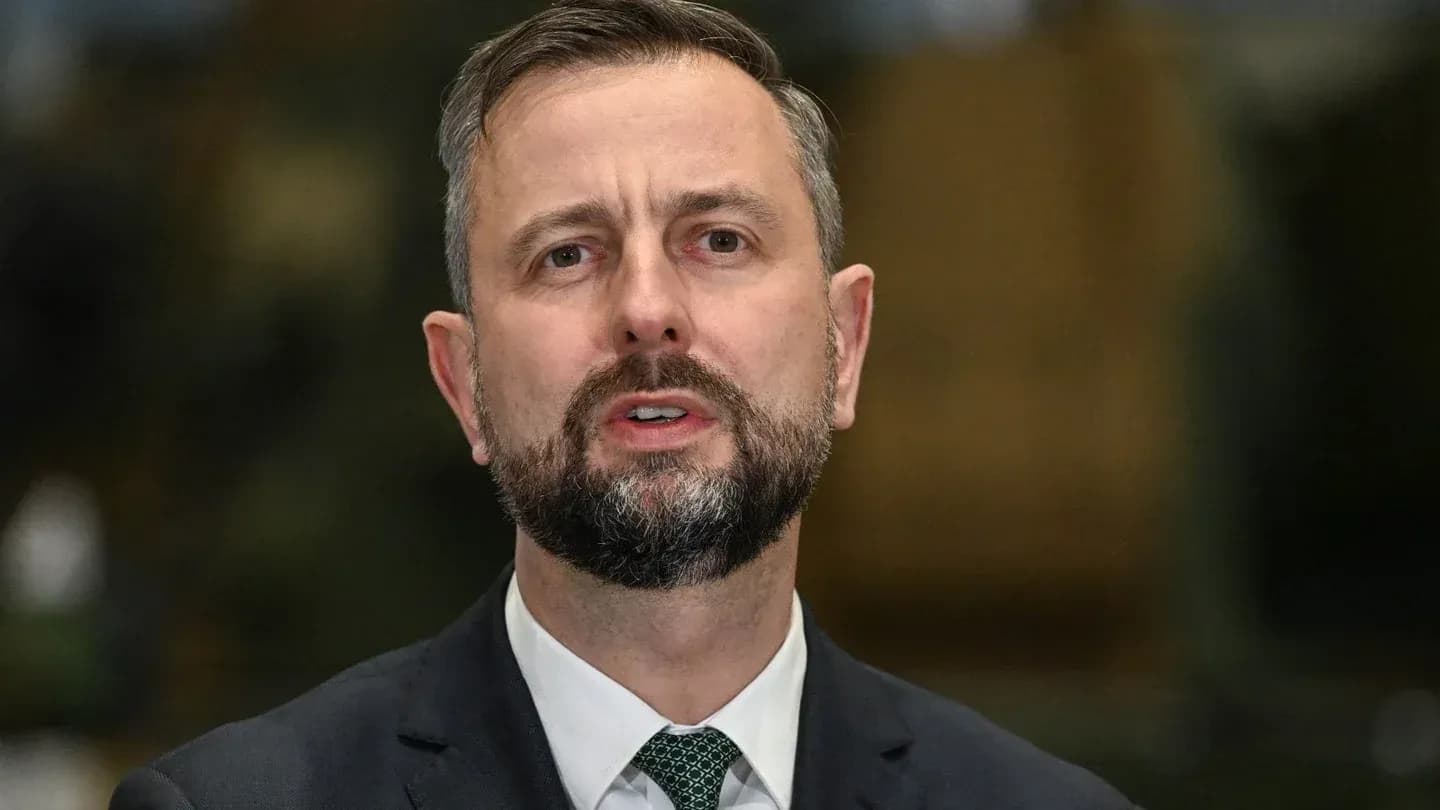
The same day in Jarosław, Deputy Prime Minister and Minister of National Defence Władysław Kosiniak-Kamysz confirmed that the Polish services had known about the planned Russian provocation near the border with the Kaliningrad region and had responded accordingly. He listed the broader context of Russian escalation — airspace violations, attempts to blow up trains, arson, sabotage against defence plants, attacks in cyberspace — and suggested that provocations were possible not only on the Polish border but also on the Baltic borders. “Many things, quite a lot of sabotage, have been thwarted,” the minister said. He also announced a request to the prime minister, and then to the president, to extend Operation Horizon, under which the military supports the protection of critical infrastructure, including railways.
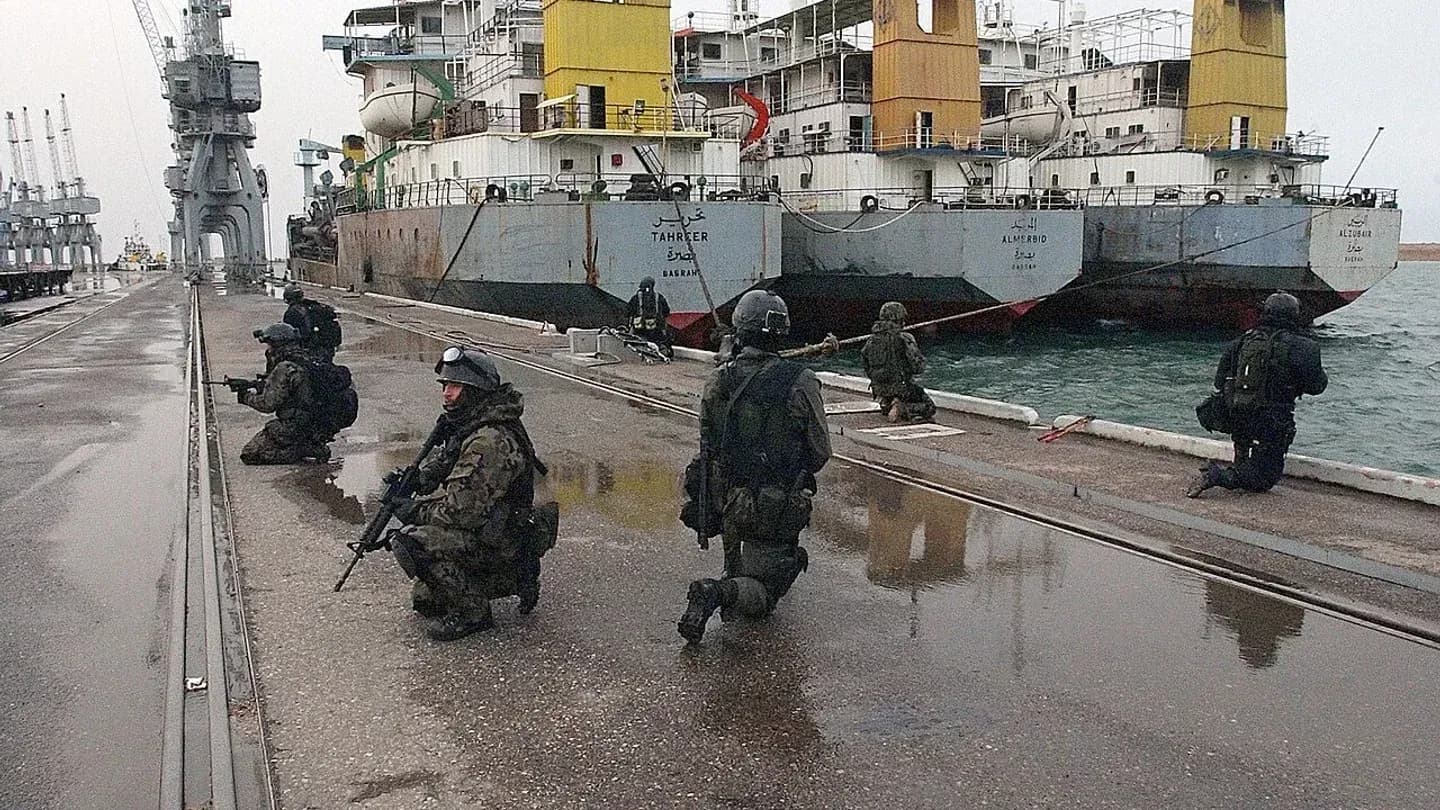
The chronology of visible measures predates the public account of the plot. According to interlocutors familiar with the preventive operation, the Polish services were set in motion after officers coordinating such sabotage operations appeared on the Russian side of the border, an effort they link to Russia’s foreign military intelligence. At the end of October Poland reinforced security in the border districts, and officers from other regions were seconded to local police stations. On 2 November the national police headquarters set up a special operation staff: the command centre sits in Warsaw, while the operation itself covers the Warmian-Masurian and Podlaskie voivodeships, where the regional police commands in Olsztyn and Białystok joined in. Police chief Marek Boroń confirmed the creation of the staff and explained that the police are securing the border with the Kaliningrad region against possible sabotage; the operation rested on warnings from the Military Intelligence Service and allied services about armed groups possibly crossing the border. The police declared full readiness for 2–8 November. According to interlocutors familiar with the operation, about 180 additional police officers and counter-terrorism units were sent to the region, the GROM, NIL and AGAT special forces trained there together with the Territorial Defence Forces, and similar warnings reached Lithuania, Latvia and Estonia.
The “Ukrainian trace” as a working tool
For Kyiv this story is not someone else’s domestic Polish affair. The design with planted evidence “from Ukraine” relies on tools that Russian special services have already tested in Poland. On 12 November an indictment against Ukrainian citizen Volodymyr B. was sent to the Warsaw Regional Court; prosecutors accuse him of cooperating with Russian intelligence against Poland: according to the investigation, he assisted two compatriots who blew up the track under a freight train near Mika on 15 November 2025 and installed, on the same Warsaw–Dorohusk line near Gołąb, metal elements capable of derailing carriages. The direct perpetrators fled Poland; they are sought through Interpol red notices.
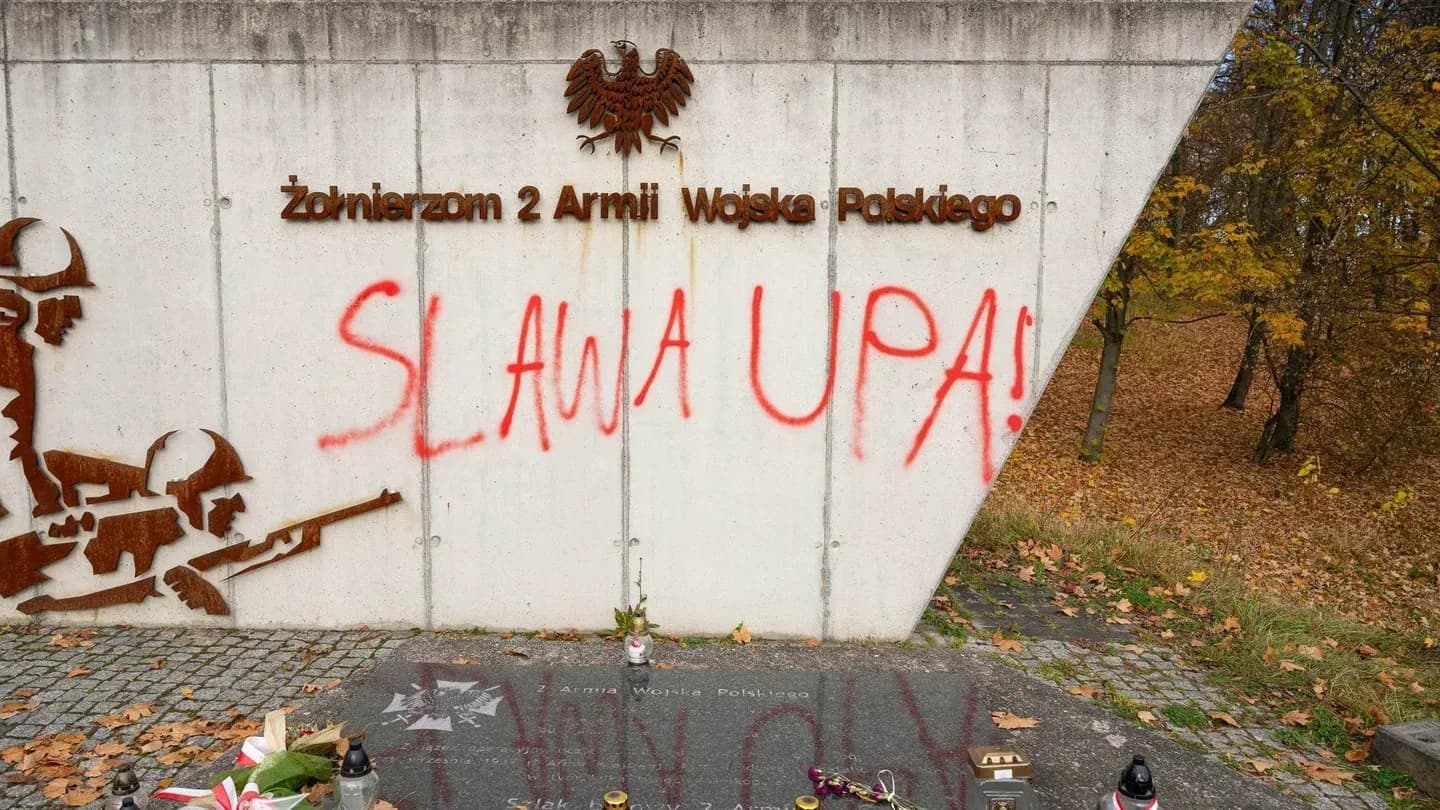
In parallel, a cheaper version of the same “trace” is at work. In early November, monuments in Warsaw, Poznań and Gdynia were daubed with “Glory to the UPA” inscriptions. They were preceded by an advertisement posted on 7 November in a Telegram chat for foreigners in Białystok: “There is a chance to earn well in Poznań. Graffiti artist. I pay 500 dollars.” An online investigation traced the author of the advertisement: in correspondence he explained that the job was to spray the inscription “Glory to the UPA” on a monument, sent photographs of two monuments and asked for a sheet with a QR code to be left on it, admitted that the action was illegal and called it a “Russian provocation”. Who stands behind the order has not been established: the advertisement disappeared from the channel, and the account is tied to a phone number with the +888 prefix, sold for anonymous registration. A representative of the opposition initiative BELPOL, Uladzimir Zhyhar, suggests that such orders may come from Russian or Belarusian special services trying to stoke hostility between Poles and Ukrainians. In other words, the “Ukrainian trace” in Poland is already being constructed for money; the foiled operation was meant to be its extreme, bloody version.
The politics of silence
A month before the account of the plot became public, Polish President Karol Nawrocki accused Donald Tusk of exaggerating the Russian threat for political gain — recalling a “fabricated CIA report” and the prime minister’s emotional interview about a possible escalation. The presidential chancellery agreed that Russia is a threat but saw no signs of preparations for a full-scale operation against Poland. Now the government confirms the threat is real, yet there is no public evidence of Russian attribution of this particular design: no names of facilities, no documents — only anonymous testimony from senior officials.
Siemoniak warned that undisclosed intelligence assessments should not be treated as established facts. But that is precisely why a question arises to which Warsaw and Kyiv have so far given no answer: why has an episode in which a Russian operation was supposed to fabricate Ukraine’s guilt not become public evidence for allies — at a moment when the debate on winter escalation of hybrid war is running at high pitch across Europe, and assistance to Ukraine depends on decisions of parliaments and governments? Anonymous testimony persuades readers, but it does not replace materials that can be put on the table in Brussels or Washington.
Silence also has a domestic Polish price. Any inaccuracy in the anonymous account hands a weapon to those who already denied the Russian threat as a political tool of the government — and at the same time serves the Russian objective: to undermine trust between Warsaw and Kyiv, on which transit, shelter for Ukrainians and military support all depend.
The first decision after the account was made public is only being prepared: the request to extend Operation Horizon, in the minister’s words, is to be filed with the prime minister and then with the president. The next step this story requires is the declassification of at least part of the data: without it, the tale of the foiled “Gleiwitz provocation” will remain an argument in Poland’s internal dispute rather than evidence in the case of Russia’s war against Ukraine and its allies.
Primary sources
Documents and statements this story is based on.