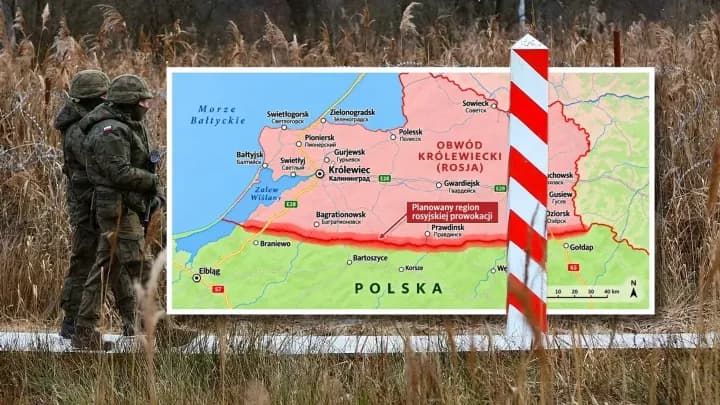
Denmark links foiled assassination to Russia, calls for visa curbs
PET assesses that Russian intelligence organised a foiled assassination near Copenhagen. Denmark is expelling Russia’s defence attaché and pledging stronger policing, while its prime minister seeks visa restrictions.
On November 20, 2026, Denmark attributed the organisation of a foiled assassination attempt against a Ukrainian-American citizen to Russian intelligence services. The Danish Security and Intelligence Service, PET, assesses that people linked to the banned gang Loyal to Familia (LTF) were to carry out the killing. The attack was planned for a public concert north of Copenhagen attended by a large number of people.
The political response already includes a decision to expel Russia’s defence attaché. Prime Minister Mette Frederiksen also called for a halt to non-essential visas for Russian citizens and for visas that are issued to be valid only in the issuing country. She did not announce the introduction of a new visa regime: her statement gives no specific timetable, exemptions or implementation procedures.
Intercepting a car did not conclude the case
PET and North Zealand Police thwarted the attempt on September 25. Three people were stopped in a car near the concert venue; firearms and knives were found inside. PET assesses that the operation was already underway and the attack was intended to take place that evening.
Two people are formally suspected of attempted murder and assisting a foreign intelligence service in operating in Denmark. On November 20, a court expanded the grounds for their pre-trial detention to include these alleged offences. Investigators must establish what each person did and what they knew about the operation’s commissioner and purpose. The intelligence assessment of Russian involvement is not a verdict: individual criminal responsibility will be determined by a court if the case proceeds to trial.
PET Director General Rasmus Kieffer-Kristensen described the intended victim as a particular target of Russian intelligence services. However, the service does not consider this case evidence of a general assassination threat against Danes or other people in the country. This was a specific operation, but its preparation presents a broader problem: foreign intelligence can gain access to local perpetrators of violence through criminal networks.
Visa curbs cannot replace action against local networks
Foreign Minister Lars Løkke Rasmussen announced that Russia’s defence attaché had been given seven days to leave Denmark. The Russian ambassador was informed of the decision. Frederiksen pledged to increase support for Ukraine with allies, toughen sanctions against Russia and strengthen the work of Danish police and PET. Her statement does not specify the amount of additional resources.
The mechanism described by PET illustrates the limits of a response based on visas alone: people from criminal networks already operating in Denmark could be recruited to carry out an attack. Protecting public events and individuals therefore also depends on identifying commissioners, intermediaries and perpetrators within the country. Kieffer-Kristensen said PET would target both those assigning such tasks and those agreeing to carry them out.
Ukrainians warned about concealed recruitment
On October 29, PET had already issued a warning in Ukrainian in cooperation with the Ukrainian embassy and Danish immigration authorities. The service cautioned that Russian intelligence could use social media and intermediaries to involve Ukrainian refugees in preparing sabotage, sometimes without their understanding of the true purpose. This is a separate warning about recruitment risks, not an allegation that refugees participated in the September assassination attempt.
An offer of payment to photograph a business or warehouse, check access to a building or pass on information about people and workplaces may be disguised as journalism, market research or routine documentation. PET advises people to pause if a stranger offers such work and contact police if they suspect a concealed purpose — even if they have already completed the task. For Ukrainians in Denmark, this is a practical way to avoid becoming an instrument of someone else’s operation; for the government, the next promised step is strengthening the services responsible for stopping such operations.
Primary sources
Documents and statements this story is based on.