
The 'terror attack' letter on Duka: his lawyer asked the SBU the day of the suspicion, Poklad signed on court day
The document that led the High Anti-Corruption Court to close General Serhii Duka's hearing to journalists turned out to be a reply to a request from the suspect's own lawyer. NABU and SAP showed the letter and named its addressee on the day their chiefs declined to attend the parliamentary commission.
The SBU letter about a "real threat of a terrorist attack" against Major General Serhii Duka, which the High Anti-Corruption Court used to close its hearing to journalists, turns out to be a reply to a request from the suspect's own lawyer. The request reached the Security Service on 4 November — the day NABU served Duka with a suspicion. The reply, signed by acting SBU head Oleksandr Poklad, is dated 6 November, the day of the court hearing on his preventive measure. On 20 November the document was shown to journalists for the first time: NABU head Semen Kryvonos and SAP head Oleksandr Klymenko named the addressee — Duka's lawyer Vladyslav Kulinych — and pointed out that the secrecy marking the court used to justify closed doors covers an ordinary reply to a lawyer's request.
A timeline that does not match the secrecy stamp
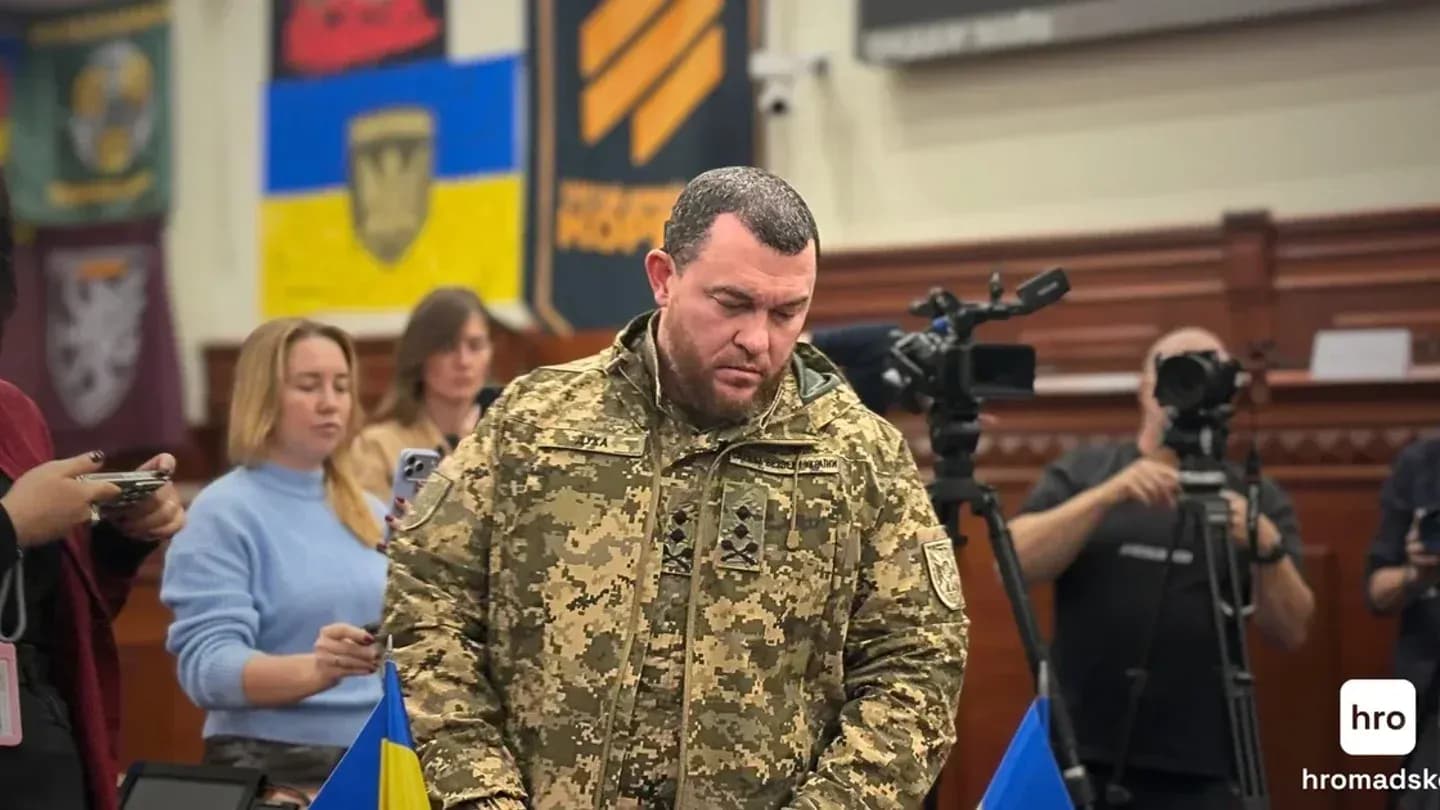
On 4 November, NABU detectives and SAP prosecutors served Duka, first deputy head of the SBU Department for Protection of National Statehood, with a suspicion of participation in a criminal organisation in the "Carthage" case. The same day, according to the document the anti-corruption bodies handed to journalists, the general's lawyer sent a request to the SBU. Two days later, on 6 November, the HACC considered the motion to remand Duka in custody — and it is then, per the document, that Poklad's reply appeared: the SBU claimed that Russia's Special Operations Service of the GRU had created a joint inter-agency reconnaissance and sabotage network collecting data on the whereabouts, vehicles, travel routes and mobile device identifiers of managers of the SBU Central Directorate's units, including Duka and his family, "with the aim of further preparing and committing terrorist acts" — by planting improvised explosive devices or through direct physical contact, involving transnational criminal groups operating in Ukraine.
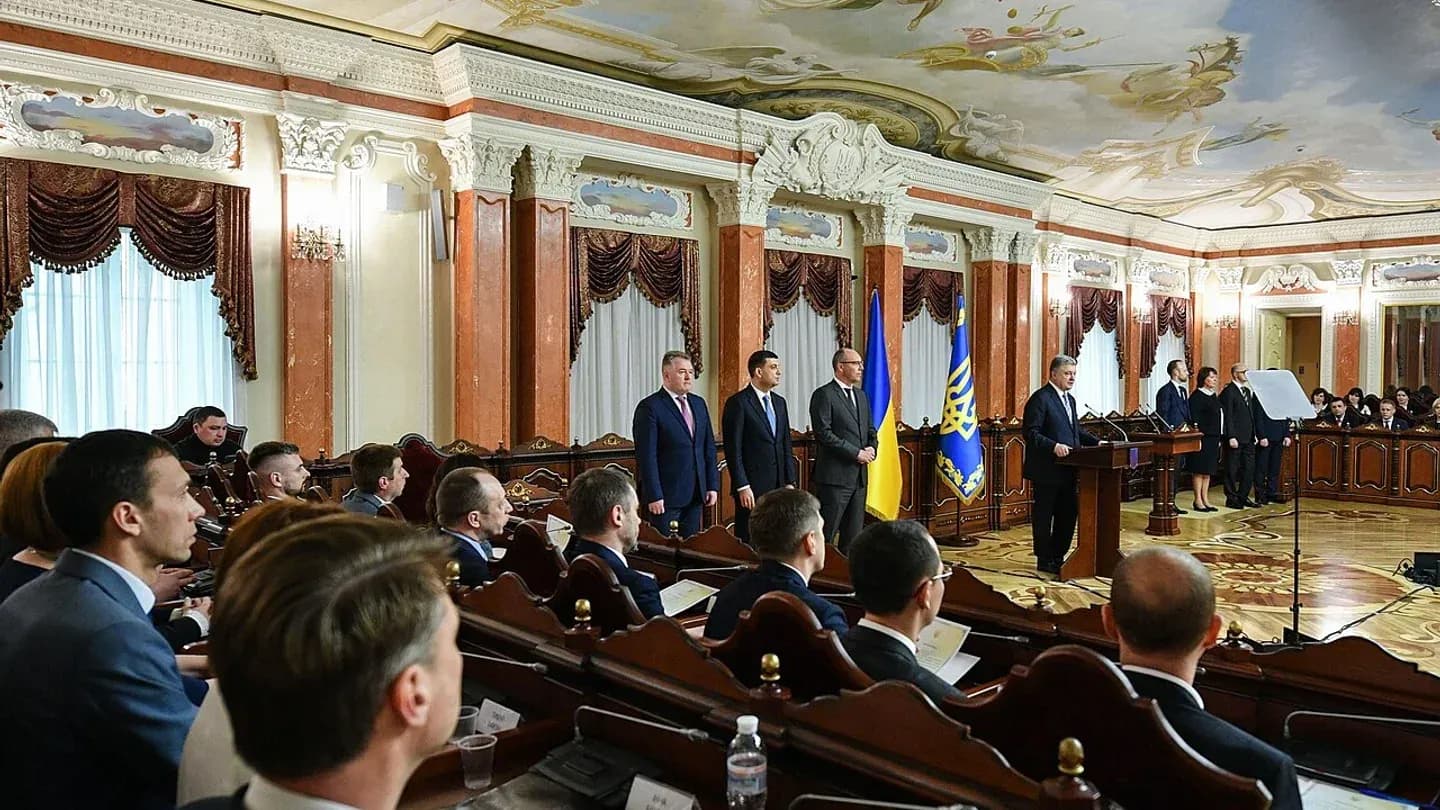
The prosecutor read out the information about the letter during a break in the hearing. Journalists were not admitted to the courtroom; their broadcast was switched on in another room, and the judge decided to hear part of the session in closed mode. To an official request asking whether the court had received an SBU letter about a terrorist threat and under whose signature, the HACC replied that such information carries the restricted-access marking "For official use" — citing the court's list of official information approved by an order of 11 December 2019, No. 119.
The 6 November hearing began with the court rejecting the defence's motion to recuse the prosecutor, after which investigating judge Volodymyr Voronko decided to hear part of the case in closed mode and stopped the broadcast in the adjacent room. SAP prosecutor Mykola Karas responded by seeking the judge's own recusal: he said he saw no obstacle to an open hearing and could not understand the decision to keep journalists out, while the prosecution side was not allowed to see the SBU letter about the "terror attack". The recusal motion was referred to another judge.
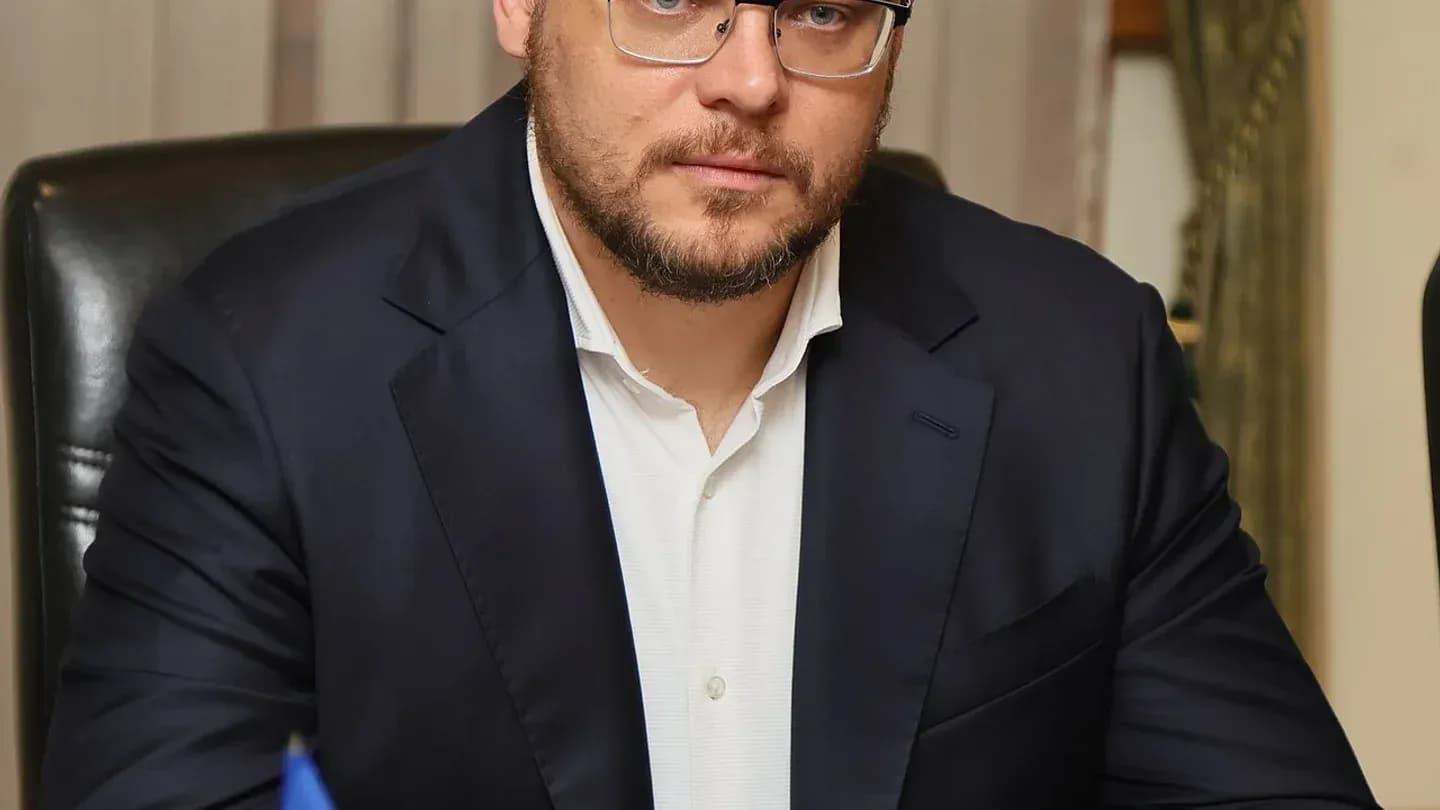
Now it is known what sat behind that marking: not an operational briefing initiated by the SBU itself, but a reply to a request from the suspect's lawyer, sent on the day the suspicion was announced. Klymenko put it bluntly: "the letter is not secret at all — it is a reply signed by the acting head of the Security Service of Ukraine to a request from Duka's lawyer."
What NABU and SAP hold against the SBU leadership
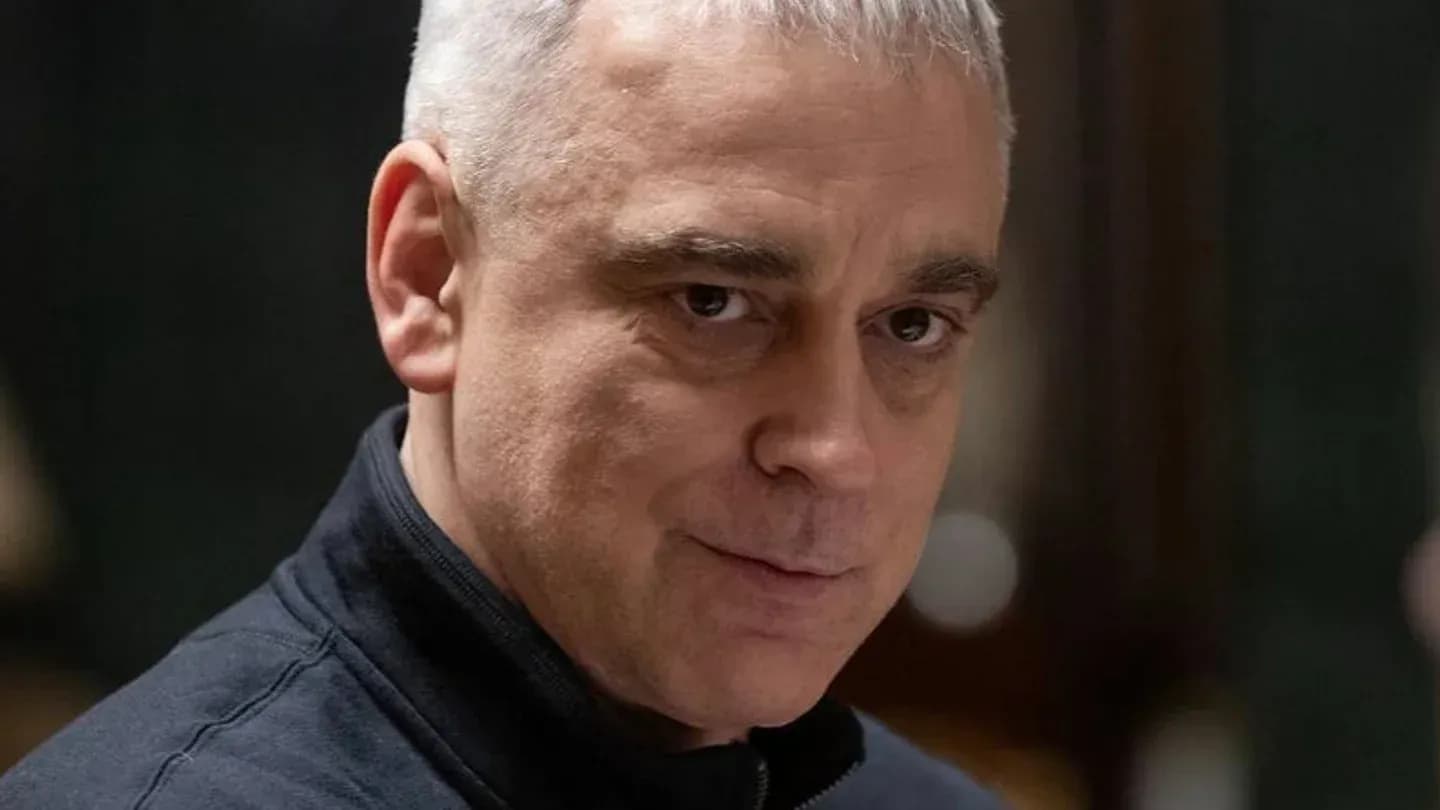
For the head of SAP, the letter is only one episode. "He assists to the maximum certain persons who figure in our cases," Klymenko said of Poklad, also citing the Alpha officers who blocked NABU detectives from conducting investigative actions at Duka's house and "the format of Duka's meeting from the pre-trial detention centre". "None of this could have happened without the assistance of the head of the Service," he said. According to Klymenko, the investigation has not established Poklad's personal involvement in covering the "Khimprom" drug cartel.
Kryvonos immediately drew a line: assisting individual suspects is not the same as the SBU leadership's involvement in the "Carthage" scheme, and many honest law enforcement officers work in the Service. "But this certainly must not be a safety catch against exposing the level of corruption we are investigating. Society must know the truth and understand it," the NABU director said. As of the evening of 20 November, the SBU had not publicly responded either to the letter being shown or to the allegations of assisting suspects.
Bail collected by the entire service
On 6 November the HACC remanded Duka in custody for 60 days with bail of 65 million hryvnias as an alternative. The very next day, messages urging SBU staff to join a fundraiser circulated among employees. On 10 November, 44 million hryvnias were paid for the general; the next day the total reached about 50 million, and on 13 November the bail was paid in full — through more than 1,600 payments — after which Duka left the detention centre. At the parliamentary commission hearing on 18 November he acknowledged that colleagues had collected the money but insisted that "nobody forced anybody".
After the suspicion was announced, Poklad dismissed Duka from his post but kept him in the service. A general suspected of participating in a criminal organisation remains a serving SBU officer, and his bail, assembled from thousands of colleagues' payments, still lacks a public answer to simple questions: where the money came from and how such a collection squares with the status of a law enforcement officer suspected of shielding criminal businesses.
Questions that remain open
The letter shown does not prove that no threat to Duka's life existed: a security service must respond to risks against its own officers, and Russian special services do hunt Ukrainian law enforcement officials. But the timeline raises other questions. Why did the lawyer's request appear exactly on the day of the suspicion, and the Service leadership's reply exactly on the day of the court hearing? Why did the court present a document that turned out to be a reply to a lawyer's request as official information and close the hearing from the public? And why has a service that states in writing that a terrorist attack is being prepared against its own general still not publicly explained either the content of that letter or its position on the anti-corruption bodies' allegations?
On 23 November the parliamentary temporary investigative commission plans a hearing on the "Carthage" case, to which it summoned Kryvonos, Klymenko, former SBU head Vasyl Maliuk and former Prosecutor General Ruslan Kravchenko. The heads of NABU and SAP have already said they will not attend: Kryvonos is travelling abroad on a trip scheduled earlier. The commission before which Duka on 18 November accused the anti-corruption bodies of political motives is left without the main witnesses of the opposing side — and without the SBU's answer to the central question of this letter.
Primary sources
Documents and statements this story is based on.
SAPO head publicly names the Security Service as the source of pressure on 'Carthage-2'
UAH 141.3m electricity case: investigation completed
Corruption Overtakes Missiles: 72% of Ukrainians Hold Zelensky Responsible for Corruption in His Circle
A $670,000 Dubai Villa, a Vanished Prosecutor General, and Zero Investigations: Ukraine's Integrity Test