1,144 children in 10 months: the worst year for kids in three years
On the day Ukraine marks Children's Protection Day, UNICEF published the worst child-casualty figures in three years: 1,144 killed or injured in ten months of 2026. The state reports billions spent on shelters, yet 47% of Kyiv schools cannot hide all pupils during an alert — and of 36 missiles fired one November night, only four were shot down.
On 20 November, the day Ukraine has marked as Children's Protection Day since last year, UNICEF published the heaviest child-casualty statistics in three years: in the first ten months of 2026, at least 1,144 children were killed or injured in the country. 114 were killed, 1,030 wounded. That is more than three children every day — and only slightly below the 1,386 cases recorded in 2022, the first year of the full-scale invasion.
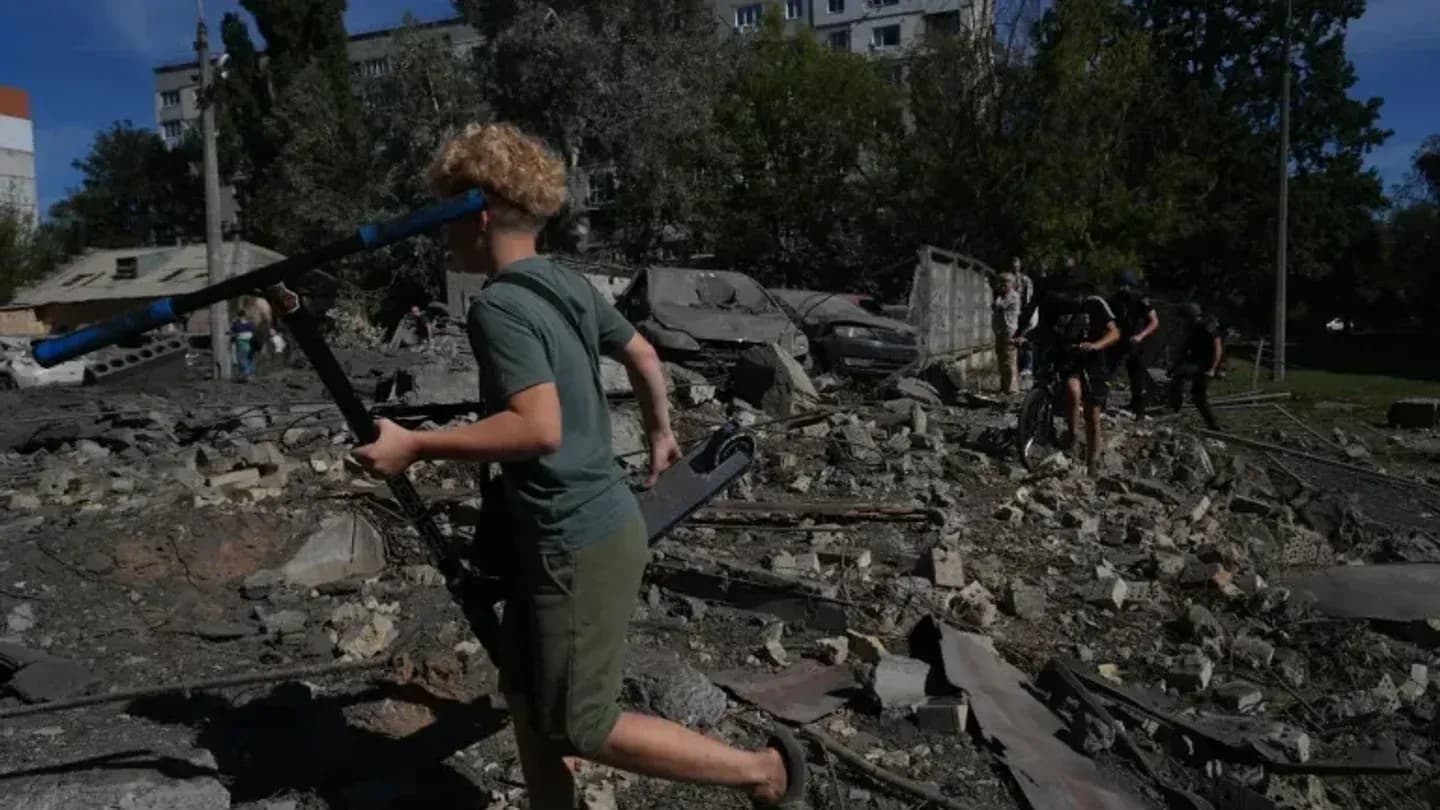
On the night the report was released, Russia struck Kyiv with missiles: seven people killed, among them two Kyivvodokanal workers, at least 17 injured, three bridges and a critical infrastructure facility damaged. The UN's October figures showed what that night confirmed: the war against civilians is intensifying, not receding.
October: civilian casualties nearly doubled in a year
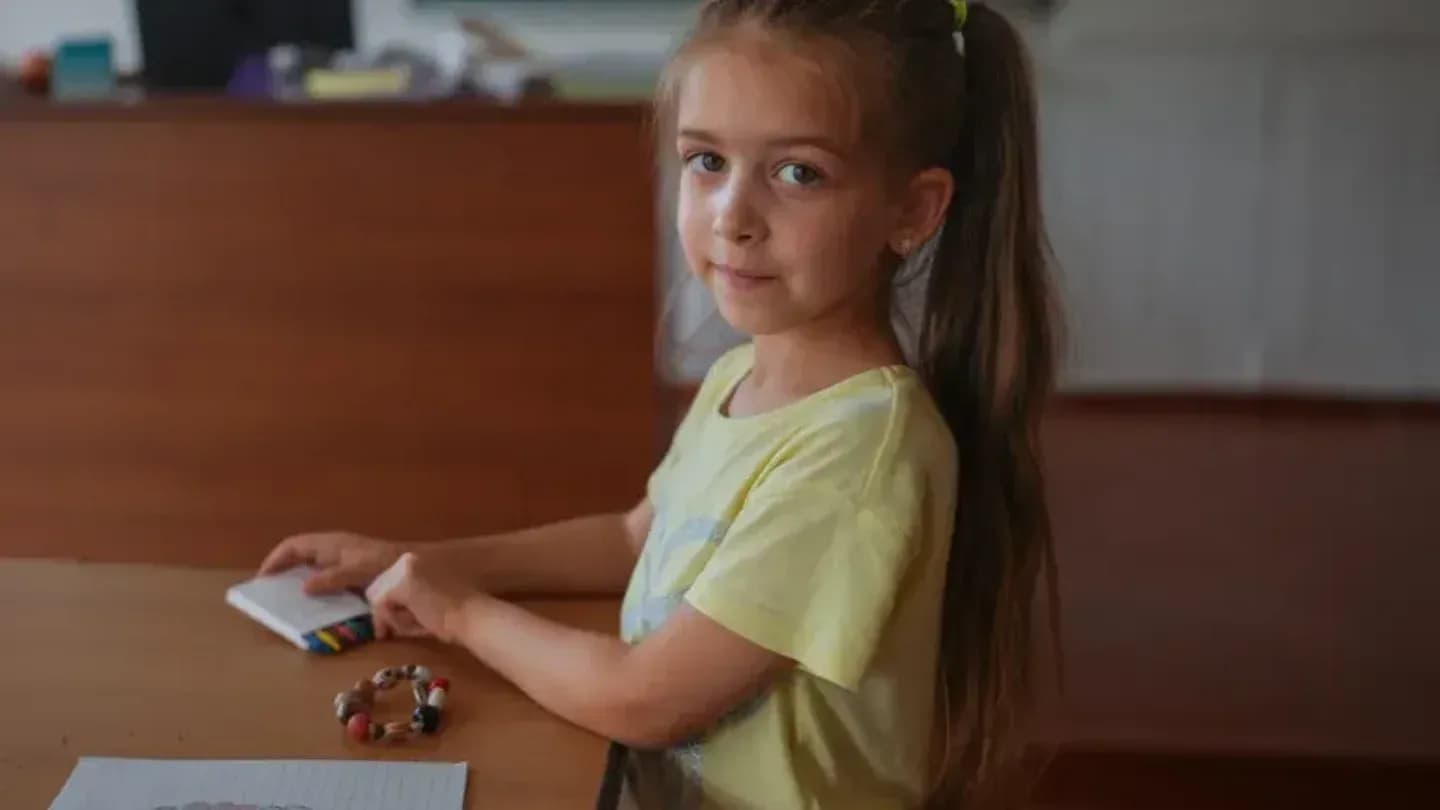
In October alone, according to the UN Human Rights Monitoring Mission in Ukraine, at least 146 children were killed or injured across the country — 150% more than in the same month of 2025. Child deaths in 2026 have already exceeded the full-year 2025 figure by more than 20%, and injuries by almost 60%. Among civilians overall, 372 people were killed and 1,981 injured in October: deaths and injuries together ran 95% higher than in October 2025. The mission notes that this year's toll is significantly higher than in previous years, and that Russian forces sharply intensified strikes on energy infrastructure in October.
The UN names long-range weapons as the main cause of civilian deaths: missiles and strike drones account for more than half of all those killed and wounded. The separate question is why they get through. On the night of 7 November, when a kindergarten in Kyiv's Solomianskyi district was hit, Russia fired 36 missiles at Ukraine and only four were shot down because of a shortage of Patriot interceptors, President Volodymyr Zelensky said. Of the night of 20 November he said defence forces had struck three Russian ballistic missile launchers, trying to destroy them with the means available. In October, the mission recorded, deaths from glide bombs doubled to 92 killed and 331 wounded; glide bombs and short-range drones accounted for an almost identical share of civilian casualties, 18% and 19%.
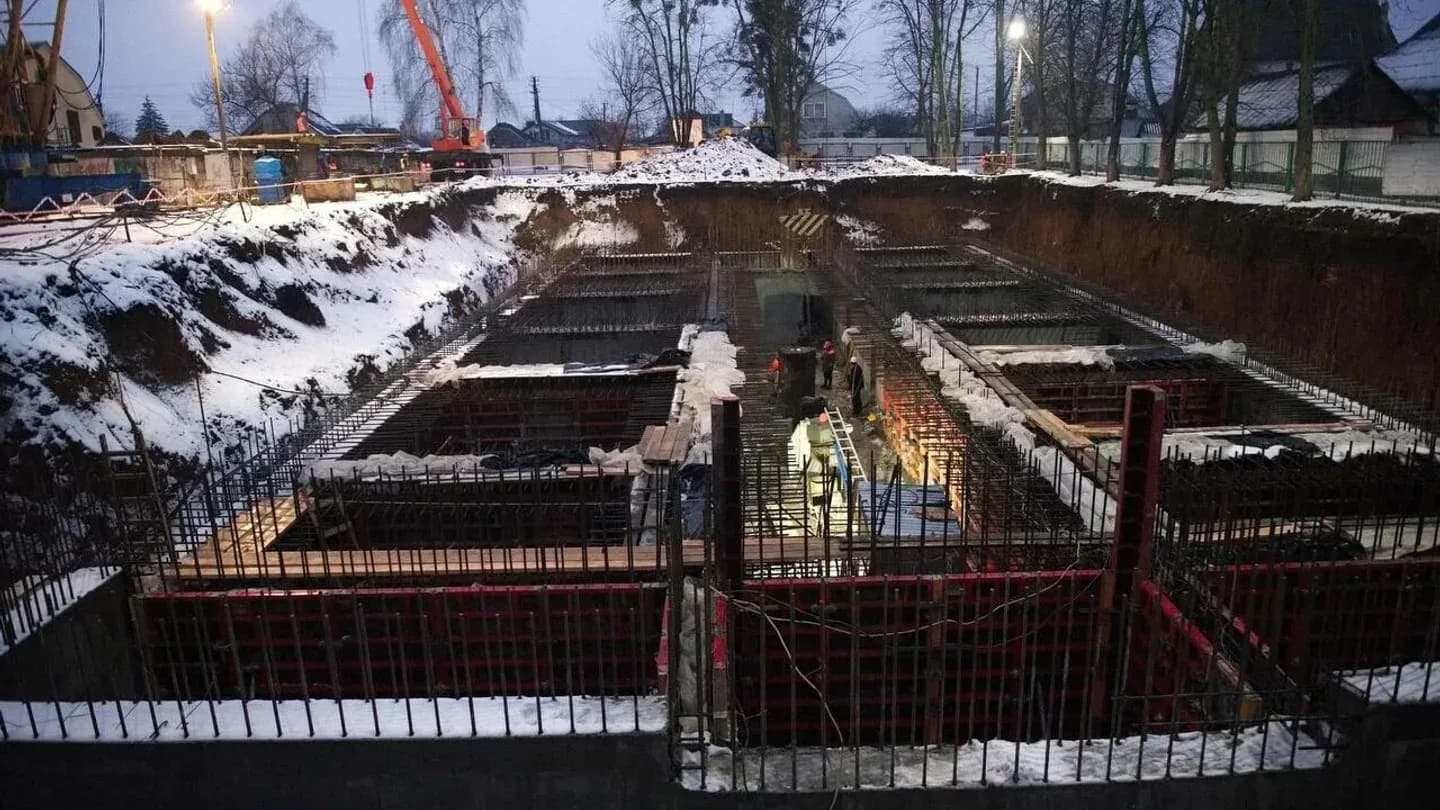
The latest data show an alarming escalation of violence affecting children in Ukraine. Because of attacks using missiles and strike drones, children and their families remain at risk at home, at school and in their communities, even far from the front line, UNICEF said in a statement on 20 November.
Schools in the crosshairs: about 270 attacks in a year
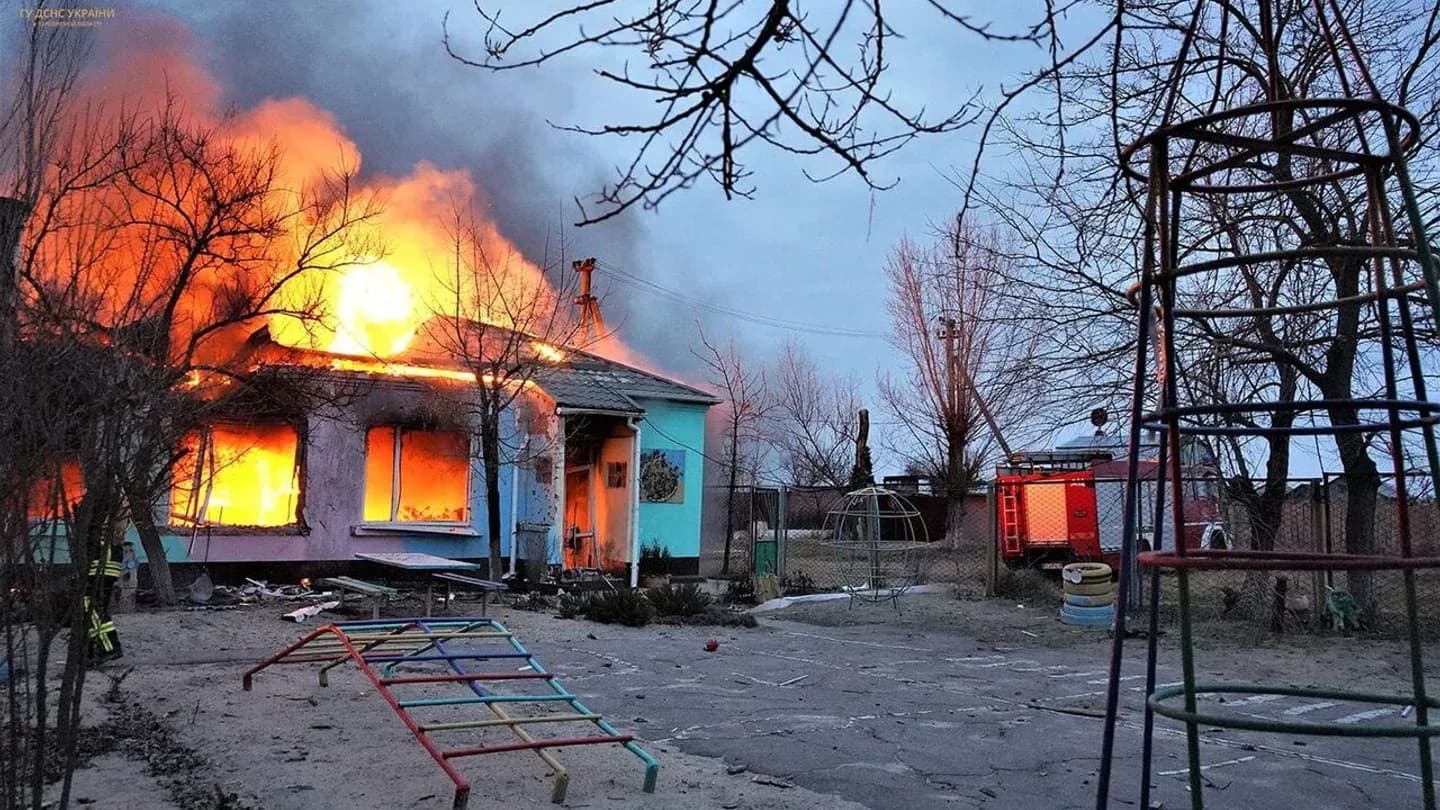
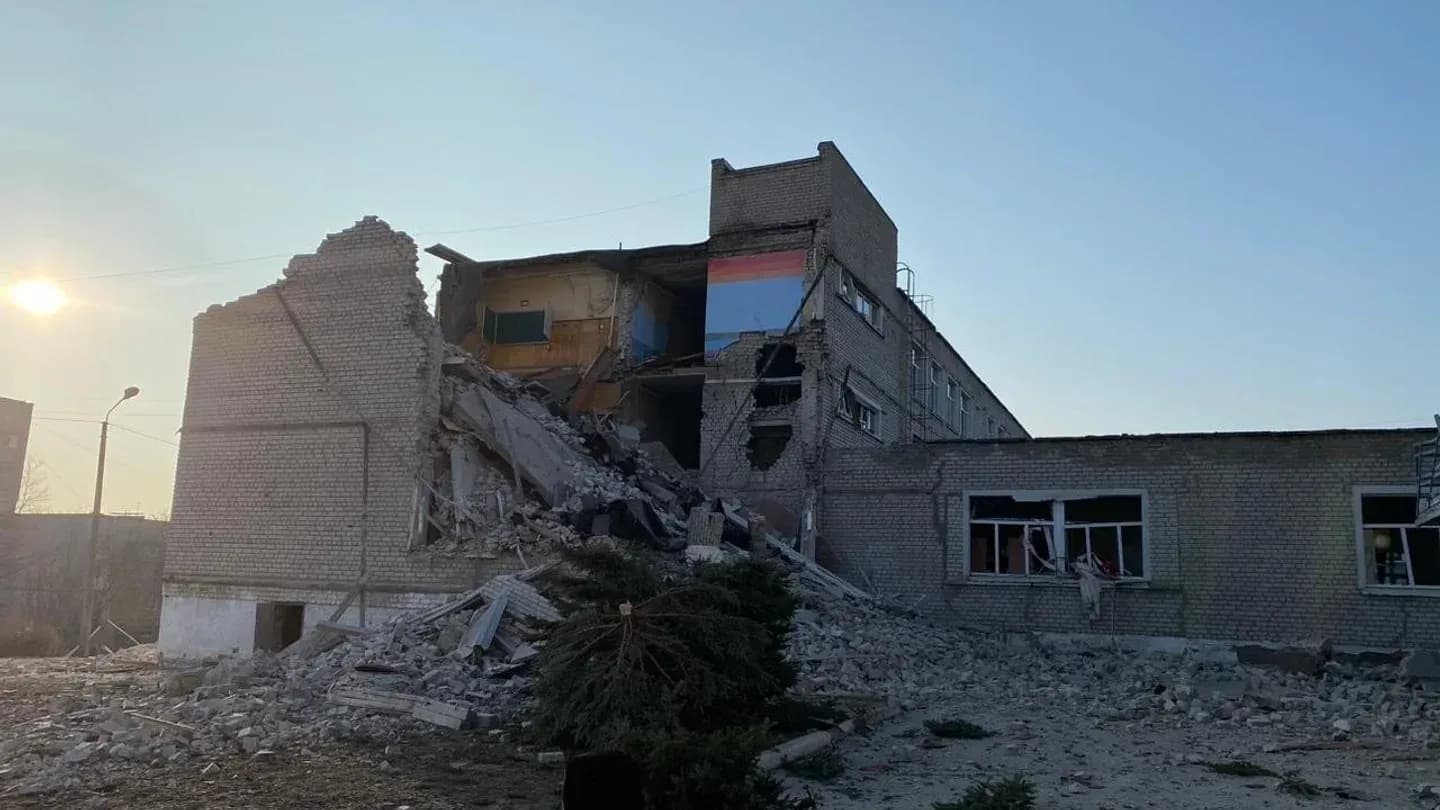
Since the start of the year the UN has verified about 270 attacks on educational facilities, and nearly two thousand since February 2022. On the night of 7 November, during a missile strike on Kyiv, a kindergarten in the Solomianskyi district was hit: six people were injured in the city, among them a 14-year-old child. UNICEF stresses that this kindergarten has now been struck by Russia for the second time. Nobody inside was killed or injured because the strike came overnight; the kindergarten building was damaged again.
The children who came here should be learning their colours. They should be learning their numbers and their first words. Instead, children across Ukraine are learning to recognise the sound of incoming drones. They are learning to run for shelter, UNICEF's Louise Wateridge told a televised briefing in Geneva from amid the wreckage of a playground.
Education has become a hostage of air-raid alerts. In September–October, alarms sounded during almost two thirds of school days (65.9%), against about a third (37.4%) a year earlier; roughly 34 hours of alerts fell directly on lesson time — over 13% of teaching time. In Kyiv, alerts during classes rose from 12 in September 2025 to 71 in September 2026, and in Dnipropetrovsk, Kirovohrad and Kharkiv regions children spent more than 60 hours of study time under sirens, affecting over 560,000 children.
Shelters: billions in contracts, half of schools unprotected
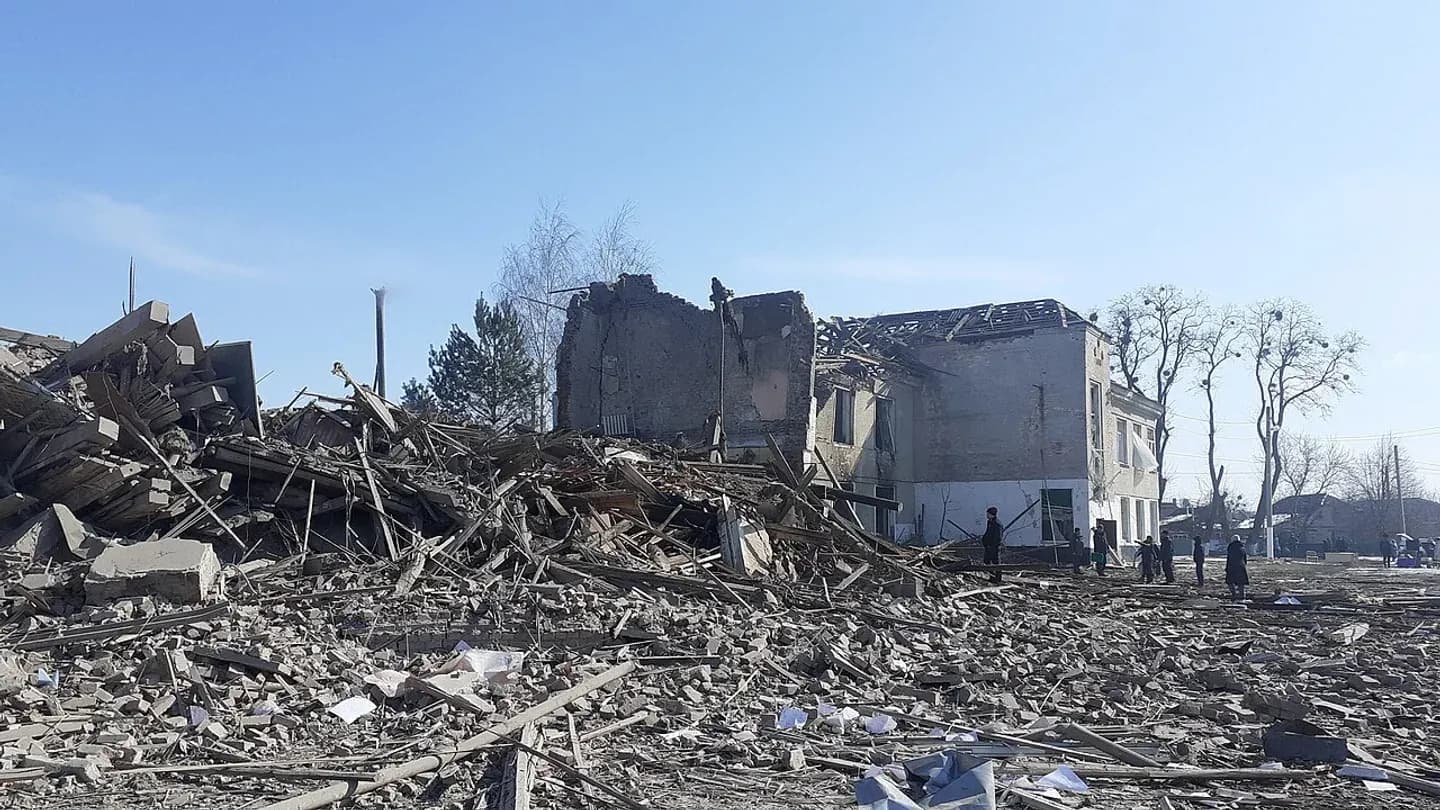
The state's answer is construction. The 2026 state budget set aside a UAH 5 billion subvention for shelters in general secondary schools — 113 facilities in 22 regions; as of September, according to the Ministry of Education and Science, 124 underground schools were operating, able to hold about 50,000 people at once. An analysis of public procurement by the Dozorro monitoring project counted 74 contracts worth UAH 7.7 billion for underground school construction between 1 January and 6 November.
But money does not turn into protection automatically. In Kyiv only 215 municipal schools out of more than four hundred — 52% — have shelters that can hold all pupils and teachers at once; 193 schools (47%) study in a mixed format, in two shifts or on a "traffic light" rotation, and four more institutions remain fully remote. Deputy head of the Kyiv City Administration Valentyn Mondryivskyi acknowledges that this year the city allocated almost half a billion hryvnias to shelter repairs and about UAH 900 million to construction, and about UAH 6 billion since the full-scale invasion began; yet last year district administrations returned almost UAH 800 million earmarked for shelter construction to the budget, and work on two dual-purpose structures in Desnianskyi district stopped entirely.
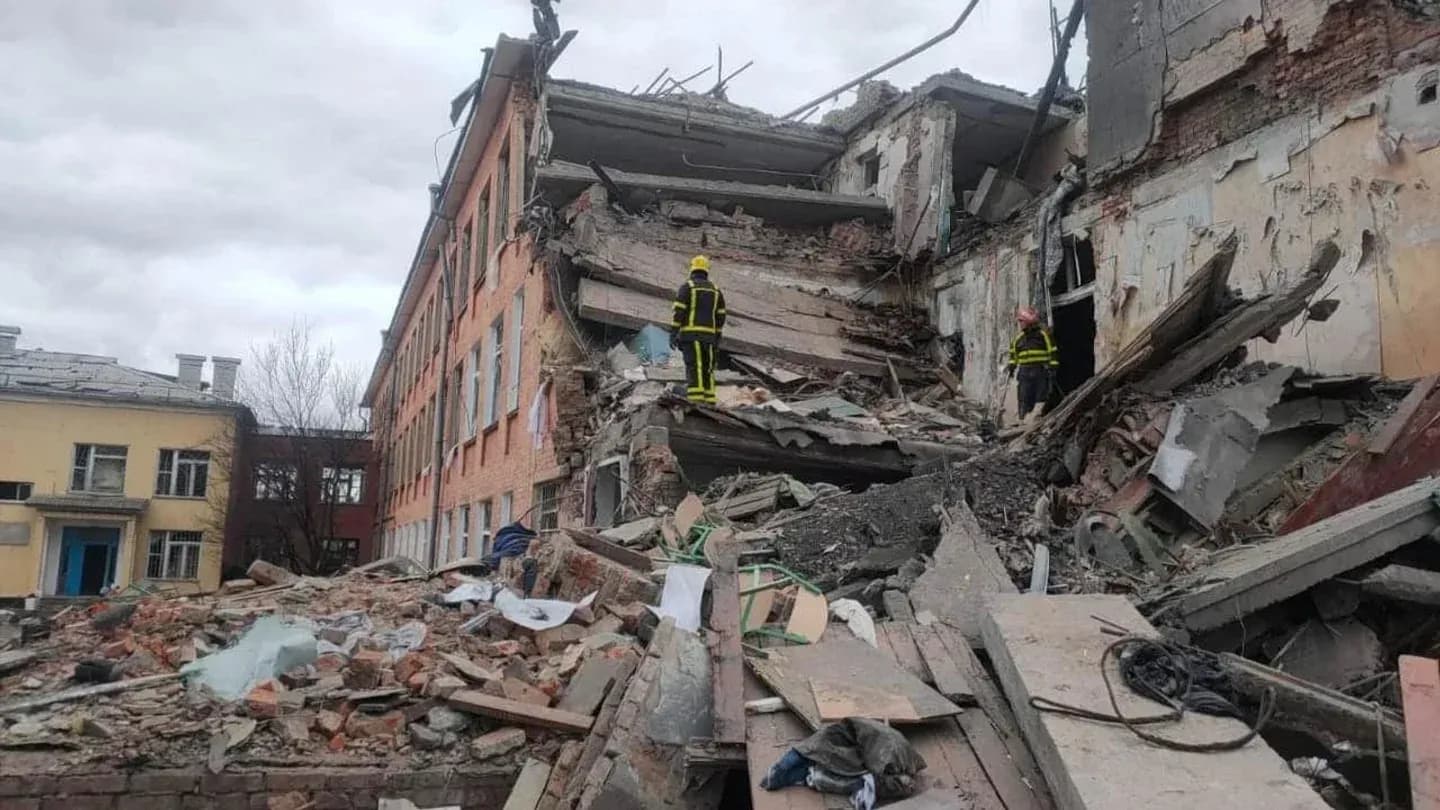
In Kherson the consequences are sharper: construction of three shelters was halted and contracts terminated over breaches of building codes, with criminal proceedings opened — even though contractors had already been paid tens of millions of hryvnias, and the damage to the community, according to the head of the Kherson city military administration, remains uncompensated. In Kharkiv region, the leader in underground school construction (16 contracts worth UAH 2.22 billion), only one bidder showed up in 12 of 16 tenders. In Kyiv, a UAH 294.1 million contract was signed for lyceum No. 191, but the 2026 budget allocated only UAH 100,000 — work never started.
The limit of this protection was exposed in Komyshuvakha in Zaporizhzhia region. On 2 November, Russian guided air bombs, including a FAB-3000, destroyed the underground school where a humanitarian aid distribution point was operating. Seventy-two people died — rescuers, police officers, gymnasium and administrative service staff, utility workers, medics, and a teacher who came to the shelter to run online lessons for children who had left; four people remain missing. During the two-week search operation, occupying forces struck the site nine more times, wounding three police officers and four rescuers. Current building codes do not require shelters to be designed for a direct hit by such bombs — a question, in this publication's assessment, that the state has still not asked itself out loud.
What the promise of a "nationwide priority" is worth
Since 2025 Ukraine has marked Children's Protection Day on 20 November: the date was moved from 1 June by presidential decree No. 355/2025, which declared the protection of childhood a "nationwide priority". The first full year under the new date brought the worst child-casualty statistics in three years, and the day of the report itself began in Kyiv with seven dead. A holiday conceived as a day to celebrate achievements in protecting children's rights passed under air-raid sirens.
Children are paying an unacceptably high price for this war, and it has gone on for too long. Today, on World Children's Day, we should be celebrating achievements in protecting children's rights. Yet in Ukraine children continue to live in fear, said Anne-Claire Dufays, head of the UNICEF Representative Office in Ukraine.
The juvenile police of the National Police give another measure of the losses: since the start of the full-scale invasion, 771 children have been killed and 3,040 injured; 2,358 children are still being searched for, although more than 61,000 have been found. Police evacuated 55,847 children to safer regions; 11,859 schools have an assigned juvenile police officer.
Ahead lies the fifth winter of the war. Verified attacks on energy infrastructure in 2026 have reached their highest level since the full-scale invasion began — 78% more than in all of 2025 — with power cuts lasting from 4 to 18 hours. For children this is not only cold: without electricity, water failures reach homes, schools and hospitals. The state that declared the protection of childhood a nationwide priority enters this winter with 47% of Kyiv's schools unable to hide all pupils at once during an alert, with criminal proceedings in Kherson opened only after contractors were paid, with four missiles shot down out of thirty-six — and with building codes still not designed for a direct hit by bombs that have already killed people underground.
Primary sources
Documents and statements this story is based on.