Rome demands explanations over Myrotvorets: all eight Five Star MEPs now on the 'anti-Ukrainian' list
Italy's foreign ministry instructed its ambassador in Kyiv to seek explanations from Ukrainian authorities after the Five Star Movement's MEPs were added to the Myrotvorets 'anti-Ukrainian' list. The site keeps publishing personal data; the state keeps offering no legal assessment.
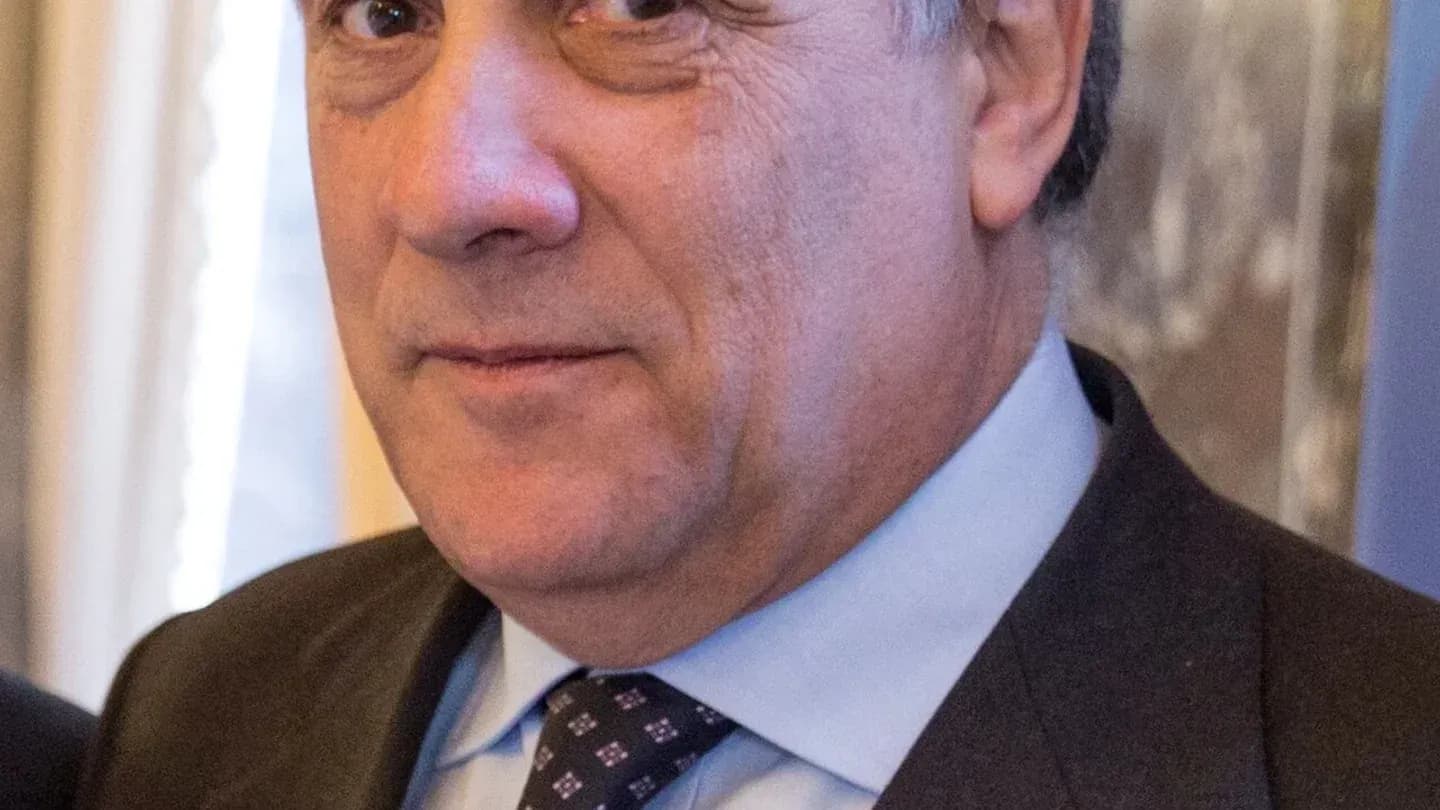
Italian Foreign Minister Antonio Tajani has instructed Italy's ambassador in Kyiv, Carlo Formosa, to make a démarche to the Ukrainian authorities and demand explanations over the inclusion of Five Star Movement MEPs in the list of 'anti-Ukrainians' published on the website of the Ukrainian organisation Myrotvorets. The communiqué was released on 18 November. By then the list already contained all eight MEPs who represent the party in the European Parliament.

The scandal unfolded in three days. On 16 November the site published the profile of Danilo Della Valle, an M5S MEP known for criticising arms deliveries to Ukraine. The resource accused him of 'participation in acts of humanitarian aggression', 'manipulation of information' and 'spreading propaganda'. Della Valle demanded the removal of his data and wrote to European Parliament President Roberta Metsola. In response, seven more names appeared on the list: Pasquale Tridico, Dario Tamburrano, Gaetano Pedullà, Valentina Palmisano, Carolina Morace, Mario Furore and Giuseppe Antoci. As in other cases, the site publishes the MEPs' photos and personal data, including links to their social media profiles.
From a doxing accusation to a diplomatic demarche
Della Valle described what he saw as 'a practice of doxing and publishing data on so-called “enemies of the state”, exposing them to the risk of physical and moral persecution'. In a post on X he wrote: 'The European Parliament has already called for the site to be banned. The UN High Commissioner condemned its violations, while the OSCE and G7 ambassadors flagged the risks of spreading personal data. Now calls must be followed by action. Our ideas can be challenged. The right to express them is inviolable.' The eight MEPs are asking Metsola for 'urgent intervention' to defend the European institutions and 'the physical safety of citizens' representatives'.
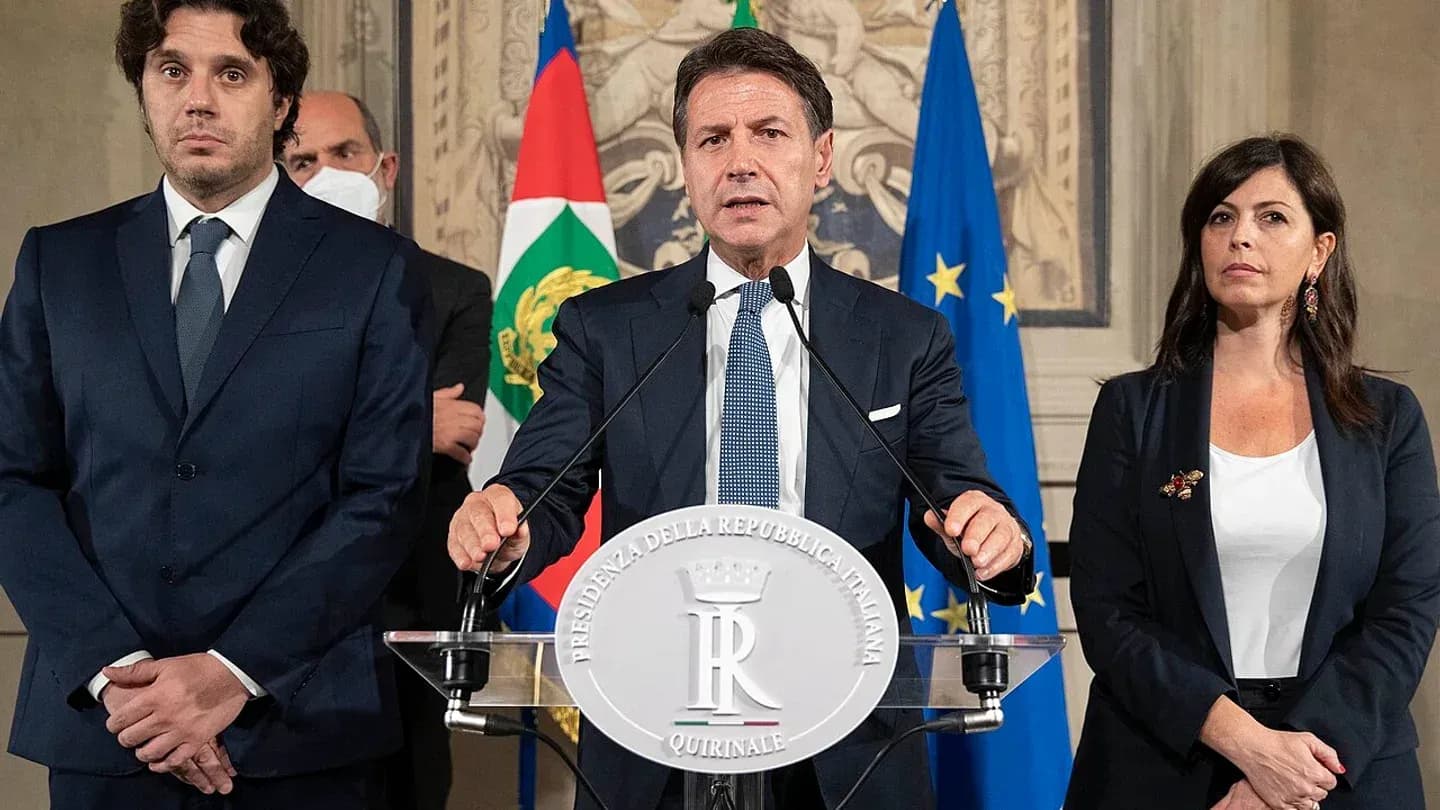
Party leader and former prime minister Giuseppe Conte warned of the danger of creating real 'proscription lists' against those who advocate a negotiated end to the war rather than new arms deliveries, and called the eight listed 'peacemakers who represent the position of many Italian citizens'. The M5S groups in both chambers of the Italian parliament called the listing 'political intimidation of democratically elected representatives' and demanded that the government secure the removal of the names. Senator Alessandra Maiorino tabled a question to Tajani: whether the government has information on the platform's 'links with Ukrainian institutional or security bodies', whether it assesses the risks to the MEPs, and whether it plans a diplomatic initiative. The European Parliament's press service said its competent services 'constantly monitor threats to the safety of MEPs and staff', including cyber threats.
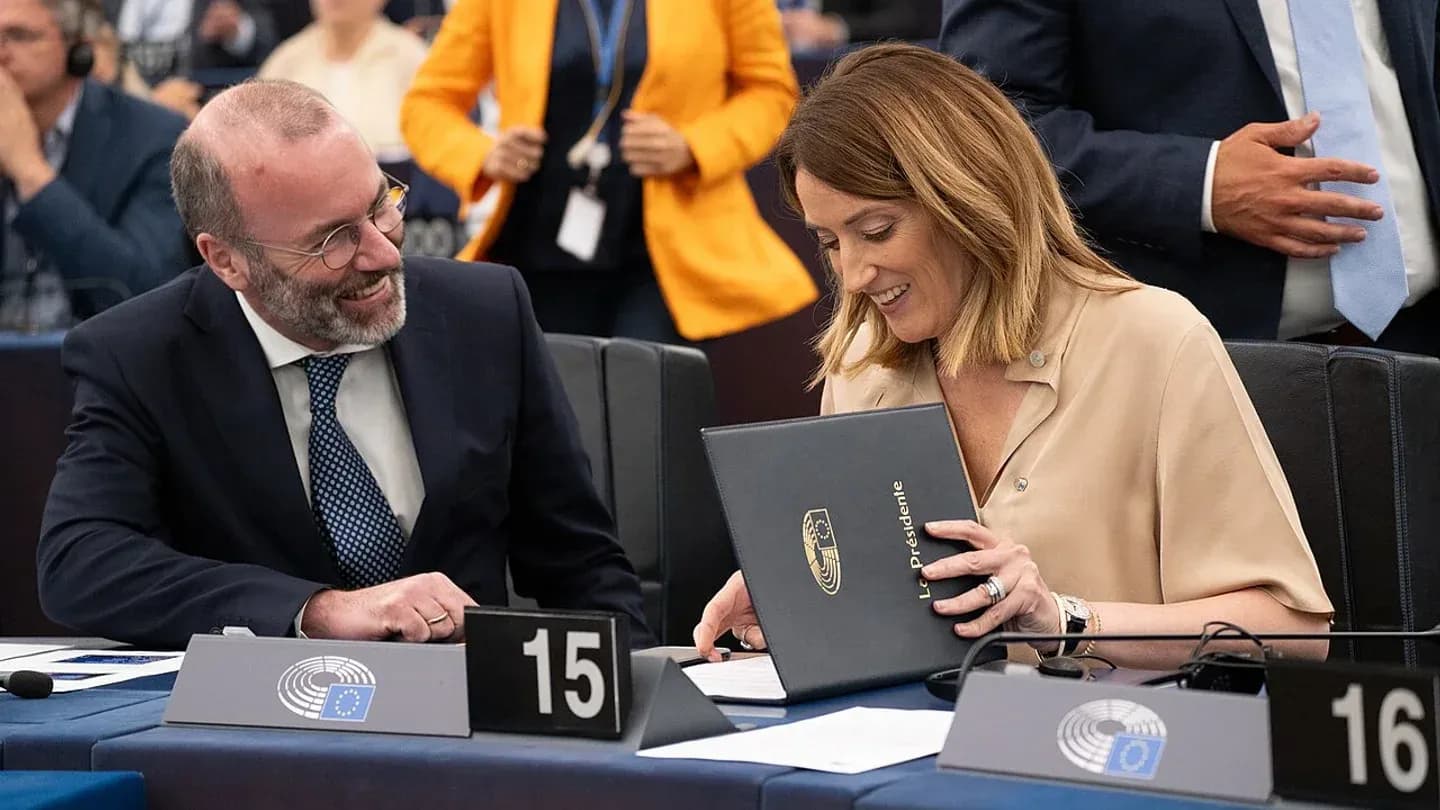
The Farnesina itself dressed the demarche in general terms: freedom of expression and respect for political pluralism are fundamental principles of democracy that must always be protected. At the same time Rome stressed that Italy will continue to support Ukraine. In other words, this is not a review of support, but proof that a Ukrainian resource with no official status has once again become a matter of interstate relations.
A website no one answers for
As of the morning of 19 November, no public reaction from Ukraine's foreign ministry, law enforcement or parliament to the Italian demarche had appeared. Yet the question of the site's legality has hung in the air for more than a decade. In May 2016 Myrotvorets published the personal data of 4,508 journalists who had worked in the occupied Donbas: the OSCE representative on freedom of the media spoke of threats to their safety, Human Rights Watch stated that the list put lives at risk, the G7 ambassadors in Kyiv demanded the data be removed, and then-president Petro Poroshenko called the publication a 'big mistake'. The SBU found no violation of the law in the site's actions at the time; in 2017 the National Police opened criminal proceedings, and the UN High Commissioner for Human Rights urged Ukraine to investigate the resource's operations.
How such stories end is shown by Ukraine's own report to the UN Human Rights Committee: in its reply of 5 November 2024, recorded in the committee document of 11 May 2026, the consolidated proceedings on the unlawful collection and dissemination of personal data via the Myrotvorets website were at the pre-trial investigation stage. No case number, no suspects, no court ruling. The site's precedents are not abstract: in April 2015 it published the home addresses of writer Oles Buzina and former MP Oleh Kalashnikov days before they were killed; in 2018 Germany demanded that Kyiv remove the resource after former chancellor Gerhard Schröder was listed; at various times the list has included Henry Kissinger, Roger Waters, FIFA president Gianni Infantino and even Olena Zelenska, removed from the database the next day.
Formally, Myrotvorets is a non-governmental organisation with no state status. In practice its data have for years been used at checkpoints and, according to a report published on the OSCE website, in more than a hundred court cases. The state thus benefits from the resource's work while declining responsibility for its methods. The ombudsperson's reaction has usually been limited to case-by-case appeals: in 2023 the secretariat of the Ukrainian Parliament Commissioner for Human Rights secured the correction of data on a woman added to the database without any substantiated grounds.
The Italian ambassador's demarche has already taken place, and the open question is who will answer it: the foreign ministry, which distances itself from a site it does not control; the National Police, whose personal-data investigation has dragged on for years without a decision; or parliament, which has never given a legal assessment to the doxing of elected representatives of European institutions. Until that answer exists, every new name on Myrotvorets will mean for Kyiv not a reckoning with enemies but a conversation with partners about its own obligations.
Primary sources
Documents and statements this story is based on.