
60 days in custody and a 166,000 hryvnia bail: Vinnytsia court rules on two recruitment centre soldiers who gassed a car with a pregnant woman
One suspect may leave on bail, the other may not. The victims wrote that they hold no claims — but the case under Part 4, Article 296 of the Criminal Code continues.
On 17 November the Vinnytsia City Court remanded in custody for 60 days two servicemen of a territorial recruitment and social support centre suspected of hooliganism after the stop of a civilian car in the Old Town district: inside were a 22-year-old driver and a 21-year-old pregnant passenger. One was allowed to leave on bail of 50 subsistence minimums for able-bodied persons — 166,400 hryvnias under the 2026 figures. The other was denied bail altogether.
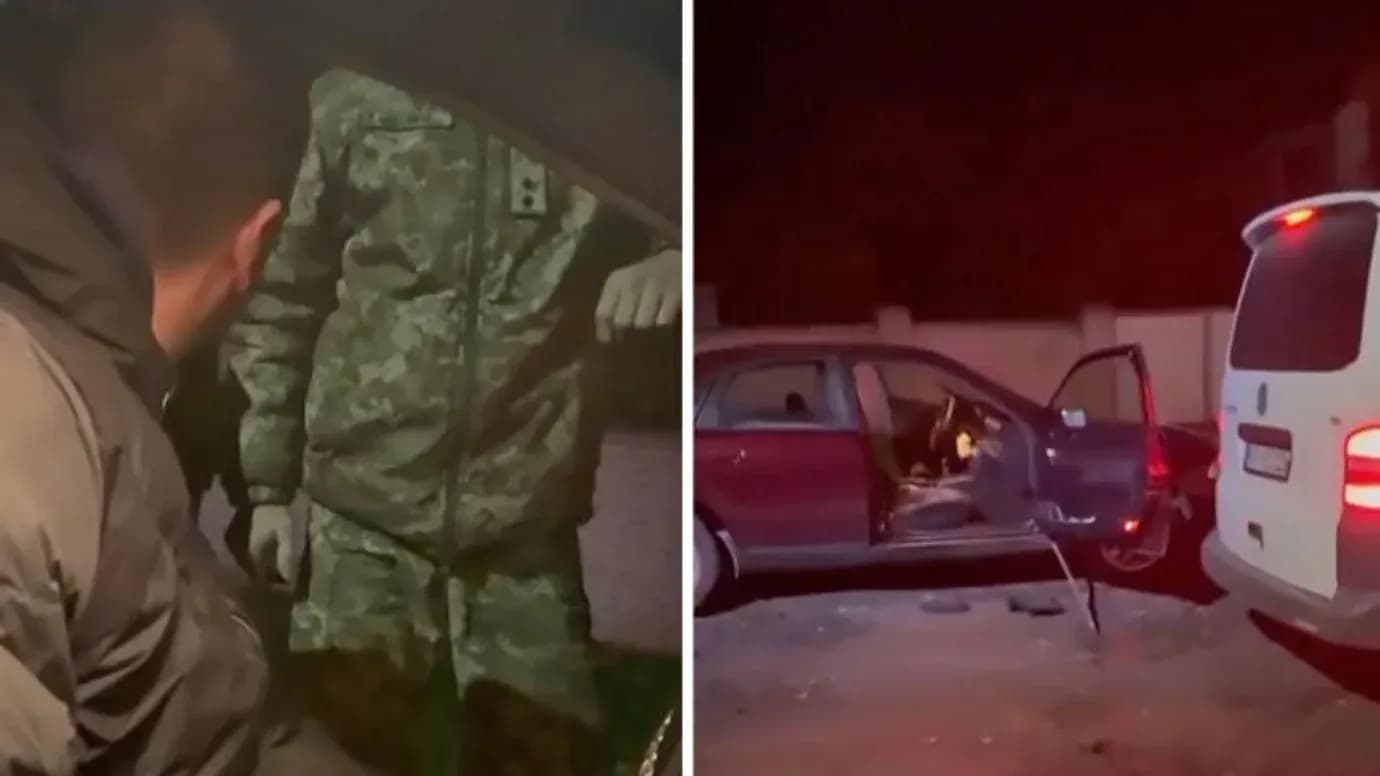
What the court established
According to the investigation's version set out in the ruling, the suspects were performing duties linked to mobilisation measures and the notification of citizens when they stopped the car. While talking to the driver and the passenger, the investigative judge found, the men formed the intent to commit hooligan acts: they began wrenching the car doors by force and used a specialised chemical agent, which caused chemical burns to both victims' eyes. One of the suspects then fired towards the driver with a signal-start pistol. The court also recorded that one of the men was in a state of drug intoxication at the time of the incident.
Forgiven, but behind bars
The victims submitted written statements to the court saying they hold no claims against the suspects; at one of the hearings a victim personally upheld those statements and said the suspects had been forgiven. This did not change the preventive measure: the court weighed the soundness of the suspicion and the risks of obstructing the investigation under Article 177 of the Criminal Procedure Code, and granted the prosecution's motion. The court described that motion as custody with the right to post bail of 50 subsistence minimums for each suspect; in the end one retained the right to bail, the other did not. A different account of the same motion has been voiced publicly: Volodymyr Cherkas, who identified the detainees as employees of the Tulchyn district recruitment and social support centre, asserted that prosecutors had asked only for bail and that the investigative judge chose the harsher measure on his own initiative. The court's statement contains no such description of the motion.
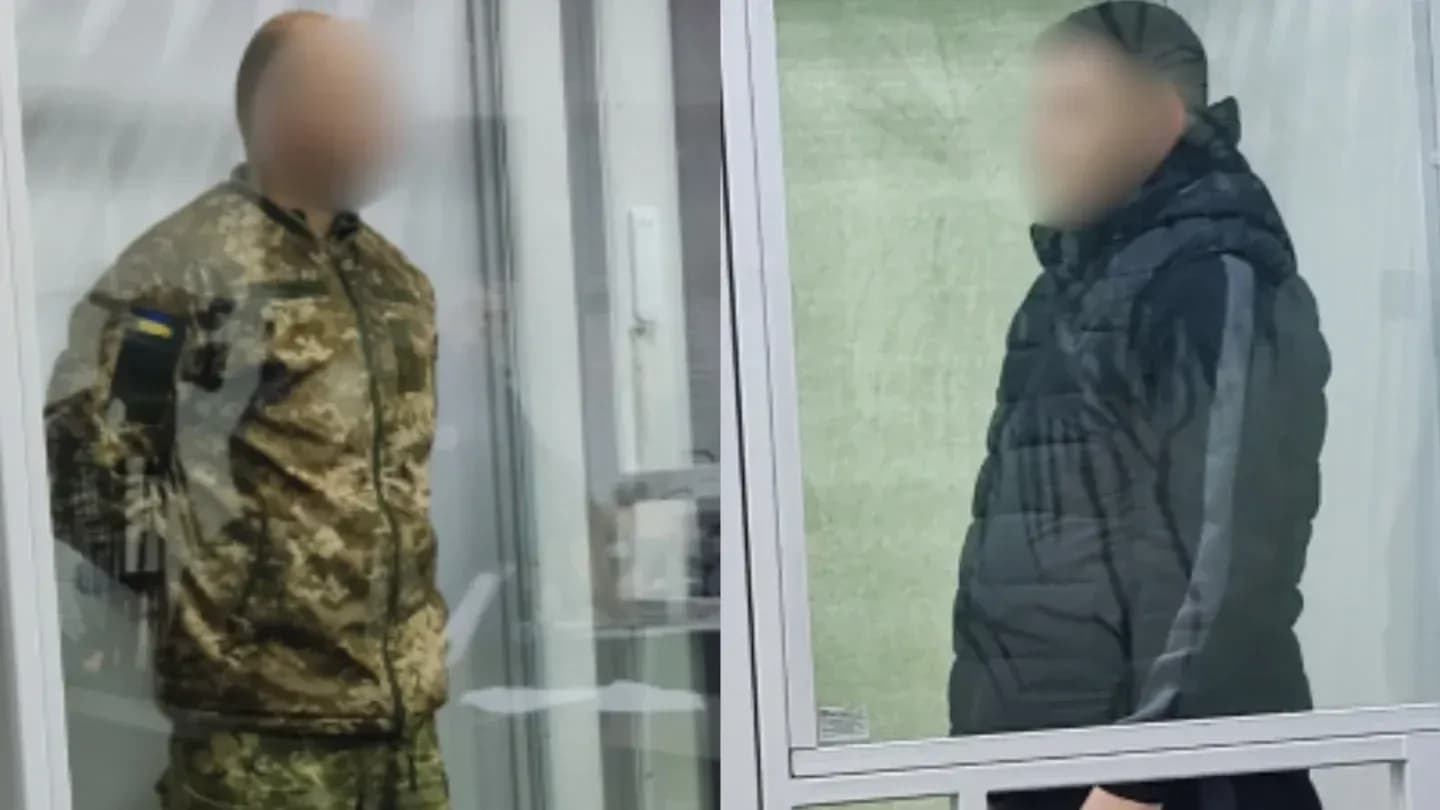
Who these soldiers are
The 14 November incident was made public by MP Oleh Meidych: he posted video of it, called the actions unacceptable and demanded an objective investigation, saying he was taking the matter under personal control. Police in the Vinnytsia region notified two recruitment centre employees of suspicion under Part 4, Article 296 of the Criminal Code — hooliganism committed with the use of a weapon or another specially adapted item to inflict bodily injury; the sanction provides for three to seven years of imprisonment. The detainees' affiliation with the Tulchyn district recruitment and social support centre comes from Cherkas's post: the court did not name the unit. The Vinnytsia regional recruitment centre confirmed the use of a gas canister and damage to the civilian car and opened an internal inquiry; its results had not been published by the time of the ruling.
The camera that was supposed to record
The incident happened inside a system where video recording is already mandatory. Since 1 September 2025, notification of conscripts is carried out exclusively with body cameras — this follows from the defence minister's urgent instruction of 29 August 2025, which courts cite in rulings punishing recruitment centre soldiers for working without video recorders. Fines for such violations reach 17,000–34,000 hryvnias: a serviceman of the Tulchyn centre's second department was fined 34,000 hryvnias for notifying without a camera in Vinnytsia, and the Vinnytsia Court of Appeal upheld the penalty, noting that ignoring video-recording requirements indirectly breeds a sense of impunity. If the suspects do serve in the Tulchyn district centre, as the author of that post claims, then the unit in question has already appeared in court rulings over working without a camera. Whether body cameras were running on 14 November and what they recorded is not known from the ruling.

A system that does not hold
Parliamentary Human Rights Ombudsman Dmytro Lubinets said that in the past month alone 59 criminal proceedings were opened on materials from his office, and warned of the risk of physical confrontation between civilians and soldiers over recruitment centre conduct. He proposed treating a switched-off body camera as an automatic sign of a criminal offence by a recruitment centre employee, conducting notifications only together with police, and installing video surveillance in all recruitment centre premises. These are proposals, not binding rules: none of them had been adopted by the time of the Vinnytsia incident.
The Vinnytsia ruling is the first judicial assessment of an episode that combined everything that has featured for years in complaints about mobilisation groups: a special agent used against civilians, a damaged car, one participant's intoxicated state, and no public answer to the question of who supervised this group on the street. The victims' statements of no claims do not close the case: hooliganism is an offence against public order, and the proceedings continue despite the forgiveness. But they raise a separate question — under what circumstances people who suffered chemical eye burns waive, in writing and within days, their claims against the soldiers who injured them.
The pre-trial investigation continues: the custody term runs for 60 days, and the article's sanction provides for up to seven years of imprisonment. Separately, the Vinnytsia regional recruitment centre will have to publish the results of its internal inquiry, and the investigators will have to answer whether the notification measures on 14 November were video-recorded, as has been mandatory since 1 September 2025. Those two answers will decide whether the Vinnytsia case becomes a precedent of accountability for mobilisation groups or dissolves into procedural deadlines.
Primary sources
Documents and statements this story is based on.
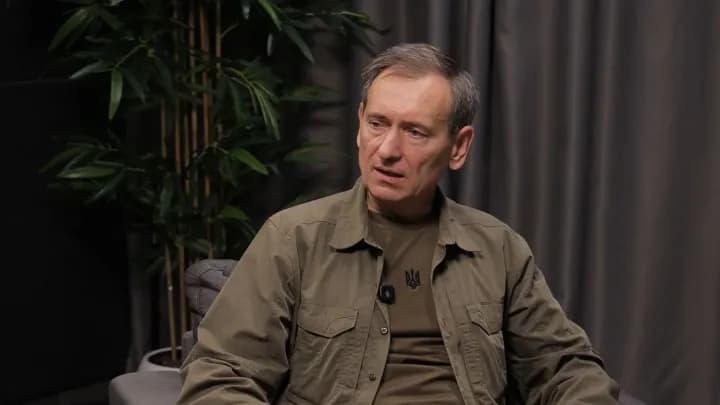
Venislavskyi: the committee still has not received the Defence Ministry's laws on fair mobilisation, while deferrals have partly become a business
A Shield for the Rich: How the Koretsky Government Is Preparing Class-Based Mobilization
Koretskyi Admits ‘Massive Abuses’ in Draft Exemption System – and Promises Nothing Will Change
“Self-Defense” Against a Grandmother: How Ukraine’s Mobilization Machine Turned on Its Own People