Venislavskyi: the committee still has not received the Defence Ministry's laws on fair mobilisation, while deferrals have partly become a business
MP Fedir Venislavskyi, a member of parliament's national security and defence committee, says the package of bills on fair mobilisation and AWOL cases has never reached the committee, while the government rewrites deferral rules by decree without consulting MPs.
The Verkhovna Rada's specialised committee has still not received from the Defence Ministry the package of bills meant to make mobilisation fairer and to address, in a systematic way, the problem of servicemen abandoning their units without authorisation. This was stated by MP Fedir Venislavskyi, a member of the parliamentary committee on national security, defence and intelligence. Meanwhile the rules under which Ukrainians are conscripted or deferred are being changed not by laws but by Cabinet of Ministers decrees — the latest one adopted without consulting the specialised committee.
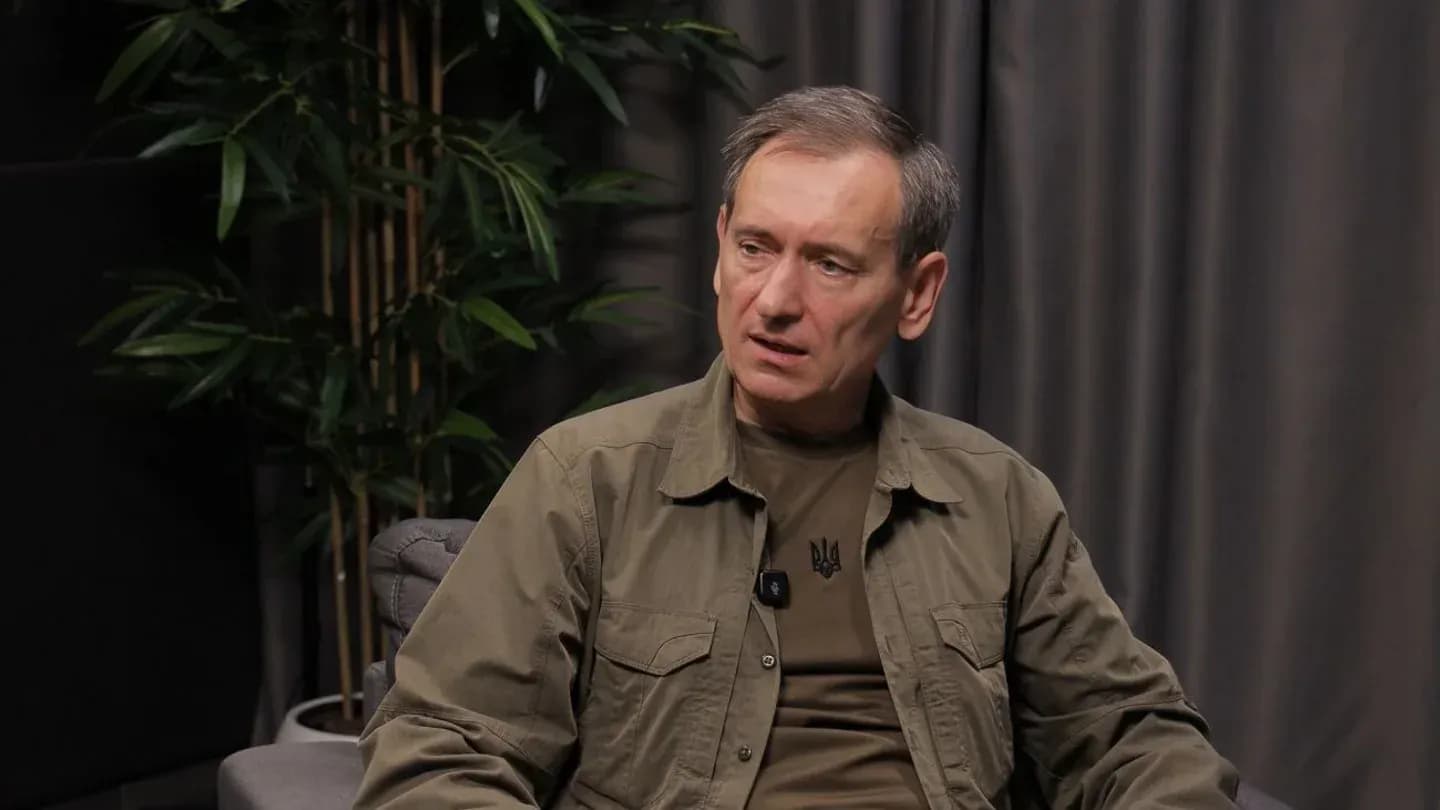
According to Venislavskyi, after closed hearings in the committee — last week it heard the head of the General Staff's Main Personnel Directorate, representatives of the Mobilisation Department and a deputy defence minister — the mobilisation dynamics look like this: about 30,000 people a month, and for a long time a fairly large share of them were people who, by age or health, could not actually perform combat tasks. After tighter control over military medical commissions, the share of those fit for service is growing.
Conflicts around the so-called “busification” — street detentions with people loaded into minibuses — have, in the MP's words, practically come to nothing, not least because servicemen of the Military Law and Order Service were brought into mobilisation operations.
“Conflicts linked to the so-called ‘busification’, when conscripts or just anyone were grabbed in the streets and put into minibuses, have practically come to nothing… Overall we have good dynamics,” Fedir Venislavskyi says.
But the “good dynamics” end where the laws begin. The committee is still waiting from the Defence Ministry and the Cabinet for a package of bills: on measures that would make mobilisation fairer, and on a systemic solution to AWOL cases. “So far they have not been presented to the committee,” the MP states. Without these documents, the key rules of conscription remain in the field of government decrees.
Deferrals: from protecting the economy to a paid service
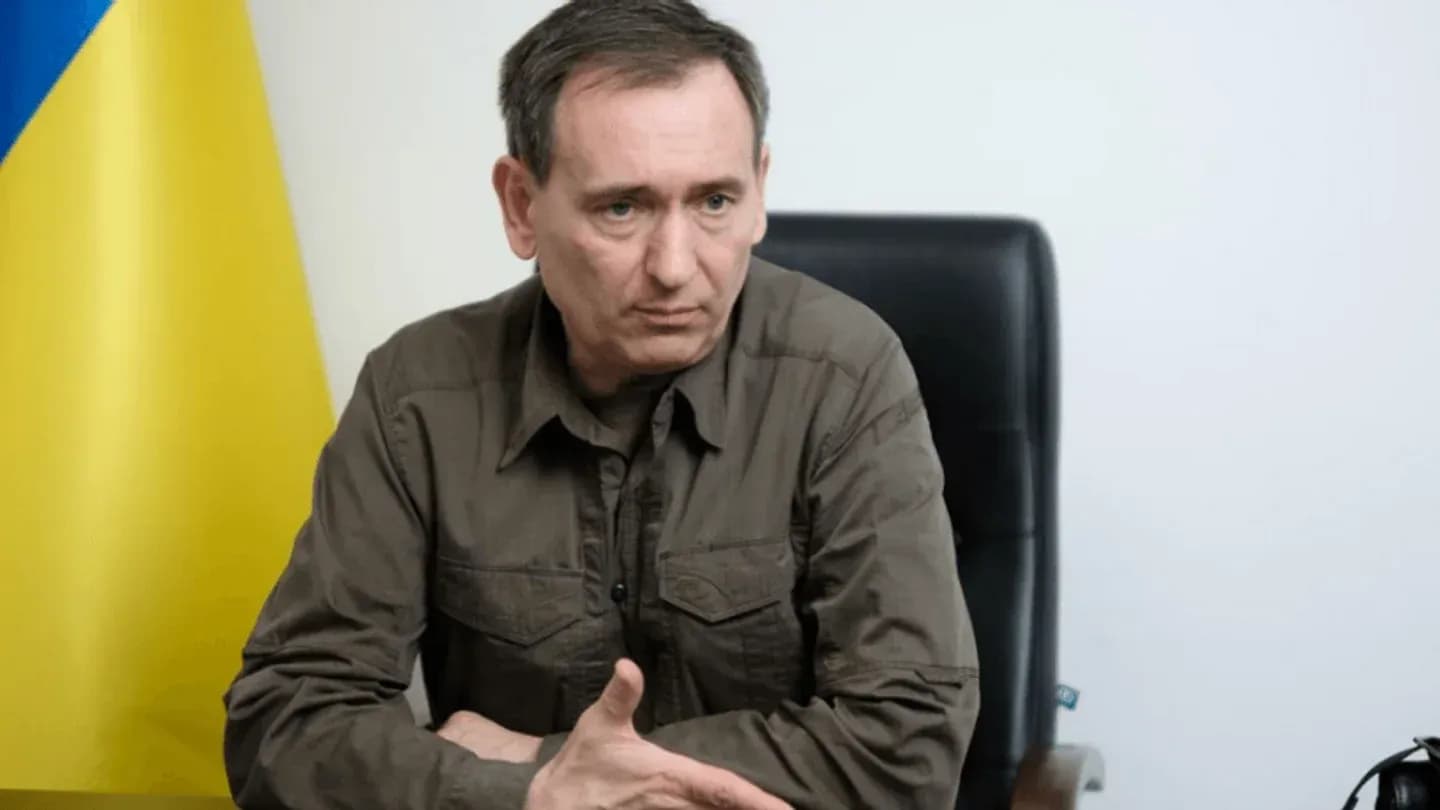
Venislavskyi's second admission concerns deferrals. The mechanism meant to keep the economy and critical infrastructure running has, in his words, partly turned into a business of making money off citizens: a number of enterprises with “critical” status were in effect providing people with deferrals for money. The government's logic is visible in official documents: in a letter dated 12 November the Economy Ministry listed abuses found during inspections — enterprises formally met the salary and no-tax-debt requirements but made no actual contribution to defence, and used the possibility of 100 per cent deferral to put employees on posts unrelated to critically important tasks. The government responded with decree No. 1328 of 23 October: the maximum deferral quota for defence-industry and fuel-and-energy enterprises was cut from 100 to 95 per cent, a Coordination Centre for organising deferrals was created, and sectoral criticality criteria were to be reviewed within ten days. The Cabinet adopted the decree without consulting the specialised parliamentary committee — and Venislavskyi criticises this separately: agreeing such matters falls within the committee's remit.
The consequences of the rush are already visible. As of 13 November the Economy Ministry had still not received from the Defence Ministry the draft updated criticality criteria for defence-industry enterprises — the ten-day deadline had passed. MP Oleksandr Fediienko announced an additional parliamentary inquiry: whether the Defence Ministry developed the new criteria, whether it sent them to the Coordination Centre for approval, and why not. “The defence industry cannot work in conditions of uncertainty caused by untimely decisions of state bodies,” he said.
On 19 November it emerged that the government is preparing yet another manual change: a mechanism of 100 per cent deferral on condition that the enterprise monthly sends up to one per cent of its conscripted employees to the Armed Forces, with their jobs and salaries preserved. Fediienko, who received the draft decree, lists the unresolved questions: who will look for these people — the enterprise, the recruitment office or the state; whether the sending will be voluntary; who will compensate the business for its costs; and what happens if the company cannot meet the obligation. “I used to think that deferral was not a privilege for business. It is a tool for preserving the economy, jobs and the country's critical infrastructure,” the MP concludes.
Money: four to five times less than needed
In the draft state budget for 2027, adopted in the first reading at the end of October by 239 votes, UAH 4 trillion 885 billion — 43.8 per cent of GDP — is allocated to the security and defence sector. By Venislavskyi's estimate, the sector's real needs exceed the amount the state can allocate four to five times over. The entire revenue side of the budget goes exclusively to security and defence; education, medicine and social protection are financed through external borrowing and grants. Finance Minister Serhii Marchenko put the uncovered external financing need for next year at $32.6 billion, and of the roughly EUR 70 billion of resources needed for defence in 2027, EUR 40 billion remain unsecured.
This gap explains why mobilisation pressure does not ease and why deferral rules are rewritten by hand: a state that cannot finance defence even within its own revenues compensates the shortage of money by administering human resources. For defence-industry enterprises this means staffing uncertainty right now; for conscripts, the risk that their employer's critical status will be reviewed under updated criteria that still do not exist in finished form.
Age, conflicts and accountability
The mobilisation age range of 25 to 60 remains unchanged, and there are no legislative initiatives to alter it. Venislavskyi is not alone in confirming this: on 11 November Iryna Borzova, head of the subcommittee on state youth policy, said parliament has no registered bill on lowering the mobilisation age. Venislavskyi himself believes that even initiatives to lower the age to 18–22 would have no chance of passing parliament.
The price of chaotic rules is visible beyond statistics. On 2 November in Petropavlivska Borshchahivka near Kyiv, clashes broke out around a house where servicemen were held: the SBU identified about a hundred active participants, and the case grew into three criminal proceedings — obstructing the lawful activity of the Armed Forces, disseminating information about the location of defence forces, and mass riots. The SBU considers the crime premeditated: according to the service, the organisers sought to abduct a National Guard serviceman and create public resonance. The State Bureau of Investigation separately opened a proceeding on the events and is examining the actions of servicemen. Venislavskyi recalls this story as an example of an internal conflict the enemy uses in its propaganda — and at the same time as a situation in which the state has still not given a final legal assessment of its own officials' actions.
The main question the interview leaves open is accountability. Who is responsible for the fact that the package of laws on fair mobilisation and AWOL cases has still not been submitted to parliament, that the criticality criteria for the defence industry are overdue, and that conscription rules for millions of people are adopted by decree without consulting the specialised committee? Prime Minister Serhii Koretskyi promised to present a new model of mobilisation obligation by 1 December — in effect another social contract between the state, business and the army. If this model too appears as a decree rather than a law, citizens will once again learn the new rules after the fact.
Primary sources
Documents and statements this story is based on.