
France’s 5 November protests: new turnout estimates and government response
The BBC reports differing turnout estimates: over 600,000 from the interior ministry and 1.57 million from CGT. The prime minister announced talks with unions and employers.
Updated 6 November 2026. Turnout estimates following the 5 November marches, the impact of the strikes and the government’s announced next step — a social conference — have been updated. Thursday’s events are reported as having taken place, not as a forecast.
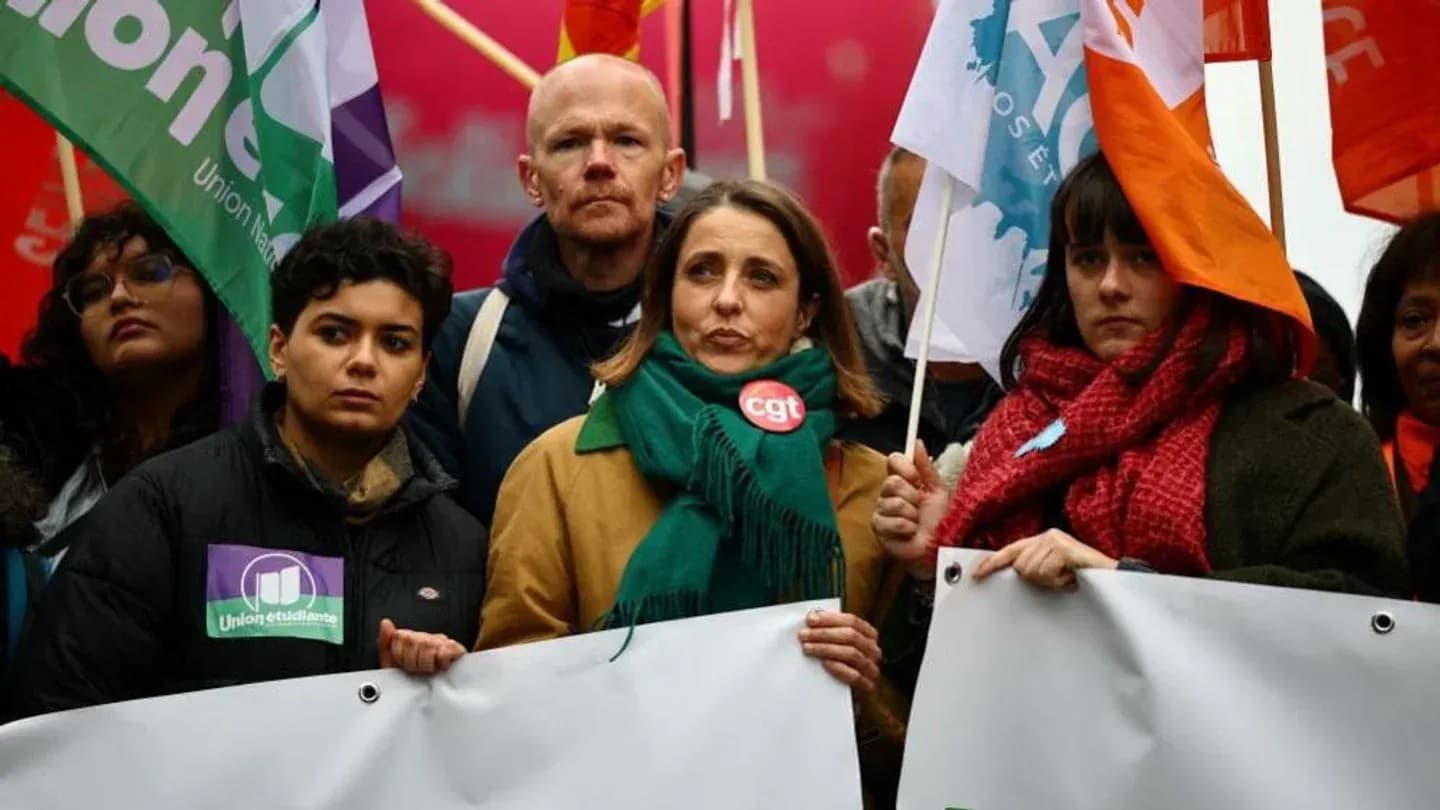
Nationwide strikes and demonstrations took place in France on 5 November 2026, demanding higher wages and increased funding for public services amid high living costs. According to the BBC, Prime Minister Sébastien Lecornu announced that evening that he would convene a social conference with unions and employers the following Monday, 9 November, to discuss purchasing power and wages.
The two sides give different estimates of participation. Citing France’s interior ministry, the BBC reports that more than 600,000 people attended rallies and marches nationwide. CGT put turnout at 1.57 million, highlighting large protests in Paris, Marseille, Bordeaux and Lille. These are separate government and union estimates, not an agreed count; the BBC describes the figures reported on Thursday as provisional.
By comparison, the interior ministry counted 550,000 participants at the previous major day of action on 17 October, while unions counted 800,000, the BBC reports. Each new estimate therefore exceeds the corresponding October figure. CGT described the 5 November mobilisation as the largest since 2023. Its leader, Sophie Binet, demanded immediate answers to protesters’ demands.
Five unions — CFDT, CGT, FO, Unsa and FSU — called the action. They are named in CGT’s 26 October appeal; describing the action as involving “all unions” is inaccurate. High school and university students joined the protests. According to the BBC, CFDT leader Marylise Léon said the union was seeking a net pay rise of €100 a month, not just an increase in the minimum wage.
In its 26 October appeal, CGT linked the protests to the proposed state and social security budgets for 2027, criticising the government’s priorities. The union demands increases in the minimum wage, pensions and social benefits, linking wages and social payments to prices, and additional jobs and investment in hospitals, schools and transport. These are organisers’ demands, not measures adopted by the authorities.
The BBC reports disruption in schools, hospitals and public transport on 5 November. In Paris, the Eiffel Tower and some exhibition rooms at the Louvre closed. According to education ministry figures cited by the BBC, 16% of teachers went on strike. Unions separately reported disruption at more than a quarter of high schools and the vast majority of universities. For the civil service as a whole, the BBC cites a different government estimate of 9.89% taking part in strikes; it covers a different category of workers and does not replace the figure for teachers.
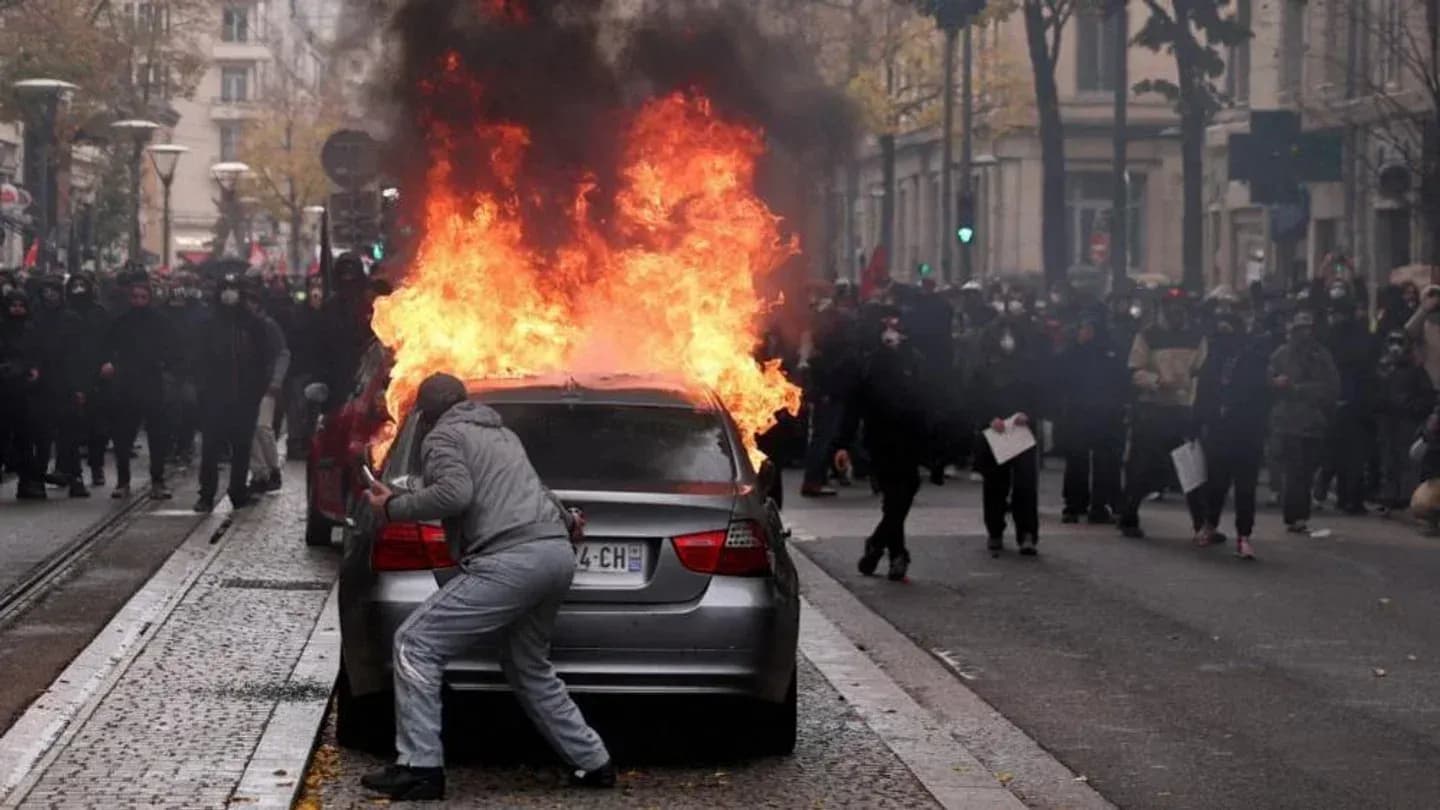
Interior Minister Laurent Nuñez deployed 70,000 police officers, the BBC reports. A car was set alight near the Gallieni bridge in Lyon, where clashes with police took place. In Rennes, the prefect reported a group of masked people ahead of the main union march. Tear gas was used to clear a square in Bordeaux. The BBC also reports that a teenager was injured in a stabbing incident involving a student at a high-school blockade in Seine-Saint-Denis, north of Paris.
The Paris march followed a route from Place de la République to Place de la Nation. According to the BBC, the authorities did not approve the unions’ initially proposed route from Bastille to Place de la Concorde, which would have brought the march near the National Assembly, the Élysée Palace and the prime minister’s residence at Matignon.
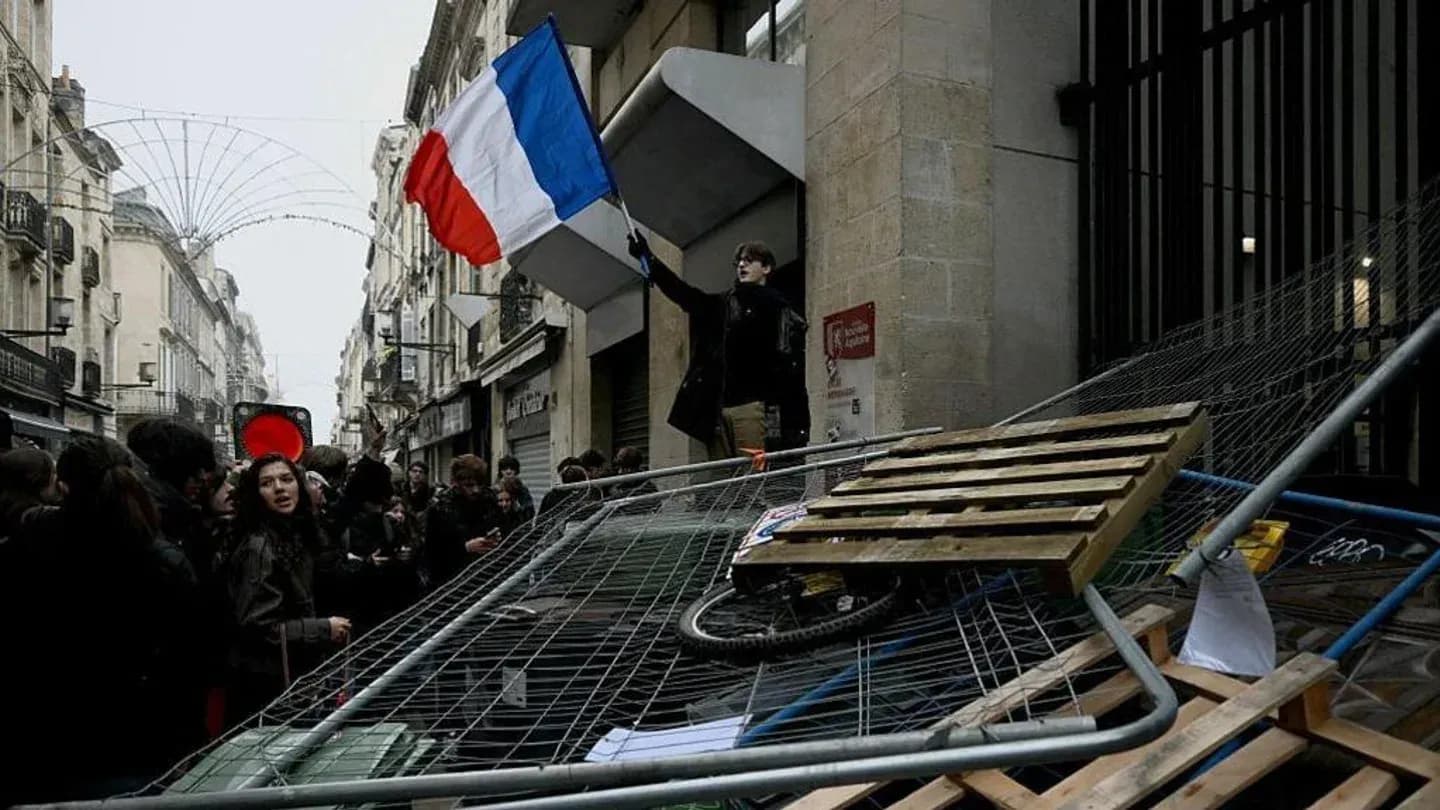
The November action continues a wave of protests that began in September over poor conditions and a lack of resources at high schools, according to the BBC. Universities, workers and a revived yellow-vest movement subsequently joined. On 22 October, CGT called for an expansion of the 5 November strike and peaceful demonstrations; on 30 October, it published a map of protest locations. These appeals preceded the marches that have now taken place.
Lecornu’s announced social conference remains a plan for talks, not an agreement on wage increases. According to the BBC, the government is also seeking tens of billions of euros in savings and a reduction in the budget deficit to 5% of GDP, limiting its scope for concessions. The yellow-vest movement called for further blockades and protests planned for Friday and Saturday, 6–7 November.
Primary sources
Documents and statements this story is based on.
Europe on Fire: 410,000 March in France, Nearly 1,000 Arrested as Cost-of-Living Revolt Engulfs the Continent

France in Flames: 2,400 Arrested, Historic Limoges Town Hall Burned as Cost-of-Living Protests Trigger Bond Market Selloff
Lost hand, 500+ schools shut: France’s biggest student protests in 50 years turn deadly
France ablaze: student protests, torched schools, 2,000 arrests — government blames far-left while education system crumbles