
Trump says he urged Putin to halt aggression, but announces no ceasefire agreement
The US president described his talks in China. His version of a statement with Rutte also extends an appeal not to widen the war to Ukraine.
US President Donald Trump said on November 26 that during conversations in China he had asked Vladimir Putin to halt military aggression against territories across Europe so that Russia and Ukraine could reach a deal as quickly as possible. But his message announced neither an agreed ceasefire date nor a Russian commitment to stop its strikes.
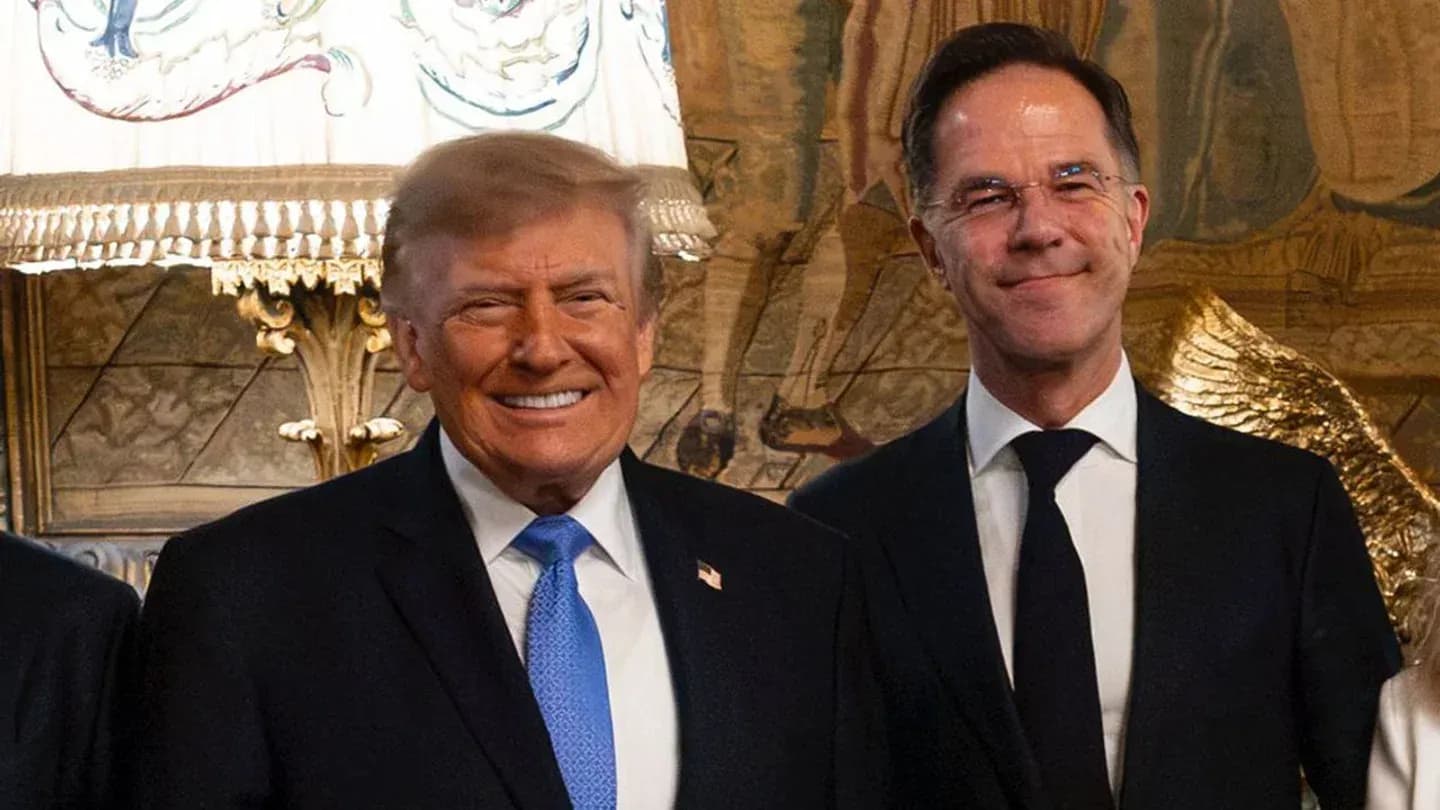
Trump said he had spent considerable time on the issue and believed a rapid agreement was possible. He also said thousands of people were being killed each month. That is his assessment of the human toll: the message provides no separate figures for military personnel and civilians.
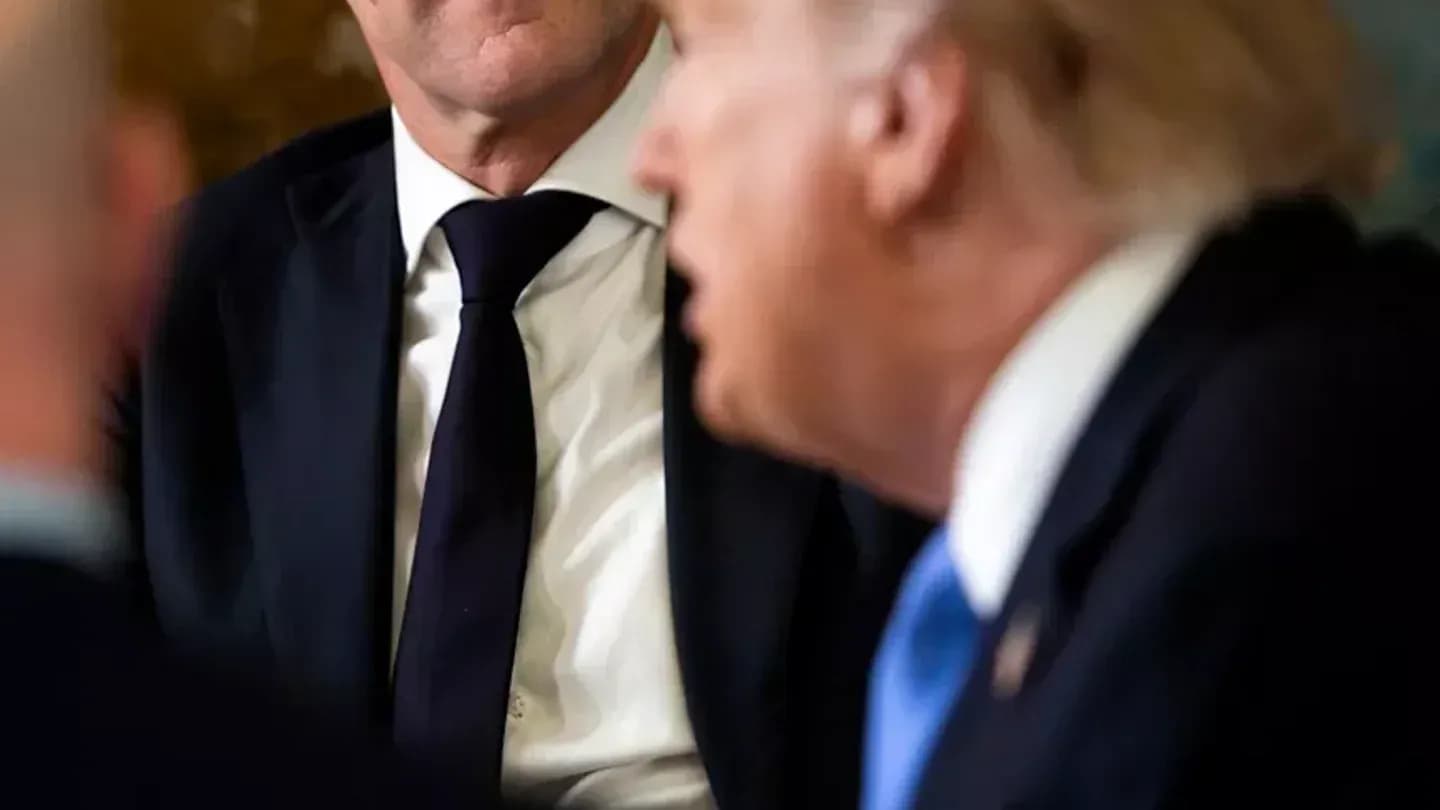
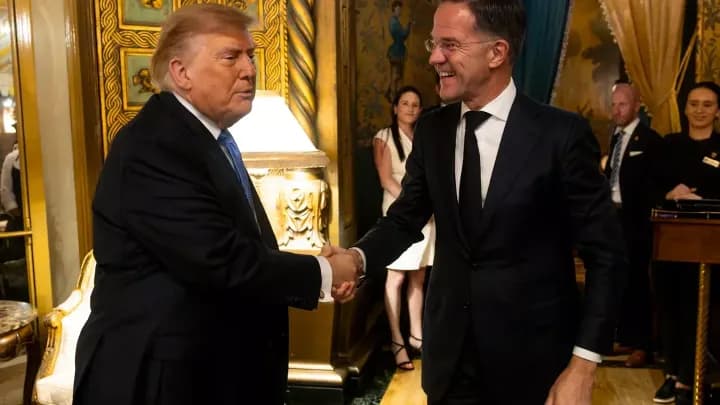
The previous evening, November 25, Trump met NATO Secretary General Mark Rutte at Mar-a-Lago in Florida. The US president said he briefed Rutte on his conversations with Putin. Russia’s war against Ukraine and the conflict in Iran were the main subjects of the meeting; the leaders also discussed defence spending and investment in the industrial base of the United States and NATO countries.
However, the public wording after the meeting differs. The joint statement released by NATO on November 26 stresses the importance of Russia avoiding actions that intentionally or unintentionally expand the war, and of reaching a peaceful resolution as rapidly as possible. In the version Trump published, that appeal is addressed to “Russia and Ukraine”.
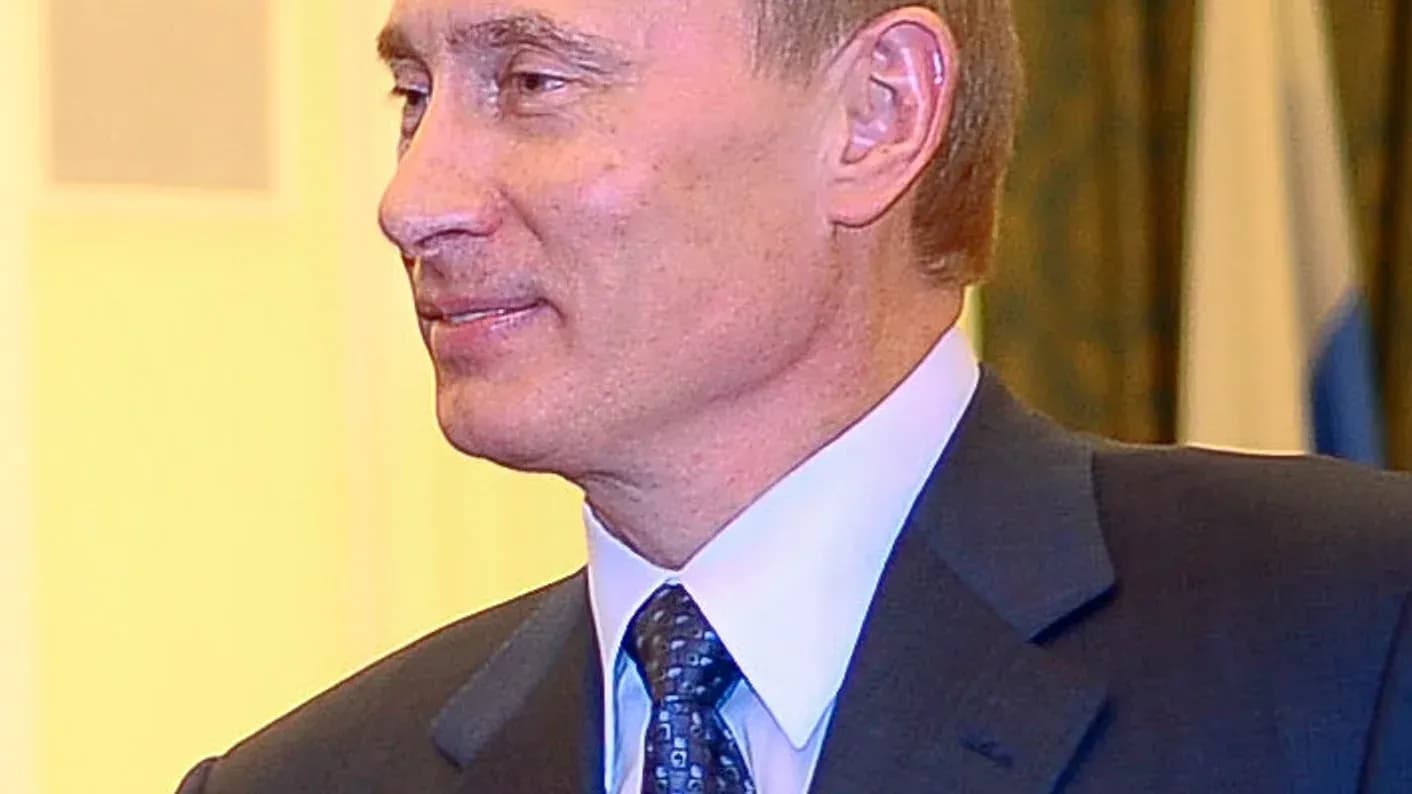
For Kyiv, the difference has a specific diplomatic meaning: in the first text, the warning against widening the war is directed only at Moscow; in the second, it also applies to Ukraine. The wording does not itself impose new restrictions on Ukrainian actions: the statement contains no list of prohibited operations or monitoring mechanism.
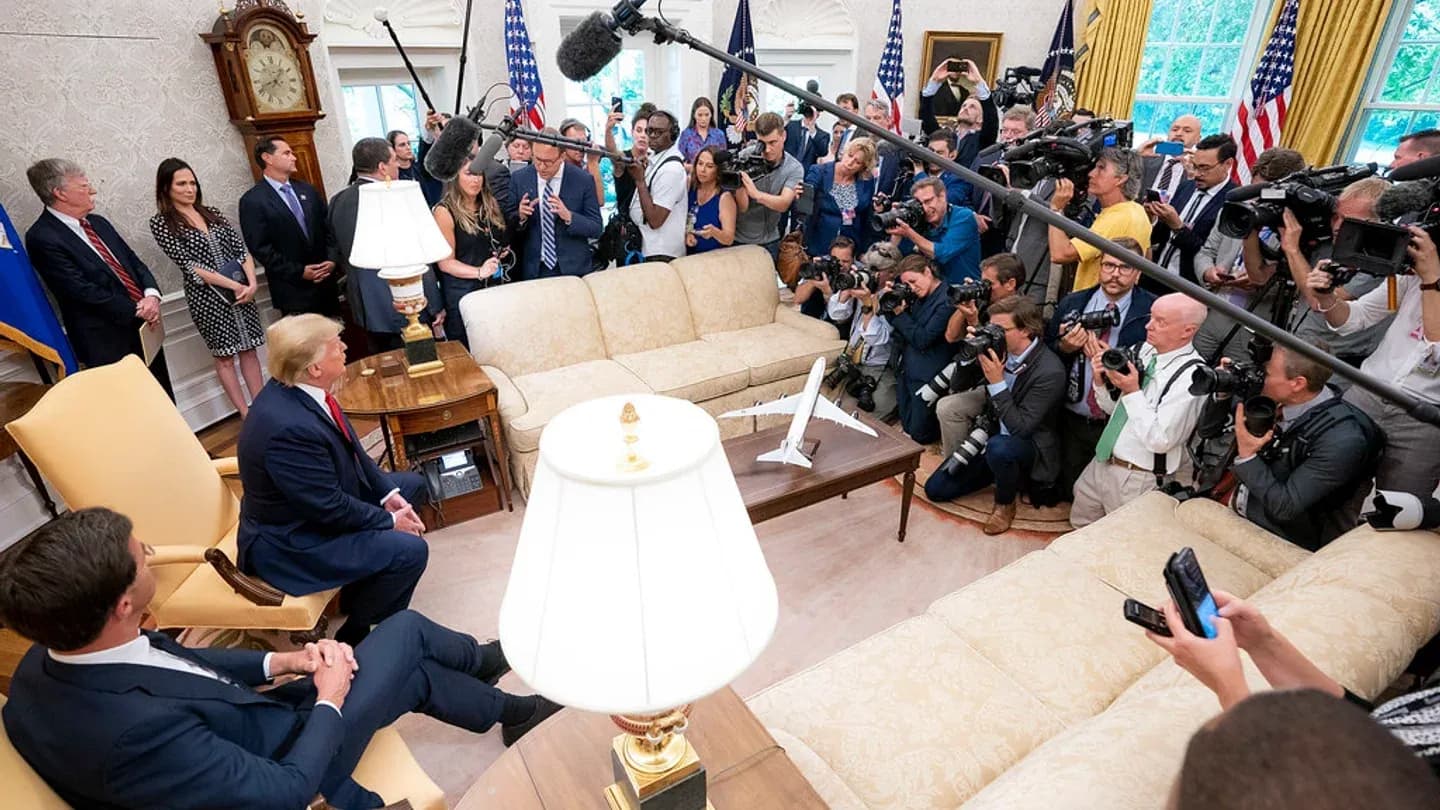
Protecting people from further strikes depends on agreements that can be implemented and verified. These messages set out neither a ceasefire timetable nor arrangements for verifying one. What has been publicly articulated so far is an appeal for restraint and a swift peace, not the conditions under which the shelling must stop.
Primary sources
Documents and statements this story is based on.
Trump includes Ukraine in warning against widening war; NATO statement names only Russia
Trump says he urged Putin to end aggression: what NATO agreed with the US
Trump, From Air Force One, Chided Europe Over Billions for Ukraine. Berlin Answered With the Memory of Yalta
Trump meets Dmitriev and signals possible deal on Ukraine