Trump says he urged Putin to end aggression: what NATO agreed with the US
Trump described his conversations with Putin in China. His joint statement with Mark Rutte directs the call not to widen the war specifically at Russia.
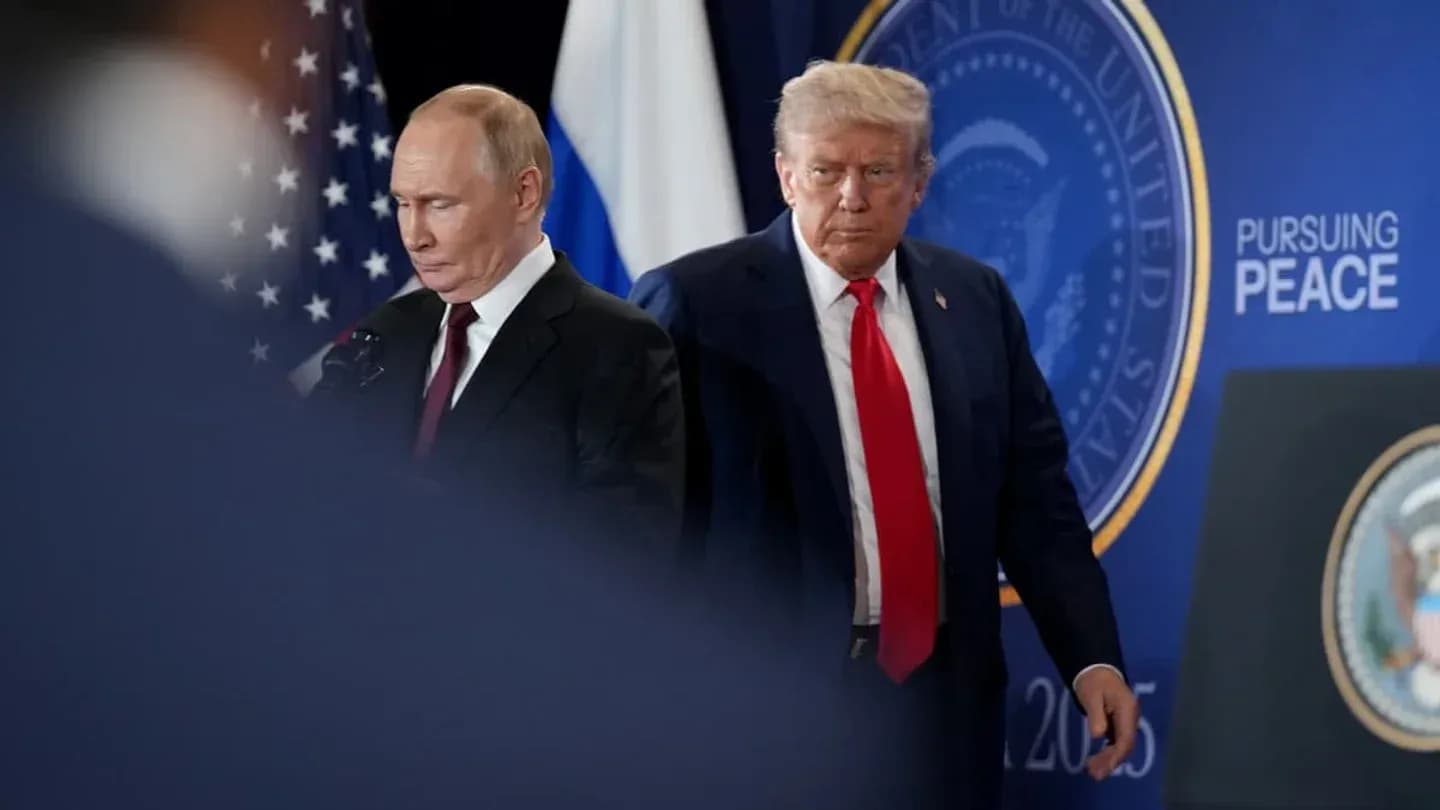
On November 26, US President Donald Trump said he had urged Vladimir Putin during conversations in China to end military aggression against territories across Europe. He linked this appeal to his hope for a swift agreement between Russia and Ukraine. The previous day, Trump and NATO Secretary General Mark Rutte discussed preventing the war from widening, but their joint statement set no ceasefire timetable.
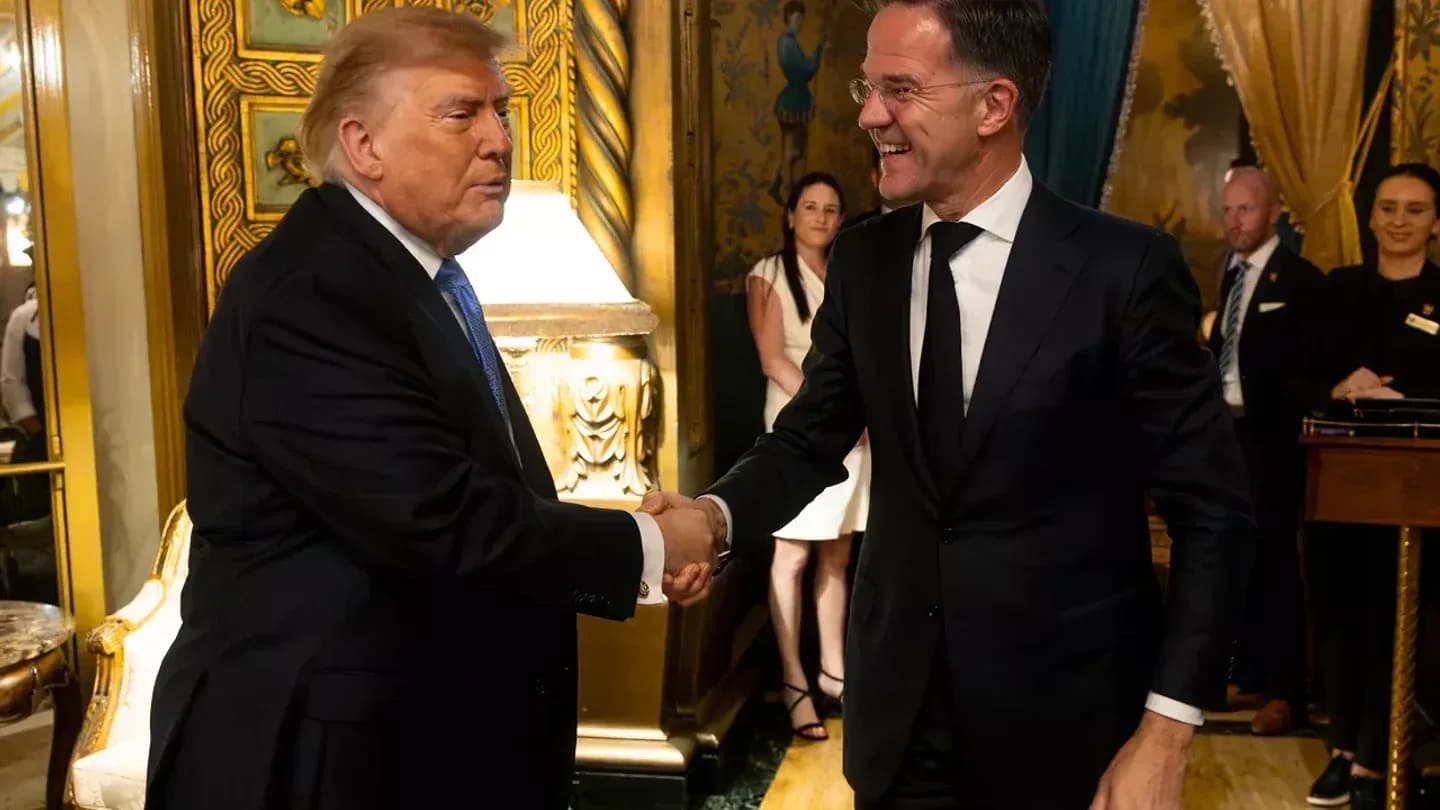
Trump stressed that he had spent considerable time discussing the issue with the Russian president. He described a quick agreement as a strong possibility. That is the US president’s assessment, not an announcement of peace terms agreed by the parties.
Trump met Rutte on the evening of November 25 at Mar-a-Lago in Florida. Their main subjects were Russia’s war against Ukraine and the conflict in Iran. They also discussed increasing defence spending and investment in the industrial base of the United States and NATO countries.
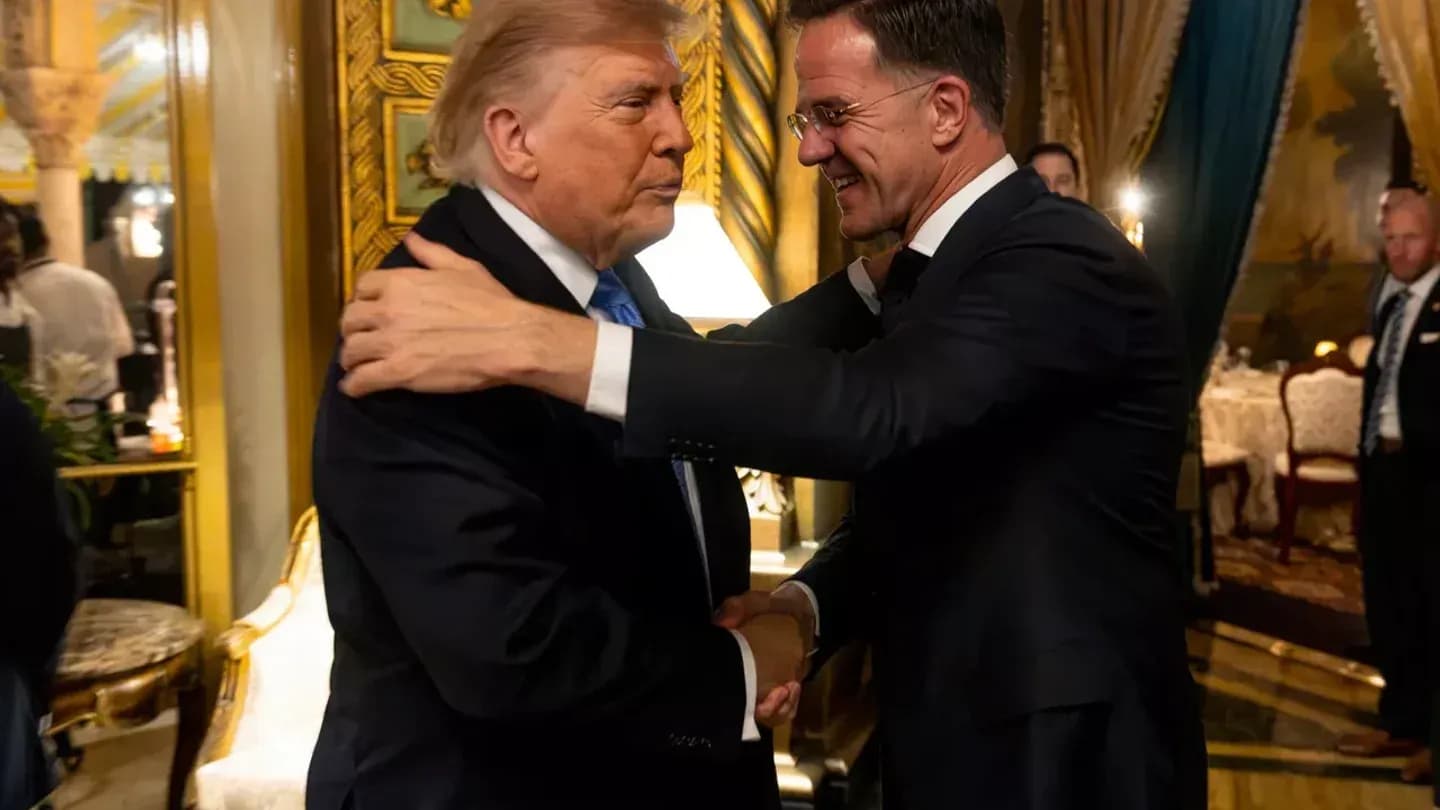
The joint statement released on November 26 directs its call to avoid actions that intentionally or unintentionally expand the war specifically at Russia. Trump and Rutte also stressed the need for a peaceful resolution as rapidly as possible. The document contains no demand for Ukraine to refrain from such actions.
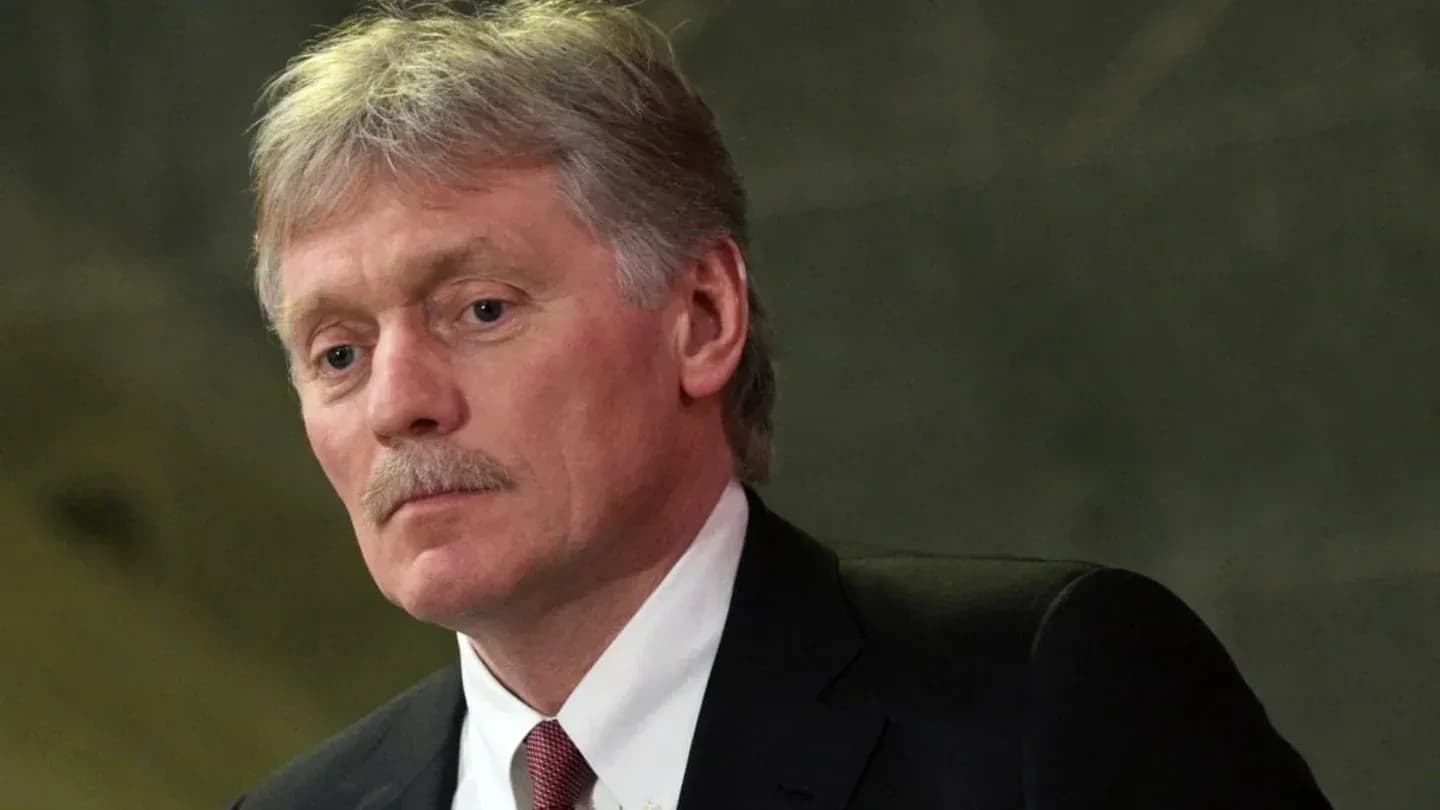
Separately, Kremlin spokesman Dmitry Peskov rejected a demand to agree to an energy ceasefire, which he associated with European Commission President Ursula von der Leyen’s position. “Russia owes nothing. Russia must safeguard its national interests,” he said. Peskov described such demands as ultimatums and questioned whether Europe could act as a mediator on those terms.
For Ukrainian households, the practical question is whether these talks will stop attacks on the energy infrastructure that provides electricity and heating. Neither Trump’s account of his conversations with Putin nor his joint statement with Rutte sets a date for such a halt or a mechanism to monitor it. Those commitments are still missing between the appeal for a quick peace and protection for civilians.
Primary sources
Documents and statements this story is based on.