
Rinkēvičs sees a possible 2027 turning point, but urges civilian protection now
Latvia’s president links a possible turning point in spring or summer 2027 to Ukraine’s ability to hold out. At the UN, he called for an immediate end to attacks on energy infrastructure and civilian shipping.
Latvian President Edgars Rinkēvičs believes Russia’s war against Ukraine could reach a turning point in spring or summer 2027. In an interview recorded on November 23, he linked that scenario to Ukraine’s military and economic resilience, a worsening Russian economy and growing international pressure. This is a conditional political forecast, not a set date for the war to end.
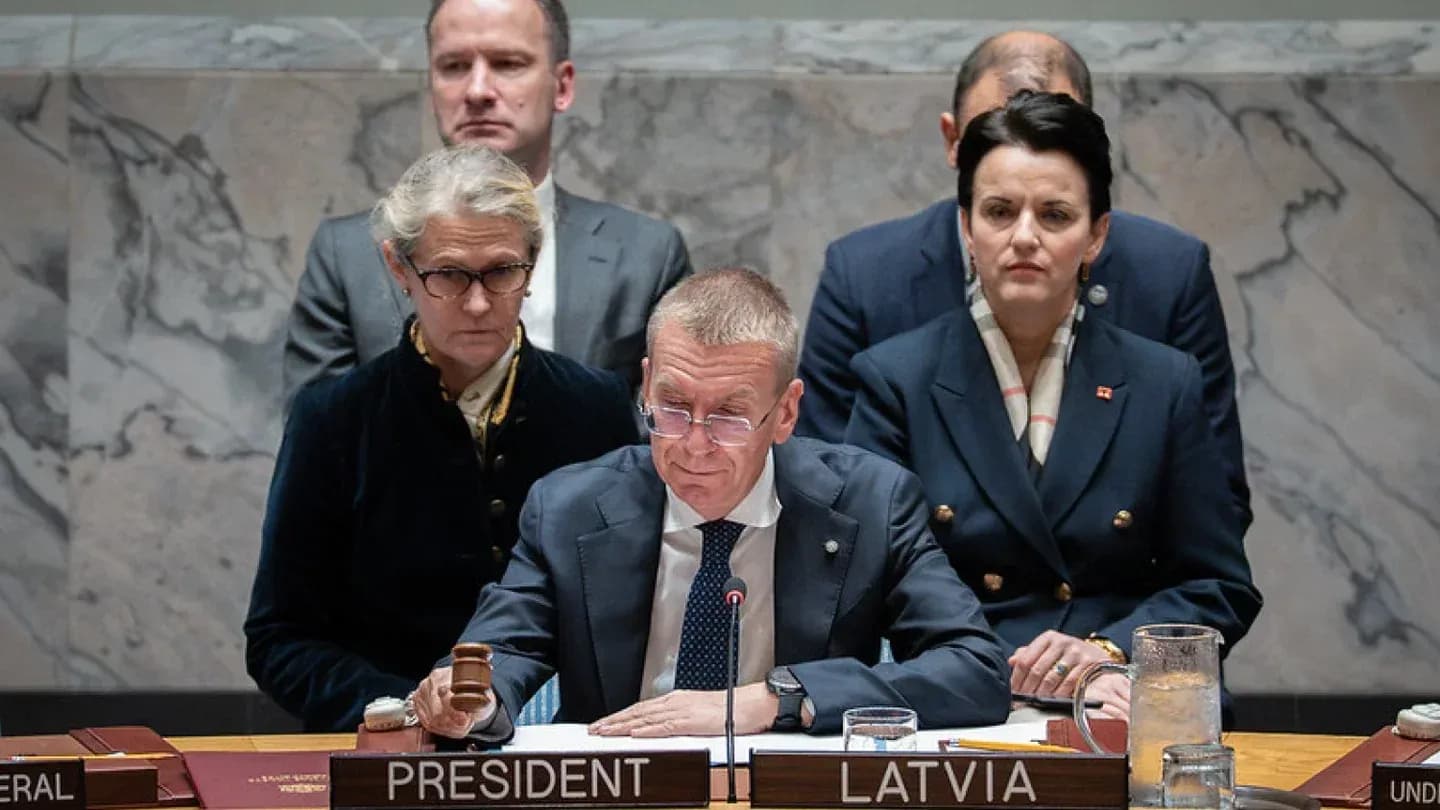
Rinkēvičs doubts that Moscow genuinely wants to end the war and believes fresh ceasefire negotiations could be a diversion to prolong the invasion. He also said Europe was ready to support Ukraine militarily, financially and in restoring infrastructure. The forecast itself gives Ukrainian families no answer as to when strikes and disruptions to basic services will stop.
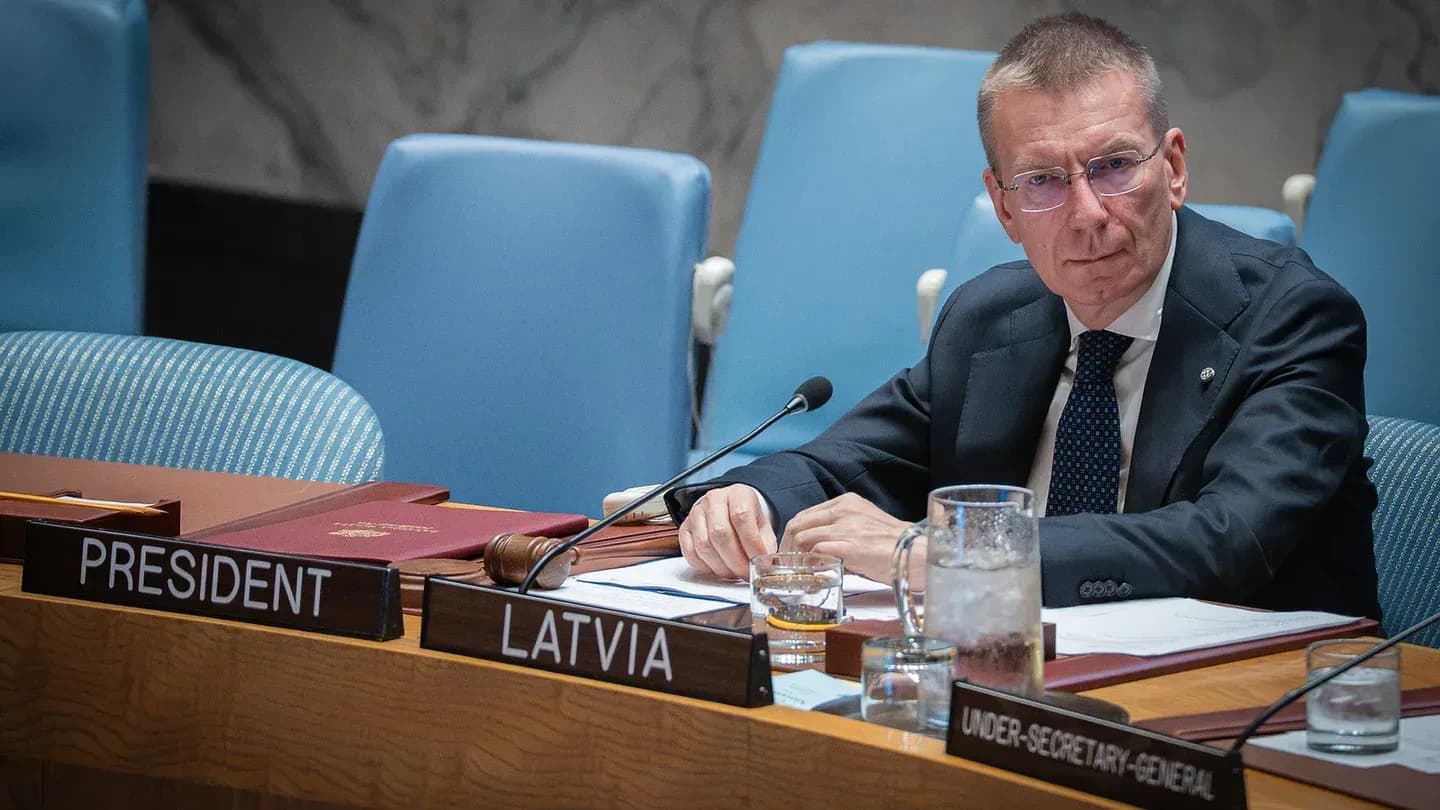
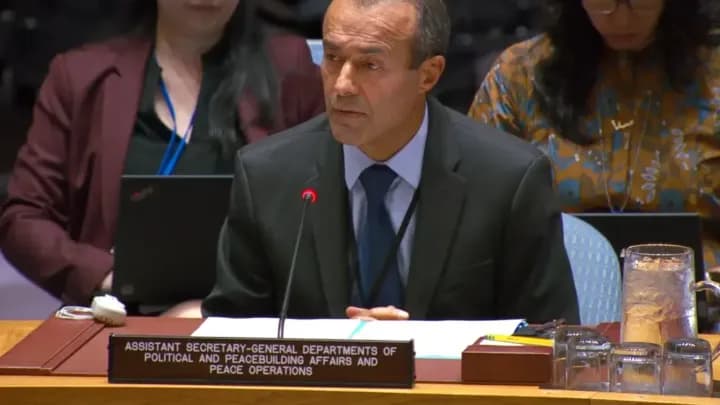
The Latvian president made more specific demands at the UN Security Council in New York on November 23. Latvia convened the meeting with support from Panama and Liberia to press for the protection of Ukrainian civilians and food security, and to prevent winter from being used to force Ukraine into submission.
Rinkēvičs called for an immediate end to attacks on Ukraine’s energy infrastructure. He warned of a potential humanitarian catastrophe this winter: a lack of electricity, heating, water and sanitation could affect millions of urban residents. This was his assessment of the risk, not a statement that all those people had already lost these services.
He separately demanded an end to attacks on civilian shipping in the Black Sea and Ukraine’s food infrastructure. The president highlighted threats to seafarers’ lives and food supplies on which families in Africa, Asia and the Middle East depend. He thus linked the protection of Ukrainian ports not only to the course of the fighting, but also to civilian safety and access to food.
In his address, Rinkēvičs welcomed every genuine step towards ending Russian aggression and securing lasting peace, but not at its victim’s expense. The practical test of this position is not whether a calendar forecast comes true, but whether attacks stop on the facilities that provide people with heat, water and food every day.
Primary sources
Documents and statements this story is based on.
Russian missiles fell on Polish soil: Rzeszów-Jasionka control tower evacuated for the first time
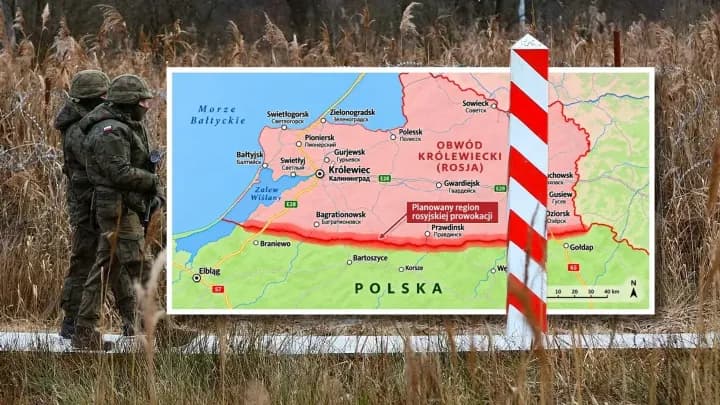
“It Was Meant to Echo the Gleiwitz Provocation”: Poland Foiled a Russian Sabotage Plot With a Fabricated “Ukrainian Trace”
While the world watches missiles and oil, Yemen's new fighting has forced more than 100,000 people from their homes