‘Not our war’: Riner questions France’s military presence in Ukraine
The presidential hopeful questioned sending soldiers, then spoke of ending the war. The Senate has already heard explanations about the Volia mission.
French judoka Teddy Riner, who has announced his intention to run for president in 2027, criticised sending French military personnel to Ukraine while in Paris on November 25. After follow-up questions, however, he softened his remarks and said he wanted to bring people together to end the war.
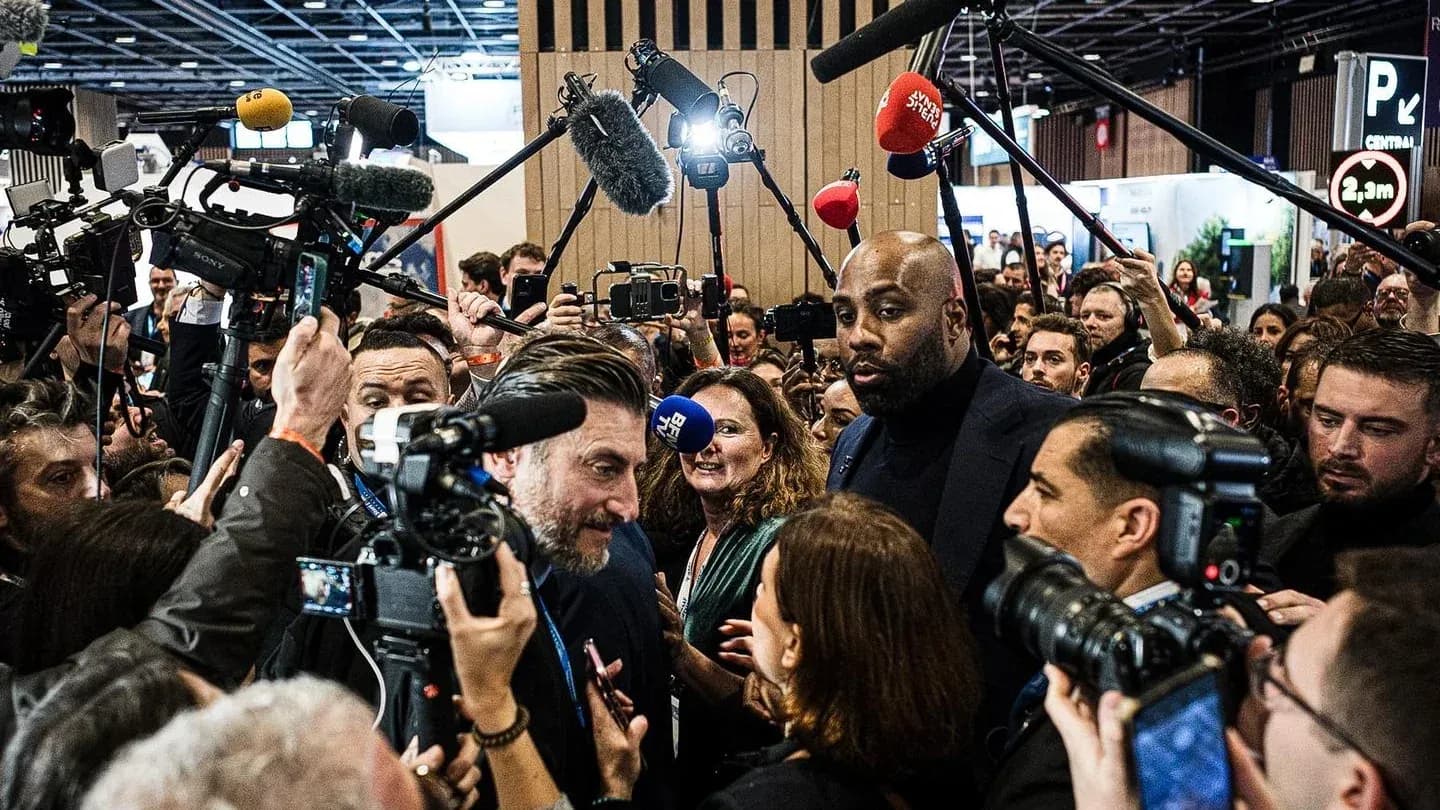
“I don’t understand why we’re sending troops to Ukraine when it’s not our war,” Riner said while speaking to journalists at the Congress of French Mayors. The exchange began with a question about the dates of the presidential election: he supported bringing them forward, linking his concern to developments involving Russia.
Asked whether this was a war on the European continent, Riner replied: “Is Ukraine in the European Union?” After another follow-up, he said, “No, that’s not what I’m saying,” and explained that, if elected, he would like to be someone who brings people together, smiles and shakes hands to end the war. He offered no specific conditions for ending it during this exchange.
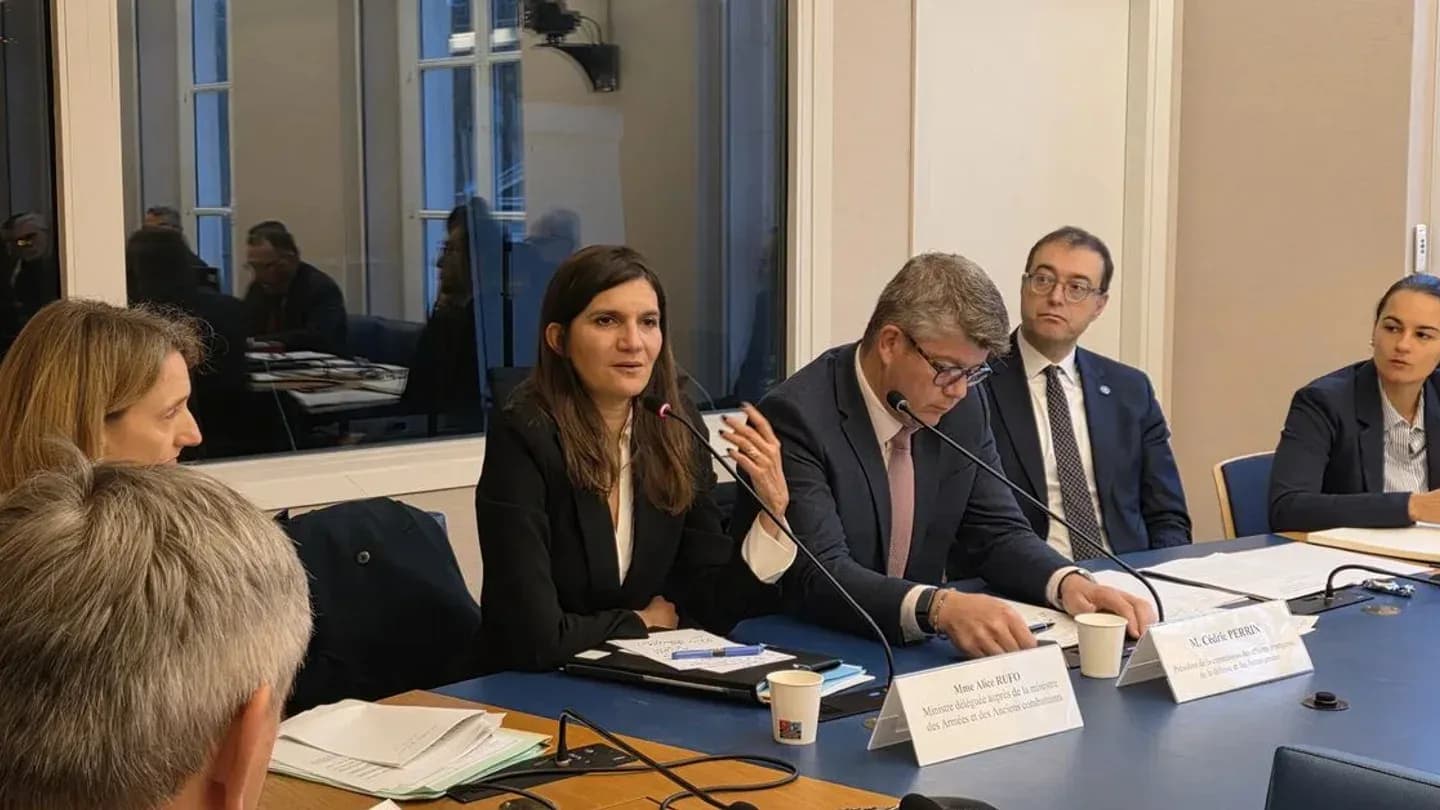
Behind the dispute over wording lies a practical question: what tasks French military personnel perform in Ukraine, and who oversees decisions about their presence. Alice Rufo, minister delegate to the armed forces minister, describes the structure as a coordinating body dedicated to training and equipment maintenance. She denies that France has become a party to the fighting. Opposition parliamentarians criticise the government for providing insufficient information and risking involvement in the war.
There is a significant difference here between a duty to report and a requirement to obtain prior permission. Article 35 of France’s Constitution requires the government to inform Parliament of its decision to intervene militarily abroad no later than three days after the intervention begins, and to explain its objectives. A debate at that stage need not be followed by a vote. If the intervention lasts more than four months, extending it requires parliamentary authorisation.
The government considers that the mission’s non-combat nature places it outside this procedure. Whether Article 35 applies to this presence remains the subject of political disagreement; the absence of a prior vote does not, on its own, establish a constitutional violation.
On November 25, the Senate’s foreign affairs, defence and armed forces committee had already heard Rufo. She discussed support for Ukraine and explained the nature of the Volia mission. The committee’s brief public statement does not provide her full explanations.
For Ukraine, the subject of this debate is military training and maintenance of donated equipment, not an announced deployment of French units to the front. Riner’s remarks do not change the mission’s mandate. Responsibility for its tasks, the risks to people and adequate parliamentary oversight rests with the current French government.
Primary sources
Documents and statements this story is based on.