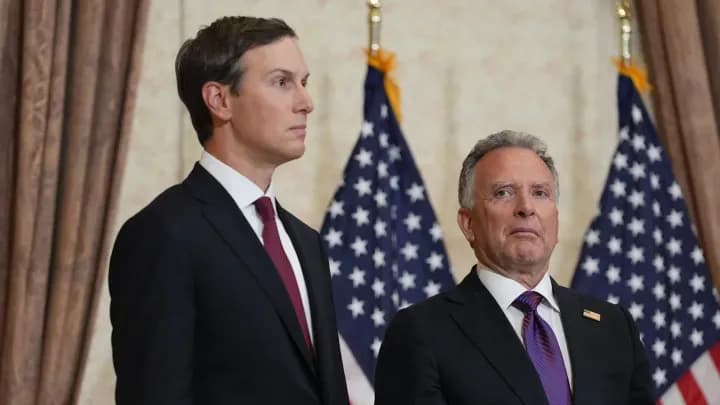
COP31 ends without its main pact after fossil fuel omission rejected
The EU, Panama and the Marshall Islands rejected the main conference text in Antalya. Separate decisions, including on a just transition, were adopted.
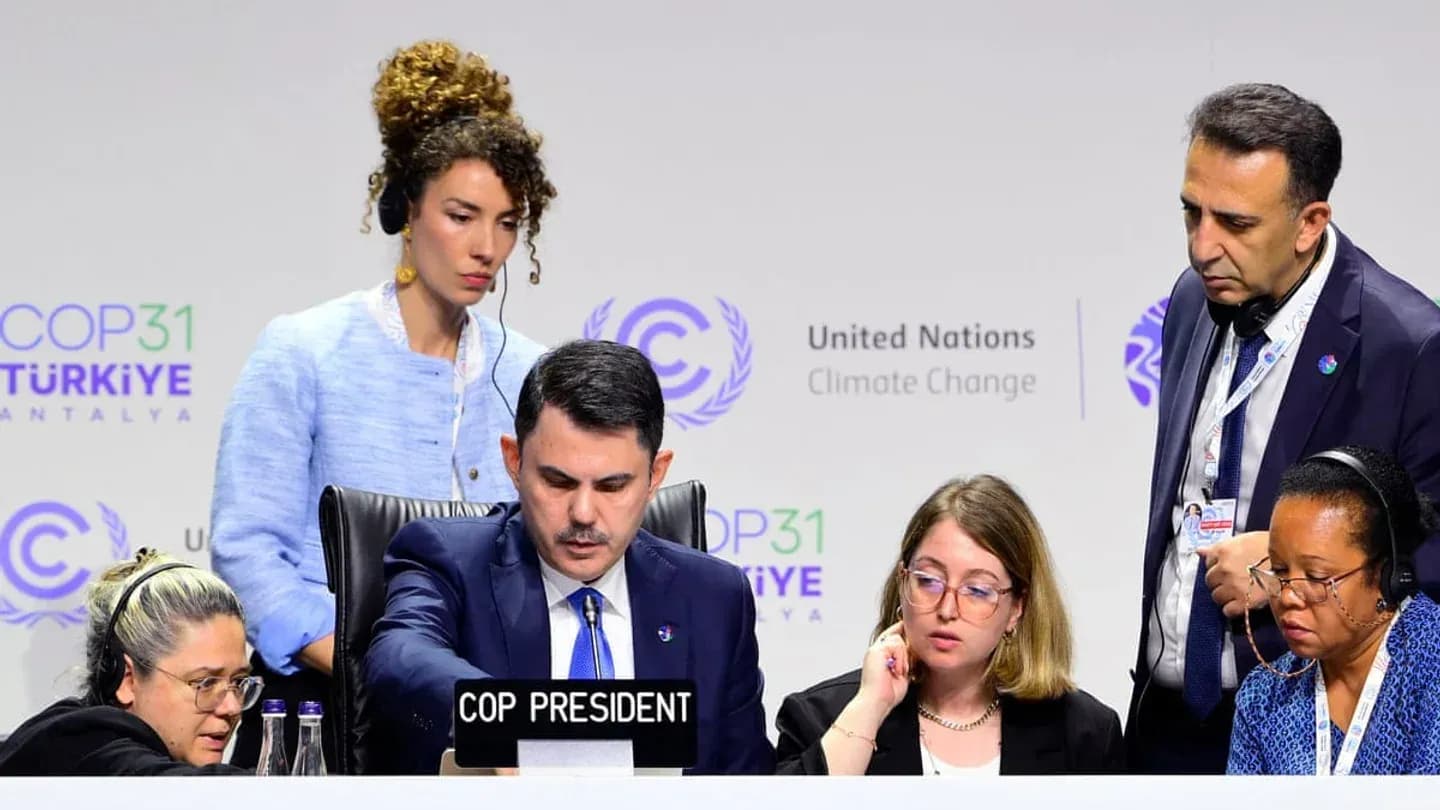
The COP31 climate conference in Antalya ended on 22 November 2026 without its main outcome pact. Two extra days of negotiations failed to resolve the divisions: the European Union refused to support a text that omitted fossil fuels and the transition away from them. Panama and the Marshall Islands also objected. Conference president Murat Kurum acknowledged the lack of consensus and announced that the decisions concerned had not been adopted.

This is a failure to reach the main political agreement, not the cancellation of every conference outcome. Delegations adopted separate decisions, including on a just transition — supporting workers and communities through the shift to a low-carbon economy.
Two presidencies, incompatible demands
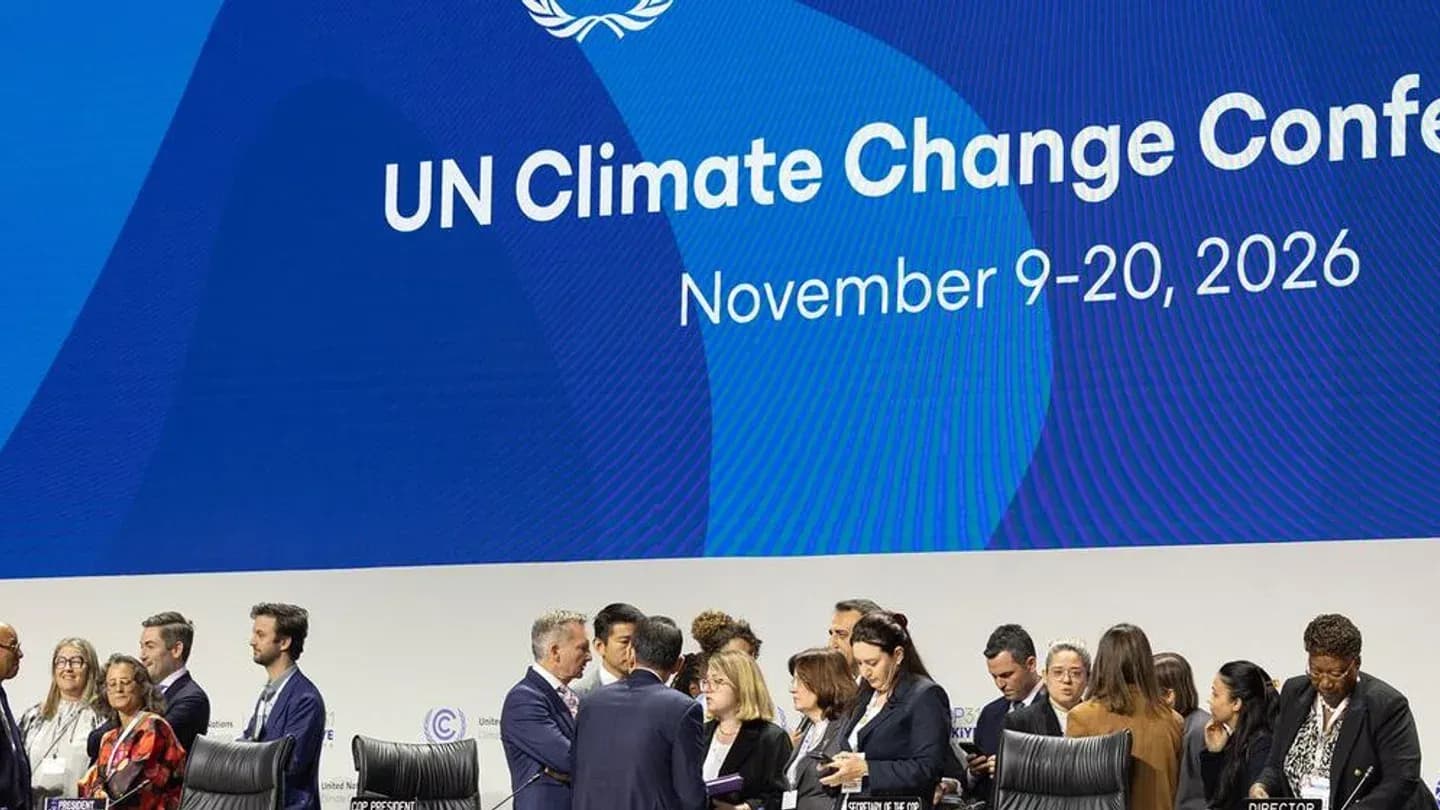
The Turkish and Australian negotiating leadership tried to broker a compromise between advocates of an explicit move away from coal, oil and gas and countries defending the interests of fossil-fuel-dependent economies. Australian climate minister Chris Bowen described the divisions between the parties as unbridgeable. Having two leaders did not, in itself, resolve disagreements over the substance of the deal.
Ireland’s environment minister Darragh O’Brien, speaking for the EU, said the bloc would not endorse a pact that did not even mention fossil fuels, the key driver of climate change. Panama argued that the draft weakened previous agreements. The Marshall Islands insisted on a faster transition away from fossil fuels, backed by financial support.
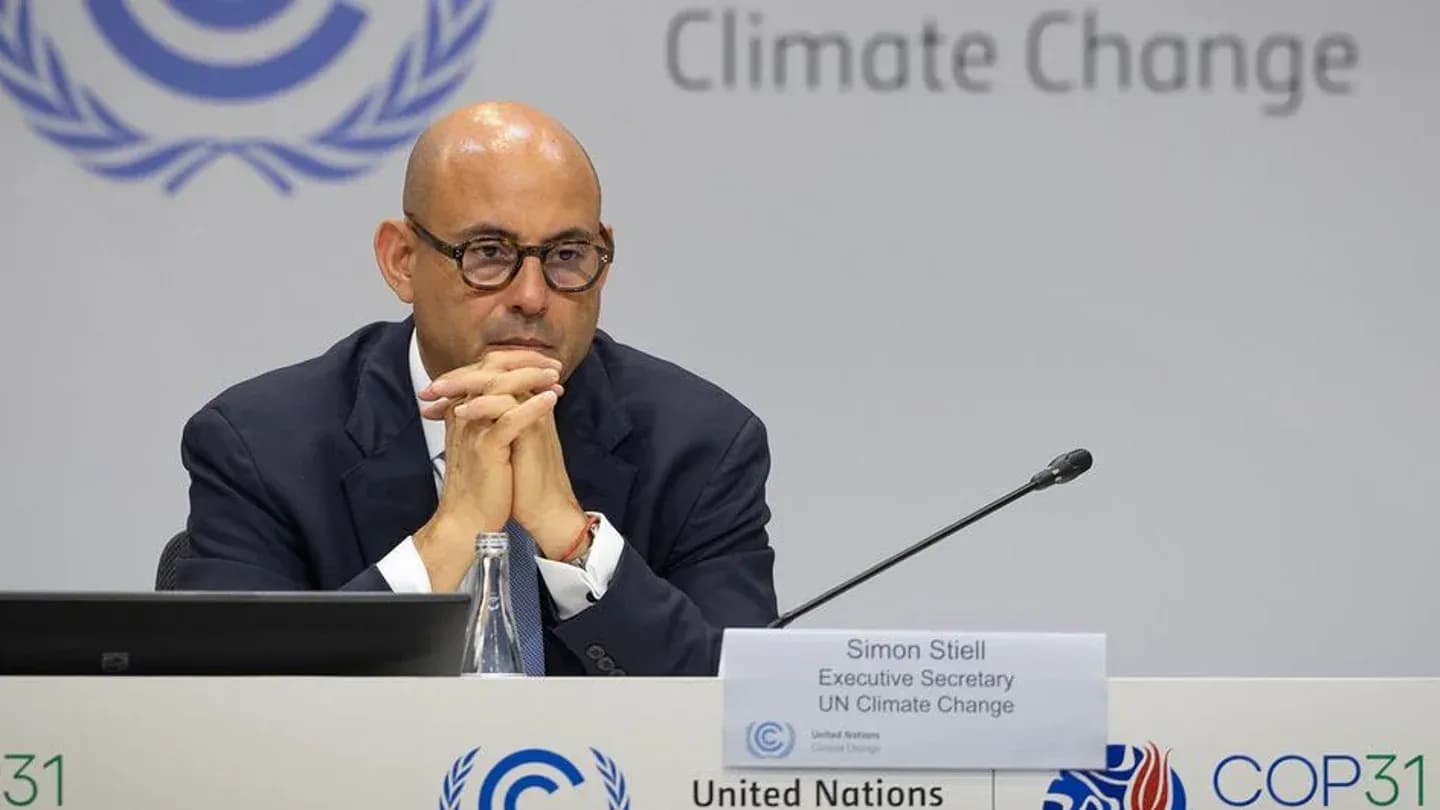
Pakistan, however, urged delegations not to sacrifice the rest of the package over disputed provisions. Ghana, speaking for the African Group, criticised shortcomings on finance, loss and damage and the just transition, but did not stand in the way of consensus. Even delegations dissatisfied with the text therefore differed in their assessment of the cost of rejecting it.
What remained in the unadopted draft
The draft version published at 02:00 on 22 November included a general reference to the COP28 consensus reached in Dubai, but did not explicitly name fossil fuels. Instead, it proposed increasing electricity’s share of global final energy consumption to 35% by 2035 and accelerating the development of grids, storage and clean energy. The conference did not agree the proposed electrification goal.
Carbon capture also remained contentious. The draft proposed accelerating carbon capture, utilisation and storage, with a global aspiration of gigatonne-scale deployment by 2035. Saudi Arabia defended including these technologies in the text. A separate provision on removing CO₂ from the atmosphere nevertheless warned that removal should complement emissions cuts, not replace or delay them. The dispute was not only about technologies, but also about whether they would be accompanied by an explicit commitment to move away from fossil fuels.
The morning draft’s finance section built on an existing call to at least triple adaptation finance by 2035. It proposed preparing baseline options, discussing an implementation pathway for that call and launching an Antalya–Addis Ababa road map on adaptation and resilience finance. The main pact was not adopted, leaving these mechanisms as proposals. They concerned how to secure predictable funding and access to it to protect communities from heat, drought and floods.
At COP32 in Addis Ababa, governments will have to return to unresolved questions about the transition away from fossil fuels and financial support for developing countries. On adaptation finance, they still need to agree on the baseline against which to measure the increase and the pathway for delivering it by 2035.
Primary sources
Documents and statements this story is based on.