
"I don't want to blow your mind, but Zelensky is not always truthful." Musk accuses Kyiv of lying about Starshield
At the DealBook Summit Elon Musk called President Zelensky's statements about Starshield restrictions false and claimed Kyiv actually wants civilian Starlink for offensive operations. Ukraine says the speed cap over occupied territory persists; the Pentagon and SpaceX deny it and have not explained why.
On the evening of 18 November US time — the night of 19 November in Kyiv — at the DealBook Summit in the United States, Elon Musk directly accused Volodymyr Zelensky of lying about restrictions on the military satellite system Starshield. It is the sharpest public clash between the owner of SpaceX, whose networks Ukraine's defence forces depend on for communications, and the president of Ukraine since the first restrictions in October.
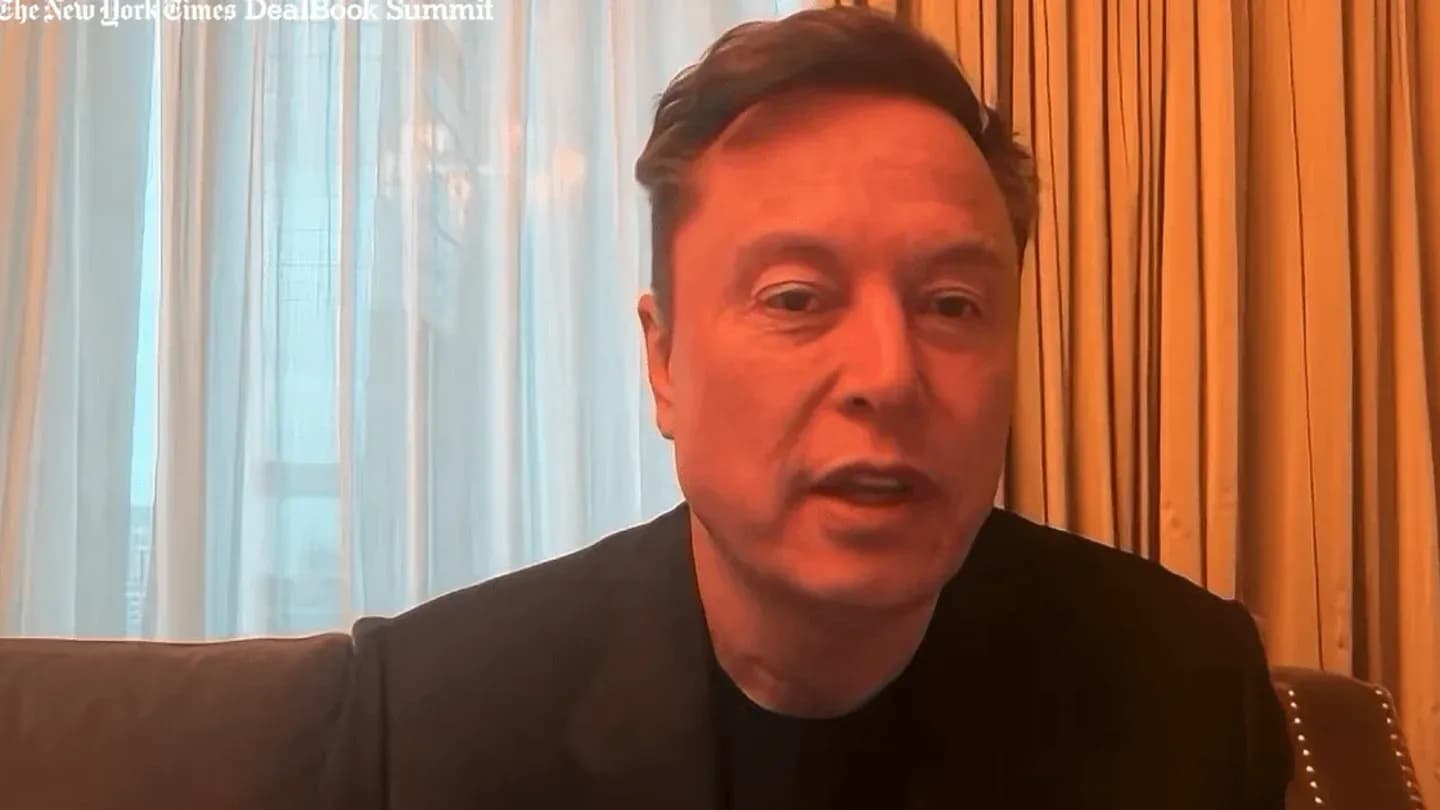
Asked by the session's moderator Andrew Ross Sorkin about Zelensky's statements on the slowdown of Starshield, Musk said: "That's false… I don't want to blow your mind, but Zelensky is not always truthful." Pressed on whether this meant the Ukrainian president was lying, the SpaceX founder went further: "He is lying. What he is actually saying is he wants to use Starlink for offensive military operations."
Musk's logic runs as follows: Starlink is a civilian system that "is not meant to be used for offensive drone strikes that kill people", while for such missions there is Starshield, "a separate system that is controlled by the US government". "Do not ask me as a private individual to make kill decisions," the billionaire said, adding that offensive military action must be a decision of the US War Department, "perhaps ultimately the president, and not mine".
What Zelensky actually said
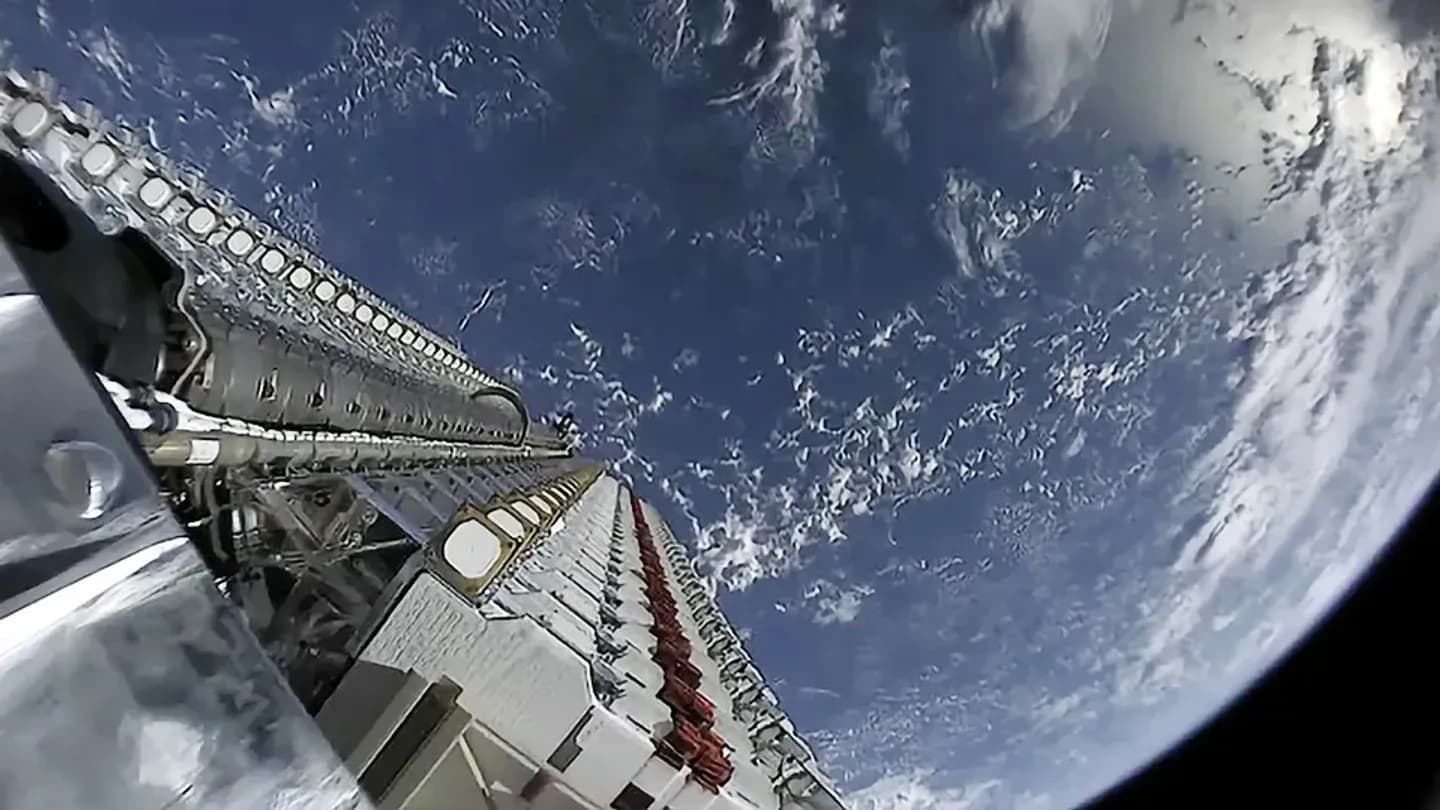
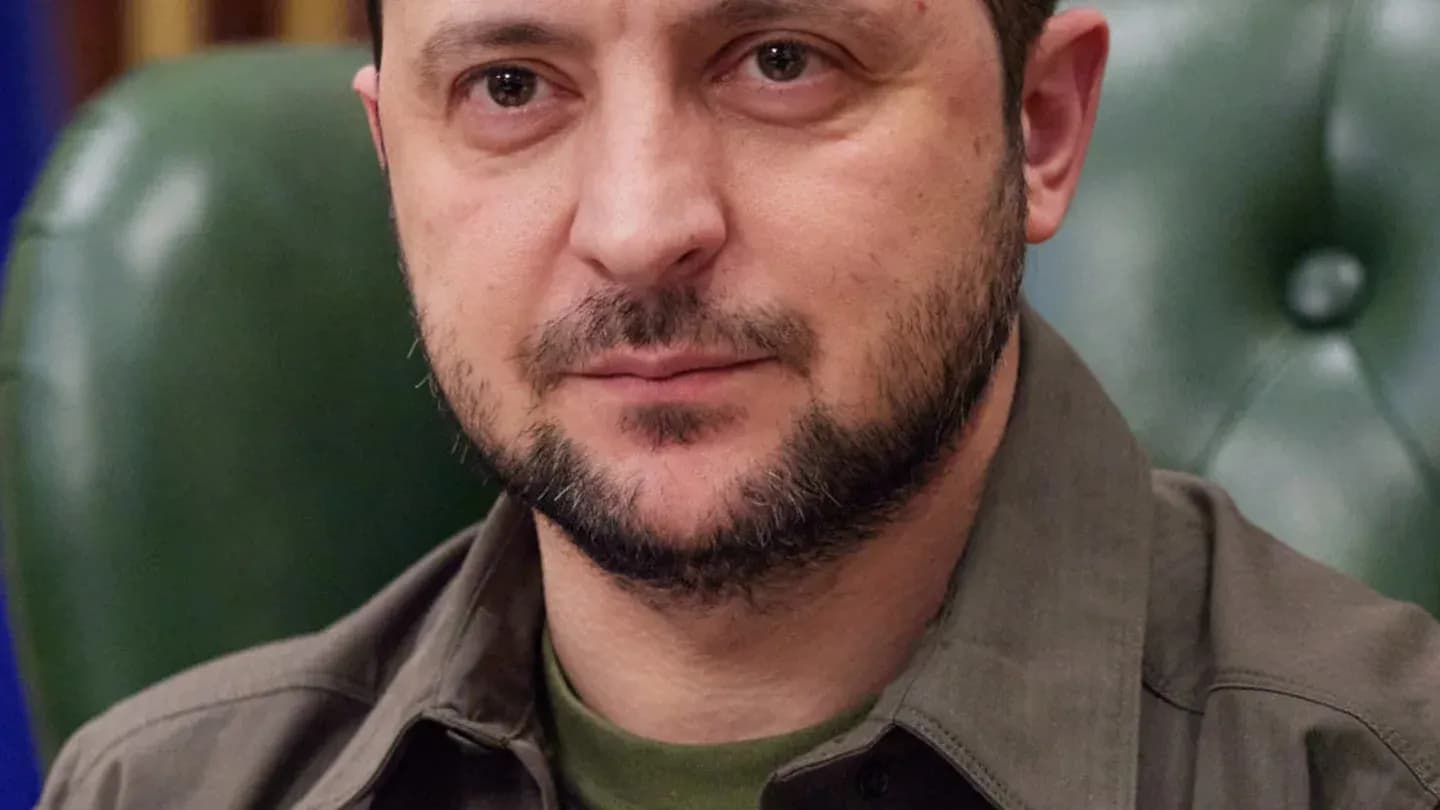
The statements Musk called lies are Zelensky's own public messages of 12–14 November. The president reported significant failures of Starshield along the entire front line and in temporarily occupied territory: a systemic speed limit of 161 km/h (100 mph), which Ukrainian servicemen recorded not as random errors but in daily tests across different axes. According to him, this prevents interceptor drones from catching Russian jet-powered Shahed-type drones: "Unfortunately, strikes have already gotten through because interception systems cannot reach sufficient speed in time to catch them."
On 13–14 November Zelensky clarified that the restrictions persist specifically over occupied territories and called such a decision "very dangerous" and political: limiting communications there amounts to partly not recognising those territories as Ukrainian. SpaceX, he said, explained the situation to the Defence Ministry as a "technical story", but Kyiv does not accept that interpretation and demands the speed be restored without limits in every direction.
A week of Pentagon silence
The Ukrainian side insists the restrictions are fact, not impression. On 16 November Ukraine's chargé d'affaires in the United States stated that Starshield speed limits over occupied territories had been in place for a seventh consecutive day "without any answer or explanation from either the Pentagon or SpaceX", while the Pentagon, in replies to journalists' inquiries, denies introducing any restrictions at all. "I can confirm that the speed restrictions are indeed in effect. These restrictions have real operational consequences for Ukraine," the diplomat stressed. Ukraine's General Staff acknowledged that the failures reduce air-defence capabilities against jet-powered drones and that the military is forced to adapt its air-defence system to the situation.

The cost of the restrictions is not measured in megabits. The president's adviser on defence technologies, Serhiy (Flash) Beskrestnov, confirmed that Starshield speed is limited precisely in motion: connectivity with helicopters chasing jet-powered Shaheds and with jet-powered interceptors failed again. A serviceman of the 10th Army Corps said the cut-offs are registered at roughly 160 km/h, and several drones have already fallen in one of the units. An unnamed Ukrainian official described the curve as follows: on the first day of restrictions 10% of combat missions failed, on the second day 50%, on the third 100%. SpaceX, responding to journalists' inquiries, rejected those figures: "That is false. There have been no changes."
As of 19 November the conflict looks like this: the president of Ukraine and Ukrainian servicemen describe a systemic restriction, SpaceX and the Pentagon deny the restrictions themselves, and the owner of SpaceX calls the president's position a lie. Asked about restrictions on Starlink for Ukraine, Donald Trump replied that he had "not heard" about it.
The same Musk who insisted he never switched anything off
At DealBook Musk repeated that without Starlink "the Ukrainian front would collapse immediately" and that it was the one system Russia failed to knock out, and that SpaceX, in his words, had "never turned off" Starlink for Ukraine. Yet his own statements and actions of recent weeks contradict that formula. On 24 October Musk acknowledged that SpaceX had closed the "loophole" that allowed the Ukrainian military to use civilian Starlink for strike drones, explaining it as a breach of the service's terms. And in 2022, as his biography revealed, he ordered engineers to switch Starlink off near the occupied Crimean coast to prevent Ukrainian attacks on the Russian fleet: Musk first denied the report, later explaining the decision by US sanctions risks.
The restrictions story also has a Washington trace: in mid-October US and Western officials told reporters that the order to slow Starshield for Ukraine came from inside the White House. A senior US official denied that any such request was ever made by the president, and the White House itself explained the October episode as a "technical malfunction".
Congress demands the documents
The Starshield story has already moved into the accountability plane in the United States. Senators Jeanne Shaheen and Chris Coons, Democrats on the Senate Foreign Relations Committee, wrote to Musk demanding the preservation of all documents and email relating to Starlink and Starshield in Ukraine since 1 September, including communication between Musk, SpaceX leadership, the White House and the Pentagon. By 30 November he is to confirm in writing that the company has taken all steps to preserve the data. The recent restrictions on these services, the senators wrote, "disrupted critical air defence capabilities" and put American personnel at risk, while the October and November restrictions separately raise concerns about the vulnerability of systems the US government itself relies on. The bipartisan Ukraine Caucus in the House of Representatives, 105 members strong, demanded a full report from the Trump administration and SpaceX on how and why this happened, and immediate restoration of full Starshield access.
The unanswered question: who decides over Ukraine's sky
The key question for Kyiv remains open: who, and on what basis, restricts the communications on which the interception of Russian drones depends. Zelensky himself pointed to a contradiction: after a conversation with Secretary of State Marco Rubio he was told that Starshield is more under US government control than under SpaceX, whereas the character of the current restrictions, in the Ukrainian team's assessment, points to a decision by the company itself. Senior Ukrainian officials suspect the speed was limited deliberately to increase pressure on Kyiv within the peace negotiations; one of them remarked that Washington's actions look aimed at strengthening Russia's position.
This is already the second such episode in a month: the first restrictions appeared on the night of 14 October and lasted until 24 October, when the Defence Ministry recorded the restoration of stable connectivity at speeds above 400 km/h. The November wave began around 10–12 November and, according to the Ukrainian side, is still ongoing.
For Ukraine the stakes are higher than for Washington: every day of unexplained restrictions means interceptions that did not happen and strikes that did. Neither the Pentagon's denials, nor SpaceX's "technical story", nor Musk's accusations against Zelensky have so far explained who, and on what basis, restricts the communications on which intercepting Russian drones depends — or whether, as Ukrainian officials suspect, a lever of pressure in the negotiations lies behind it.
Primary sources
Documents and statements this story is based on.
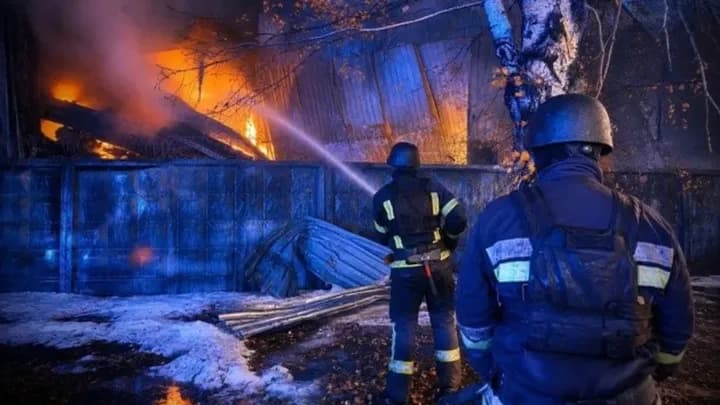
Workshops, equipment and stock burned down: “Korolivskyi Smak” halts production entirely after the strike on Vlasivka
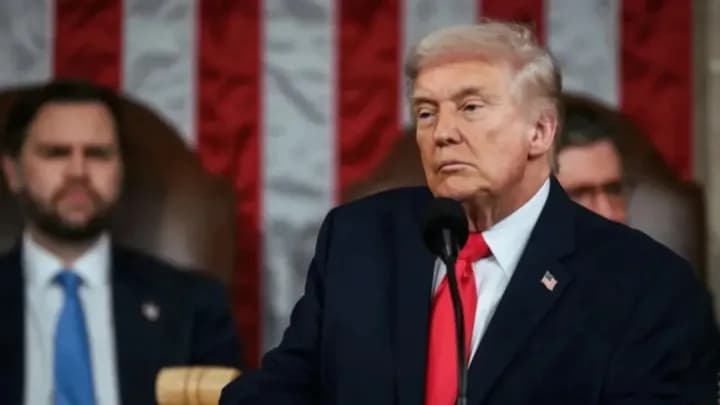
Trump’s Ukraine deal: Europe demands a say
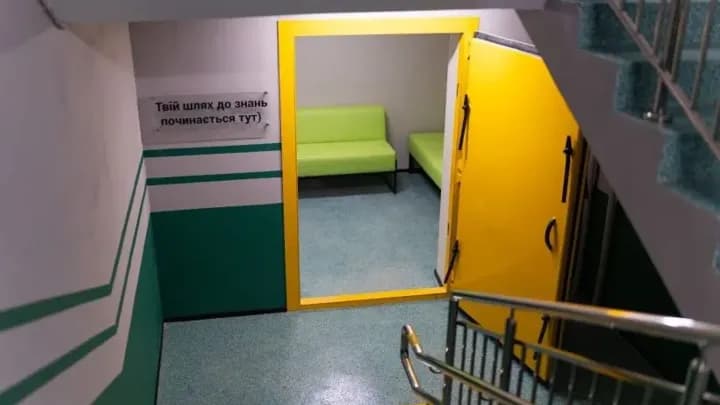
Remains of 55 people found in Komyshuvakha as search continues

Peace or NATO Disarmament? The Telegraph Reveals Kremlin’s Plan for November Talks on Ukraine