
Peace or NATO Disarmament? The Telegraph Reveals Kremlin’s Plan for November Talks on Ukraine
As Kyiv and the West cautiously prepare for a new round of peace talks in November, The Telegraph, citing diplomatic sources, reports that the Kremlin intends to use the negotiating table not to end the war, but to dismantle NATO’s military presence in Eastern Europe. According to the outlet, Russia will demand the withdrawal of Alliance forces from Poland, Estonia, Latvia, Lithuania, and Romania — effectively a return to the 1997 borders.
 1 / 4
On October 26, the British newspaper The Telegraph published a report that — if accurate — fundamentally changes the understanding of what the upcoming Ukraine peace talks are really about. According to diplomatic sources, Russia plans to use the November round to demand a reduction of NATO’s military presence in Europe to 1997 levels.
In practical terms, this means the withdrawal of Alliance troops from Poland, Estonia, Latvia, Lithuania, and Romania. In other words, the dismantling of NATO’s eastern flank — the very posture that was reinforced after 2014 and became critical after Russia’s full-scale invasion of Ukraine.
A necessary caveat: Media Visnyk has not been able to access the original Telegraph article (the site requires a paid subscription), nor the materials from The Guardian and Ukrainska Pravda that republished the story. Therefore, we cannot independently verify a single fact from the primary source. What we have is a media-reported version.
Yet even as a version, it demands attention. Because it challenges the very logic of the negotiations.
Imagine: Ukraine sits down to negotiate an end to the war, and on the table are not just its own territories but the military infrastructure of its allies. Under this scenario, the Kremlin is trying to turn the “peace process” into a tool for reshaping European security. The price of that reshaping is weakening NATO to its pre-enlargement state.
Will the West agree? So far, no official statements have come from the White House, Brussels, or key European capitals. But the question itself is alarming.
For Ukraine, this means its fate could be decided in rooms where the main topic is not the return of territories or reparations, but how many American soldiers remain in Poland.
Of course, it’s possible that the Telegraph report is part of an information war — a probe to test Western reaction. But even if so, the mere appearance of such a demand in the public sphere shows that the Kremlin does not intend to limit itself to the Ukrainian question.
Here is the core question that remains unanswered: Is the West willing to trade peace in Ukraine for its own strategic weakening? If yes, the price of such a “peace” may be higher than the war itself.
For now, this is only a version. But a version that deserves to be checked — very carefully.
Primary sources
Documents and statements this story is based on.
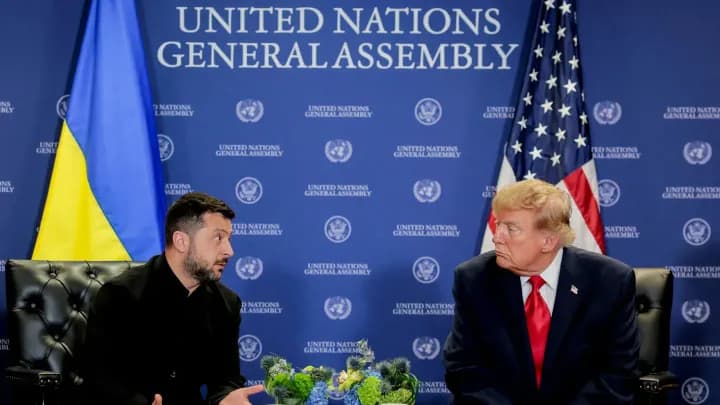
Trump Says “Someone Else” Should Negotiate for Ukraine — Witkoff Heads to Oslo, Then to Putin
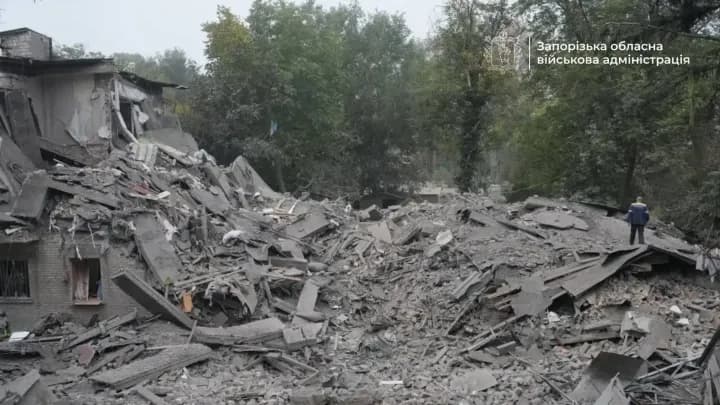
‘Lifeline for Putin’: US Senators Accuse Trump of Violating Law Over Russian Diesel Imports
“Thank You, Putin”: The Diesel Conspiracy Where Ukraine Became Redundant
Nord Stream 2.0: Trump and Putin Divide the Gas, Ukraine Is the Odd One Out