EU weighs another €45bn for Ukraine: budget support and borrowing costs
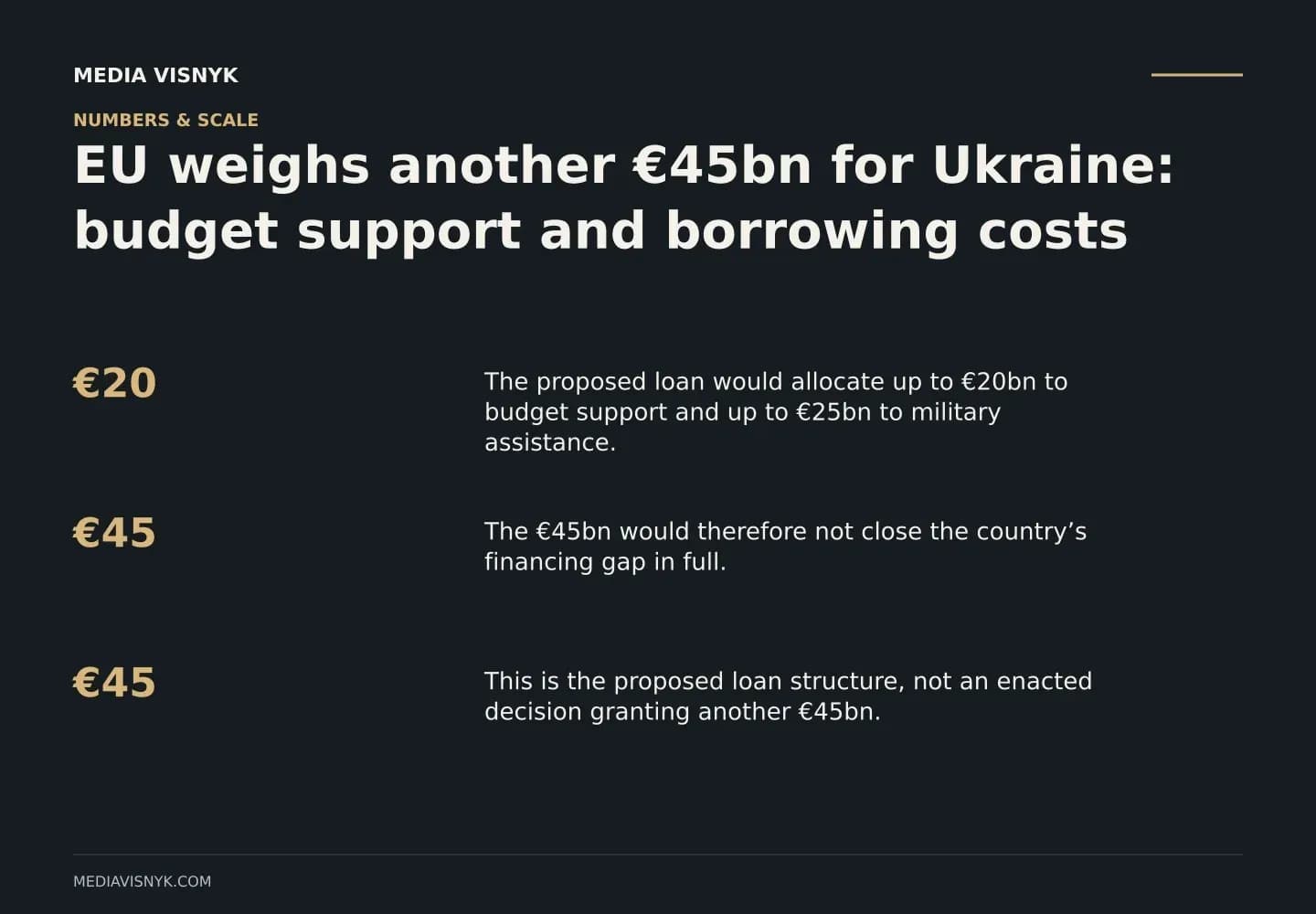
The proposed loan would allocate up to €20bn to budget support and up to €25bn to military assistance. Paying the borrowing costs is a separate issue.
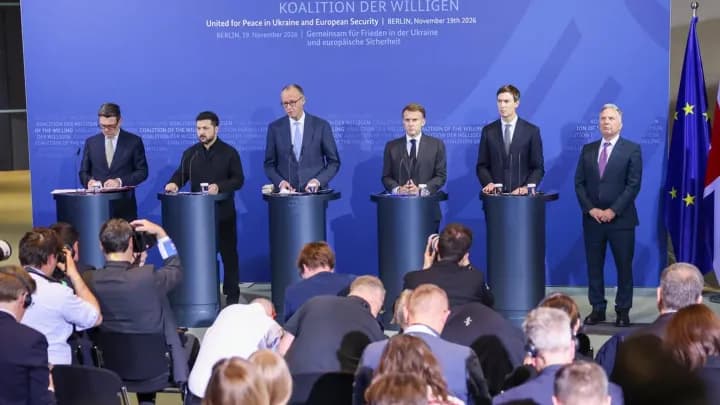
EU leaders in Brussels on 26 November are discussing an additional loan of up to €45bn for Ukraine in 2027 alongside the Union’s next long-term budget. No final agreement has been reached on the first day of the special summit. For Ukraine, the talks concern more than defence funding: up to €20bn of the new package would support the state budget and essential public services.
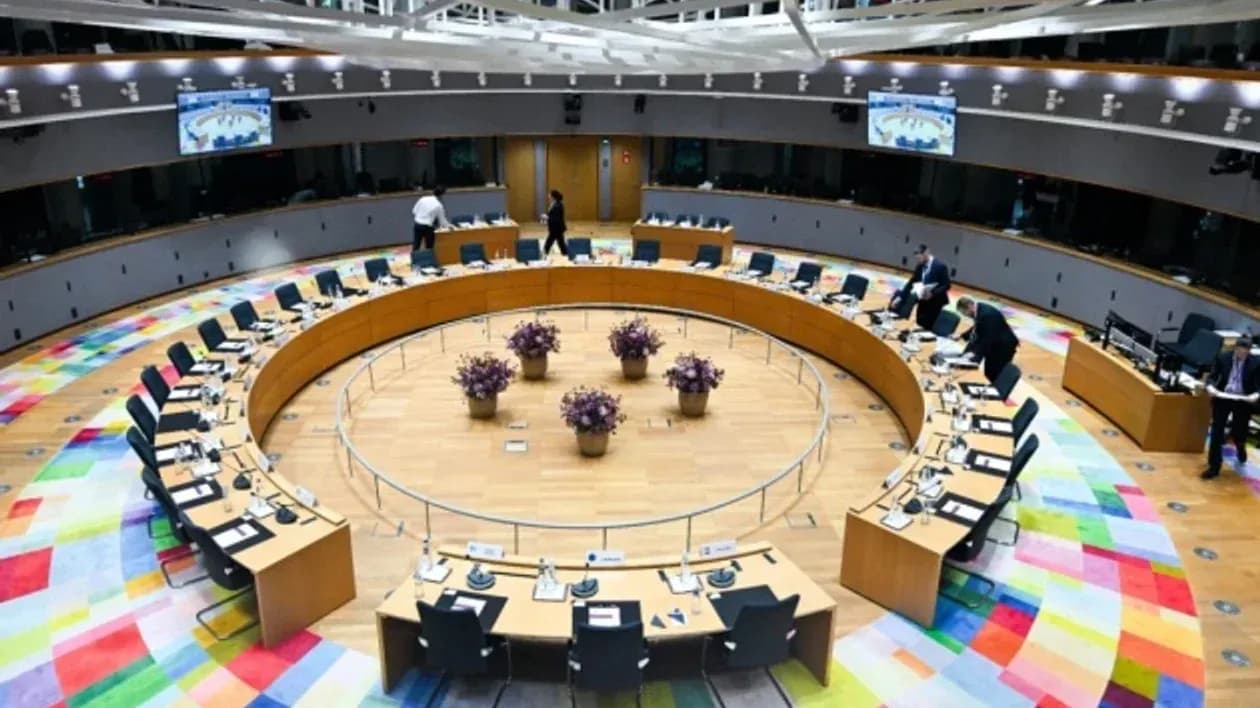
German Chancellor Friedrich Merz insists on linking further support for Ukraine to EU budget negotiations, with all 27 member states participating. Czech Prime Minister Andrej Babiš opposes that linkage, prioritising funding for cohesion programmes. Ukraine’s support thus also depends on a dispute over how money is distributed within the European Union itself.
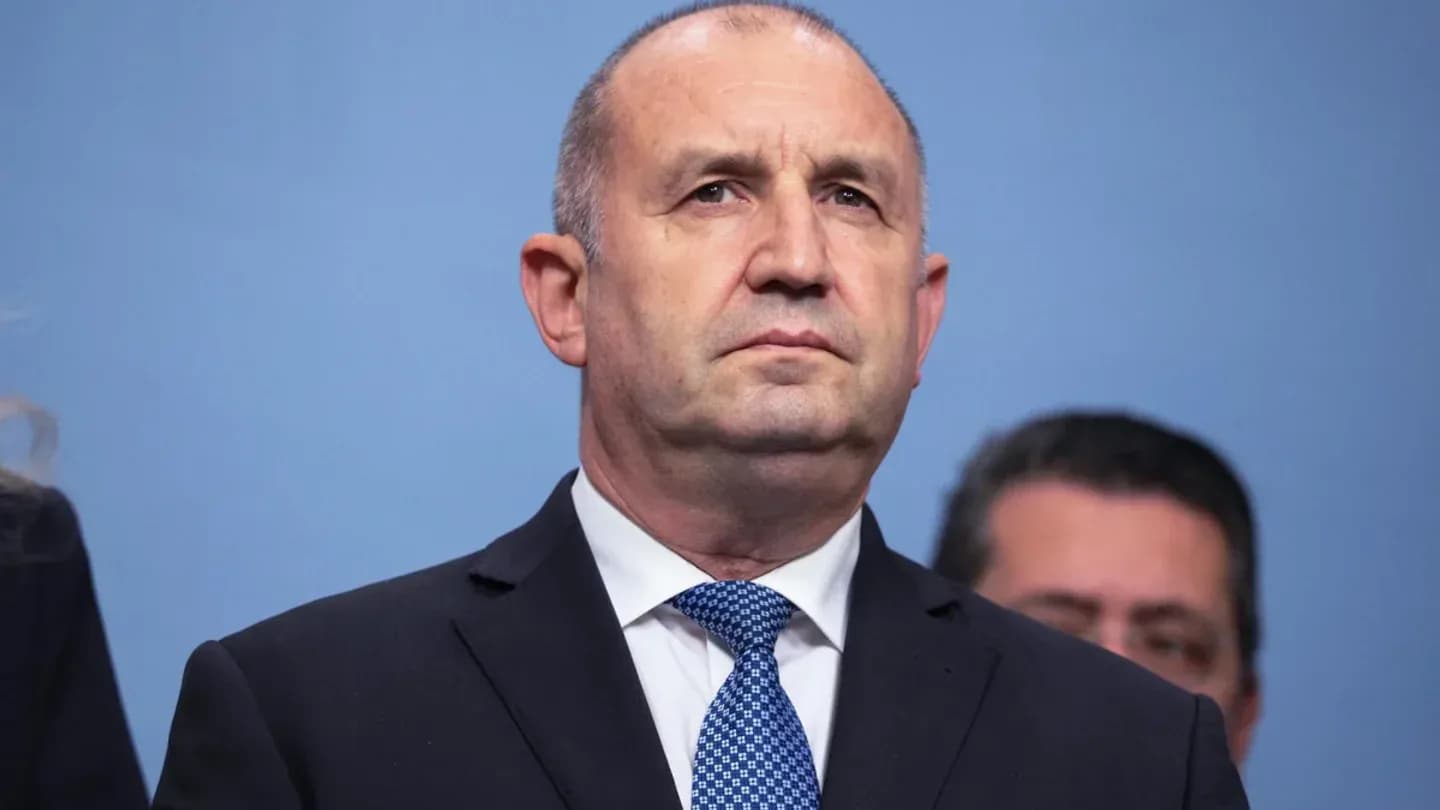
Bulgarian Prime Minister Rumen Radev said on 26 November that his country was willing to participate in the non-military component of the loan, but not in funding weapons. He also asked for Bulgarian support to focus on areas where Ukraine’s Bulgarian community lives. This is the government’s negotiating position, not an approved arrangement for distributing assistance.
New funding on top of existing plans
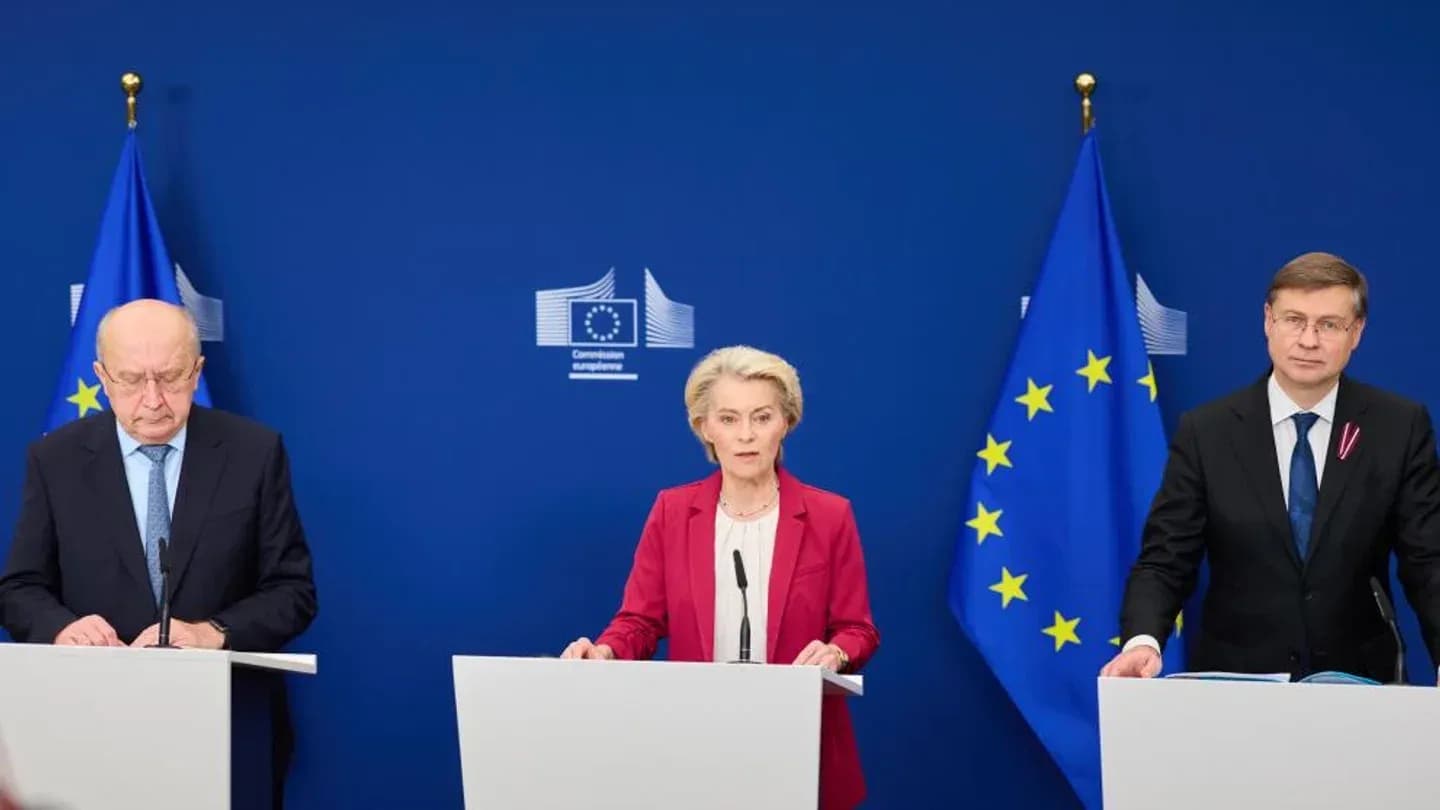
On 18 November, the European Commission proposed an Instrument for Coordinated Support to Ukraine: up to €25bn in military assistance and up to €20bn in general budget support. This €45bn would supplement another €45bn that the Commission plans to disburse in 2027 under the previously agreed €90bn Ukraine Support Loan for 2026–2027.
Even after accounting for the earlier loan, the Commission estimates Ukraine’s additional financing gap next year at €70bn. The new package would cover roughly two-thirds of that need; international partners would have to provide the remainder. The €45bn would therefore not close the country’s financing gap in full.
Budget support is tied to reforms concerning the rule of law and the fight against corruption. The draft also provides for conditions on transparent and accountable management of public finances. This places a concrete responsibility on Ukraine’s authorities: securing agreement with partners is not enough; disbursements require the agreed conditions to be met.
Reparations do not eliminate borrowing costs
Under the Commission’s proposal, the EU would raise the money on capital markets, backed by its budget headroom — the margin between budget limits and the maximum available own resources. Ukraine would have to repay the principal only after receiving Russian reparations. This is the proposed loan structure, not an enacted decision granting another €45bn.
Borrowing still carries a cost. In the draft’s explanatory memorandum, the Commission provides for the possibility of subsidising those costs, with invoices expected from 2028. It proposes financing them above the ceilings of the next multiannual financial framework through a dedicated special instrument. The distinction matters for Ukraine: servicing debt and providing fresh budget support meet different needs.
The special summit is scheduled for 26–27 November. December is being considered as the next opportunity for an agreement, but a deal is not guaranteed. The Council of the EU and the European Parliament still have to consider the legislative package under the applicable procedures. Until the rules, guarantees and disbursement conditions are agreed, the new loan provides no money that Ukraine’s budget can spend.
Primary sources
Documents and statements this story is based on.