EU summit ends without a deal as new €45bn Ukraine loan waits until December
Twenty-four countries backed an additional loan for Ukraine in 2027, but no agreement was reached. A dispute over sharing responsibility for aid has become entangled with the EU’s seven-year budget talks.
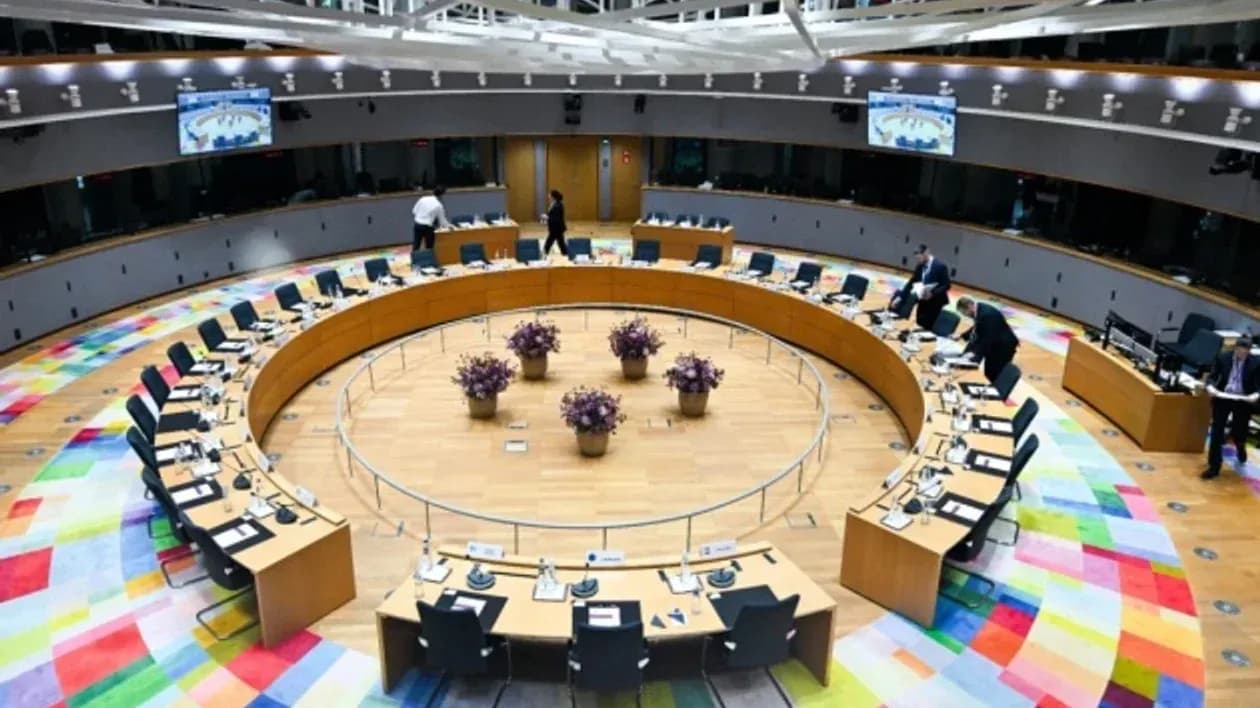
European Union leaders ended their special summit in Brussels overnight into November 27 without a final agreement on an additional loan for Ukraine in 2027 or the EU budget for 2028–2034. The meeting’s second day was cancelled. Leaders plan to return to both issues on December 17–18.
For Ukraine, up to €45 billion in new funding remains unresolved, including up to €20 billion in budget support to keep the state and essential public services running. Postponing the decision does not cancel the previously agreed €90 billion loan programme: a further €45 billion is earmarked for 2027 under that programme, with disbursement dependent on meeting the agreed conditions.
Twenty-four countries do not yet make a deal
European Council President António Costa announced after the talks that 24 of the 27 member states supported the new loan proposal. Hungary, Slovakia and the Czech Republic did not agree to join. Those three countries are also not participating in the previously agreed €90 billion loan.
Bulgaria backed participation only in the non-military component. Prime Minister Rumen Radev explained that the country wanted to focus its assistance on areas where Ukraine’s Bulgarian community lives and would not fund weapons. This means participating in the budget component of the overall package, not providing a separate €20 billion from Bulgaria.
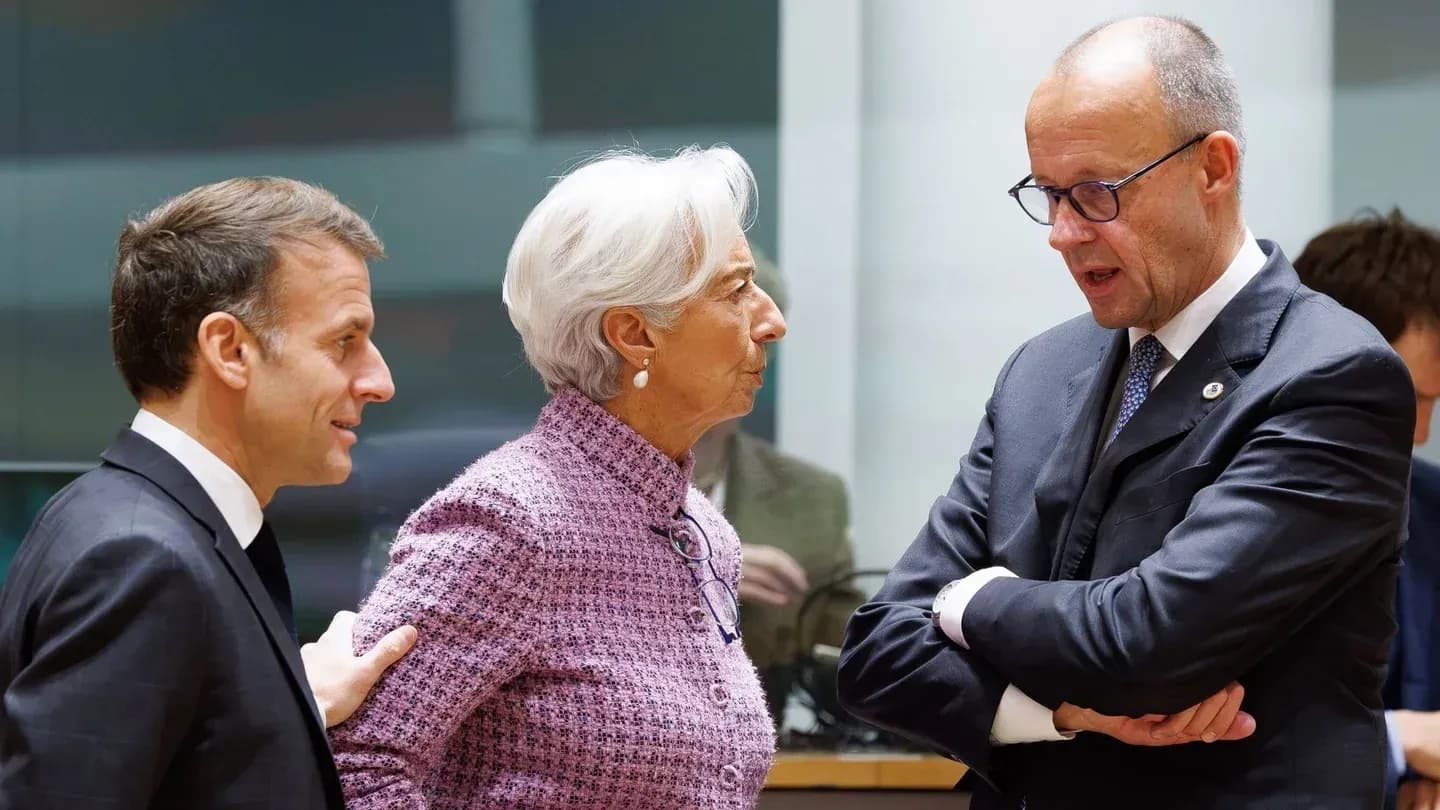
German Chancellor Friedrich Merz insists that all 27 EU members should share responsibility for financing Ukraine and links this to an agreement on the Union’s next budget. Czech Prime Minister Andrej Babiš, by contrast, wants Ukraine’s financing discussed separately. The dispute therefore concerns not only how much aid to provide, but who should take on the financial commitments.
What the new money would fund
On November 18, the European Commission proposed an additional loan of up to €45 billion: up to €25 billion for military assistance and up to €20 billion for general budget support. The Commission estimates Ukraine’s additional financing needs for 2027 at €70 billion; the new package is intended to cover roughly two-thirds, with international partners expected to provide the rest.
Under the Commission’s proposal, the EU would borrow on capital markets, backed by its budget. Ukraine would have to repay the principal only after receiving Russian reparations. Budget support would depend on reforms, including on the rule of law and anti-corruption. These are the terms of the proposed mechanism, which still requires approval.
Previously approved assistance continues to flow. In November, the Commission transferred €4.36 billion to Ukraine under the €90 billion programme, including €3.7 billion in macro-financial assistance and €658 million in defence funding. The current deadlock therefore means uncertainty over additional resources for next year, rather than a halt to all European payments.
The budget conflict goes beyond Ukraine
Germany, Belgium and other advocates of budget restraint want further cuts to total EU spending for 2028–2034. French President Emmanuel Macron called the planned reductions a strategic mistake. Costa summed up the divide: most member states opposed further budget cuts, while a substantial majority asked that funding for agriculture and cohesion policy — support for regional development — be protected.
For Ukraine’s budget, the consequence is concrete: additional funding for defence and civilian services remains under negotiation alongside the EU’s internal priorities. The next attempt to agree a decision is scheduled for the December summit; the backing of 24 countries still has to be translated into an approved mechanism and a financing timetable.
Primary sources
Documents and statements this story is based on.