
Trump and Congress: why executive orders cannot decide everything
A report about Merz’s scepticism raises a broader question: which powers does Congress retain regardless of presidential executive orders?
Executive orders allow the US president to direct the executive branch, but they do not remove Congress’s powers to pass laws and determine spending. This is an important distinction when discussing whether congressional elections can affect Donald Trump’s policies.
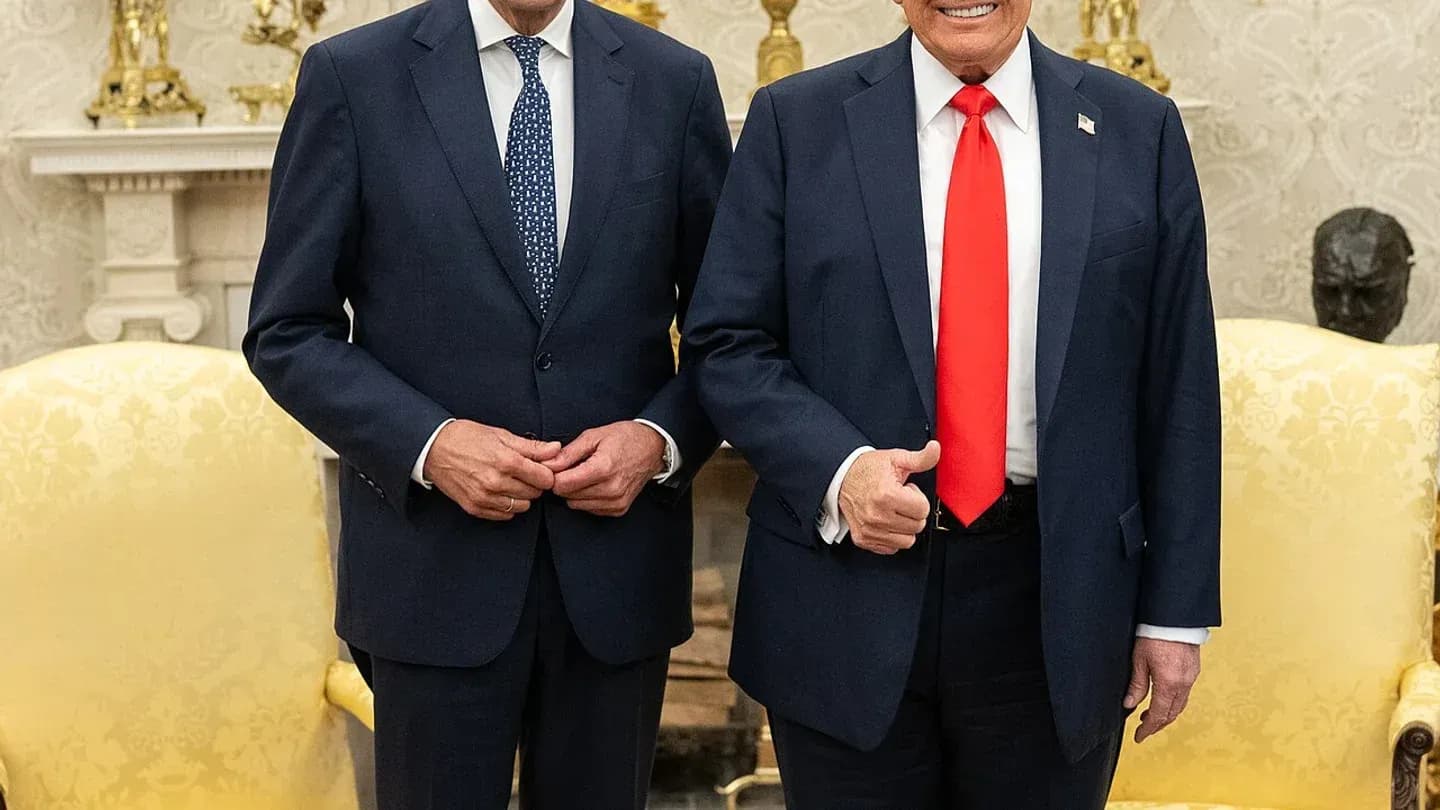
The discussion was prompted by a Novoe Izdanie post dated November 5, 2026. It attributes to German Chancellor Friedrich Merz a sceptical assessment of the midterm elections’ impact on Trump’s future course: according to this account, the president had already acted largely without Congress, using executive orders, and would continue to do so. The post does not identify the date or location of the remarks themselves; their full context remains unclear.
The US National Archives defines executive orders as official documents through which the president manages the operations of the federal government. Their texts are published in the Federal Register. The instrument does not, in itself, transfer legislative power to the president: Article I of the Constitution vests that power in Congress, comprising the House of Representatives and the Senate.
Funding is particularly significant. Article I, Section 9 of the Constitution provides that money may be drawn from the Treasury only pursuant to appropriations made by law. The House of Representatives’ official website also identifies taxation and government spending as legislative powers. The president’s ability to issue executive orders therefore does not make lawmakers’ positions on budget decisions irrelevant.
At the same time, Congress cannot automatically impose any law on the president. The Constitution provides for a presidential veto; overriding it requires two-thirds support in each chamber. The executive branch, in turn, is responsible for enforcing laws. The impact of a new political balance depends on the decisions under discussion and whether there are enough votes to pass them.
A forecast that the political course will remain unchanged is therefore distinct from the question of Congress’s actual leverage. Continued use of executive orders does not, by itself, establish that elections cannot affect legislation or the funding of federal policies.
Primary sources
Documents and statements this story is based on.

Hegseth impeachment and Trump’s support: claims and powers
Trump’s Approval Rating Hits Record Low of 31% Two Weeks Before Midterms — Democrats Lead by 12 Points. What Does It Mean for Ukraine?
“Elect a New President”: Who Decides for Ukraine — and Why

AfD wins Mecklenburg-Western Pomerania as Die Linke tops Berlin vote