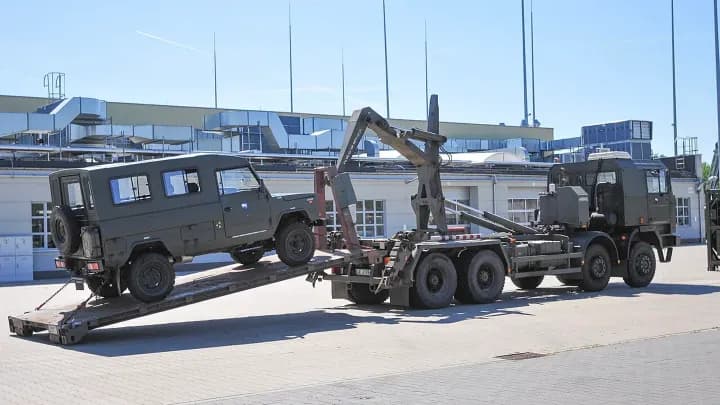
Three Kh-101s in Poland: prosecutors identify missiles as tests continue
Debris at three locations has been provisionally identified as Russian Kh-101 missiles. Further inspection in Mołodycz was scheduled for the morning of November 23.
Prosecutors in Lublin have provisionally established that debris found at all three sites where aerial objects fell in eastern Poland belongs to Russian Kh-101 cruise missiles. The November 22, 2026 finding rests on inspections involving military equipment and weapons specialists. Final expert examinations are still to come.
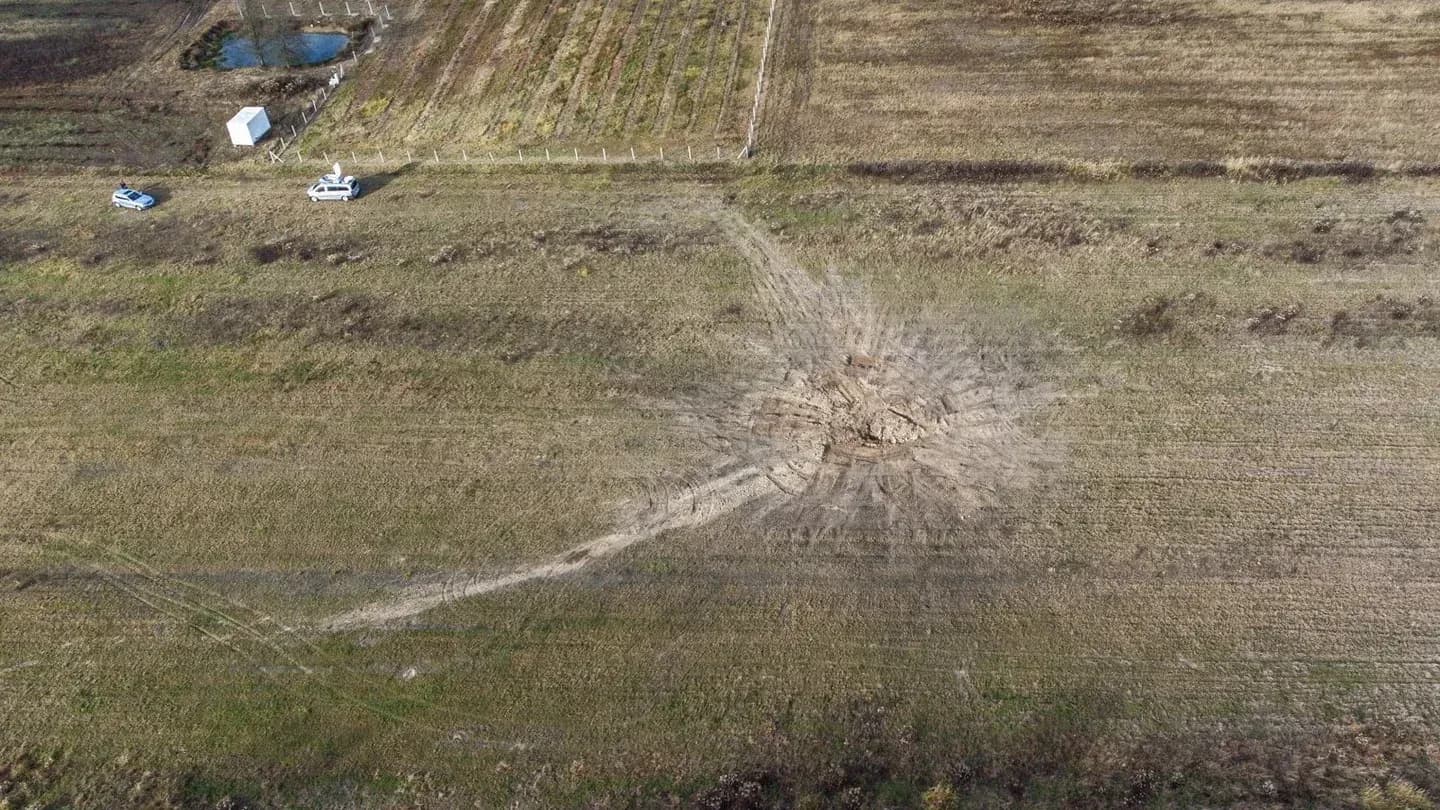
The locations are Nowy Lipowiec in Biłgoraj County, Lublin Province; Rudnik in Nisko County; and Mołodycz in Jarosław County, the latter two in Podkarpackie Province. As recently as November 21, prosecutors described all three objects as unidentified. A preliminary identification now covers each of the three sites, rather than a single discovery.
Prosecutors have also provisionally determined that all three missiles were manufactured in the fourth quarter of 2026 at facilities in Dubna, Moscow Region. That denotes the October–December period, not an established precise month of manufacture. The recovered fragments and forensic traces are to undergo further specialist examinations.
The site inspection and evidence collection in Nowy Lipowiec are complete; technical and clean-up work in Rudnik has also ended. In Mołodycz, terrain conditions and darkness interrupted the inspection on November 22. Prosecutors scheduled its continuation for the morning of November 23. The site remained cordoned off and guarded overnight. At the time of preparation, there was no confirmation that work had actually resumed.
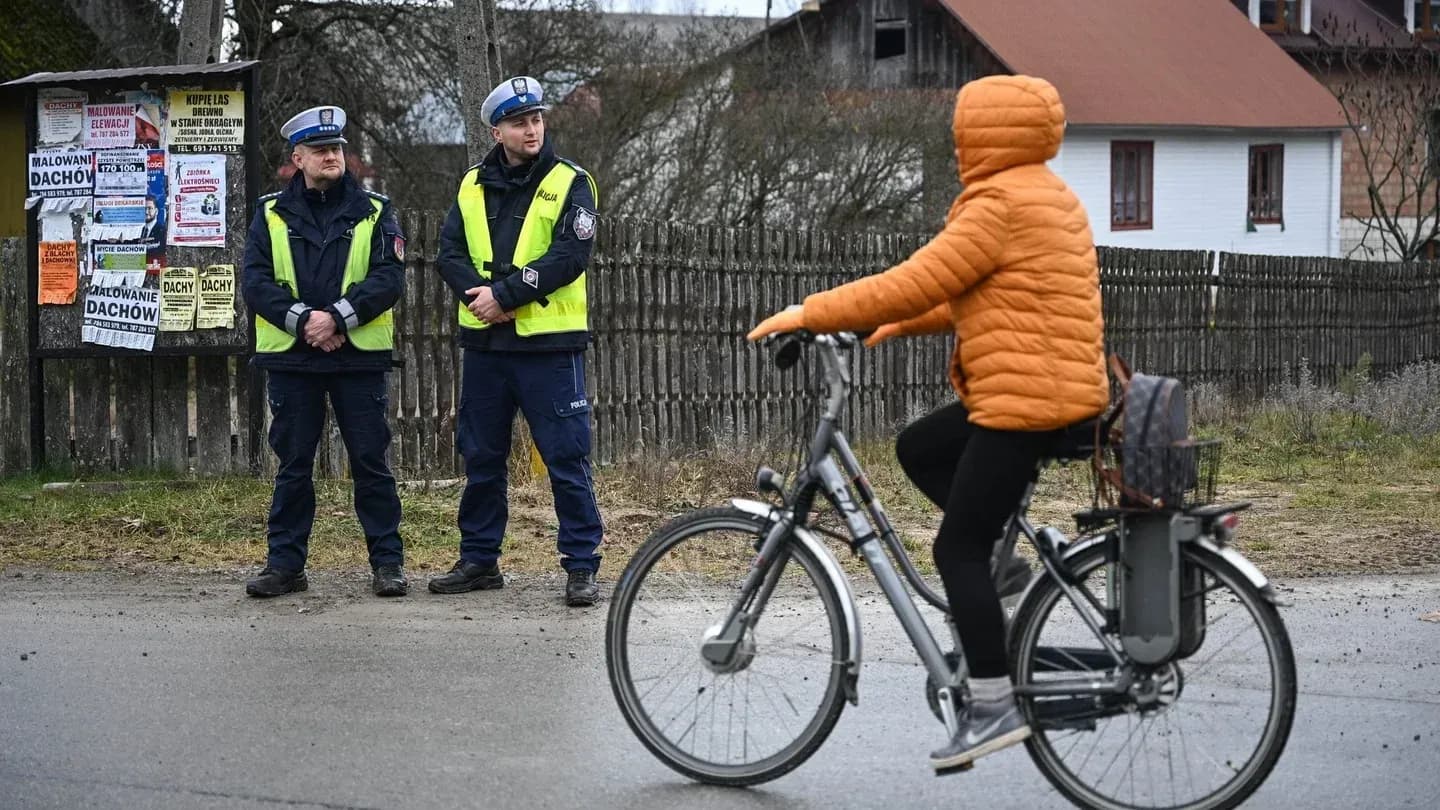
The investigation began after an object's fall in Nowy Lipowiec was confirmed on November 20. Military prosecutors from Lublin and Rzeszów are working at the sites alongside the Military Gendarmerie. Before detailed inspections, explosive ordnance specialists check the ground and debris for potential explosive and chemical hazards. Prosecutors urged residents to follow the emergency services' instructions and stay away from designated safety zones.
Identifying the missile type narrows the technical uncertainty but does not explain why the missiles ended up on Polish territory or how its air defences performed. Assessing the actions of Polish authorities and NATO requires established flight paths, detection times and interception decisions. The announced inspection findings do not provide those answers; drawing conclusions from them about an intentional strike or the culpability of individual officials would be premature.
For people near the impact sites, the next practical steps are completion of the Mołodycz inspection and examination of the recovered debris. Identifying a missile model does not itself replace a site safety check: the services working there control access to the guarded area.
Primary sources
Documents and statements this story is based on.