KOALICJA 26.2: Ukraine support without ceasefire monitoring
A readiness exercise for multinational forces is scheduled for 9–22 November. Their tasks involve support after hostilities, not peacekeeping or ceasefire monitoring.
KOALICJA 26.2, the first readiness exercise for multinational forces supporting Ukraine, is scheduled to begin in Poland on 9 November. The exercise is planned to run until 22 November 2026 under joint French-British leadership. It will test the ability to deploy and sustain forces rapidly after hostilities end, rather than involve a deployment of troops into Ukraine now.
Poland’s defence ministry draws a clear boundary for the future force: it will have no peacekeeping or ceasefire-monitoring duties. The force will operate outside NATO structures. Preparing this mission therefore cannot be equated with creating a mechanism that will itself monitor a ceasefire and enforce compliance.
The force is intended to be deployed at the Ukrainian government’s request after hostilities end. Its announced tasks include military training, helping rebuild Ukraine’s armed forces and replenishing key equipment. Specialists in logistics, equipment and training would be sent to Ukraine for this purpose. The force’s commander, General Tom Bateman, describes the objective as preparing Ukraine’s army to repel future aggression.
Operational flights and maritime mine clearance are also envisaged, to help restore civilian aviation and secure commercial shipping. This is a concrete area of work affecting civilian life: transport and trade after the war. But training flights and mine-clearance planning in the exercise programme do not mean that Ukrainian skies or sea routes are already reopening.
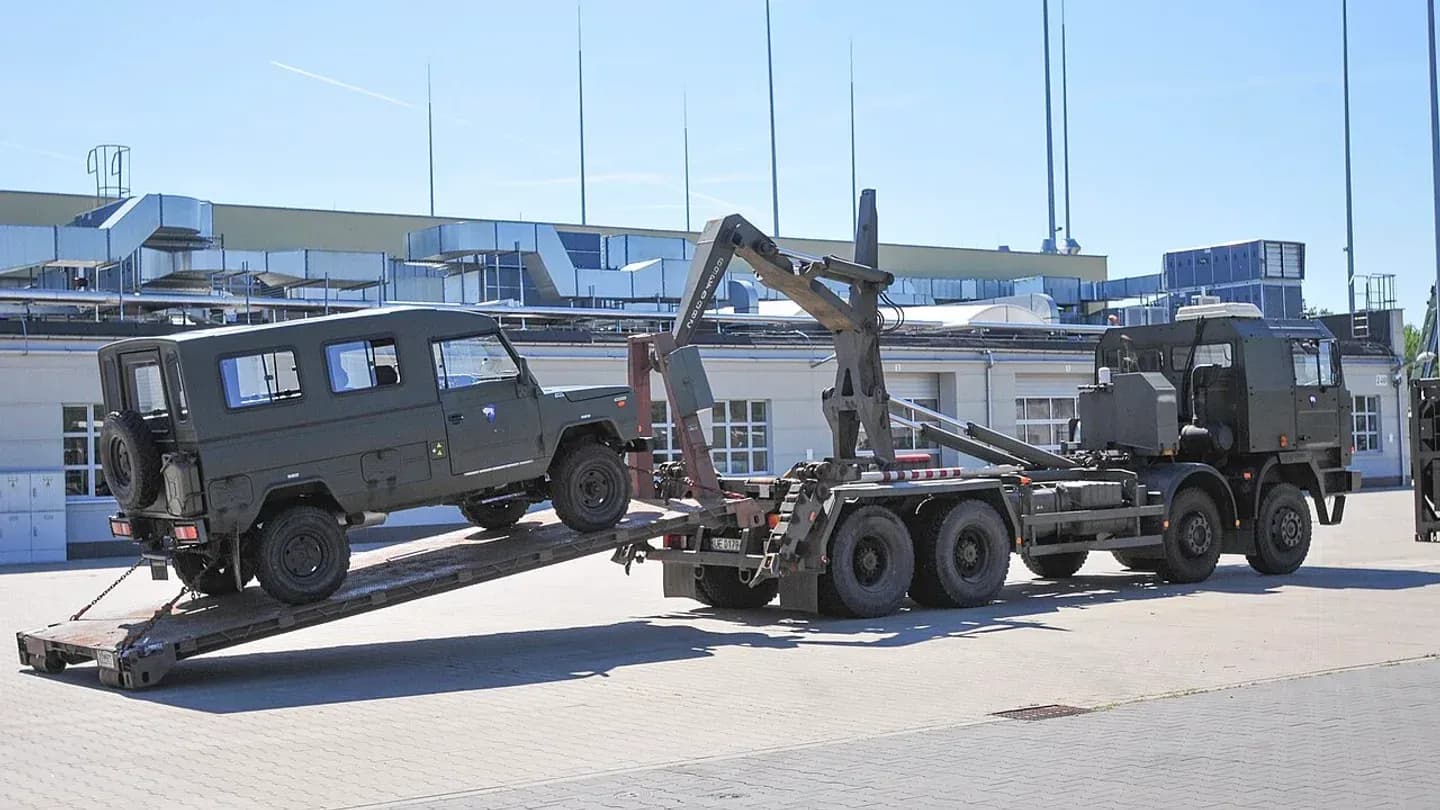
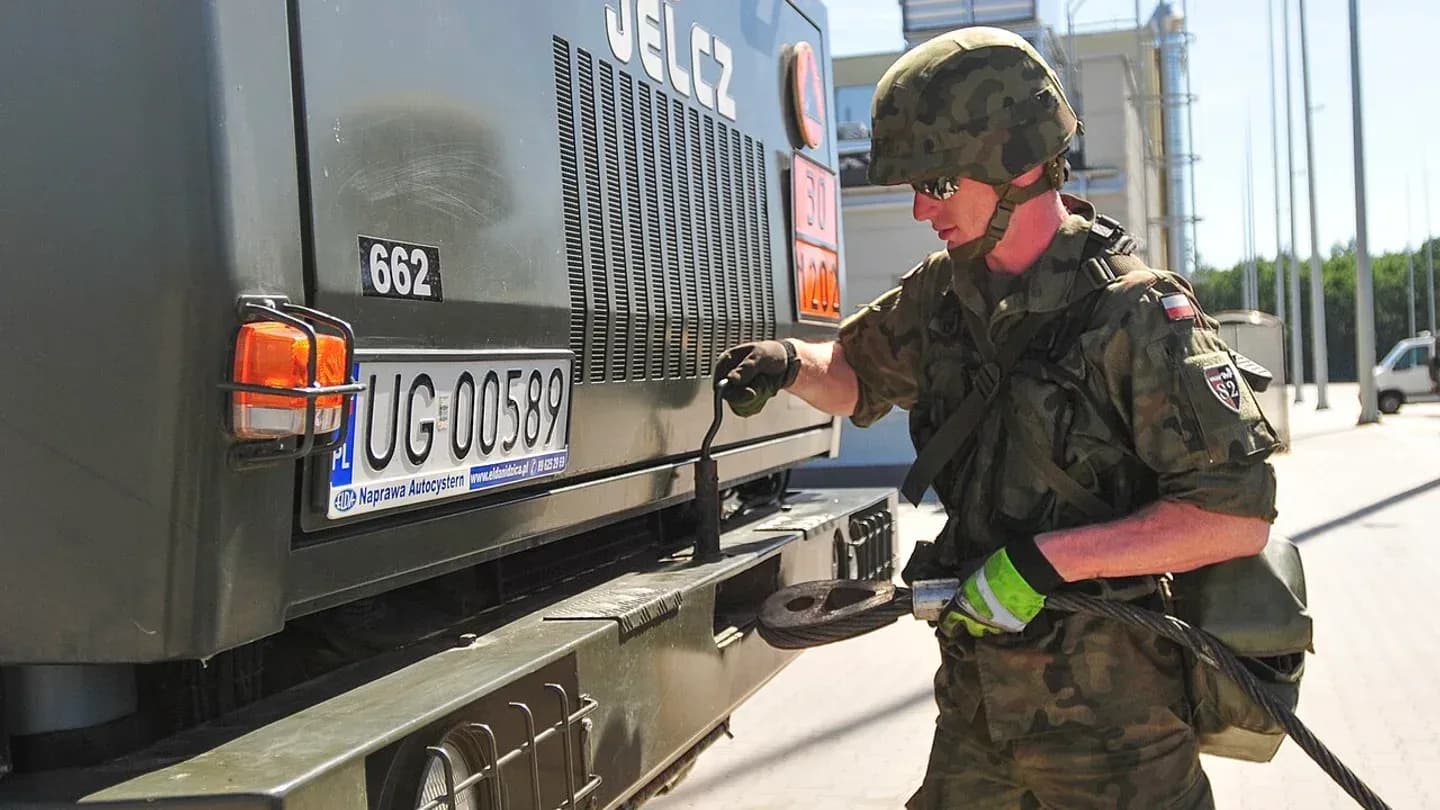
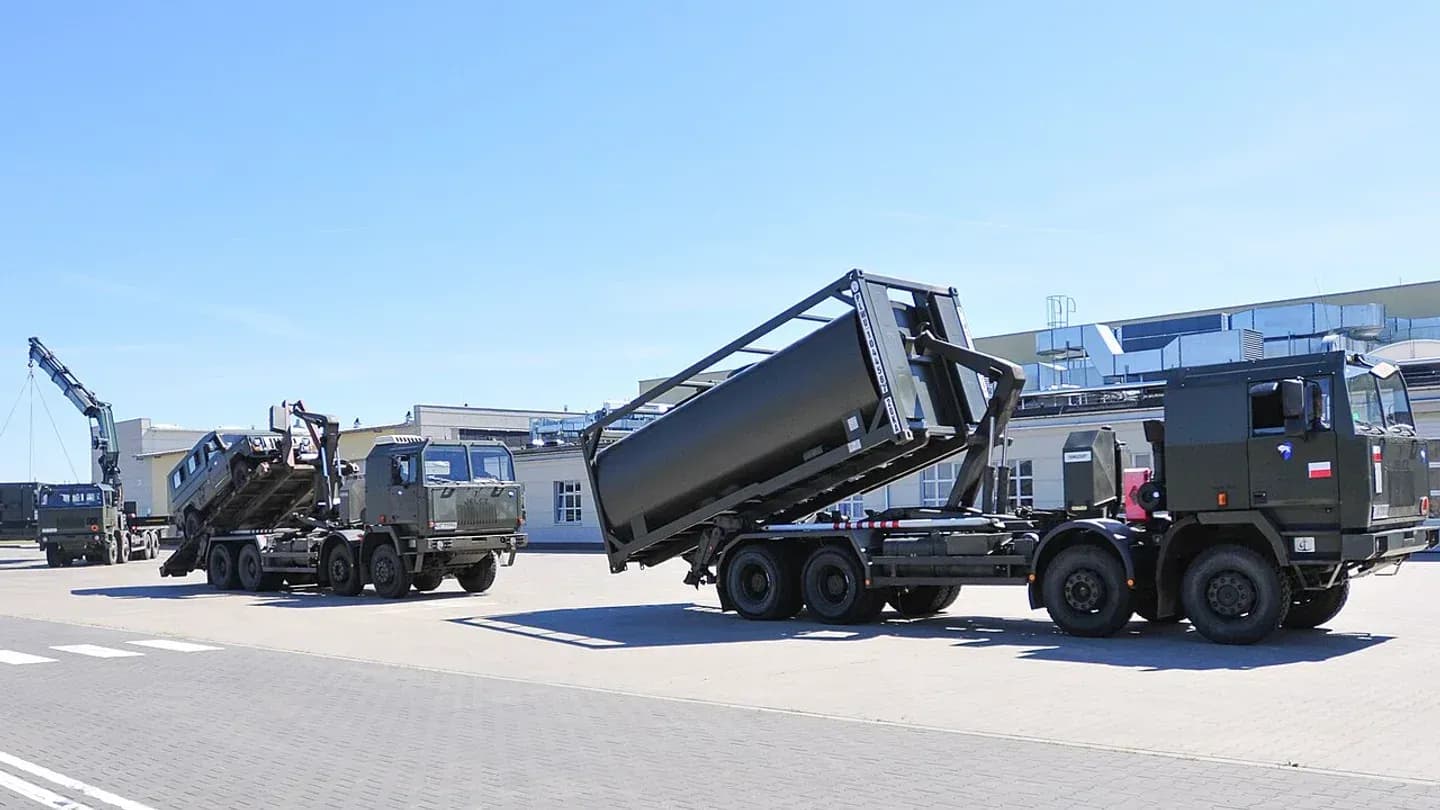
The practical core of the exercise is reception, staging and onward movement of units. They would arrive in Poland by sea, land and air, then travel by rail and road to Nowa Dęba for integration and joint training. Poland will provide accommodation, food, fuel, medical support and equipment servicing. Without these links, even a politically agreed force cannot operate for long.
Announced participation is 2,800 personnel from 11 countries, across Poland, the operational headquarters in France and the maritime component in Türkiye. Poland’s defence ministry separately lists almost 2,000 Polish troops. The 2,800 figure should therefore not be read as the number of foreign troops already in Ukraine. The operational headquarters is in Paris; Poland is preparing to remain a logistics hub after the war, but not to send its own troops onto Ukrainian territory.
Helping rebuild the army can contribute to deterring another attack. Yet in the announced concept, the force itself is only one element of a broader security guarantees package. That concept does not establish an automatic obligation for every participant to enter the war in the event of renewed aggression. A concrete question of responsibility remains for Ukraine’s authorities and their partners: who will respond, with what forces and under what procedure, if Russia attacks again? Moving units and training Ukrainian troops do not settle that question.
A demonstration of practical tasks is scheduled in Nowa Dęba on 20 November: movement, team integration, equipment repairs and training activities. Readiness to carry out these tasks is what the exercise will test. Ceasefire monitoring and arrangements for protection against a renewed attack require separately defined responsibilities and commitments.
Primary sources
Documents and statements this story is based on.