Ukraine’s SBU dismantles 9 draft-dodging schemes: bribes up to $20,000, military doctors and recruitment chiefs arrested
The SBU and National Police blocked nine draft evasion schemes in seven regions and detained 15 organizers, among them a military medical board doctor and a TCC chief. “Services” cost up to $20,000 — and clients may still face annulled deferments and prosecution.
 1 / 4
1 / 4Nine schemes, seven regions, 15 suspects
On October 5, the SBU and police announced the blocking of nine new channels for evading mobilization. The operation covered Kyiv region, Prykarpattia, Zakarpattia, Odesa, Vinnytsia, Lviv, and Dnipro. Fifteen people were detained. They face up to 12 years in prison with asset confiscation.
This is not just another crime report. It is a snapshot of Ukraine’s “shadow market” for draft evasion in autumn 2026. The range of “services” is striking.
Doctor for $6,000, fake mobilization by TCC chief
In Kyiv region, a neurologist serving on a military medical board was arrested. His fee: $6,000 for a fake diagnosis that would remove a conscript from the military register. The doctor was part of a criminal organization, the SBU said.
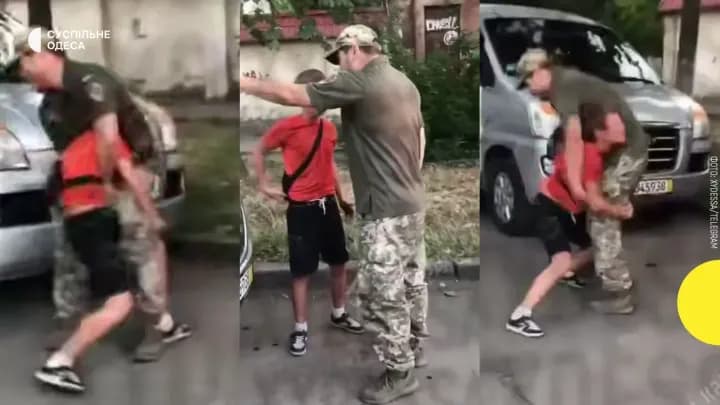
In Prykarpattia, the head of a district TCC and his deputy “mobilized” eight conscripts on paper — they entered fake data into the registry but never actually sent the men to the army. They accepted cash payments. Both now face up to 12 years.
Viber group with 3,500 users — and 44 fake “volunteers”
In Zakarpattia, two women administered a Viber chat group that leaked current locations of TCC patrols and checkpoints. The group had 3,500 members. The women were detained and charged with obstructing the lawful activities of the Armed Forces of Ukraine.
In the same region, investigators uncovered a scheme involving fake volunteer status: 44 conscripts were entered into the “Oberih” electronic system as volunteers, which granted them a legal deferment. The SBU is still investigating who entered the data, but the case shows that the “Oberih” system was vulnerable to unauthorized manipulation.
Up to $20,000 — and no guarantees
The highest fee — $20,000 — was charged by a suspect from Vinnytsia region who offered to drive a conscript to the border and arrange further transport into the EU. In Zakarpattia, three organizers offered full “escort” to the EU for $6,000 per person. All were arrested.
What happens to the clients?
This is the biggest unknown. The SBU’s official statement does not say whether the conscripts who used these schemes will be prosecuted. But the logic of Ukrainian law is clear: if a deferment or reservation was obtained illegally (fake employment, forged medical certificates), those documents can be annulled once the scheme is exposed. Then comes re-registration for military service — and potentially a criminal case for evasion.
Article 336 of the Criminal Code of Ukraine (evasion of conscription) carries up to five years in prison. Will there be mass checks? No official answer yet. But if the SBU found 44 fake “volunteers” in a single scheme, it is reasonable to expect that the authorities will eventually come for them.
What this means in practice
For anyone currently considering a “service” — this is a red flag. The operation shows that the state has learned to track schemes at every stage: from forged medical certificates to illegal entries in the registry. The price is not just $20,000 — it is a real prison term.
On the other hand, the emergence of nine schemes at once is a symptom. When official mobilization is sluggish and trust in TCCs is low, the shadow market thrives. Until the government fixes systemic problems, more “doctors” and “TCC chiefs” will appear.
For now: 15 arrests, multiple criminal cases, and thousands of people nervously checking whether their deferment appears in SBU databases. Perhaps that is the best advertisement for honest mobilization.
Primary sources
Documents and statements this story is based on.
- Interfax-Ukraine — “SBU and National Police block 9 draft evasion schemes”
- Patriot Donbasu — “Law enforcement uncover 9 more draft evasion schemes in various regions of Ukraine”
- Korrespondent.net — “15 detained and bribes up to $20,000: SBU exposes draft dodger schemes”
- Security Service of Ukraine (Facebook) — official statement
- Інформатор — «На Франківщині затримали начальника ТЦК із заступником»
- Censor.NET — “SBU and National Police block nine draft evasion schemes”
- Lviv Bereh (Left Bank) — “Law enforcement uncover nine draft evasion schemes”
- Wysokyi Zamok — “SBU and National Police block 9 new draft evasion schemes and detain 15 organizers”