
The Pentagon publicly broke with Kyiv: Colby called Wildberries strikes ineffective, allies pushed back
Opening the 37th Ramstein-format meeting in Brussels, US Under Secretary of Defense Elbridge Colby said Ukraine's deep strikes are not ending the war and that hits on Wildberries harden Russian resolve. Germany called the criticism "stupid", Britain said the strikes save lives, and NATO's chief backed hits on Russian logistics.
Opening the 37th meeting of the Ukraine Defense Contact Group in Brussels, US Under Secretary of Defense for Policy Elbridge Colby publicly challenged the official rationale for Ukraine's campaign of strikes deep inside Russia. In his assessment, deep strikes "have not been effective in driving an end to the war", and hits on objects such as the warehouses of the marketplace Wildberries "have actually probably hardened the Russian public's resolve and the Kremlin's own willingness to escalate". The same day, Germany's Defence Minister Boris Pistorius called the criticism "quite a stupid thing", his British counterpart Wes Streeting said the strikes are "saving lives", and NATO Secretary General Mark Rutte backed Ukraine's strikes on Russian logistics nodes.
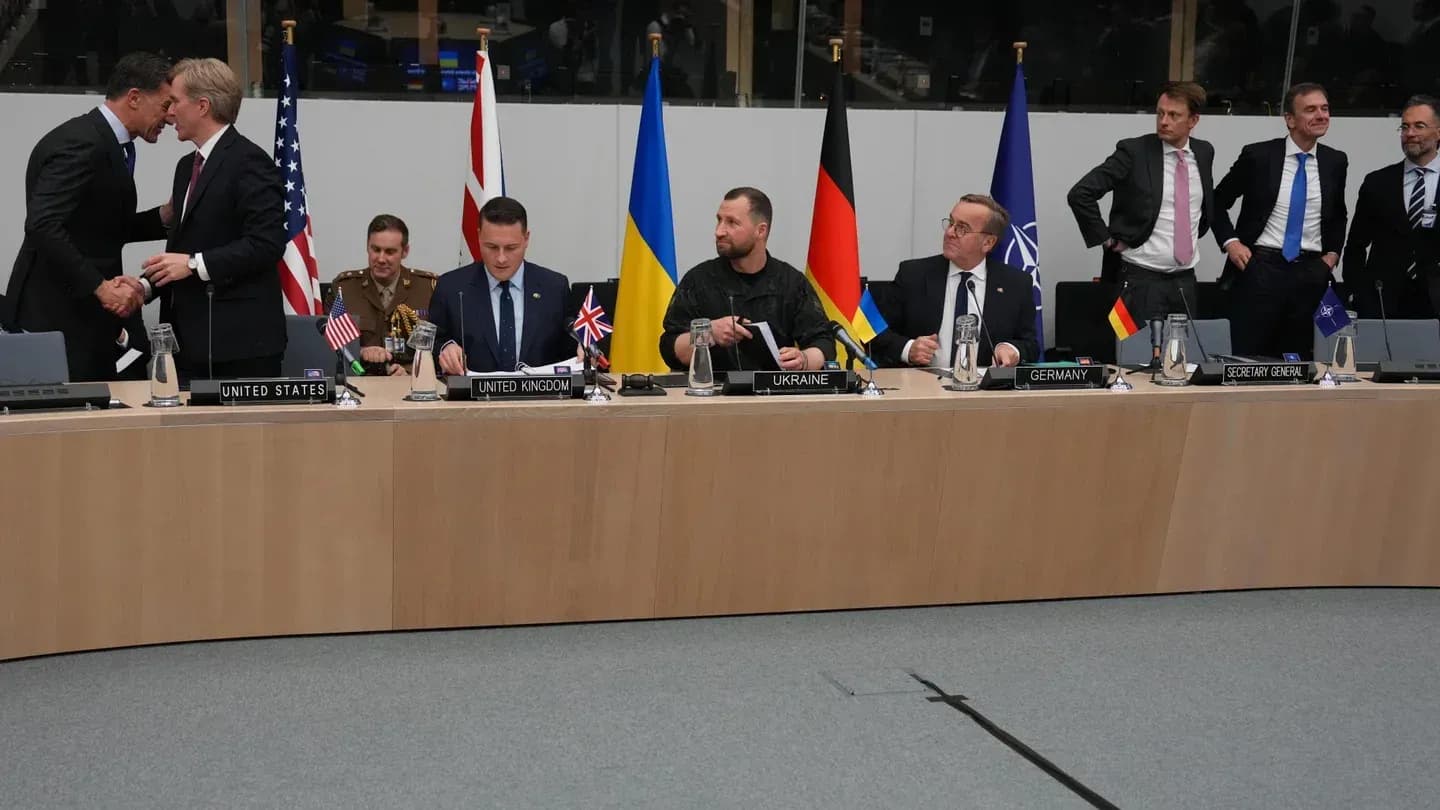
The remarks came on 17 November at NATO headquarters, where some fifty nations coordinate military support for Ukraine — against the backdrop of Russian strikes on Ukrainian energy infrastructure ahead of winter and of talks on security guarantees: the same day, Donald Trump's envoys Steve Witkoff and Jared Kushner were due to meet the "coalition of the willing" in Berlin, while Trump himself is expected to attend a meeting with Vladimir Putin and Xi Jinping in the Chinese city of Shenzhen, where the war and attempts to end it are also on the agenda.
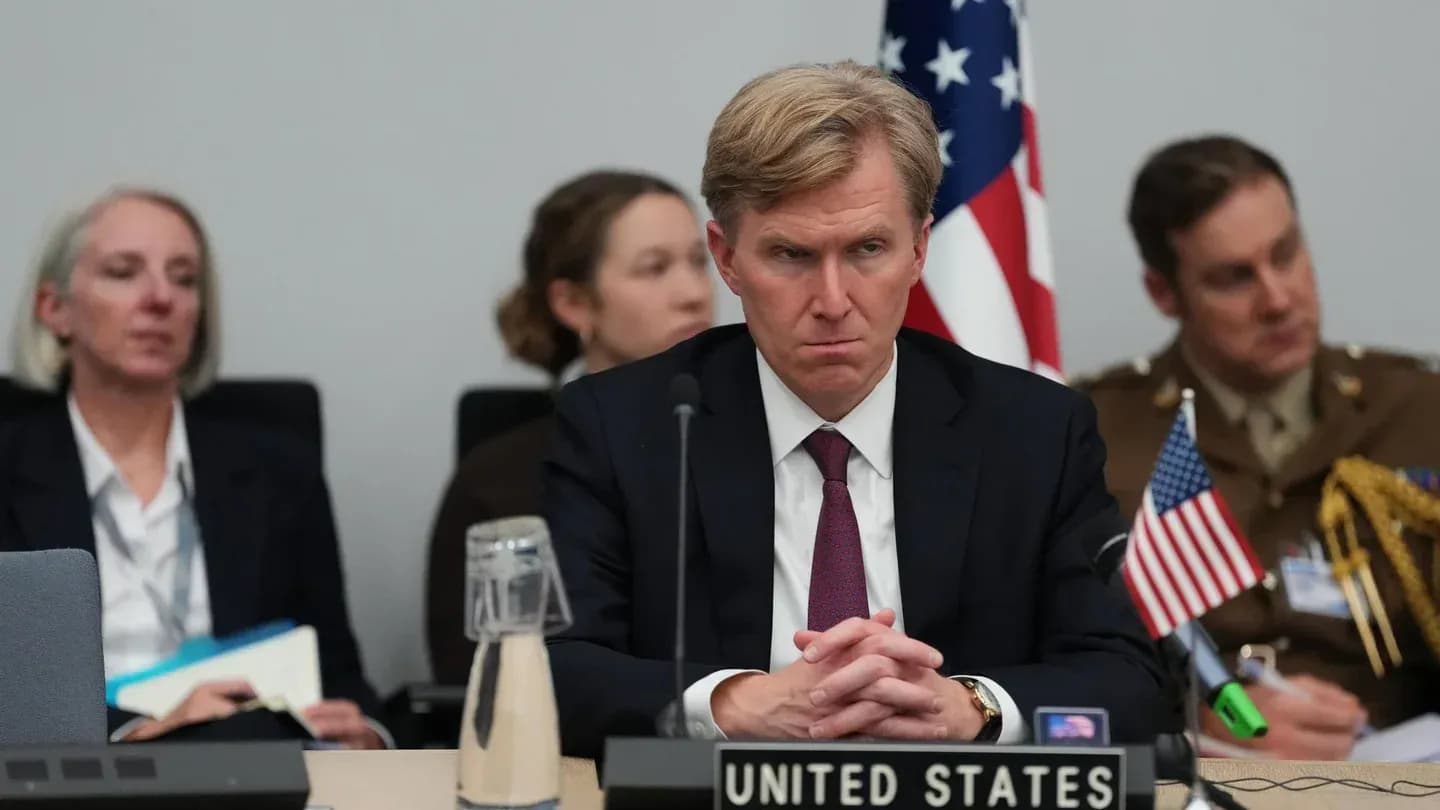
What Colby actually said
"While the public conversation focuses on the spectacle of deep strikes designed to incur pain on the Russian population, our assessment is that such strikes have not been effective in driving an end to the war, nor do they contribute to blunting Russia's advances on the front line," Colby said at the opening of the meeting. Strikes on "civilian infrastructure, such as Wildberries", in his words, not only fail to end the war but strengthen the Kremlin's willingness to escalate.
The Pentagon's policy chief then suggested that the advantage in exchanging long-range strikes may not lie with Kyiv: "It is important to note that the balance of advantages in long-range strikes may well favour Moscow." At the same time he stressed that this is no reason to restrain Ukraine: "This does not mean that Ukraine should be forced to fight with its hands tied behind its back." Support, Colby argued, should concentrate on Ukraine's ability to hold the front line and on mid-range strikes against the "Russian war machine" — those, he conceded, can slow Russia's advance.

Separately, Colby told the allies that the war would likely continue at least through the winter months: as winter sets in, Russia, on his assessment, will "continue to generate more manpower and mobilize its war economy for the long haul", and everyone, he added, must be prepared for the conflict "to endure". Funding purchases of US weapons through the PURL initiative will require significant money, he said, but "the primary responsibility for this will rest on Europe's shoulders".
The allies' answer: "stupid" and "saving lives"
Germany rejected the Pentagon's assessment on the day it was made. Defence Minister Boris Pistorius called criticism of the deep strikes "quite a stupid thing": "Instead of criticizing that, we should rather criticize and talk about the terroristic strikes every night and every day on civil energy, water and heating infrastructure in Ukraine." The focus, he said, should be on "terrorism" rather than on "legal and legitimate strikes in Russia against non-civilian targets".

The meeting's co-chair, UK Defence Secretary Wes Streeting, went further: "It's not for us to tell Ukraine how to fight their war." "In terms of deep strike capability, there's no doubt in my mind that it has helped to degrade Putin's war machine, buying time and saving lives," he said. Streeting also recalled Ukraine's air-defence dependence on satellite communications: "We do need to make sure that we have consistent and reliable service from Starlink and Starshield because lives depend on it." Colby himself declined to comment after the meeting on the Starshield restrictions that prevent Ukraine from shooting down Russian jet-powered drones near the front line, saying only that the US is "taking steps that are consistent with that policy" of supporting defence and mid-range strikes.
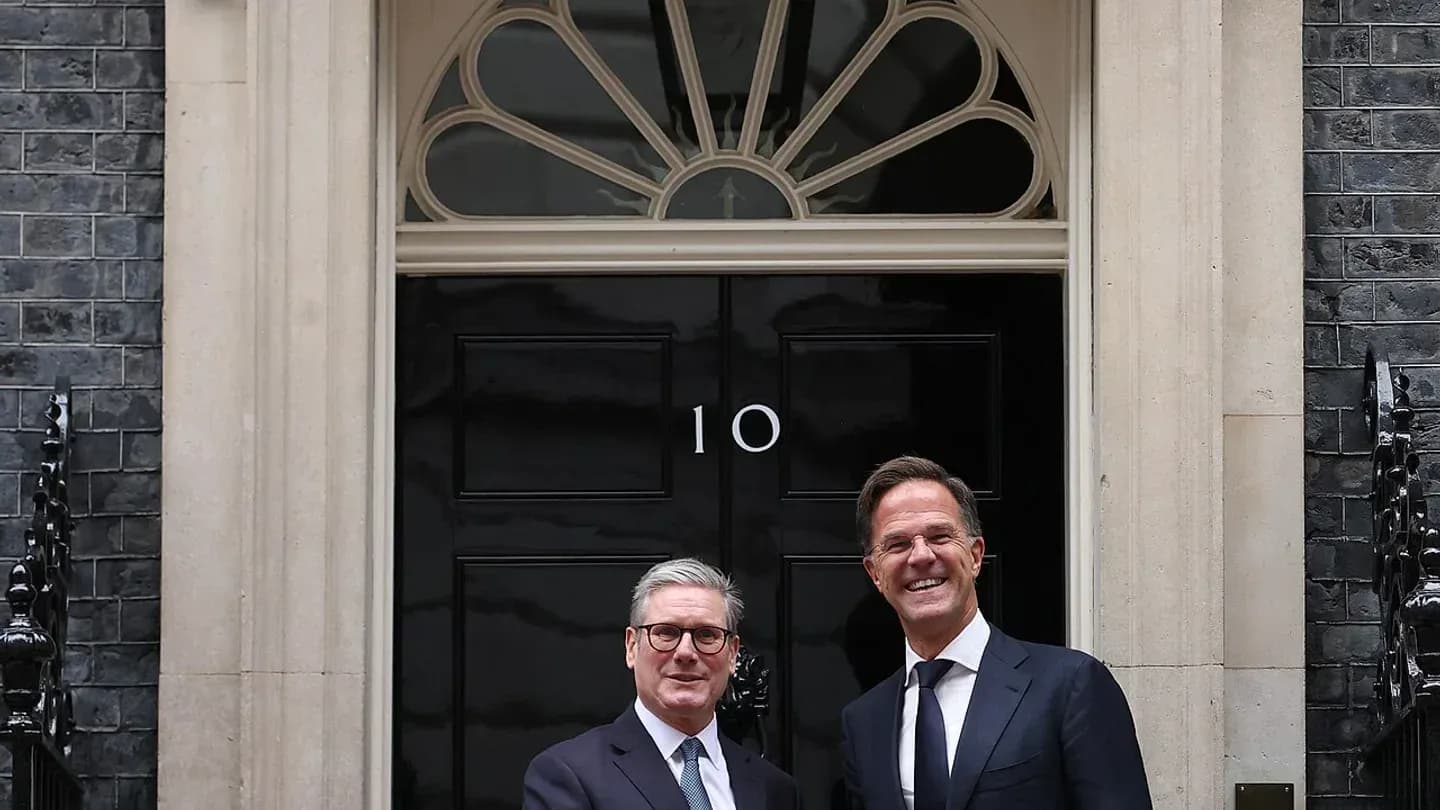
Rutte the same day: strikes on logistics are "inevitable"
The split inside the Western camp became visible before the meeting even began. Commenting on Ukraine's strike on the Kerch Bridge, which according to the Ukrainian side collapsed more than 270 metres of the road deck, Mark Rutte said: "I think it is important that Ukraine defends itself. And that also means striking logistics nodes. That is inevitable." In doing so, the NATO secretary general effectively endorsed the same logic of strikes on the aggressor's rear that the Pentagon official hours later called ineffective.
What Kyiv relied on in justifying the campaign
Ukraine began hitting Wildberries warehouses in mid-July: strikes fell on facilities in the Moscow, Tambov and Ryazan regions, Krasnodar and Stavropol territories, St Petersburg and Leningrad region, Yekaterinburg, Penza region and Udmurtia; the campaign later extended to Ozon's logistics. Confirming the first strikes on 18 July, Volodymyr Zelenskyy called them a "response to Russian strikes on our civilian infrastructure" and explained that these facilities "supplied sanctioned components for the production of drones and navigation equipment". Wildberries itself denies any military use of its goods.

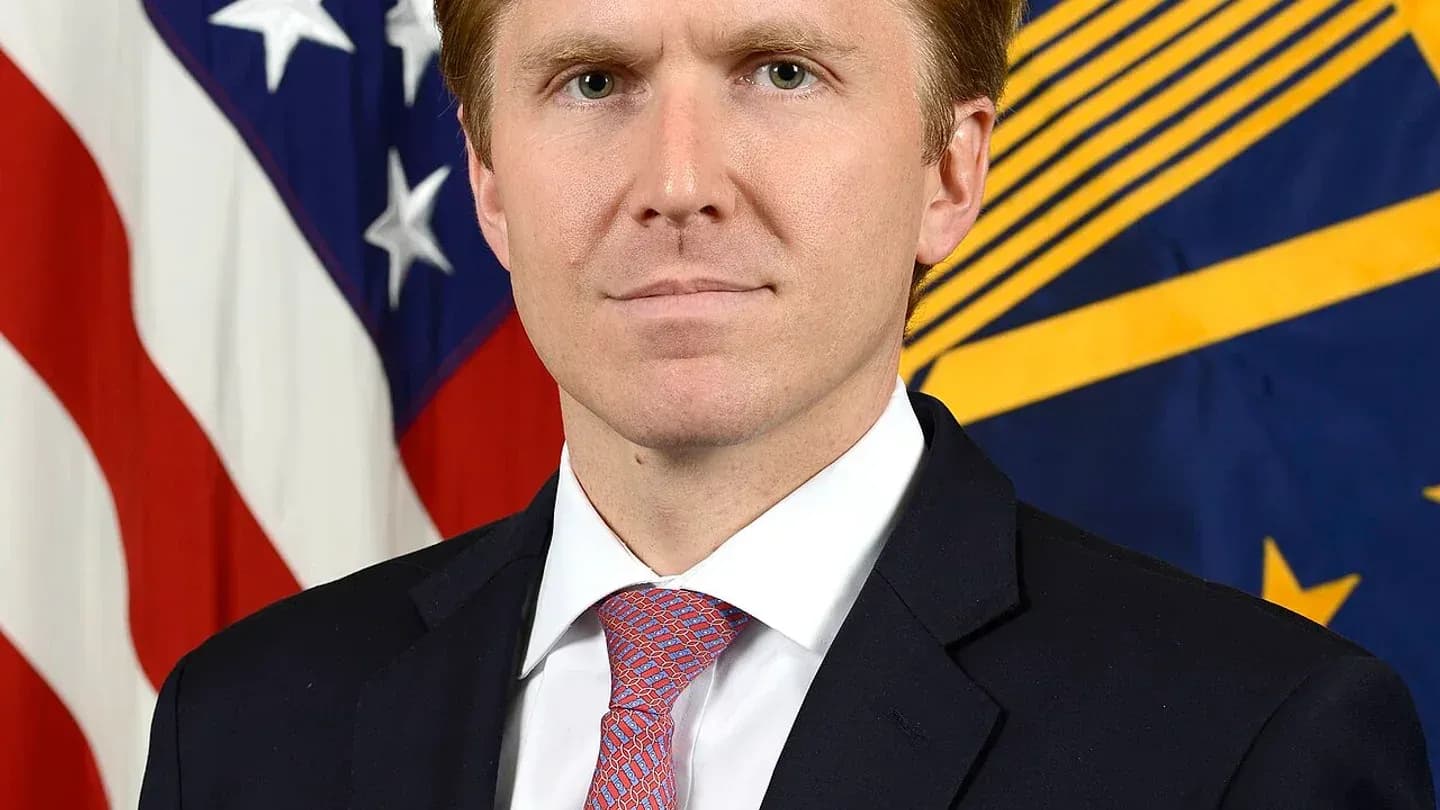
At the same time, the mechanism through which Kyiv's requests to strike with Western-made weapons pass is linked to Colby himself. The review procedure for such requests — for US long-range weapons and for European allies' armaments whose employment depends on US intelligence or components — has been publicly attributed to him since August 2025, alongside claims that the Pentagon had for months blocked Ukraine's long-range strikes inside Russia. These claims have not been independently confirmed in open sources; but if they hold, the campaign is being publicly criticized by the very official who built the filter through which it passes.
What the meeting delivered in practice
The dispute over strikes did not stop the support, but its structure turned out close to Colby's formula — the front line and the sky. By the meeting's outcome, Belgium pledged ten F-16s by the end of 2026 and €1.1 bn overall, including €100 m for PURL; France — two Mirage 2000-5F jets, a GF300 Thales anti-ballistic radar and AASM Hammer bombs; Denmark — €645 m for strike drones, munitions and PURL; Britain — £240 m for air defence; Germany confirmed its €1 bn package and added $300 m to PURL; Norway, the Netherlands, Canada, Spain, Finland and Sweden announced their own contributions. Ukraine's Defence Minister Evgeniy Khmara called protecting the sky "Ukraine's biggest priority this winter", while Zelenskyy asked the meeting for 40 more F-16s.
For Kyiv this argument is not diplomatic etiquette. The deep-strike campaign was presented to the public as an answer to terror against cities and as a way to cut the supply of sanctioned components; now the Pentagon's policy chief — the same man credited with designing the mechanism that reviews strike requests — says publicly that it does not bring the war closer to an end, and shifts the main burden of financing purchases onto Europe. No public explanation of how the strategy is coordinated with Washington, or whether it will change after this assessment, has come from the Ukrainian leadership as of the end of 18 November; at the meeting itself the Ukrainian delegation spoke about air defence, munitions and aircraft. The next verifiable step is the fate of long-range weapons requests and new operations like the Kerch Bridge strike: they will show whether the deep strike remains part of an agreed strategy or has already become a bargaining chip ahead of the meetings in Berlin and Shenzhen.
Primary sources
Documents and statements this story is based on.

Putin rules out ceasefire talks after third strike of the week on the Crimean Bridge, vows a “far more painful” response

Peace or NATO Disarmament? The Telegraph Reveals Kremlin’s Plan for November Talks on Ukraine

Burning Refineries at the Cost of Intelligence: Is the Gamble Worth It?
Russian drone sinks Turkish grain carrier in Romania’s EEZ: NATO silent, two dead