
Norway Extradites Ukrainian Banker — Or Does It? One Unconfirmed Case Highlights a Broken System
Norway has reportedly extradited to Ukraine a banker suspected of stealing nearly 1 million hryvnias from client accounts. If true, it would be a rare case of a European country handing over a Ukrainian financial criminal. But the primary source for this story does not contain the claimed information, and no independent confirmation exists. We examine what is known, what is not, and why even a real extradition would not fix Ukraine's systemic impunity for financial crime.
 1 / 4
First, the facts we can verify. The URL provided as the source for this story leads to an article on Ukrinform about a typhoon in the Philippines from October 2024. There is no mention of Norway, a banker, or any missing million. The article may have been deleted, moved, or the initial report may have been erroneous. We have found no other source to confirm the extradition.
But let's assume the extradition did happen. What would it mean?
According to Ukraine's Ministry of Justice, fewer than 10 people suspected of financial crimes have been extradited to Ukraine from abroad in the last five years. Compare that to the hundreds of Ukrainian nationals wanted by Interpol for embezzlement, fraud, and money laundering.
One banker and 1 million hryvnias (roughly $27,000) is a drop in the ocean compared to the multi-billion-hryvnia schemes regularly exposed by journalists. Consider the PrivatBank case (5.5 billion hryvnias) or the state bond frauds. Where are the suspects? Most live abroad, and no one extradites them.
Why? Because Ukrainian law enforcement often submits incomplete or legally weak extradition requests. European courts routinely refuse due to risks of political persecution, poor detention conditions, or insufficient evidence. This is not speculation — it is documented in numerous court rulings.
So even if Norway did extradite one banker, it does not signal a functioning system. It is the exception that proves the rule: financial criminals operate with impunity in Ukraine, and the state cannot — or will not — build cases strong enough to bring them home.
Questions for the Prosecutor General's Office and the Ministry of Justice: How many extradition requests for financial crimes have been sent in the past year? How many were granted? If this story is true, why are official sources silent? And most importantly, does the government plan to address the problem systematically, or will it settle for another PR stunt?
We have no answers yet. But the fact that such a story circulates without confirmation is itself a symptom. In an environment of information warfare and low trust in state institutions, any claim about fighting corruption demands immediate verification. We have done our job — we told you honestly what we know and what we don't. Now it is up to the authorities: confirm the fact and explain why it is only one case, or deny it.
Primary sources
Documents and statements this story is based on.
Corruption Overtakes Missiles: 72% of Ukrainians Hold Zelensky Responsible for Corruption in His Circle
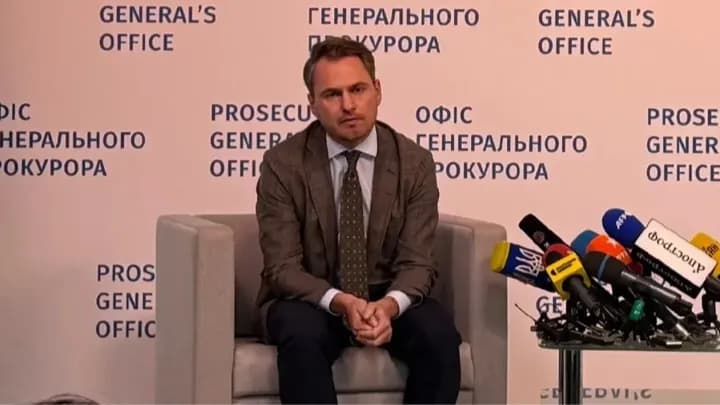
Kravchenko announced a suspicion notice against the NABU chief. Hours later, his own office said it had no procedural effect
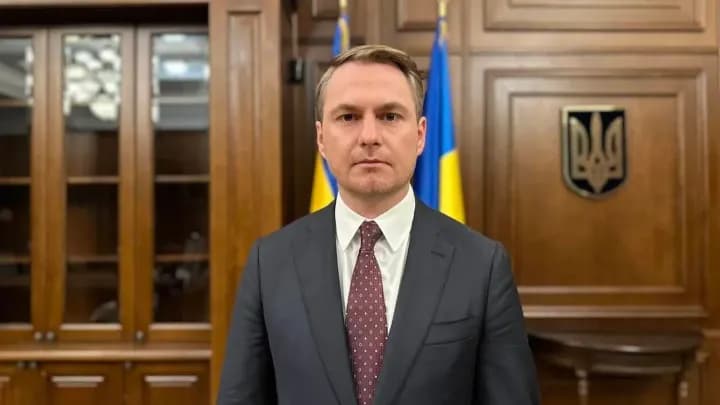
Ukraine's prosecutor general offers resignation as “Carthage” investigation reaches his office

Ukraine anti-corruption court detains Prosecutor General’s Office official over alleged call-center protection scheme