
Ukraine's prosecutor general offers resignation as “Carthage” investigation reaches his office
Prosecutor General Ruslan Kravchenko said on September 7 he would not resign voluntarily, then hours later announced he had submitted his resignation as the Carthage investigation reached the Prosecutor General's Office.
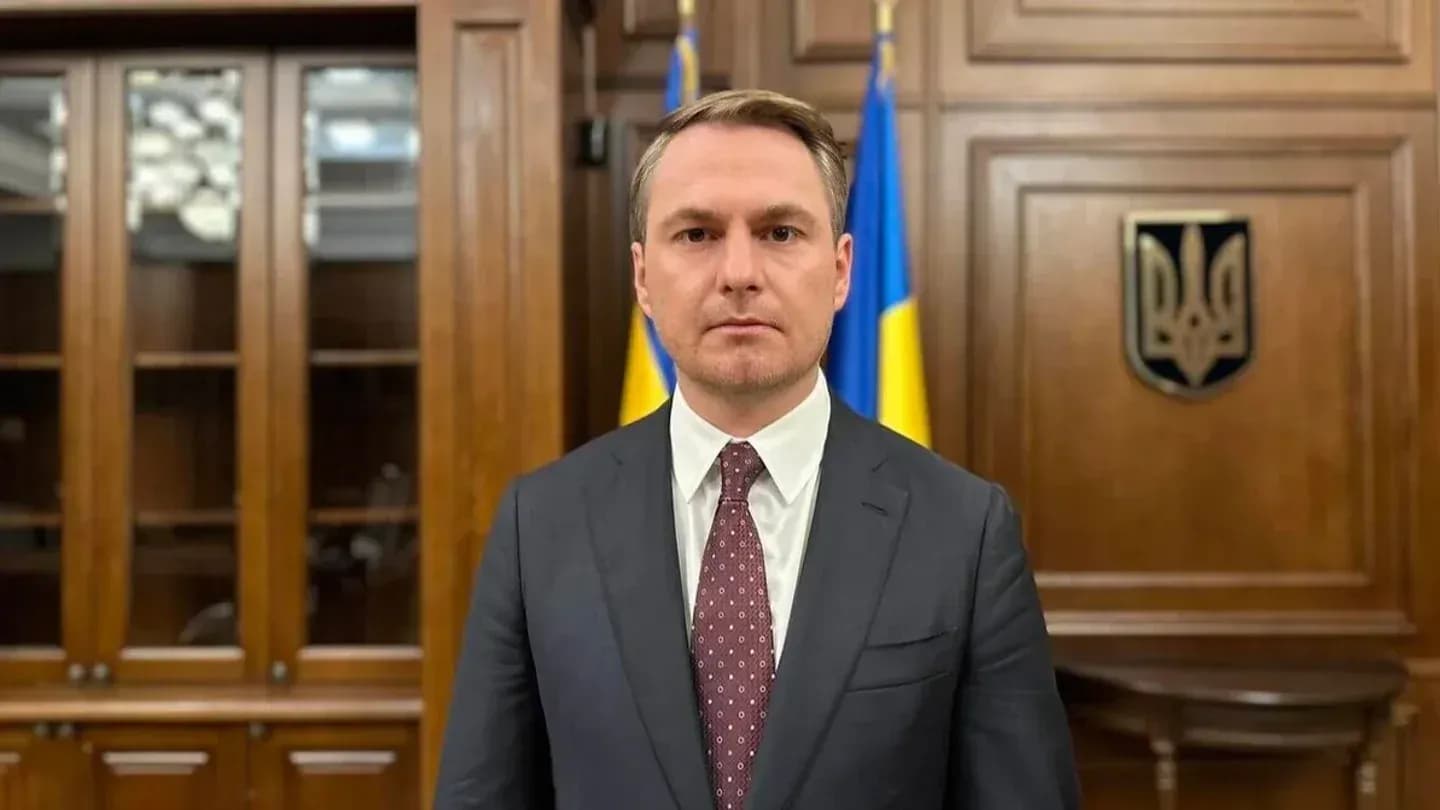 1 / 4
1 / 4The investigation is publicly known as “Carthage”.
On September 5, Ukraine's National Anti-Corruption Bureau, or NABU, and the Specialized Anti-Corruption Prosecutor's Office, or SAPO, announced that five alleged members of a criminal organisation had been identified.
According to investigators, the organisation was created in mid-2025 by a senior official from a structural division of the Prosecutor General's Office.
The core allegation is particularly damaging for a law-enforcement institution.
NABU says members of the organisation systematically received bribes in exchange for not interfering with fraudulent call centres.
The bureau says victims included both Ukrainian citizens and foreigners.
Investigators are also examining substantial assets.
NABU says more than UAH 20 million was spent on real estate, jewellery and other valuable property.
Assets worth at least UAH 12 million were allegedly transferred to third parties to conceal their actual ownership.
More than UAH 10 million was allegedly deposited into bank accounts belonging to people close to the suspects and presented as legitimate business income.
Those figures should not automatically be added together because they describe different methods of handling assets and may potentially overlap.
One of the central figures in the case is Serhii Kropyva, a deputy head of the Prosecutor General's Office Department of International Cooperation.
On September 6, Ukraine's High Anti-Corruption Court ordered the official held in custody until November 2, 2026, with bail set at UAH 120 million.
He has been formally notified of suspicion in offences related to a criminal organisation and money laundering.
The order is a pre-trial measure, not a conviction.
Two additional suspects were ordered into custody on September 7, with alternative bail amounts of UAH 20 million and UAH 3 million.
The political stakes rose sharply when Prosecutor General Ruslan Kravchenko's name entered the public discussion surrounding the investigation.
Kravchenko confirmed that searches had taken place at his office and home.
However, he said he had no procedural status in the Carthage case — neither as a suspect nor as a witness — and denied involvement in receiving or laundering money from illegal call centres.
That distinction matters.
Being mentioned in intercepted conversations or investigative materials is not the same as being proved to have participated in a crime.
Then came the political reversal.
At 4:30 p.m. on September 7, Ukrainska Pravda reported Kravchenko saying that he did not intend to submit a resignation himself.
He said Ukraine had an established procedure involving the president and parliament and insisted that he was not clinging to the position.
Several hours later, the position changed.
At 11:07 p.m., Kravchenko announced that he had submitted his resignation.
He described it as a political decision and said he did not want the office of prosecutor general to be used as an instrument of political confrontation.
He said his position regarding the allegations remained unchanged.
Reuters reported the resignation internationally on September 8, describing it as another sign of tension among senior Ukrainian officials.
There is also an important constitutional distinction.
Submitting a resignation does not automatically complete the dismissal.
Ukraine's Constitution states that the prosecutor general is dismissed by the president with the consent of the Verkhovna Rada, the country's parliament.
Ukraine's Law on the Prosecutor's Office applies that procedure when a prosecutor general voluntarily asks to terminate his or her powers early.
The broader significance of Carthage therefore goes beyond one prosecutor or one resignation.
If the anti-corruption agencies' allegations are ultimately proven, the case could show that law-enforcement influence was used to protect businesses allegedly built on fraud.
That would raise an obvious institutional question: how can citizens rely on law enforcement against fraudulent call centres if officials inside the system were themselves protecting them?
But NABU and SAPO also face a demanding test.
Publicly released recordings and dramatic allegations are not substitutes for evidence tested in court.
Investigators will have to prove who received money, what actions were taken in exchange and how far the alleged network extended.
Kravchenko's resignation offer does not answer those questions.
It makes them more urgent.
And one political question remains unresolved: what changed in the few hours between Kravchenko saying he would not resign voluntarily and announcing that he had done exactly that?
Primary sources
Documents and statements this story is based on.
- National Anti-Corruption Bureau of Ukraine — Call center cover-up and money laundering
- High Anti-Corruption Court — case No. 991/11202/26
- High Anti-Corruption Court — case No. 991/11203/26
- High Anti-Corruption Court — case No. 991/11204/26
- Interfax-Ukraine — statement by Ruslan Kravchenko
- Ukrainska Pravda — Kravchenko says he does not plan to resign voluntarily
- Ukrainska Pravda — Kravchenko submits resignation
- Ukrainska Pravda — report on a meeting between Zelensky, Kravchenko and Arakhamia
- Law of Ukraine “On the Prosecutor's Office”
- Constitution of Ukraine
- Reuters — Ukraine's prosecutor general submits resignation citing political conflict
- Original video
Mudra Discussed Bvlgari and Van Cleef; They Were Absent From Her Same-Day Declaration
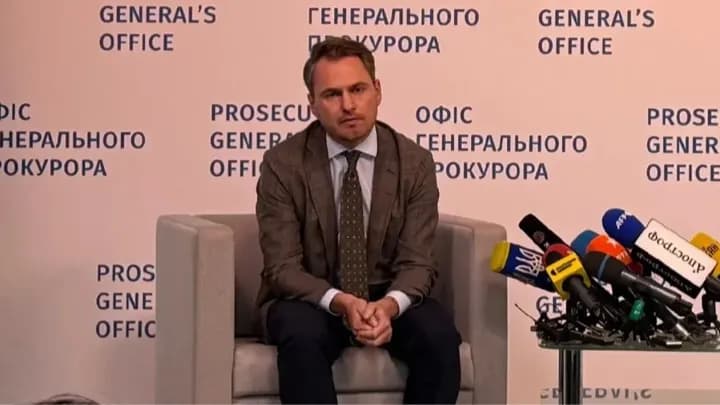
Kravchenko announced a suspicion notice against the NABU chief. Hours later, his own office said it had no procedural effect

Ukraine anti-corruption court detains Prosecutor General’s Office official over alleged call-center protection scheme
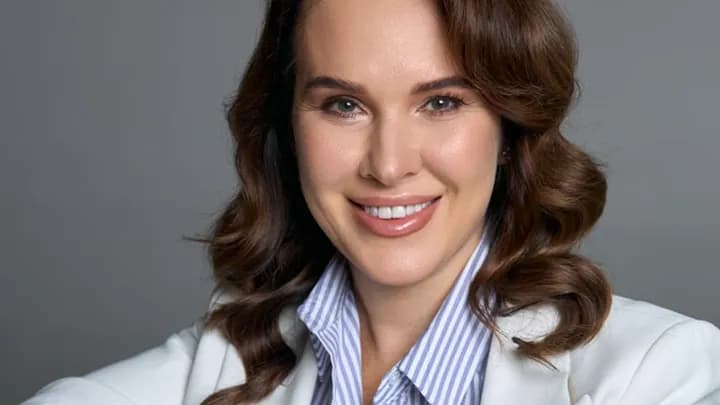
Ukraine’s “Forest Gump” case: former presidential aide Iryna Mudra detained as corruption probe widens