
Crimean bridge after the overnight strike: arch 'warped', crossing shut from night to midday, no verified photo
The occupation authorities of Crimea and Russia's transport ministry acknowledged a strike on the Crimean bridge and a halt to road traffic from night to midday. Russian channels claim an arch 'warped' by 15 degrees, but there is still no verified photo, and Ukraine has not commented.
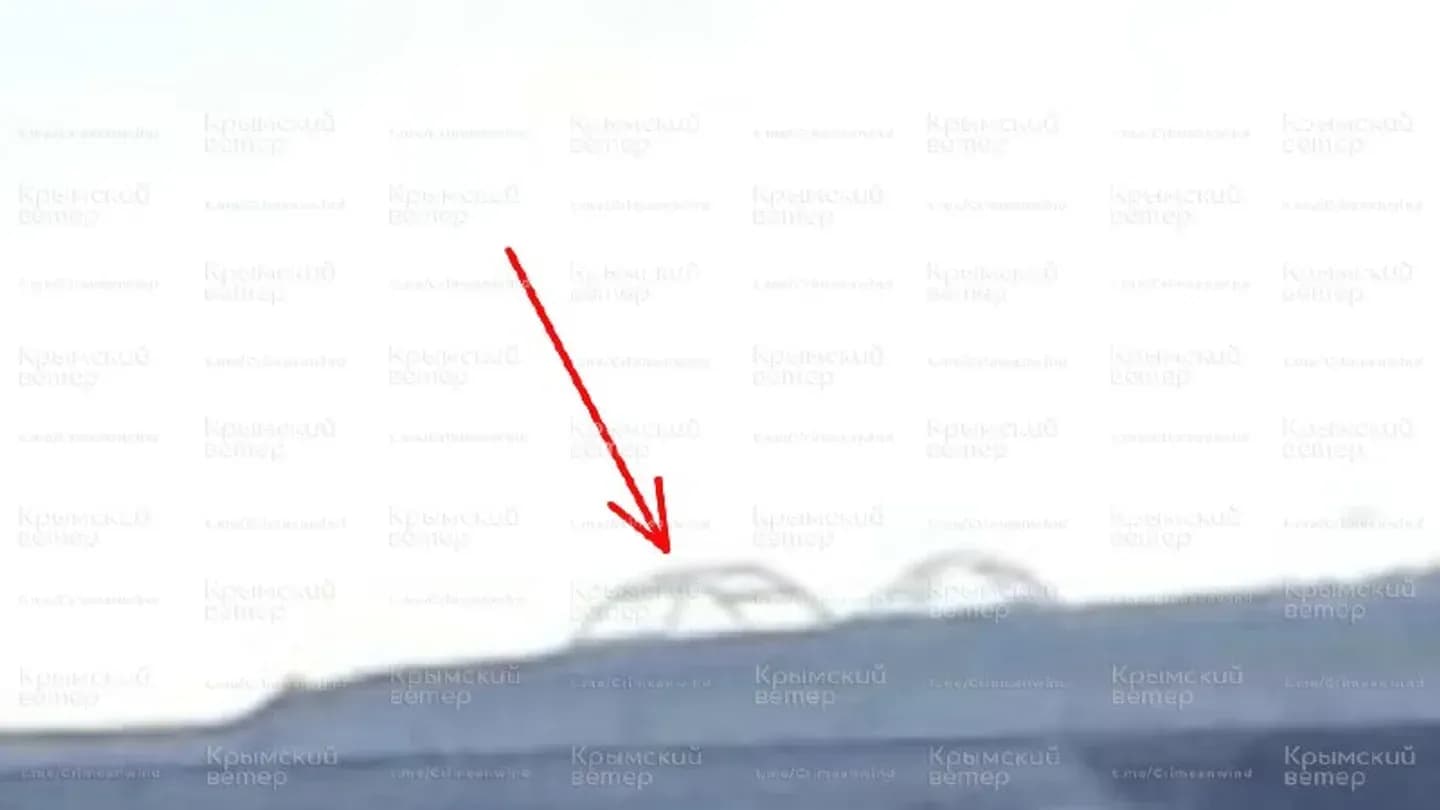
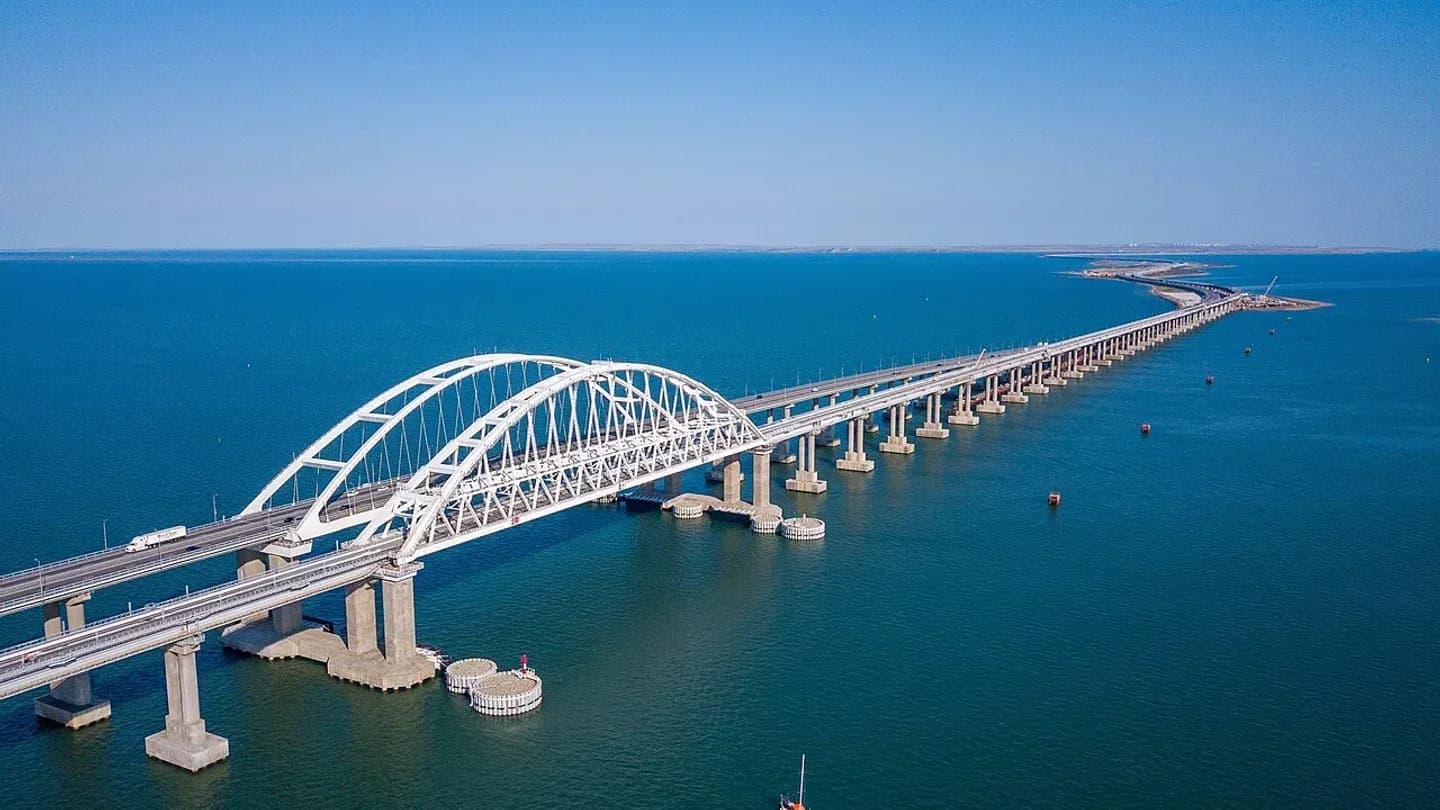
On the morning of 16 November the Crimean bridge met the day closed: road traffic across the Kerch Strait was stopped overnight and had not resumed by midday. The occupation authorities of Crimea acknowledged a strike on the crossing; Russia's transport ministry acknowledged the suspension of road traffic and 'repair work'. Russian propaganda channels claim the arch of the navigable span was 'warped' by roughly 15 degrees. To this hour there is no verified photograph of the damage.
A night over Kerch: the hour-by-hour record
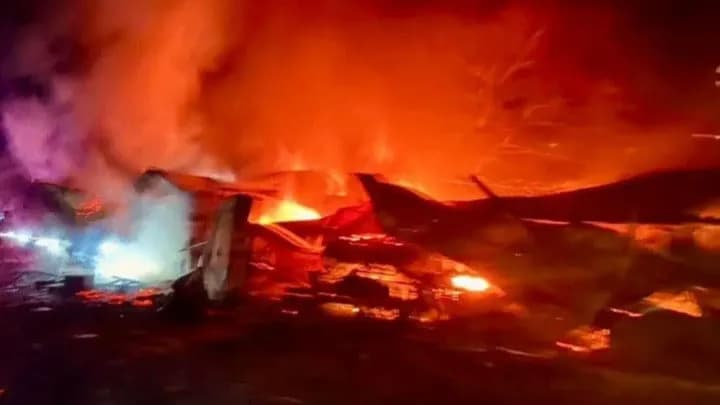
The overnight record is assembled from messages of occupation services and monitoring channels inside occupied Crimea. Road traffic was blocked around one or two in the morning: the occupation road-information centre and local channels give times an hour apart. Residents of Kerch described explosions and the work of mobile fire groups between 00:44 and 04:30, and a hit on one of the arches of the navigable span at about 05:40.
The Russia-appointed head of occupied Crimea, Sergei Aksyonov, acknowledged the strike only in the morning: 'The enemy struck the Crimean bridge. In connection with this, traffic will be restricted approximately until midday.' An operational headquarters was set up in Kerch, drivers were asked not to head towards Krasnodar Krai until official information, and enquiries about the ferry link with the Kavkaz port were routed through a separate phone line of the occupation transport ministry.
Russia's transport ministry admitted the suspension of road traffic only shortly before midday: 'repair work' is under way on the structure, the possibility of launching reversible traffic is being assessed, rail service is allegedly 'running as normal', and there are reportedly no casualties. Russian deputy prime minister Marat Khusnullin confirmed damage to the bridge and promised to name recovery timelines 'very soon'. At midday cars were still not allowed onto the bridge, and warming points began to be set up on the approach from Krasnodar Krai.
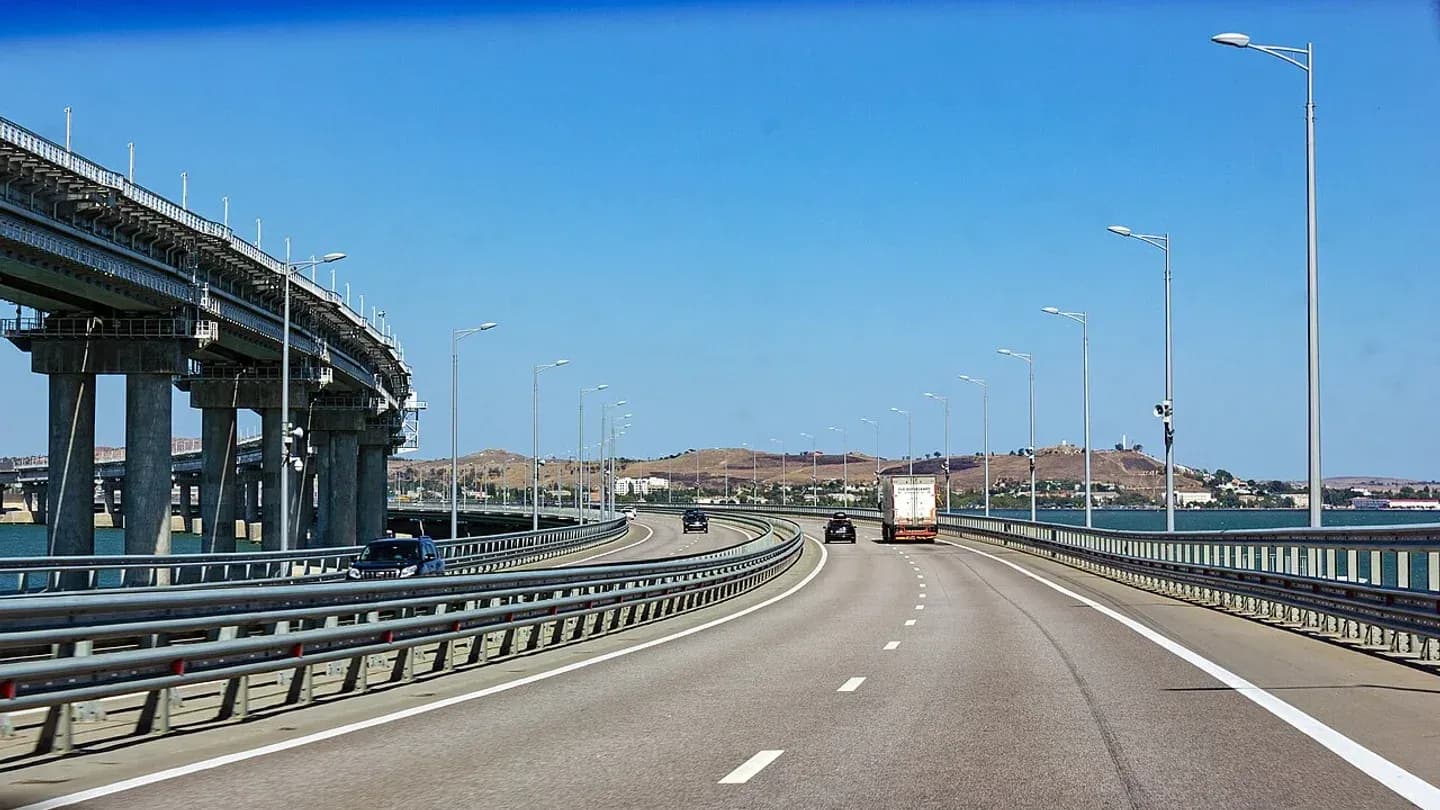
The closure immediately turned into hours of waiting for ordinary people. Russian channels report roughly two thousand cars stuck on the approaches on both sides. Passenger trains fell out of schedule too: the operator Grand Service Express acknowledged delays of two to four and a half hours for four Tavria trains from St Petersburg, Adler and Moscow — despite the transport ministry's assurances that the railway was running 'as normal'. The Russia-appointed head of Sevastopol asked residents to adjust their travel plans at least until midday.
Fog instead of photographs
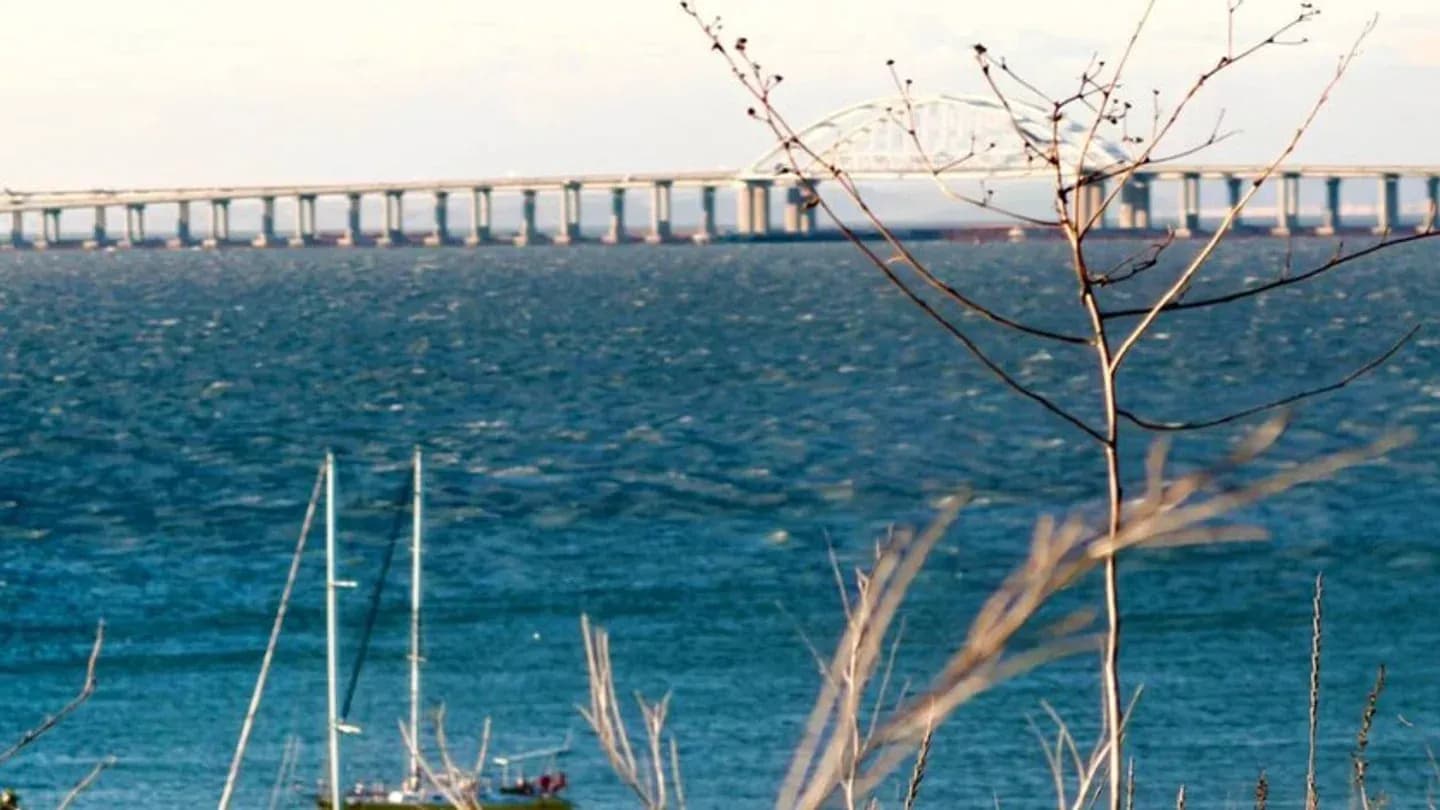
The scarcest resource of this morning was not traffic but credibility. The first 'photo of the aftermath' that spread through Russian channels turned out to be old: monitoring channels in occupied Crimea pointed out that it lacks the technical embankment bridge built parallel to the main one, lacks the towers carrying air-defence systems, and shows yachts in a strait where small-boat navigation has been closed since 2022. Only shortly before midday did a new frame appear — a blurred arch with a visibly changed tilt, shot from far away. The '15 degrees' figure and the story of a drone warhead falling on the arch come from Russian propaganda publics and are not independently confirmed.
As of midday on 16 November Ukraine had not confirmed the strike: the Defence Forces did not comment on the operation, and no official statement appeared. So the only picture of the event on the main logistics artery of occupied Crimea is assembled from messages of the occupation authorities and Russian channels — both those working for the Kremlin and those watching it. That is a direct question for the Ukrainian government: what is it prepared to confirm about the state of the bridge, and why is the information vacuum again being filled by the enemy's propaganda machine, even when that machine is panicking.
What this changes
The Crimean bridge has already survived two confirmed strikes: a truck loaded with explosives in October 2022 and sea drones in July 2023. Afterwards Russia formally moved lorries onto ferries, and in spring 2026 Ukraine hit the occupiers' last two ferries; in June 2026, by British intelligence's assessment, strikes on the peninsula and the Kerch Strait crossing continued. In the summer, war veteran and former company commander of the Aidar battalion Yevhen Dykyi explained that the Defence Forces were deliberately not finishing off the bridge: 'we are leaving it absolutely deliberately', because Crimea was already nearly isolated and the crossing remained a controlled thread to the mainland. If the morning strike is confirmed, it will mean that either the decision or the situation on the peninsula itself has changed.
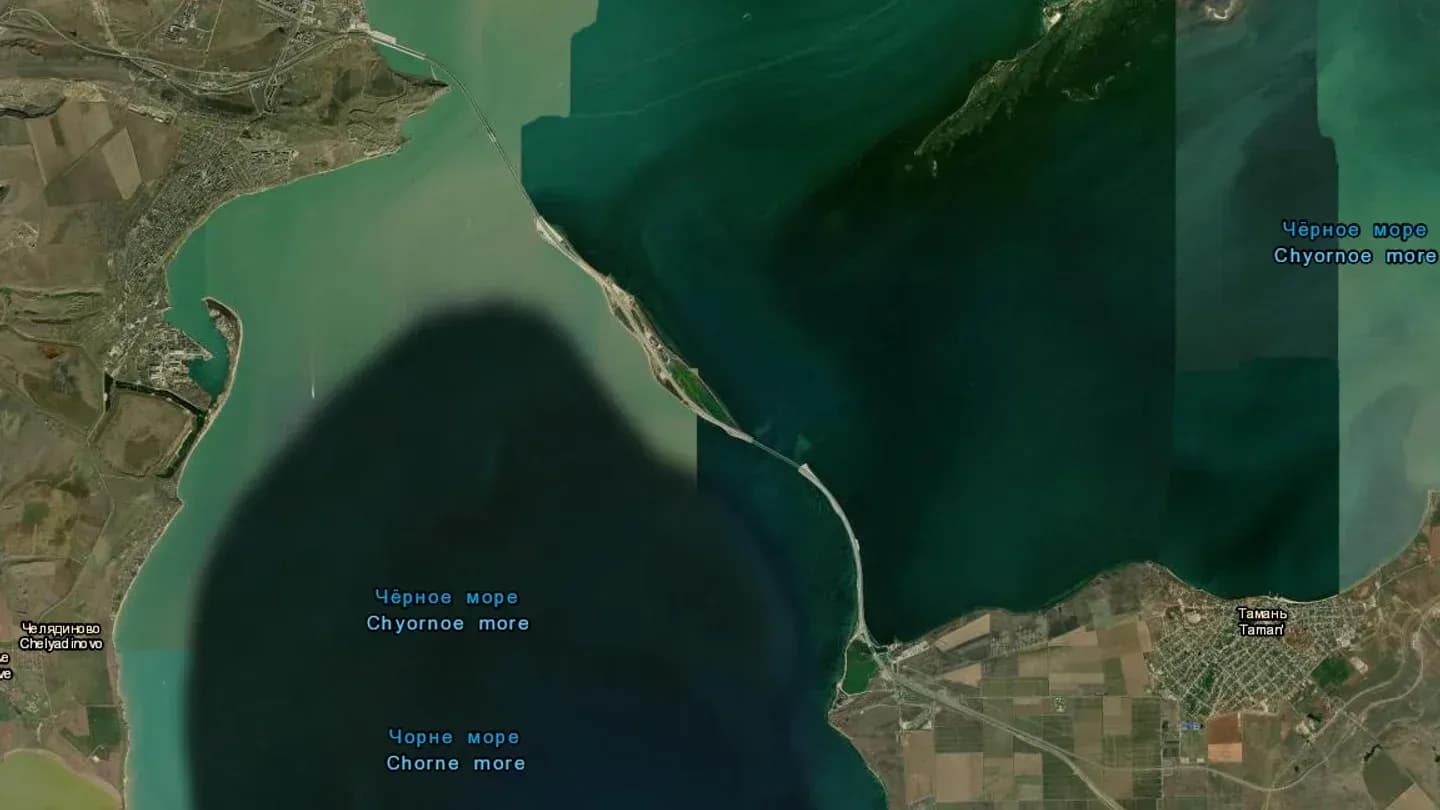
The coming hours will show the price of Russia's claims about 'reversible traffic': Khusnullin promised to name recovery timelines 'very soon', while the occupation authorities are already shifting the peninsula onto the ferry and warming points on the approaches. For Ukraine the question is not only military but societal: exactly what is damaged on the bridge, and when Kyiv will say so itself rather than through other people's channels.
Primary sources
Documents and statements this story is based on.
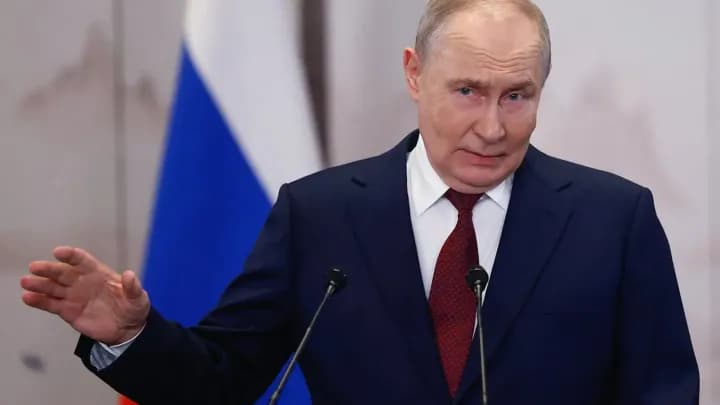
Putin rules out ceasefire talks after third strike of the week on the Crimean Bridge, vows a “far more painful” response
Khmelnytskyi strike damages homes, injures one person
November 5 attack on Vinnytsia region: three injured, fire extinguished
Overnight attack on Dnipro injures three, damages house and garages