Ukraine orders record checks for men aged 17–60: what will be shared
The Defence Ministry will receive passport details, registered addresses and facial images. The resolution sets deadlines for agencies, not a new reporting deadline for citizens.
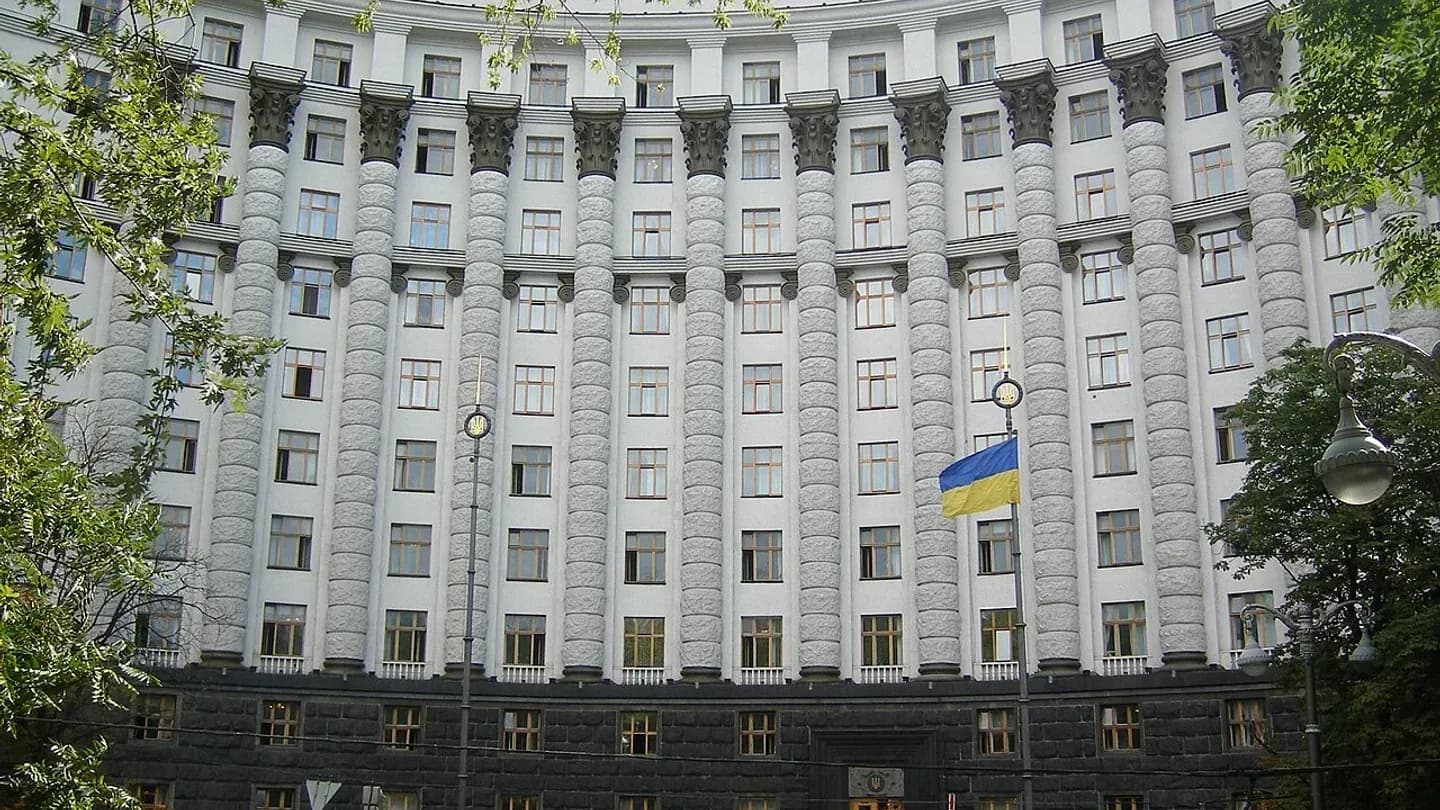
Ukraine’s Cabinet of Ministers, through Resolution No. 1466 of 25 November 2026, has ordered information on male Ukrainian citizens aged 17–60 to be checked against entries in the register of conscripts, persons liable for military service and reservists. The State Migration Service must transfer the data, and the Defence Ministry must compare it and update the records. This is an interagency check: the resolution itself creates no new obligation to visit a territorial recruitment centre or resubmit documents.
For individuals, this means that passport details, registered addresses and other personal information in the military register may change through exchanges between government systems, without a separate application by the person concerned. The age range covered by the check does not redefine mobilisation age: the resolution governs data verification, not changes to the grounds for call-up.
Passports, addresses and digital facial images
The migration service will transfer information from its departmental system and the Unified State Demographic Register. The exchange covers data from local community registers, as well as information on booklet-format domestic passports obtained during an earlier verification under a 2022 resolution.
The list includes given names, surnames and patronymics where applicable, dates and places of birth, sex, citizenship, and declared or registered residential or temporary-stay addresses. It also includes passport details, including those of previous documents, and tax identification and demographic register entry numbers where available. The Defence Ministry will also receive digitised facial images from the demographic register.
A separate item covers the processing of documents for permanent residence abroad or return to Ukraine. This is not a list of all border crossings. Nor is the list of data to be transferred identical to the list to be updated: information on formalising permanent residence abroad appears in Annex 1, but has no separate entry in Annex 3, which specifies updates to the military register.
Three stages, not one deadline
The migration service has 30 calendar days from the resolution’s entry into force to transfer information that is current on the transfer date. The Defence Ministry must carry out an automated comparison within 30 calendar days of receiving the data. Once verification is complete, the ministry will have a further 120 calendar days to make changes, either automatically or manually.
The 120 days therefore cover record updates after verification, not the entire procedure from the adoption of the decision. The resolution sets no new deadline for citizens to clarify their information and introduces no separate fine in connection with this interagency check.
Responsibility for the transferred dataset
Information must be transferred securely; removable storage media are among the permitted methods. Any data that legislation does not allow to be entered, processed or stored in the military register may be used by the Defence Ministry solely for verification. Personal data processing must comply with data protection legislation.
The Defence Ministry must also destroy the data received from the migration service in accordance with the legally established procedure. The resolution sets no separate calendar deadline for destruction. The ministry’s responsibility therefore extends beyond correcting records to complying with restrictions on use and subsequently destroying the transferred personal information dataset.
Primary sources
Documents and statements this story is based on.