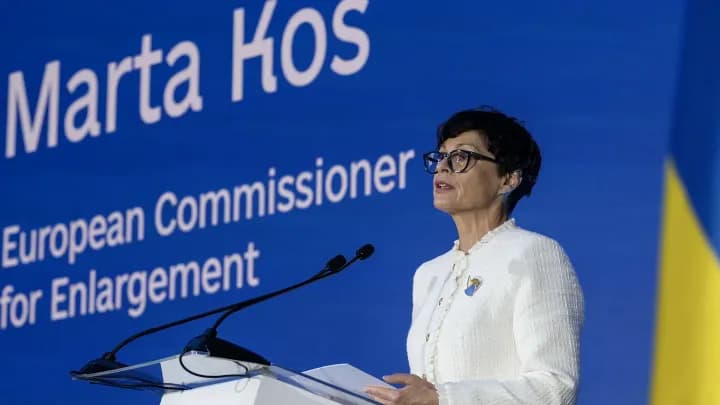
Ukraine loan: Netherlands demands everyone take part, Bulgaria rules out weapons funding
Ahead of the EU summit, Jetten rejected national opt-outs while Radev offered guarantees only for the civilian component. For Ukraine, the dispute concerns both defence and public services.
The Netherlands and Bulgaria set out different conditions for new financing for Ukraine on 26 November, ahead of an extraordinary EU summit in Brussels. Dutch Prime Minister Rob Jetten insists that every member state participate and supports linking the issue to the EU’s 2028–2034 budget. Bulgarian Prime Minister Rumen Radev is prepared to join only the non-military component of the proposed additional loan for 2027.
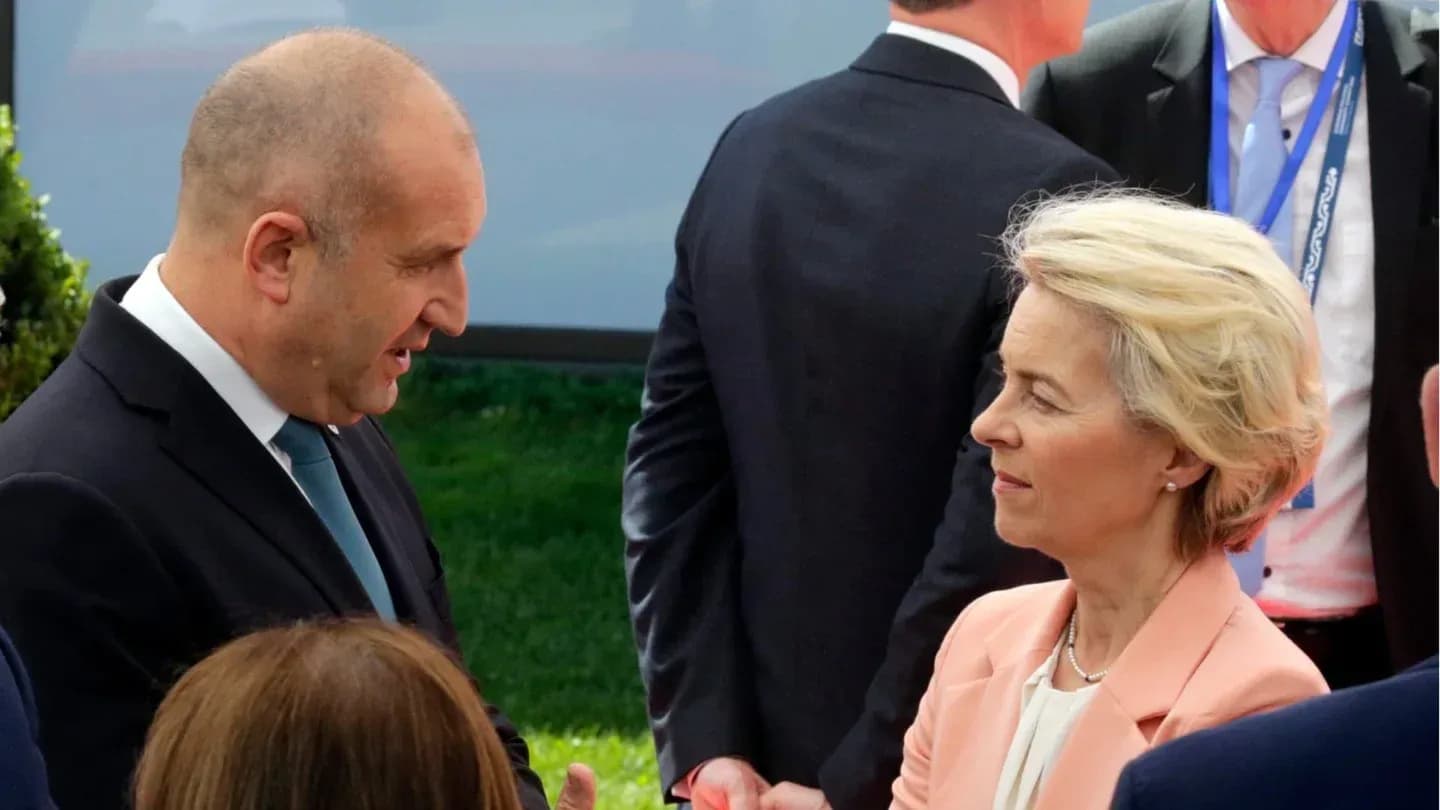
The package would provide up to €45 billion: €25 billion for military assistance and €20 billion for budget support. Bulgaria’s proposal concerns participation as a guarantor of the civilian component, not a pledge to transfer €20 billion to Ukraine on its own.
Everyone taking part — but in what?
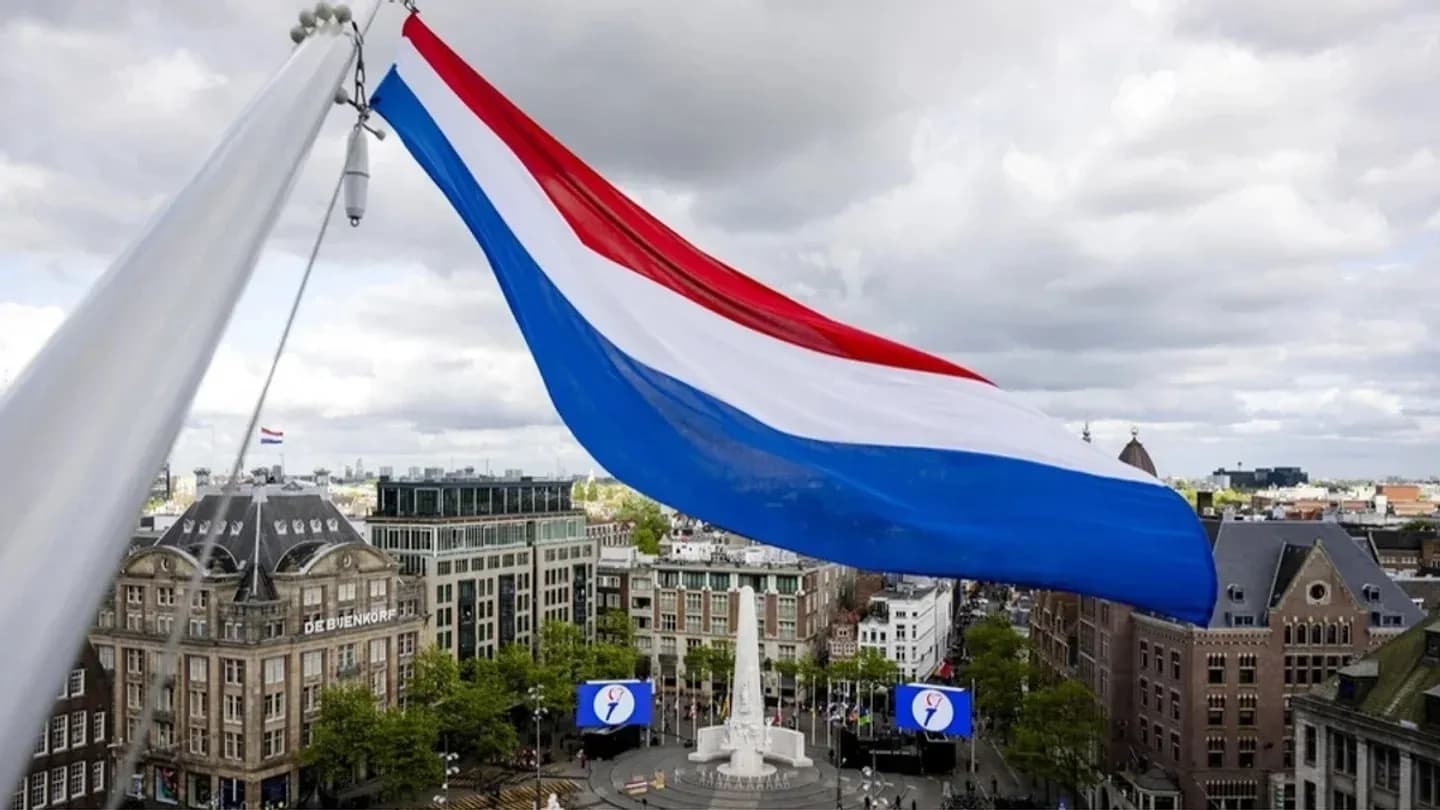
Jetten backed German Chancellor Friedrich Merz’s demand not to approve the next seven-year budget without agreement from all member states to finance Ukraine. “No exceptions on participation,” he said. The prime minister does not rule out budget negotiations continuing next year: a smaller budget and retention of its contribution rebate remain essential demands for the Netherlands.
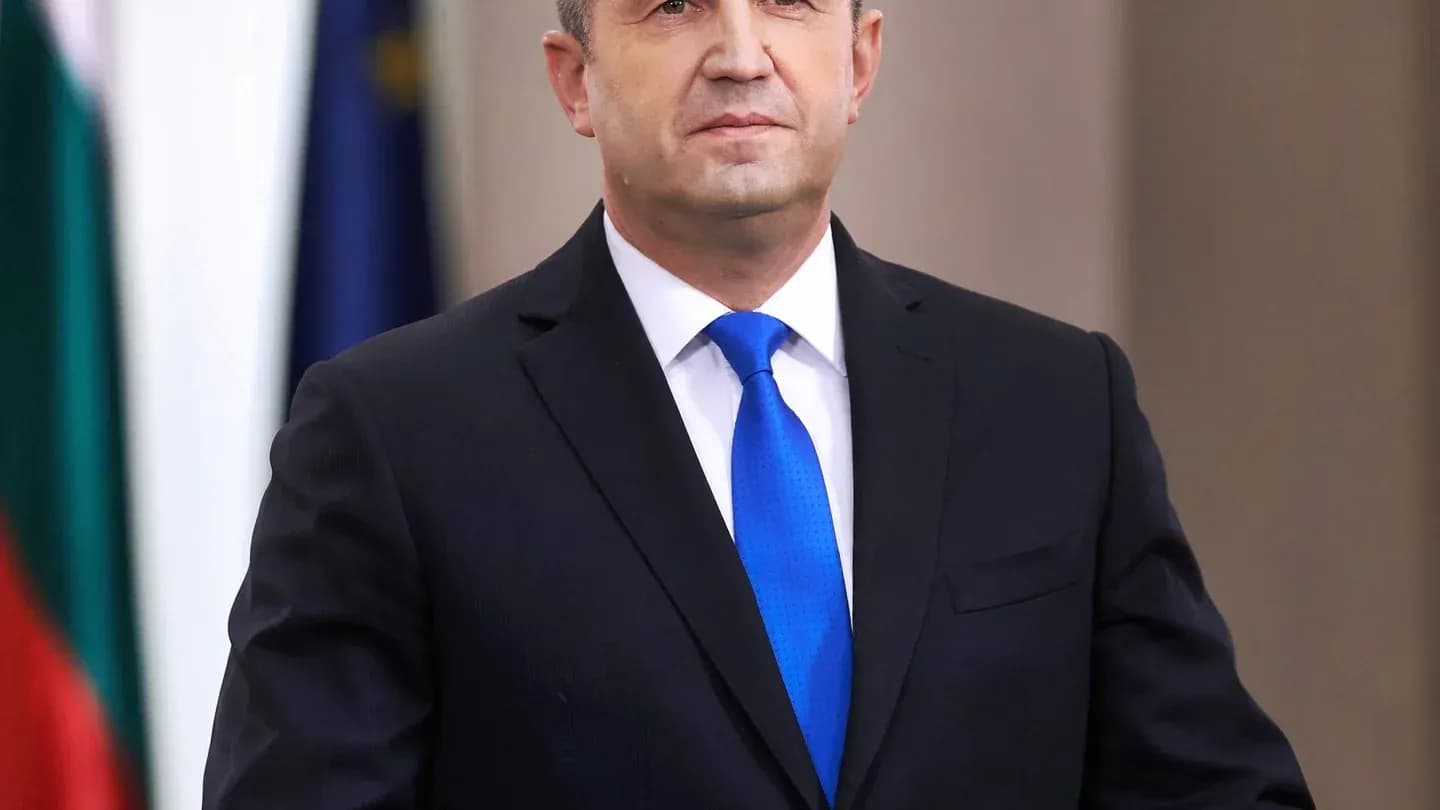
Radev draws a different line: Bulgaria would join budget support but not weapons funding. He also asks that Bulgarian support be directed to areas with concentrated Bulgarian communities in Ukraine, citing healthcare, electricity and transport among their needs. This is Sofia’s request, not an established allocation arrangement.
These positions are not necessarily mutually exclusive: every country participating in financing Ukraine is not the same as every country participating in every component. But if the Dutch demand means shared guarantees for the entire loan without a separation between components, Bulgaria’s proposal will require a separate compromise. The prime ministers’ public statements do not yet establish such a compromise.
Two €45 billion packages, different needs
The additional proposal presented by the European Commission on 18 November is intended to supplement the existing €90 billion Ukraine Support Loan for 2026–2027. Separately, on 30 October the Commission proposed allocating the remaining €45 billion from that earlier mechanism for 2027: up to €13.3 billion for the budget and €31.7 billion for defence industrial capacity. It submitted that allocation to the Council of the EU for approval.
For civilians, more than arms procurement is at stake. The budget component helps sustain public services and keep institutions running. On 20 November, the European Commission disbursed €7.9 billion to Ukraine through the Ukraine Facility following implementation of a package of reforms. It also put Ukraine’s additional financing gap for 2027 at €70 billion, towards which it proposed the new €45 billion.
What Ukraine’s government can control
Existing programmes remain financing channels, but they are not an automatic substitute for the new loan. As of 20 November, €3.9 billion in budget support under the Ukraine Support Loan and almost €1.6 billion under the original Ukraine Facility remained available in EU assistance for the rest of 2026. Disbursement depends on meeting agreed conditions; these are current-year resources, not a confirmed reserve for the whole of 2027.
Kyiv’s responsibility therefore goes beyond waiting for European leaders to reach agreement. Timely implementation of reforms is a condition for receipts under existing programmes. And in case negotiations drag on, the government needs to explain a concrete cash-flow contingency: which sources would cover civilian expenditure, how long they would last and which payments would be protected first.
Primary sources
Documents and statements this story is based on.