
Moldova could finish EU talks before Ukraine: Commission sets out conditions
The Commission cites early 2028 as Moldova’s goal and the end of that year as Ukraine’s. Accelerating reforms remains a key condition for Kyiv.
Moldova has moved further than Ukraine in meeting key conditions in European Union accession negotiations. In its enlargement package published on 4 November 2026, the European Commission described concluding talks by early 2028 as an ambitious but achievable goal for Chișinău. For Kyiv, the target remains the end of 2028, provided reforms accelerate.
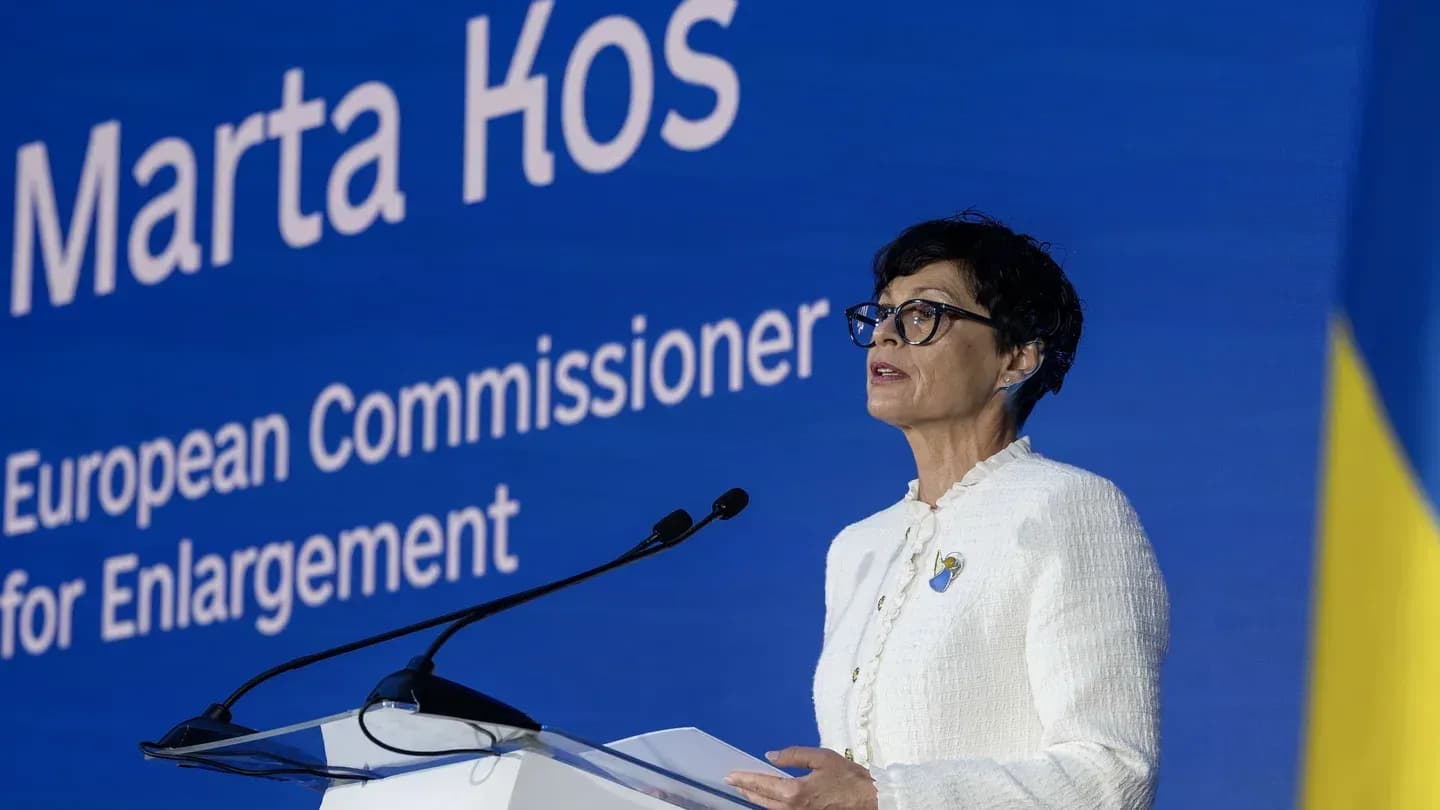
These targets concern the conclusion of negotiations, not a fixed membership date. The Commission stresses that each country’s pace depends on its results, particularly on democracy, the rule of law and fundamental rights. The Council of the EU must consider the Commission’s recommendations and take decisions on the next steps.
Both countries opened four negotiating clusters over the past year. The Commission considers that both Ukraine and Moldova have met the conditions for opening all remaining clusters. For Moldova, however, it specifically highlighted very substantial progress towards meeting the interim benchmarks under the fundamentals cluster and called for the current reform pace to be maintained.
The Commission recommends that Ukraine focus on interim rule-of-law benchmarks. Priorities also include implementing the roadmaps on the functioning of democratic institutions and public administration reform, as well as the action plan on national minorities. At the same time, the Commission recognises advances in sectoral reforms despite Russia’s war.
The assessment of the anti-corruption system is not solely a catalogue of problems. In its official statement, the Commission described Ukraine’s institutional framework for combating corruption as effective, noting that specialised bodies continue to operate overall independently and effectively. Meanwhile, European Pravda’s analysis of 4 November cites report findings on insufficient progress in structural reforms and pressure on anti-corruption bodies. The publication links the improved assessment to the results of their work, rather than legislative changes alone.
Alongside its annual assessment, Brussels presented indicative roadmaps for the first time for the four most advanced negotiating countries: Montenegro, Albania, Moldova and Ukraine. They set milestones for the coming year but can be adjusted depending on compliance with conditions. Moldova’s earlier target therefore does not automatically amount to an approved separate accession timetable for the two countries.
Reform requirements also matter for Ukraine’s financing. On 30 October, the Commission proposed that the Council approve the remaining €45 billion for 2027 under the €90 billion Ukraine Support Loan for 2026–2027. Of the amount for 2027, up to €13.3 billion is earmarked for budget support and €31.7 billion for defence industrial capacity. The Commission specifically cited rule-of-law and anti-corruption conditions. The next step is for the Council of the EU to consider the proposal. If it is approved, the Commission intends to prepare disbursements so they can begin in early 2027.
Primary sources
Documents and statements this story is based on.