
Record Russian drone attack: 850+ UAVs in 33 hours, 360 on Kirovohrad region, strike on Naftogaz gas facility. The “energy truce” was a reloading pause
Russia launched more than 850 attack drones against Ukraine between the morning of October 14 and 09:00 on October 15, 2026 — the largest drone attack of the full-scale war. Kirovohrad region, hit by nearly 360 drones over ten hours, lost three people in Kropyvnytskyi. The assault followed the US-proclaimed “energy truce” and SpaceX speed restrictions on Starlink for Ukrainian forces.
 1 / 4
1 / 4The scale of the attack
On the night of October 15, Russia launched 580 attack drones (Shahed, Gerbera, and decoy types) and two Kh-59 cruise missiles. In total, from the start of October 14 to 09:00 on October 15, the figure exceeded 850 drones — more than in some entire months of 2024. Ukrainian Air Force reported that 536 of the 580 night drones were neutralized (shot down or suppressed by electronic warfare). However, hits were recorded at 31 locations, and debris from intercepted drones fell at 11 more sites.
Kirovohrad: ground zero
Kirovohrad region bore the brunt. Nearly 360 drones targeted the area for over ten hours, with impacts at 26 locations. Three people died in Kropyvnytskyi, six were wounded. Regional authorities described it as the most massive attack since the beginning of the full-scale invasion. “Air defence systems worked at their limit, but the number of targets was too large,” the head of the regional administration said.
Other regions
- Kyiv: Six wounded in Pechersk district; 12 apartment buildings, 20 cars, a lyceum, a sports school, and an administrative building damaged.
- Poltava: A drone struck near a school — three wounded; school, apartment building, three private houses, and four cars damaged.
- Odesa region: A jet-powered Shahed hit a shop — three wounded.
- Dnipropetrovsk region: A private house destroyed, two killed.
- Ternopil region (Chortkiv): An industrial enterprise hit — five wounded.
- Rivne: Power outages due to a downed power line.
Strike on gas infrastructure
Overnight, Russia also attacked a gas production facility of the Naftogaz group in Poltava region. Technological equipment was damaged, a fire broke out, and operations were suspended. No casualties among workers were reported. Acting Naftogaz CEO Serhiy Fedorenko confirmed the attack and said damage assessment is ongoing.
The “energy truce” and Starlink restrictions: a coincidence?
On October 11, U.S. President Donald Trump announced that Ukraine and Russia had supposedly agreed to an “energy truce.” Russia never officially confirmed its participation; Ukraine agreed conditionally, expecting reciprocal steps. Two days later, on October 13, SpaceX imposed a speed limit of 160 km/h on Starlink/Starshield terminals used by Ukrainian forces. Since Shahed drones fly at over 318 km/h, this effectively cut off mobile weapon systems from targeting data. Elon Musk stated that the decision was made by the U.S. government and personally by President Trump.
President Zelenskyy explicitly linked the two events: “Russia escalated precisely during the artificial speed restriction for our defensive capabilities.” He also announced the lifting of restrictions on Ukrainian strikes against Russian oil refineries. By October 15, Starshield functionality in motion was partially restored, according to Ukrainian defence ministry sources.
Can Ukraine handle this scale of attack?
The Air Force claims a 92.4% interception rate (536 out of 580). Yet even 44 direct hits plus debris damage at 31 locations represent serious blows to infrastructure. The real problem is that Russia is scaling up Shahed production. According to IISS (2025), Russia was already producing about 2,800 Geran-2 drones per month. TeslaGov analytics suggest a record 4,335 Shahed-type launches in April 2026. If this trend continues, 850 drones in 33 hours may become routine rather than exceptional.
Ukraine’s air defence has physical limits: number of launchers, ammunition stockpiles, reload time. If Russia can sustain 1,000 drones per day, even a 90% interception rate would mean 100 hits daily — enough to cripple the energy grid before winter.
What next?
Zelenskyy has lifted the ban on strikes against Russian refineries. Starshield is partially restored. But fundamental questions remain: Will the West supply enough air defence systems in time? Can Ukraine ramp up domestic production of counter-drone systems? And most importantly, will the government shift from reactive crisis management to proactive preparation?
The answers will determine whether Ukraine faces a winter of systemic blackouts. For now, the outlook is grim.
Primary sources
Documents and statements this story is based on.
- DW (Deutsche Welle) — “More than 850 Shaheds in a day: the attack continues, people wounded in Kyiv and Poltava”
- Interfax-Ukraine — “Air Force: 536 of 580 enemy UAVs neutralized overnight”
- Ukrinform — “Russians attack gas production facility in Poltava region”
- BBC Ukraine — “Starlink, Starshield, Trump and the war: what is happening to the internet for Ukraine's armed forces”
- Suspilne — “Trump says Russia and Ukraine have supposedly agreed on an energy truce”
- Suspilne Kropyvnytskyi — “The most massive attack since the start of the full-scale invasion: Russian army attacked Kirovohrad region with 360 drones”
- IISS — “Russia doubles down on the Shahed”
- TeslaGov — “The Shahed Playbook: How Iranian and Russian Drone Production Will Disrupt Modern Warfare”

“Enough Is Enough”: Zelenskyy Lifts Ban on Strikes on Russian Refineries, Breaks Trump’s “Energy Truce”
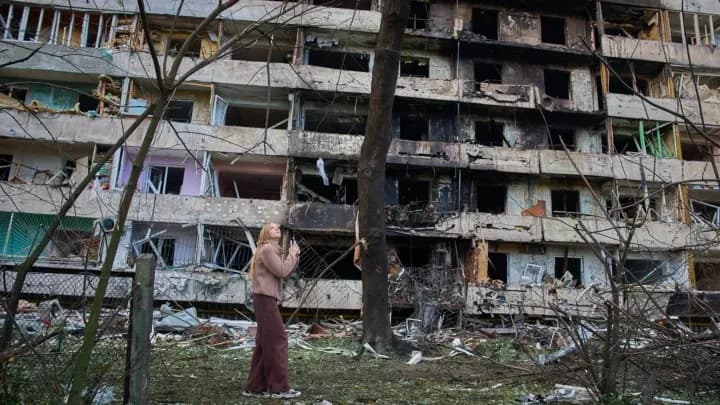
Starlink Throttled, Intel Withheld: US Left Ukraine Blind Ahead of 39-Ballistic Strike — 6 Dead, 600,000 Without Power
Trump’s “energy ceasefire” lasted three days. Russia responded with a record ballistic attack on Kyiv: 5 dead, 600,000 without power

“Putin Doesn’t Read Truth Social”: The Energy Ceasefire as Theatre of the Absurd