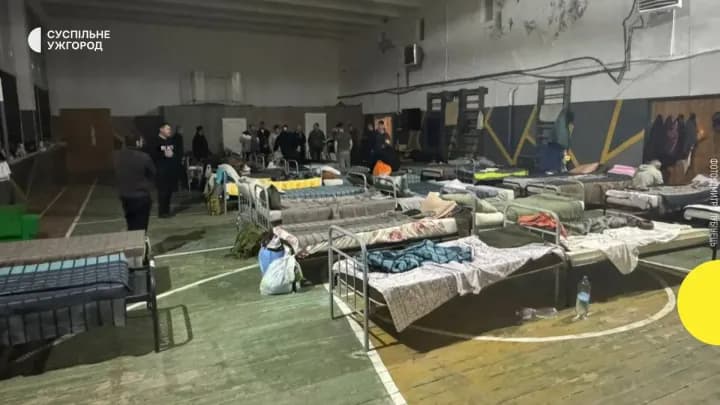
Petropavlivska Borshchahivka: what is known after the November 2 clashes
Investigators are examining soldiers’ conditions and allegations of coercion. Separately, a court has ordered two women held in custody in the unrest case.
Two distinct lines of inquiry continue after the November 2, 2026 clashes in Petropavlivska Borshchahivka, Kyiv region: possible violations against soldiers inside a private house, and the actions of people involved in unrest outside it. By the evening of November 4, a court had ordered two female suspects held without bail. Meanwhile, the legality of the soldiers’ stay in the house and the origins of their injuries remain under investigation.
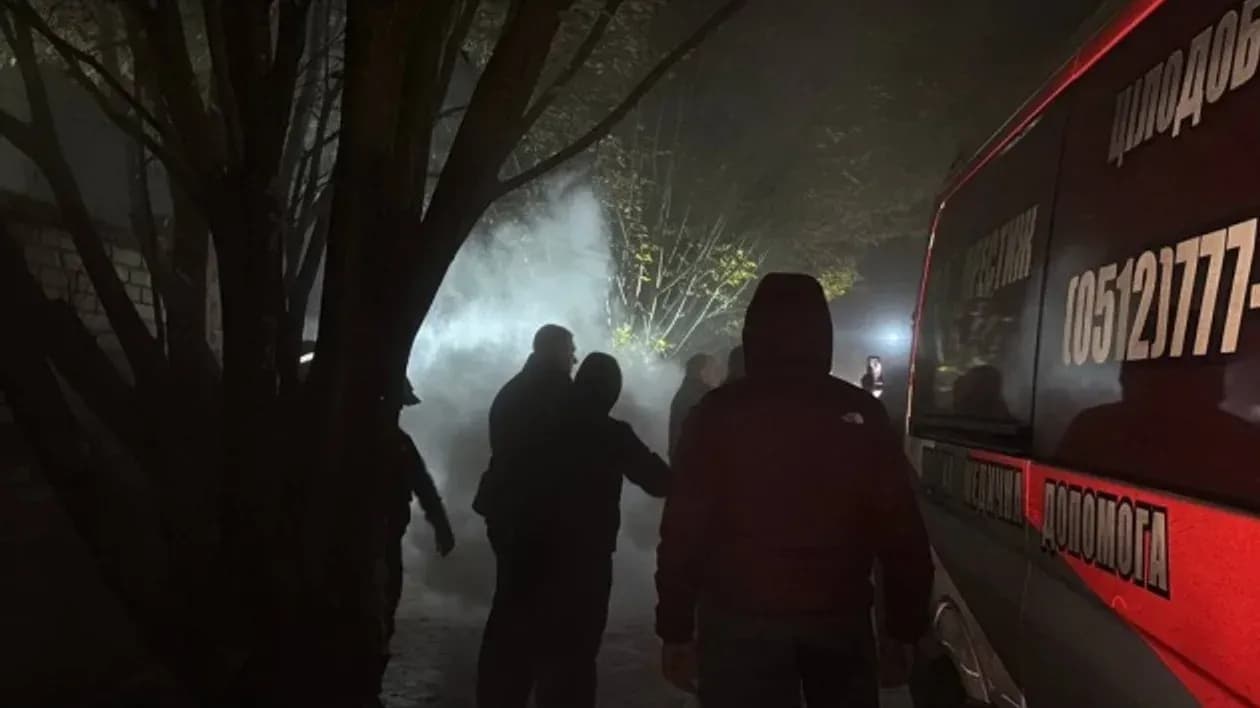
According to the State Bureau of Investigation (SBI), as reported by Ukrinform and Suspilne, people gathered outside the house after social media allegations that soldiers were being unlawfully held there. The conflict escalated into clashes, shots were fired, and police vehicles were damaged. The National Guard reported evacuating people who needed medical assistance and denied reports of a death.
On November 3, the SBI announced proceedings under Article 426-1, part 5, of the Criminal Code, concerning a military official exceeding authority or official powers. Investigators are to establish the soldiers’ living conditions, examine allegations of possible coercion, and determine the causes and course of the conflict. The bureau noted that some public accounts contradicted one another. Opening proceedings does not establish guilt; official denials of wrongdoing likewise do not substitute for investigative findings.
Military ombudsman Olha Reshetylova said on November 2 that the soldiers were safe, were receiving necessary assistance, and that the circumstances would be examined. According to Suspilne’s November 3 report, her Office is establishing how recruits awaiting basic training and soldiers returned after absence without leave (AWOL) came to the deployment site. It is also examining military medical examinations and the procedure for returning to service.
Official descriptions of who was in the house have changed. The initial SBI statement described it as temporary accommodation for soldiers returned after AWOL. In an interview published by Ukrainska Pravda on November 4, commander Pavlo Kurchenko said there were 26 mobilised soldiers, only two of whom had been returned after AWOL; he said some of the unit’s personnel also lived there. This is the command’s account, not a final investigative finding on the number and status of everyone present.
Four soldiers were taken to hospital for examination, Suspilne reported. National Guard commander Oleksandr Pivnenko had earlier described them as soldiers returned after AWOL, whereas subsequent explanations by the Interior Ministry and the commander distinguished between those present. Kurchenko offered his own explanations for the injuries, including an earlier training injury and self-inflicted harm. Those statements do not remove the need to establish independently when and how the injuries occurred and whether unlawful violence was used.
A separate episode concerns an injured 14-year-old boy. According to Ukrinform, the State Service for Children’s Affairs said he came after school, climbed a fence to film events, and fell into the yard when people began shaking the fence. He was then given assistance inside the house, his sister was contacted and collected him, and he was subsequently taken to hospital. Citing medical staff, the service said there was no threat to his life or health. The local children’s service inspected the family’s living conditions and held a preventive discussion with his parents.
Public accounts of how the teenager was injured do not fully agree: the children’s service describes a fall from a fence, while Pivnenko spoke of a fall from a tree and denied that soldiers beat him. A report that the boy was inside after being injured does not, by itself, establish that he had been held there before the clashes.
A new procedural decision came on November 4. Reporting from court, Ukrainska Pravda said Valentyna Moloda, who had arrived in a vehicle bearing ambulance markings and alleged unlawful detention of soldiers, was remanded for 60 days without bail. She said she would appeal. A spokesperson for the Prosecutor General’s Office told the outlet that another female suspect had also been remanded without bail. Prosecutors allege the women organised a blockade of the unit and recruited people through social media to help a soldier leave his place of service. This is the prosecution’s account, and remand decisions are not convictions. Investigating the actions of those involved in the unrest does not automatically resolve the separate question of possible violations of soldiers’ rights.
Primary sources
Documents and statements this story is based on.