Explosion in Mala Berezanka: serviceman with AWOL status threw a grenade, investigators say — four dead
On 16 November, four people died in the village of Mala Berezanka near Brovary, among them a 17-year-old girl. Investigators believe the grenade was thrown by a 44-year-old serviceman who had gone AWOL. The open question is who is accountable for him being out of control — and armed.
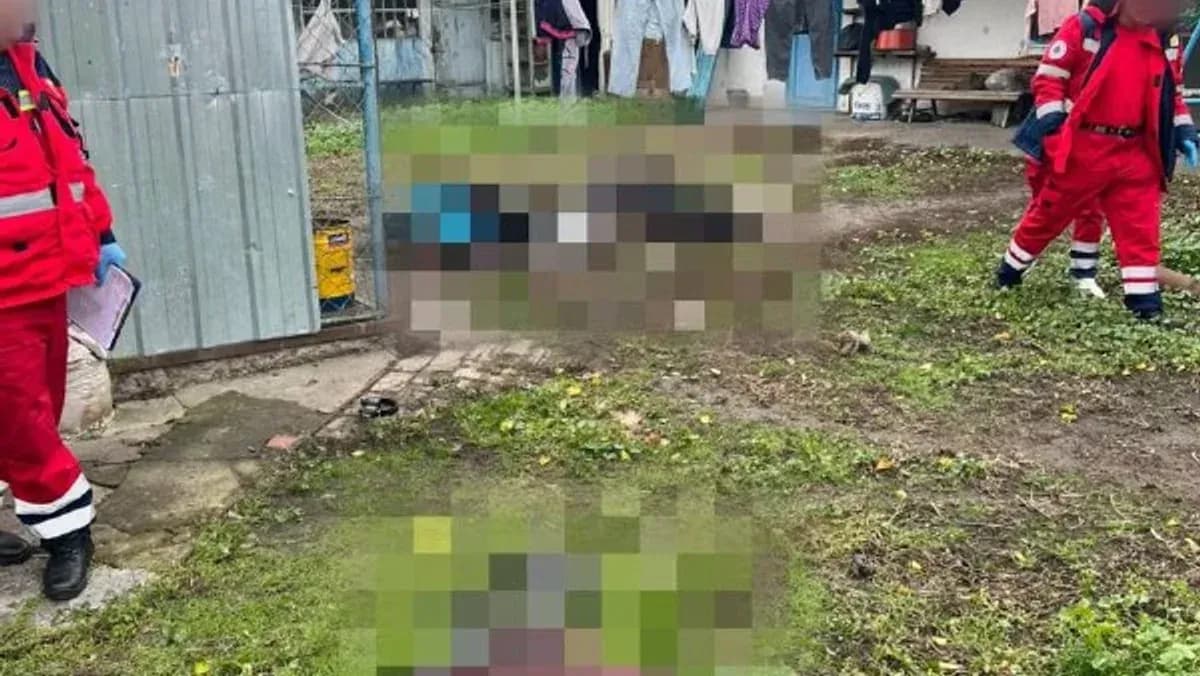
On 16 November, an explosion occurred on the grounds of a private household in the village of Mala Berezanka, Brovary district, Kyiv region. Four people died on the spot: a 44-year-old serviceman, his mother, a 17-year-old girl and her mother. According to the investigation's working version, the man himself threw an explosive device — probably a grenade — during a conflict; at the time of the tragedy he held AWOL status, meaning he had unlawfully left his military unit.
A conflict over belongings
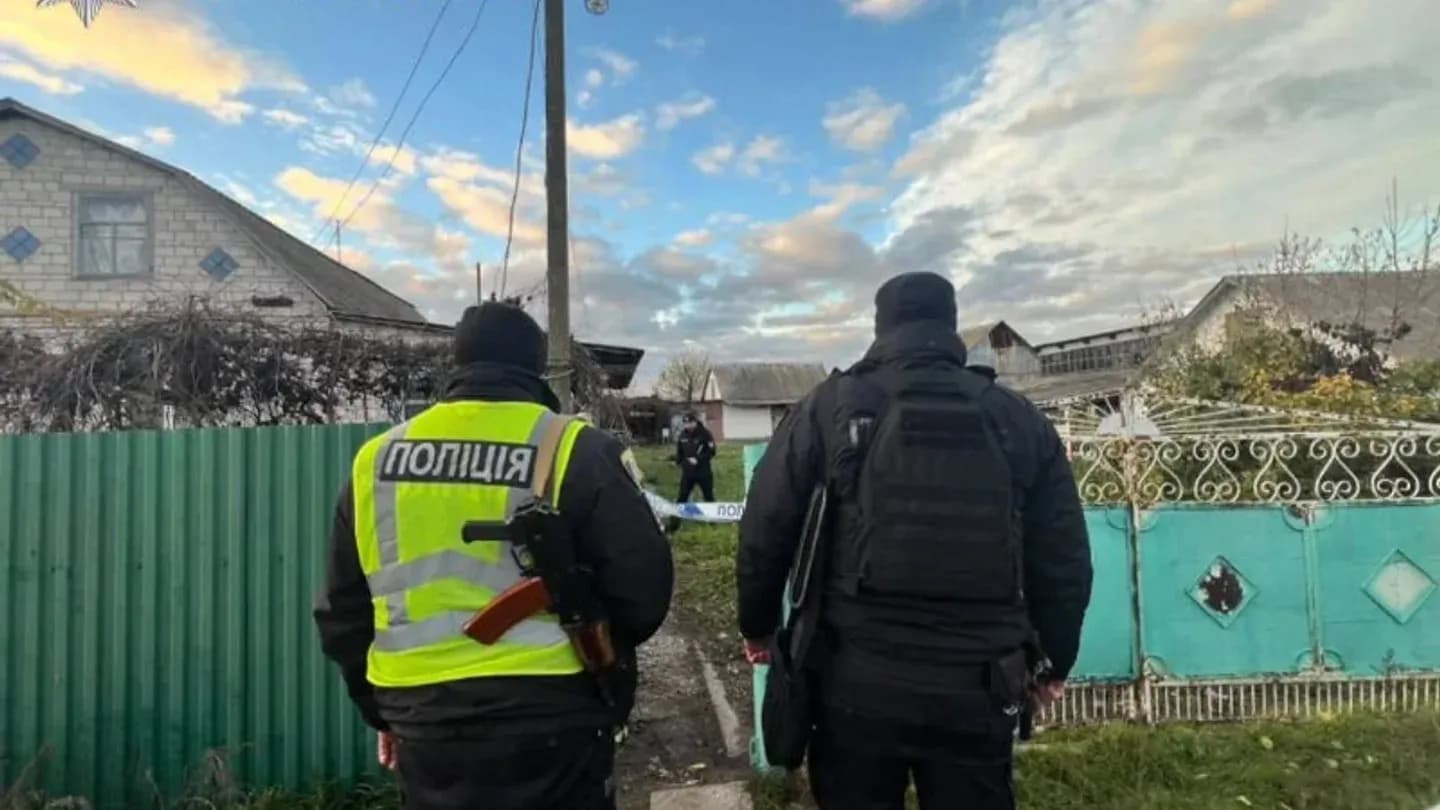
According to prosecutors, the 17-year-old girl had been in a relationship with the serviceman. That day she came to his house together with her mother to collect her belongings. Neighbours told investigators they had heard shouting. "According to the preliminary version of the investigation, during the conflict the man threw an explosive device, probably a grenade," the Kyiv regional prosecutor's office stated. All four died at the scene.
Police learned of the incident from a local resident: she reported that a man had thrown an explosive device on the household's grounds. A patrol police response team, an investigative-operational group and explosives technicians were dispatched to the scene. As of 17 November, the type of explosive device had not been established: the examination is ongoing while the circumstances of the tragedy are being pieced together in parallel.
A serviceman beyond control
The key circumstance of this case is not only the explosion itself. A person with AWOL status is a suspect in criminal proceedings under Article 407 of the Criminal Code, and the unit's command is obliged to record the absence and report it. Yet neither the police nor the prosecutors state that the man was being searched for, or that his whereabouts were known to the state. How long his AWOL status lasted and what measures the command took are questions that remain open as of now.
The scale of the phenomenon makes this silence systemic. In autumn 2025 the Prosecutor General's Office reported roughly 235,000 criminal proceedings for unlawfully leaving a military unit and about 54,000 for desertion. The defence minister publicly cited a figure of around 200,000 servicemen with AWOL status; a member of parliament said about 500,000, while himself calling that estimate approximate. Since December 2025 the Prosecutor General's Office has restricted public access to statistics on military crimes, citing martial law, and the government separately ordered a check of the real number of such people. In other words, the state currently publishes no precise answer to how many people with combat experience — and potentially with weapons — are outside their units.
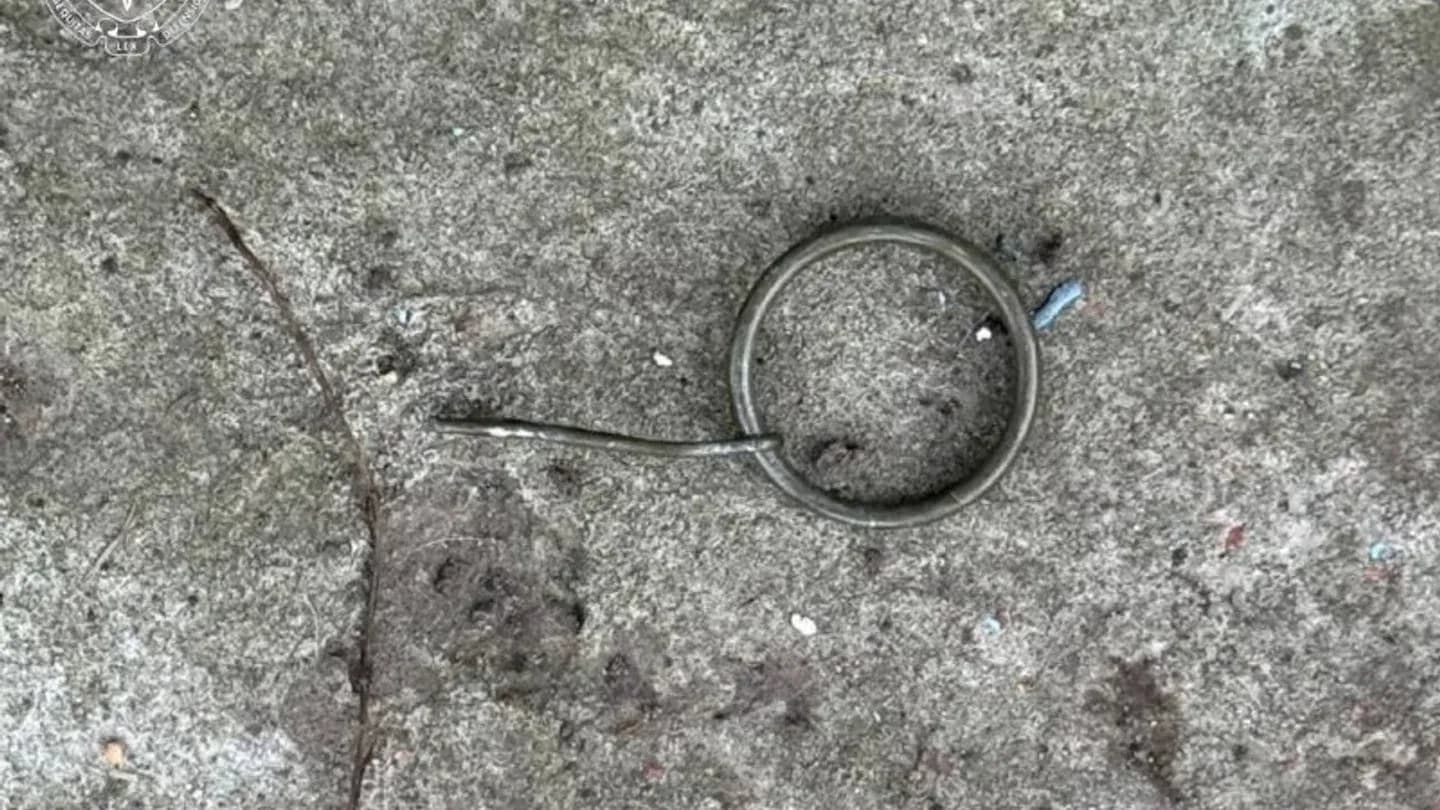
The second question is the grenade's origin. Investigators together with explosives technicians are establishing where the serviceman got the explosive device and whether other people were involved in it reaching him. This wording is standard for cases in which weapons leave the combat zone, but the fact itself does not change: a live grenade ended up in a private yard in the Kyiv region, far from the front line, and detonated among people who had come to collect belongings.
The investigation and accountability
Under the procedural guidance of the Brovary district prosecutor's office, a pre-trial investigation has been opened under points 1 and 5 of part 2 of Article 115 of the Criminal Code — intentional murder of two or more persons. The main suspect died at the scene, so accountability for the killings will probably never reach a verdict. What a court can still establish is different: the chain by which the grenade reached the man's hands, and who failed earlier — the command that lost sight of the serviceman, or a system that does not control the circulation of weapons carried away from the front.
As of the morning of 17 November, investigators and explosives technicians continue working at the scene: they are identifying the type of explosive device and the channel through which it reached the serviceman. The first official answer on the grenade's origin will show whether this case remains a report on a domestic conflict or becomes a case about lost control over people and weapons.
Primary sources
Documents and statements this story is based on.