
Democratic gains do not guarantee an EU-US thaw, Politico reports
Europe hopes for a more constructive dialogue with Washington, but a new balance in Congress does not remove Trump’s foreign-policy leverage.
Democratic gains in the U.S. midterm elections on November 3, 2026, have raised hopes for better relations with Europe, but do not mean an automatic reversal of Washington’s policies. In Politico’s November 4 coverage, European politicians and experts differ in their expectations: some anticipate calmer dialogue, while others warn of further clashes with Donald Trump.
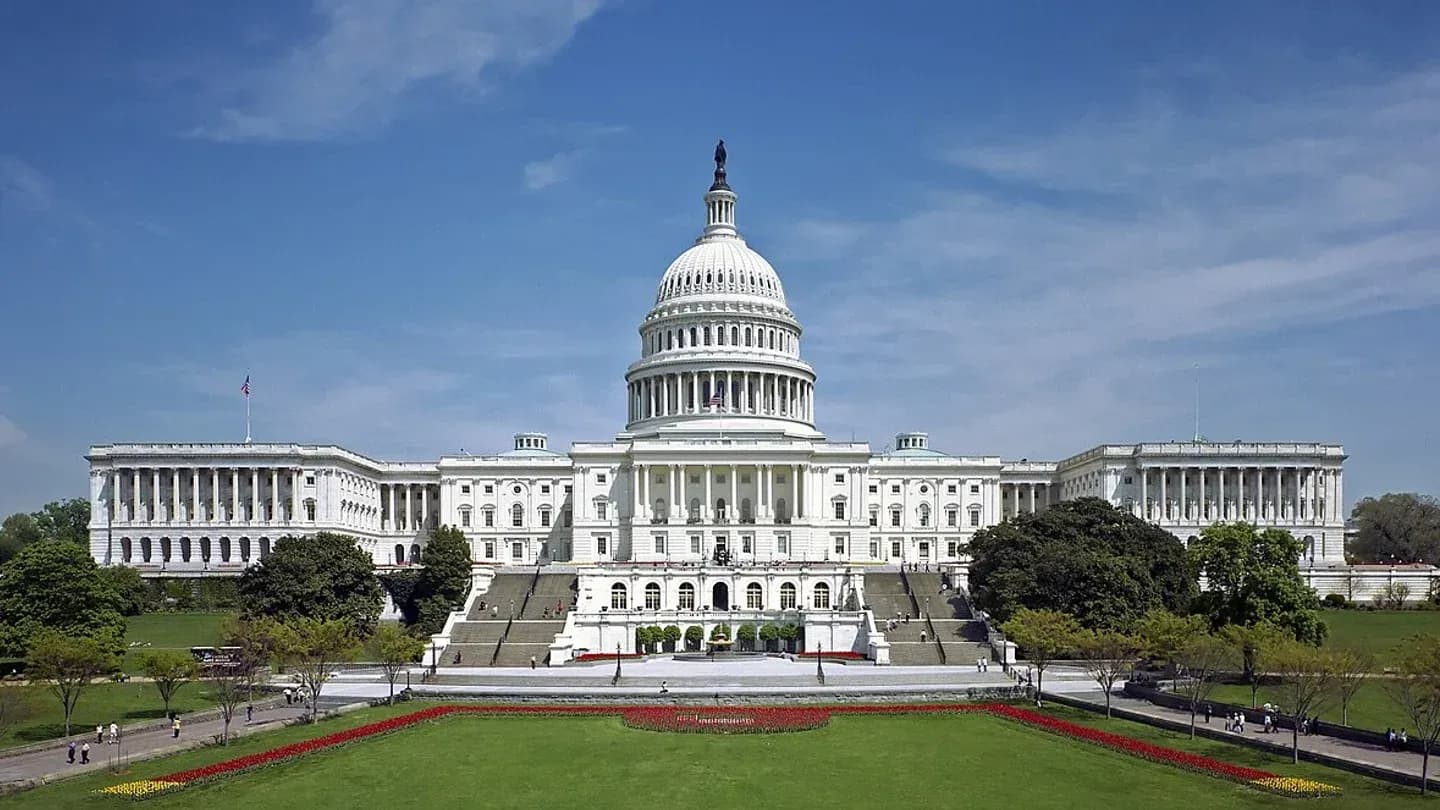
According to the outlet, Democrats won control of the House of Representatives and the Senate; some individual races had yet to be called on the morning of November 4. This is a congressional election result, not a change of president: Trump remains head of the executive branch.
European Parliament Vice President Sophie Wilmès described the outcome as a major shift in the balance of power in Congress and expressed hope for calmer, more constructive relations with Europe. German Defense Minister Boris Pistorius said he intended to maintain close contact with Democrats, but cautioned against excessive expectations: it was not yet clear how the president would act after the elections. Politico reported these remarks on November 4.
In a separate analysis of the election’s implications, Politico says Democrats will have more opportunities to influence appropriations and strengthen oversight of the administration through hearings and investigations. However, Phil Gordon, former national security adviser to Kamala Harris, notes that the president commands the armed forces and can veto legislation. German diplomat Wolfgang Ischinger anticipates the possibility of stronger Trump demands on Europe rather than warmer relations. That is a forecast, not a decision Washington has already taken.
The division of powers is set out in the U.S. Constitution: Article I requires appropriations made by law for Treasury spending, while Article II makes the president commander in chief. A presidential veto can be overridden by a two-thirds vote in each chamber. A change in the congressional majority therefore provides checks on the president, but does not itself transfer leadership of the executive branch to Congress.
For Ukraine, a key question is potential additional assistance. Bronwen Maddox, director of the British think tank Chatham House, told Politico that even if Democrats decided to send Kyiv more resources, practical results could take months and possibly years. This is an assessment of timing, not an announcement of an approved aid package.
There is another scenario: domestic political confrontation could absorb Washington so completely that foreign policy, including relations with Europe, takes a back seat. Politico describes this as one possibility, not as an established Democratic intention to ignore European partners.
In a Politico interview published on November 6, Ed Roman, former director of communications at the British Embassy in Washington, developed this argument: diplomats should build ties with potential Trump successors without assuming a return to the old normal even if Democrats win the 2028 presidential election. In his assessment, economic nationalism and skepticism about America’s global commitments could outlast Trump. Hopes for cooperation therefore coexist with uncertainty, rather than an agreed program to reset relations.
Primary sources
Documents and statements this story is based on.
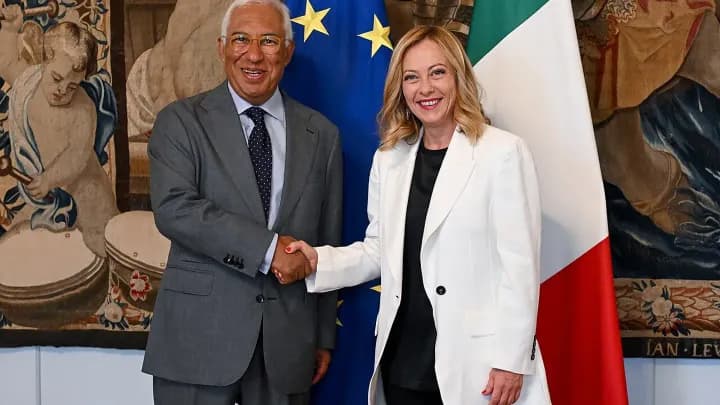
Who will speak for the EU on Ukraine? Costa backs Meloni’s unity call
Trump’s Approval Rating Hits Record Low of 31% Two Weeks Before Midterms — Democrats Lead by 12 Points. What Does It Mean for Ukraine?
Trump-Appointed Judge Orders White House to Restore Access for CNN, MS NOW and Politico — but It's a 14-Day Win
CNN, MS NOW and Politico sue after White House access ban