Ambassador expects financial results from Magyar–Zelensky talks in early 2027
The ambassador named January–February but disclosed no amounts or projects. Talks covered fuel, gas storage, border crossings and humanitarian demining.
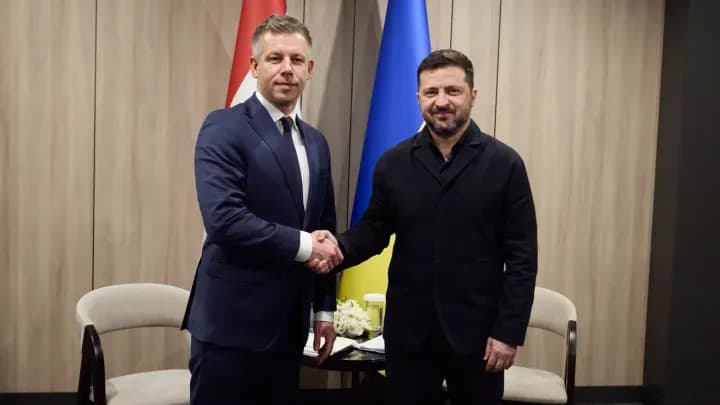
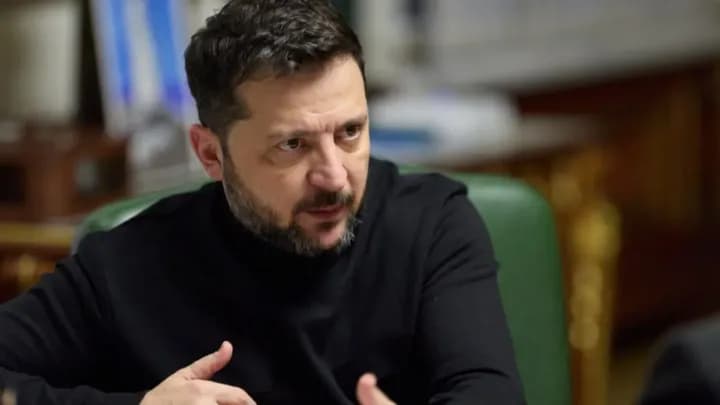
Ukraine’s ambassador to Hungary, Fedir Shandor, expects financial results from the meeting between Volodymyr Zelensky and Hungarian Prime Minister Péter Magyar in January–February. Following the November 24, 2026 talks in Transcarpathia, the diplomat said: “Give it a little time. The process is already under way.” He did not name amounts, recipients or specific projects.
This is an expectation for early 2027, not an announced funding schedule. The talks’ practical scope extends beyond possible aid: energy supplies, the use of Ukrainian infrastructure and transport links between the countries.
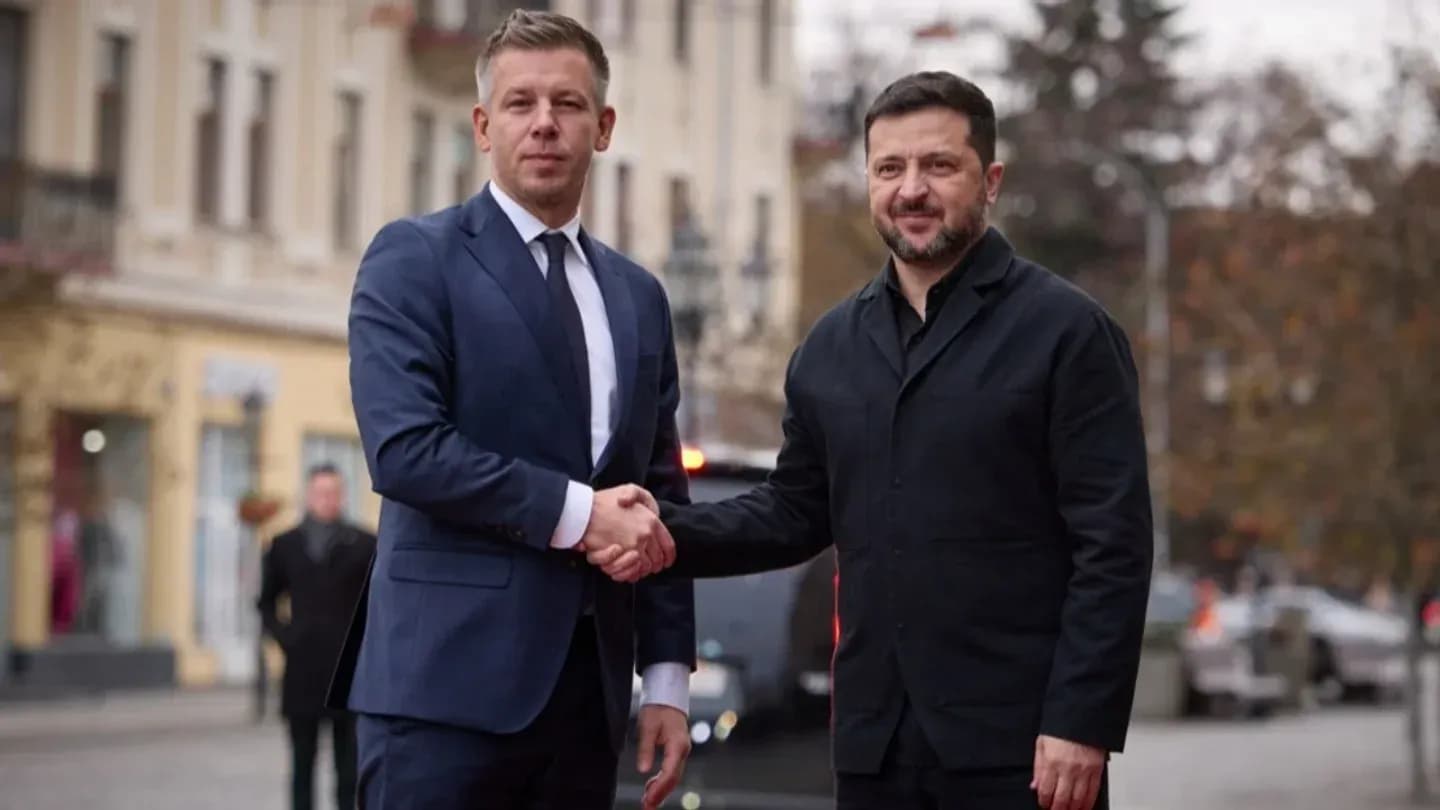
Zelensky said he discussed gas and diesel supplies to Ukraine with Magyar, alongside greater use of Ukrainian gas storage facilities by Hungarian companies. Infrastructure topics included upgrading existing border crossings, creating new ones and running direct trains on new routes. They also discussed humanitarian demining and expanding Hungary’s involvement in the relevant coalition.
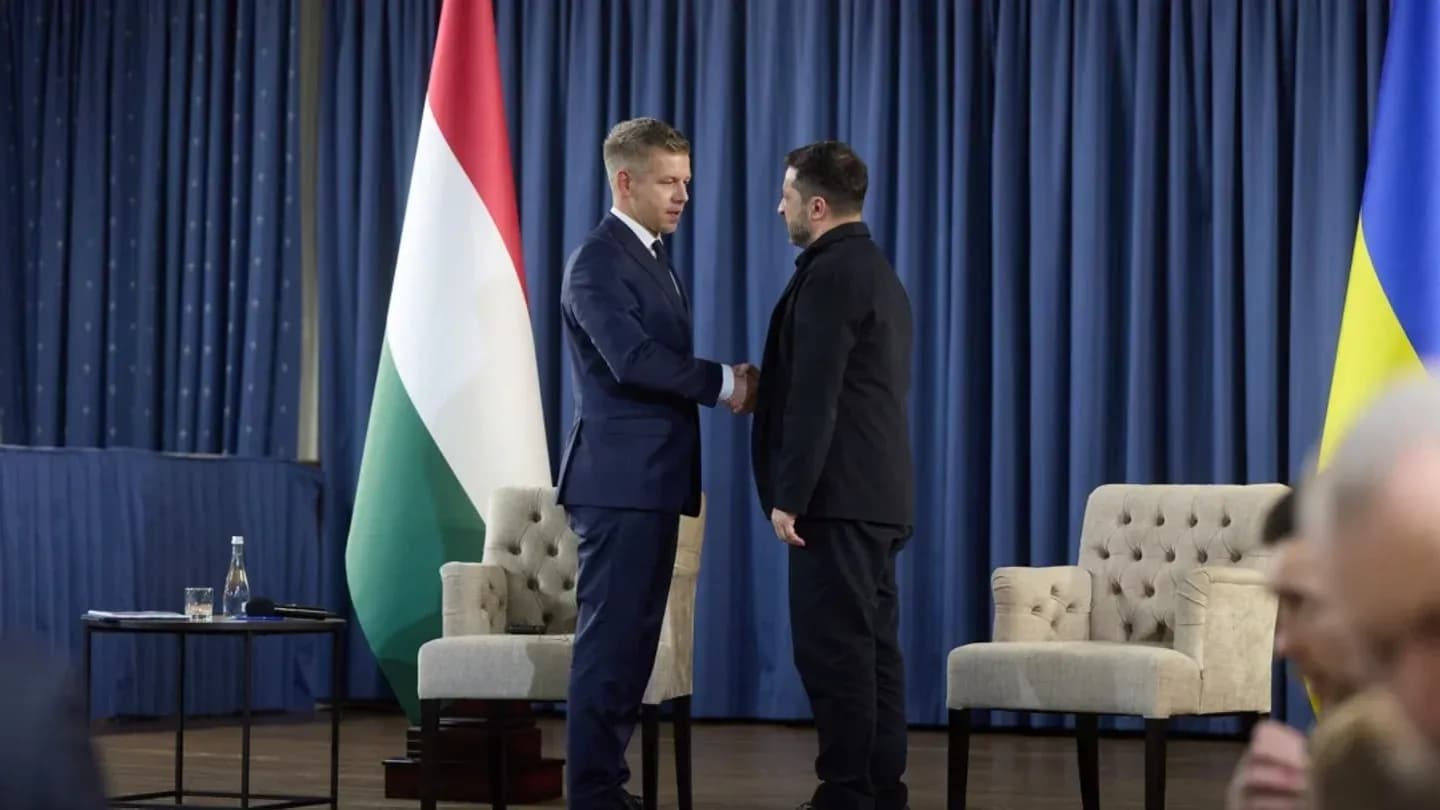
The president said there were specific agreements on all these issues and that the two leaders had instructed their teams to implement them promptly. His statement, however, gave no supply volumes, construction costs or launch dates for routes. There is therefore no basis yet for linking Shandor’s forecast to a particular contract or budget inflow.
For civilians, these areas have a concrete meaning: access to fuel, the ability to cross the border and travel by rail, and the safe reuse of mined land. But a political agreement alone does not determine when people will be able to benefit from those changes.
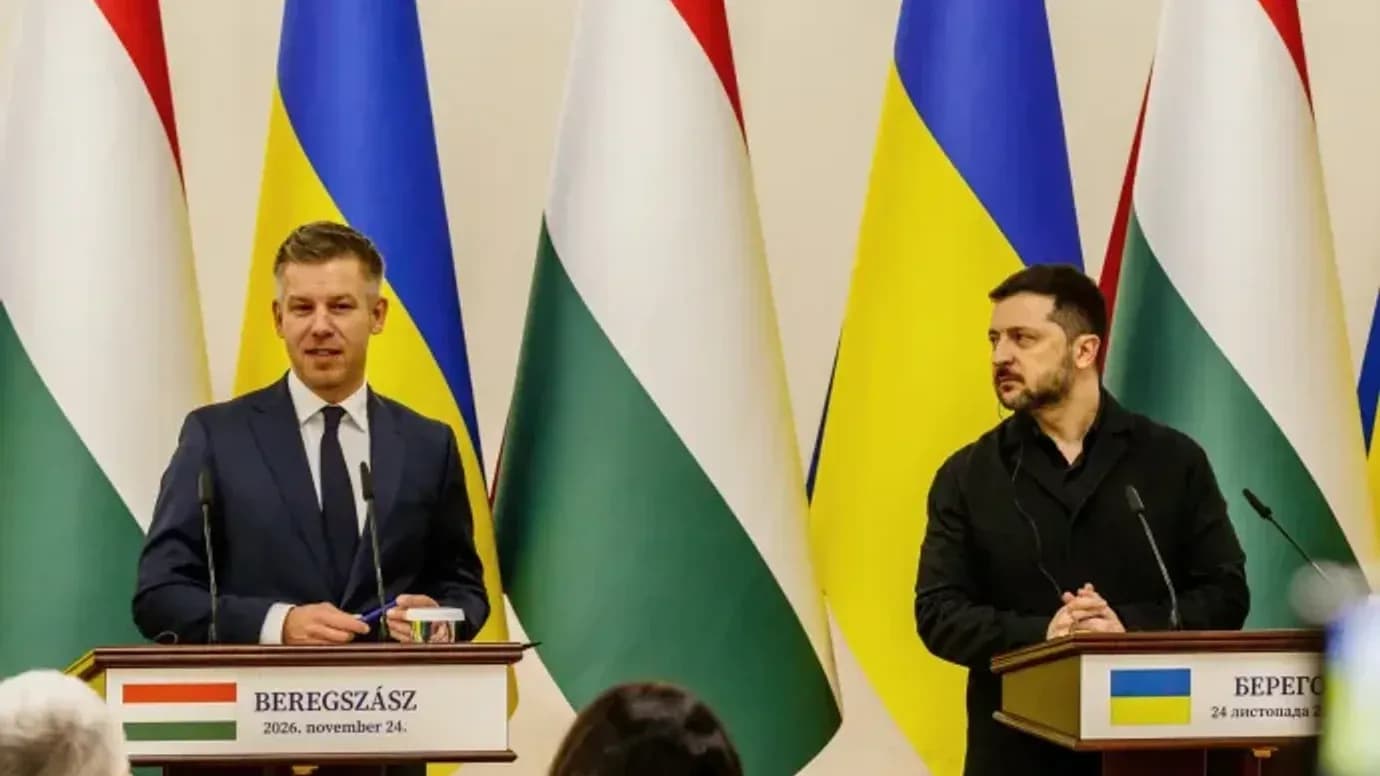
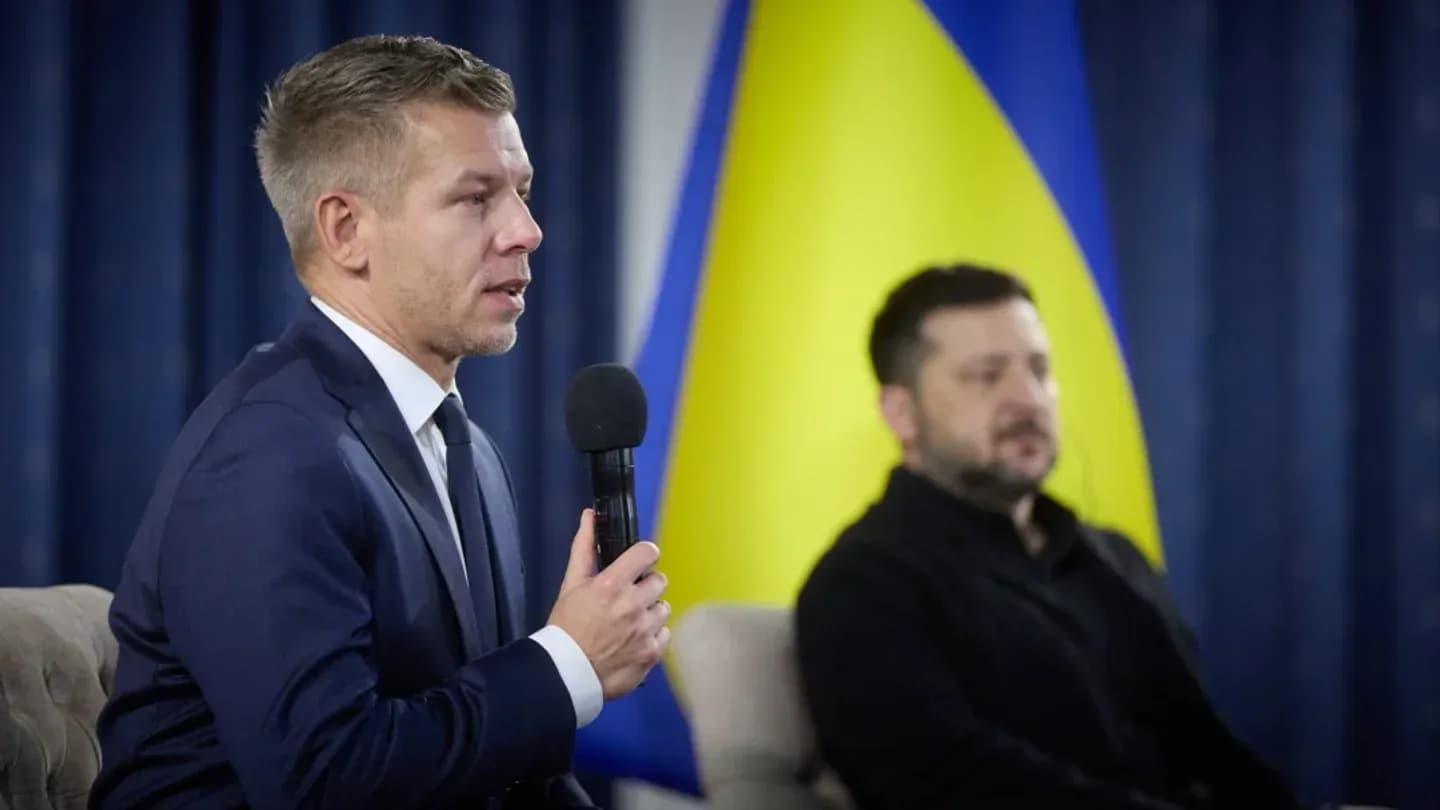
During the visit, Magyar also announced a humanitarian shipment worth approximately one billion forints, including medical equipment and generators for Transcarpathia. Yet at the joint press conference in Berehove, he opposed directly linking the EU’s seven-year budget to funding for Ukraine, citing Hungary’s budget position. The prime minister insisted that states should choose how they provide assistance. Bilateral rapprochement therefore does not mean Budapest agrees to every mechanism for long-term financing.
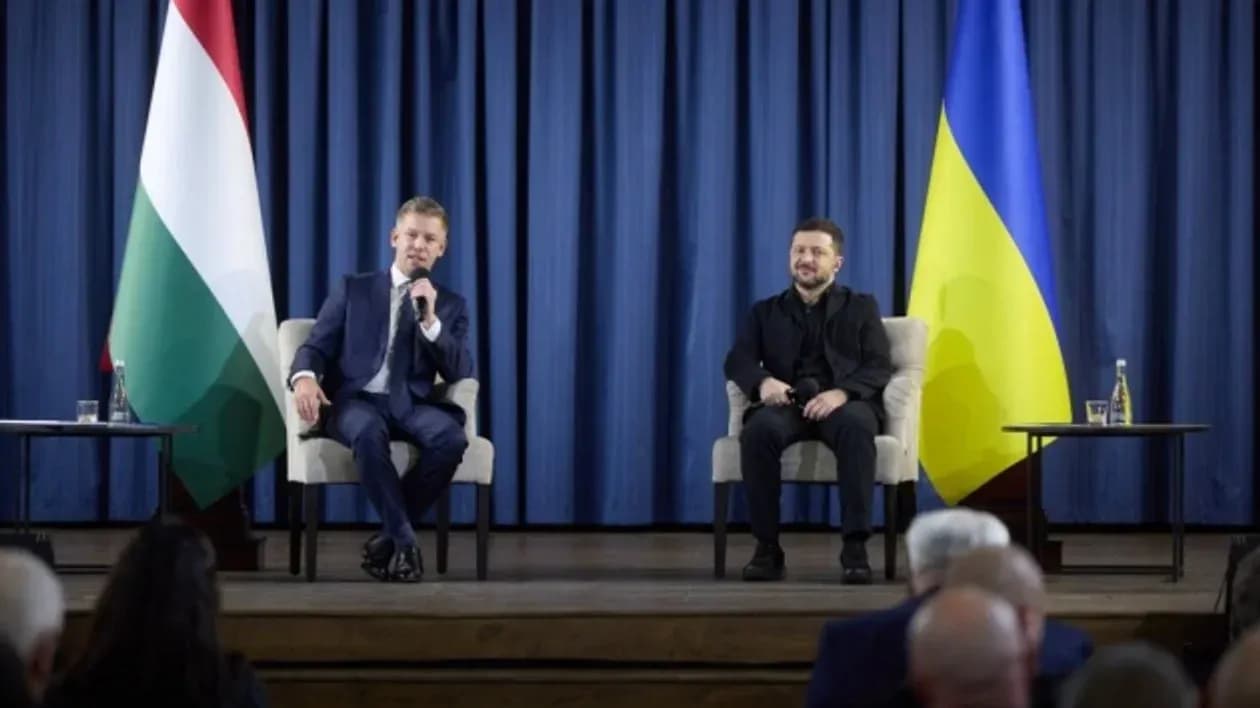
The immediate task Zelensky and Magyar publicly assigned their teams is to implement the agreements. The test of the ambassador’s January–February forecast will be specific amounts, those responsible for delivery, and supply or construction deadlines—not assessments of the meeting’s atmosphere.
Primary sources
Documents and statements this story is based on.