Ambassador expects financial results from Magyar–Zelensky talks in January–February
The ambassador gave a timeframe but no amount. Hungary announced humanitarian aid and a social fund while maintaining reservations about financing Ukraine through the EU budget.
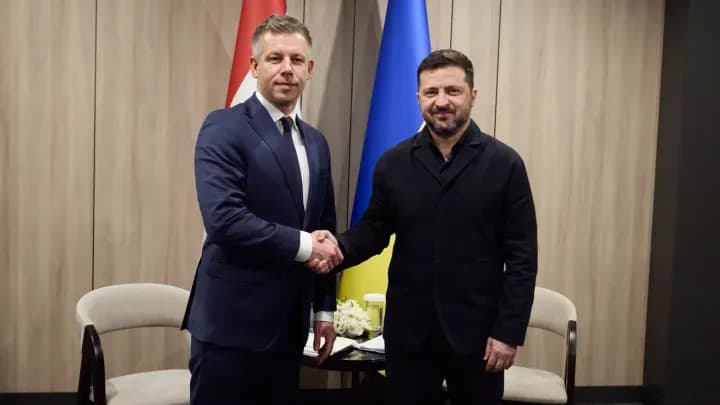
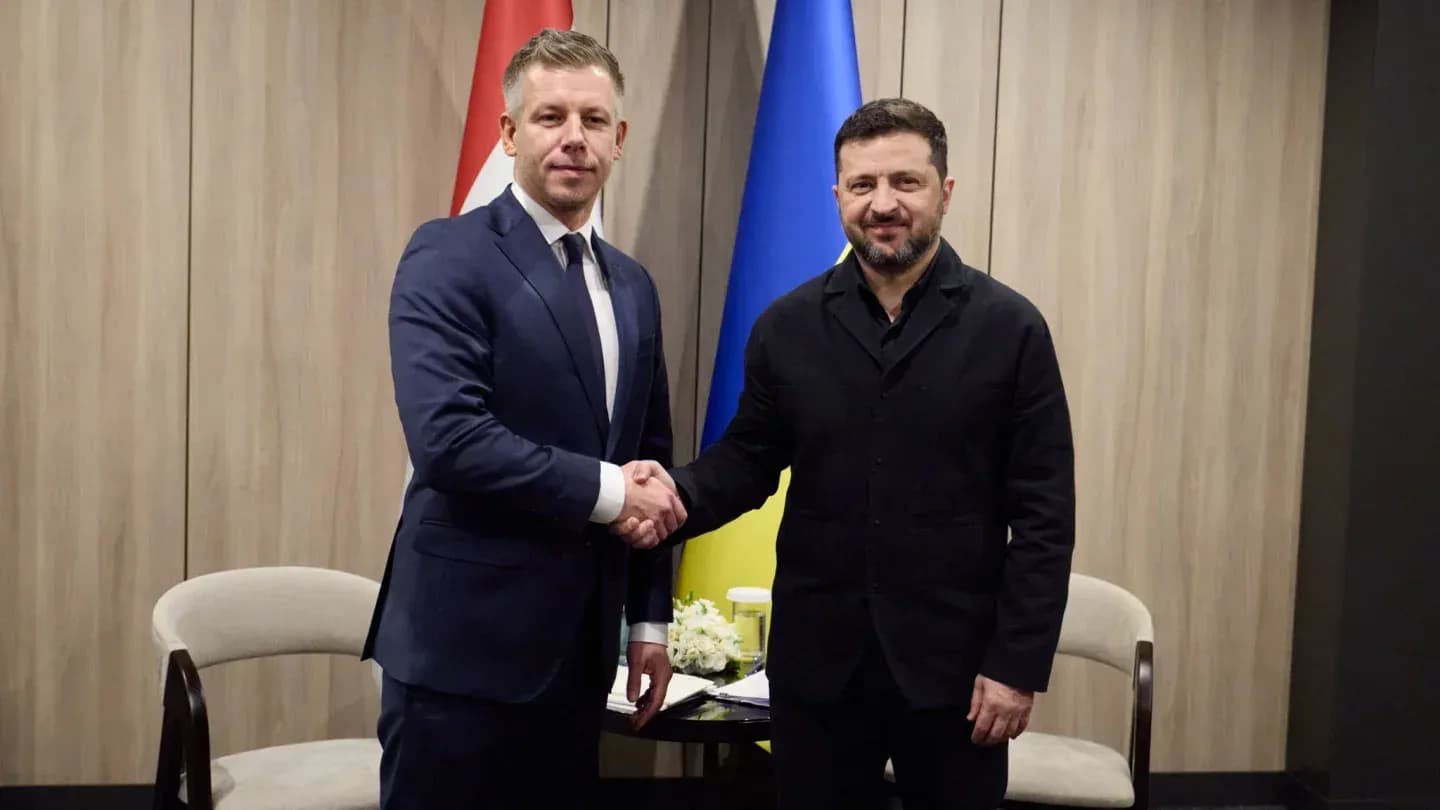
Ukraine’s ambassador to Hungary, Fedir Shandor, said on November 25 that financial results from the meeting between Volodymyr Zelensky and Hungarian Prime Minister Péter Magyar would become visible in January–February. The diplomat gave no amounts, funding sources or mechanism for directing the money. His forecast concerns the months immediately following the talks, meaning early 2027.
“Soon, as early as January–February, you will see financial results. Give it a little time. The process is already underway,” Shandor said. Concrete announcements following the visit concern humanitarian equipment, support for Transcarpathia’s Hungarian community, and preparations for energy and transport cooperation.
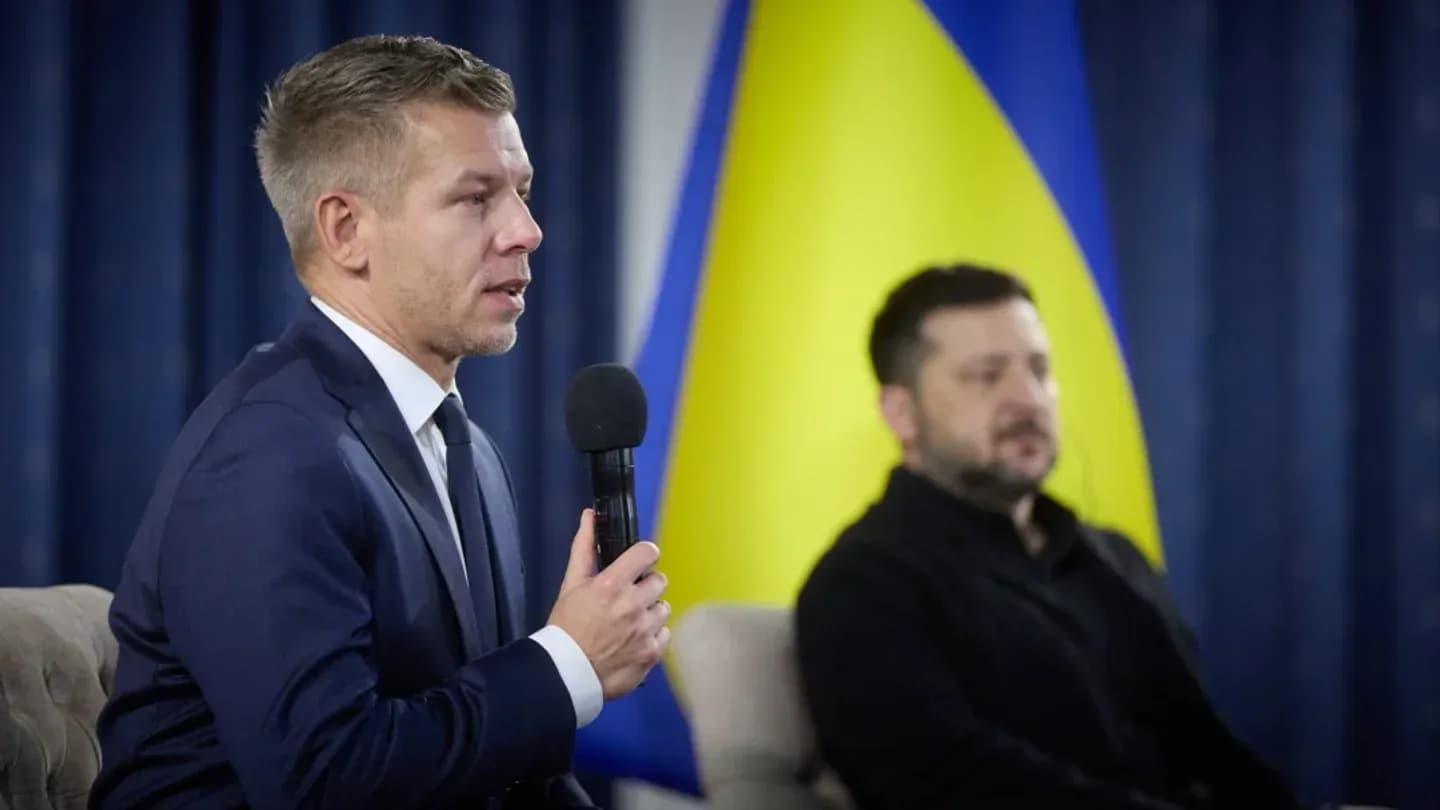
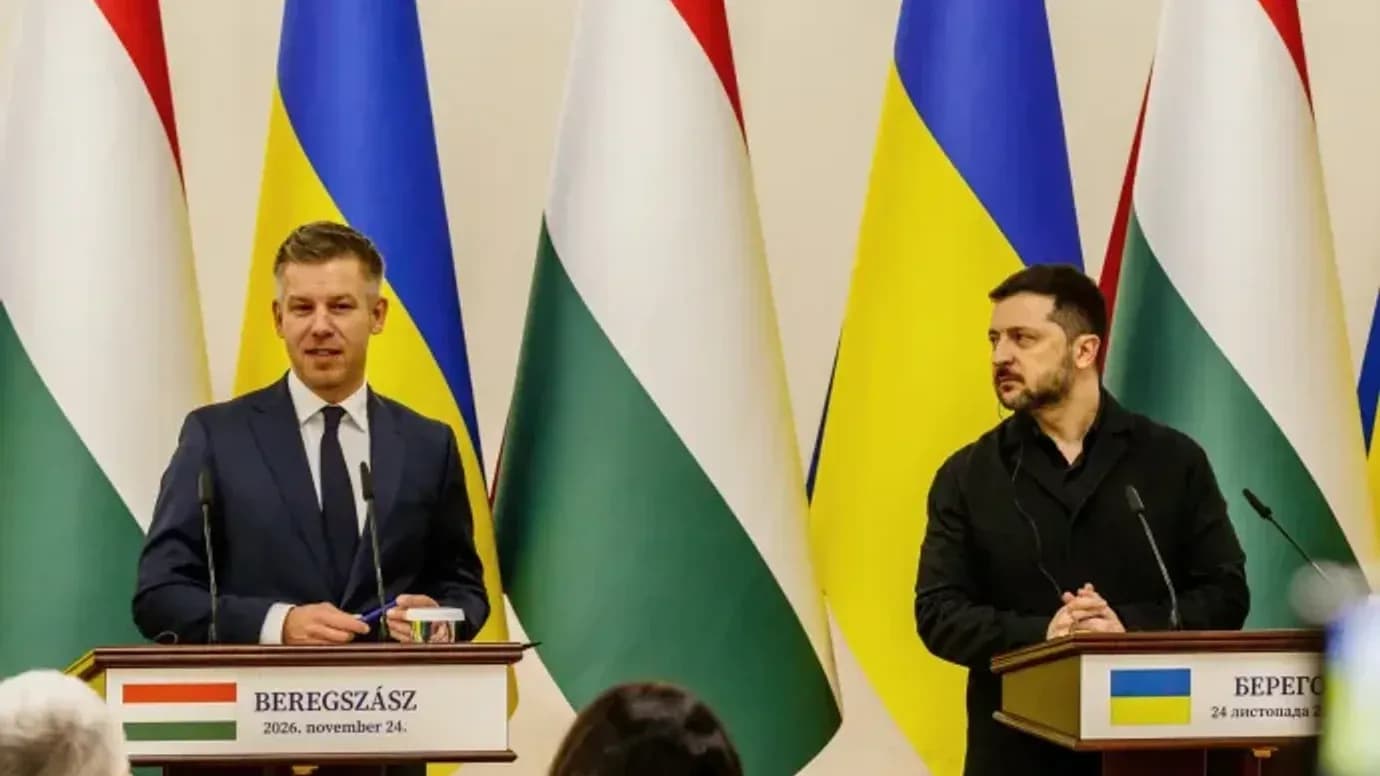
Magyar visited Transcarpathia on November 24: his programme with Zelensky began in Uzhhorod, while bilateral talks and a press conference took place in Berehove. The Hungarian government announced that the prime minister had brought aid worth approximately one billion forints, including patient monitors, medicines, energy equipment, generators and vehicles.
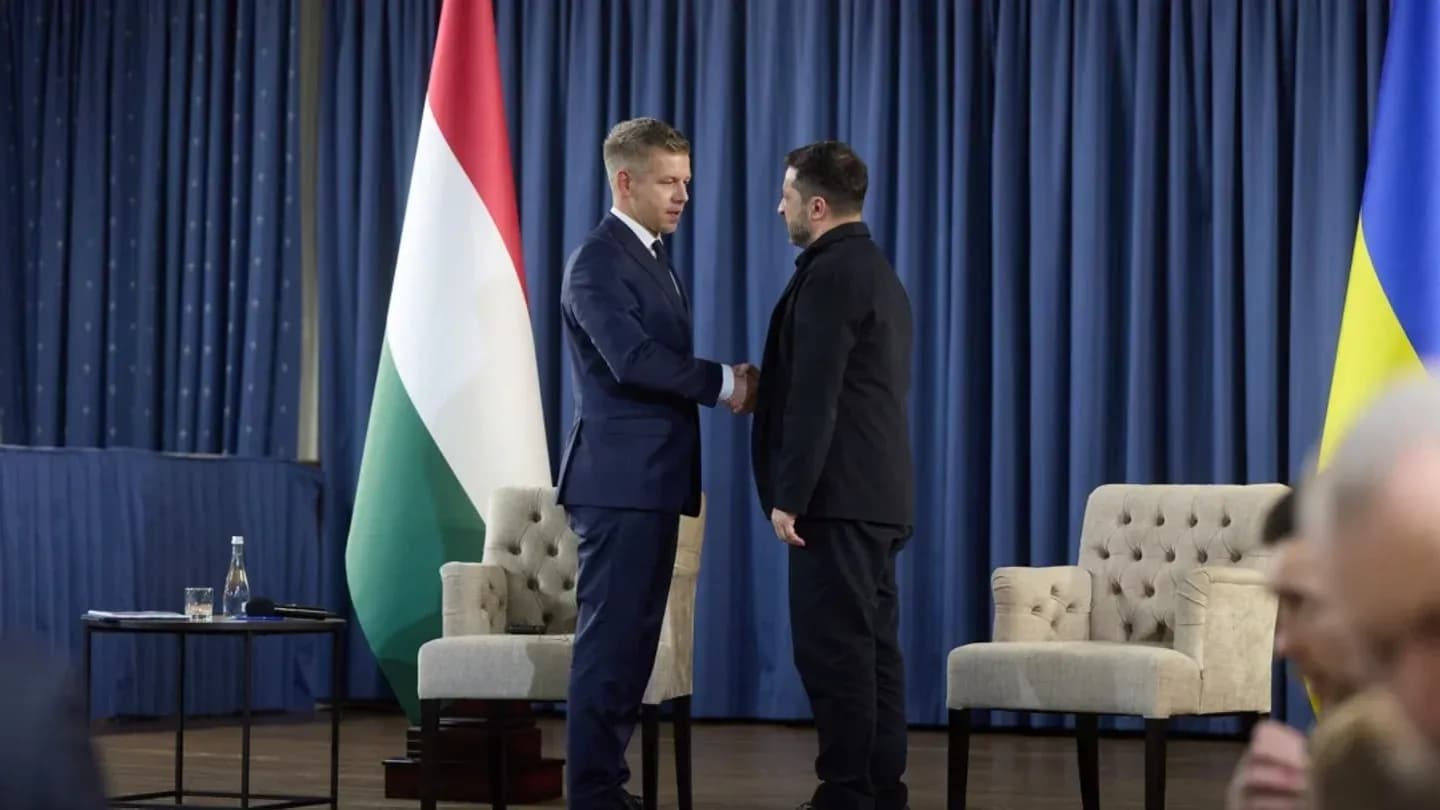
Separately, the Hungarian government announced a decision to establish the Ilona Zrínyi Social Fund with another one billion forints. It is intended to support healthcare, education and cultural life for Transcarpathian Hungarians. Targeted community support and equipment for civilian needs are the areas for which Budapest has specified amounts. Shandor did not clarify whether his forecast was linked to these programmes.
Zelensky announced agreements on gas and diesel supplies to Ukraine and greater use of Ukrainian gas storage facilities by Hungarian companies. Other areas include renovating existing border crossings and building new ones, direct trains on new routes, humanitarian demining, and expanding Hungary’s involvement in the relevant coalition. The president instructed the teams to work on implementing these agreements; his statement gave no supply volumes or dates for launching routes.

Magyar nevertheless maintained reservations about broader financing for Ukraine. At the press conference, he said Hungary was ready to provide humanitarian assistance, including medical and energy equipment, but its budgetary position did not allow it to finance other means of support. He also opposed linking Ukraine’s financing to the EU’s seven-year budget. The announced civilian assistance therefore does not mean Budapest has agreed to that budget arrangement.
For Transcarpathia’s residents, the practical substance of the visit is equipment for medical care and energy supply, alongside promised targeted community support. For passengers and freight operators, potential changes depend on implementation of the infrastructure agreements. The next step in energy cooperation is preparing projects involving energy companies as well as governments: Magyar specifically identified their involvement as necessary.
Primary sources
Documents and statements this story is based on.