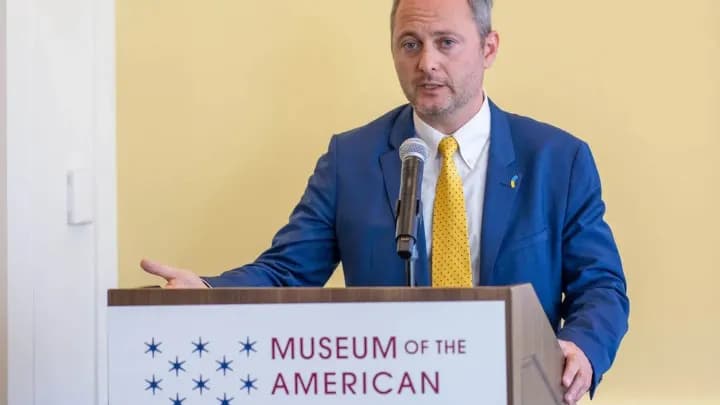
Zelensky: Starshield restrictions still hinder early interception of Shahed drones
The president says service has returned to normal in Ukrainian-controlled territory. Restrictions over occupied areas remain, limiting opportunities to intercept drones before they reach infrastructure.
Starshield service has returned to normal in Ukrainian-controlled territory, but restrictions remain over temporarily occupied areas. Volodymyr Zelensky made the statement in an interview published on November 26. He said this prevents Ukrainian interceptor drones from catching Russian jet-powered Shaheds before they enter Ukrainian-controlled territory.

The president reported “positive signals” from the American side. However, the improvement he described does not amount to a full restoration of early interception capabilities: geographical restrictions remain precisely where Ukrainian forces could try to stop the drones earlier.

“We can do this in controlled territory, but often it is already too late. They strike our infrastructure, energy facilities and so on,” Zelensky said. He was referring specifically to jet-powered Shaheds, not an inability to intercept all Russian unmanned aircraft.
The president did not definitively identify who decided to impose the restrictions. “Technically, it is SpaceX. Politically, I don’t know,” he replied. Zelensky described responsibility being passed between the parties, with each denying that the decision was theirs. He nevertheless regards resolving the problem as a matter of political decision-making.
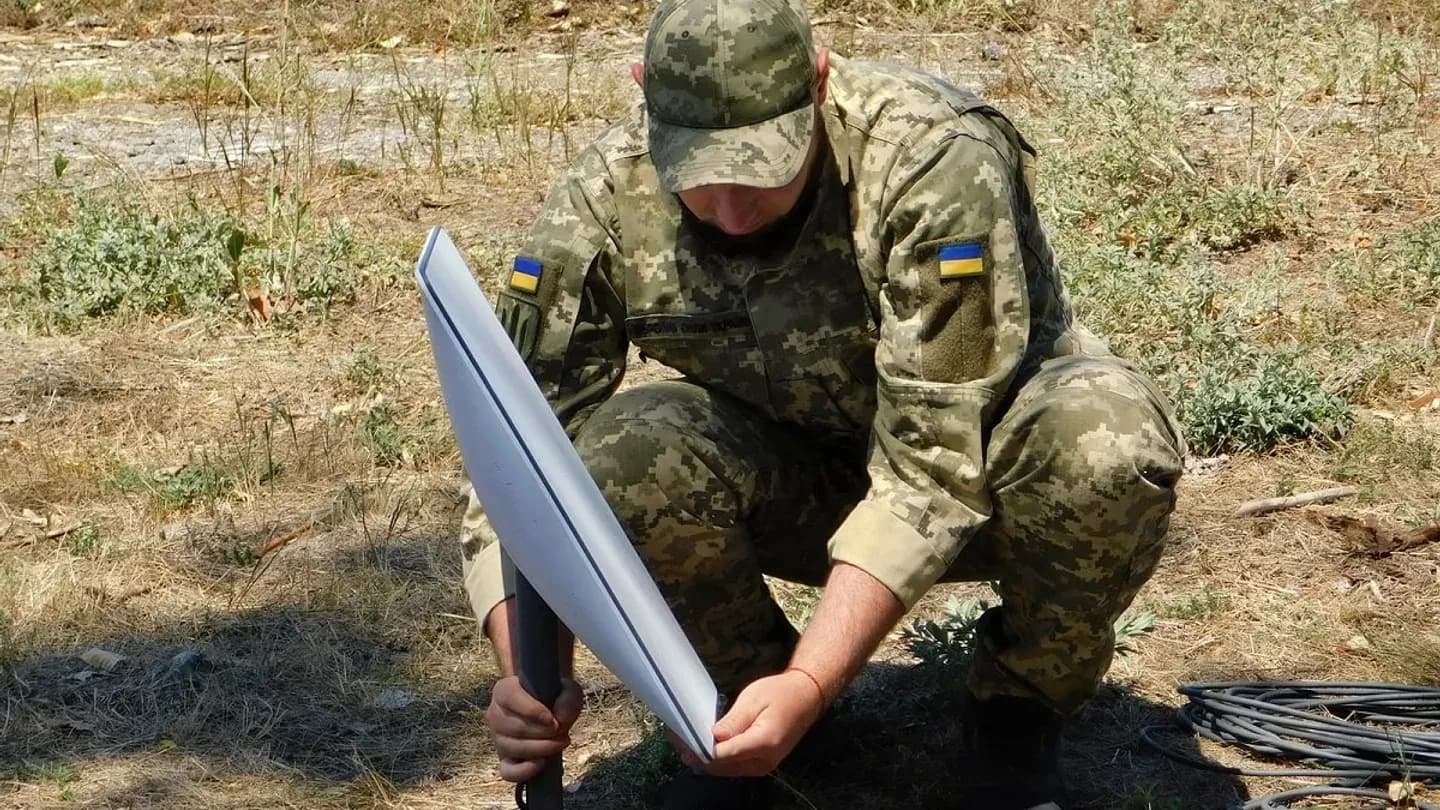
There is currently no independent technical confirmation of the causes or precise geographical limits of the restrictions. There is therefore insufficient basis to link a particular impact to them or identify a confirmed political decision-maker. But in the situation the president described, the cost of delay is not just more difficult military operations: it also means fewer opportunities to protect energy facilities before the drones arrive.
On November 26, Zelensky also warned that Russia was preparing another large-scale strike. He identified energy, logistics and facilities sustaining cities and communities as likely targets and urged people to heed missile alerts. The president expects a Foreign Ministry report on talks about additional air defences, naming interceptor missiles for Patriot and NASAMS as the key priority.
Primary sources
Documents and statements this story is based on.