
Parliament moves to dismiss veterans minister Kim as he answers criticism with figures and appointments
The European Solidarity faction has initiated the registration of a draft resolution to dismiss Veterans Affairs Minister Vitalii Kim and opened signature collection from all MPs. Kim did not apologise: in response to the scandal he published the ministry's "internal figures" on veterans' fears and announced two appointments the same evening.
The Verkhovna Rada has opened a procedure to dismiss Veterans Affairs Minister Vitalii Kim. On 18 November the European Solidarity faction initiated the registration of a draft resolution on his dismissal and opened signature collection from deputies of other factions. It is parliament's response to an interview in which the minister predicted a rise in crime after soldiers return from the front and called treatment of psychological trauma a "marketing story". There has been no vote: the document is at the signature-collection stage.
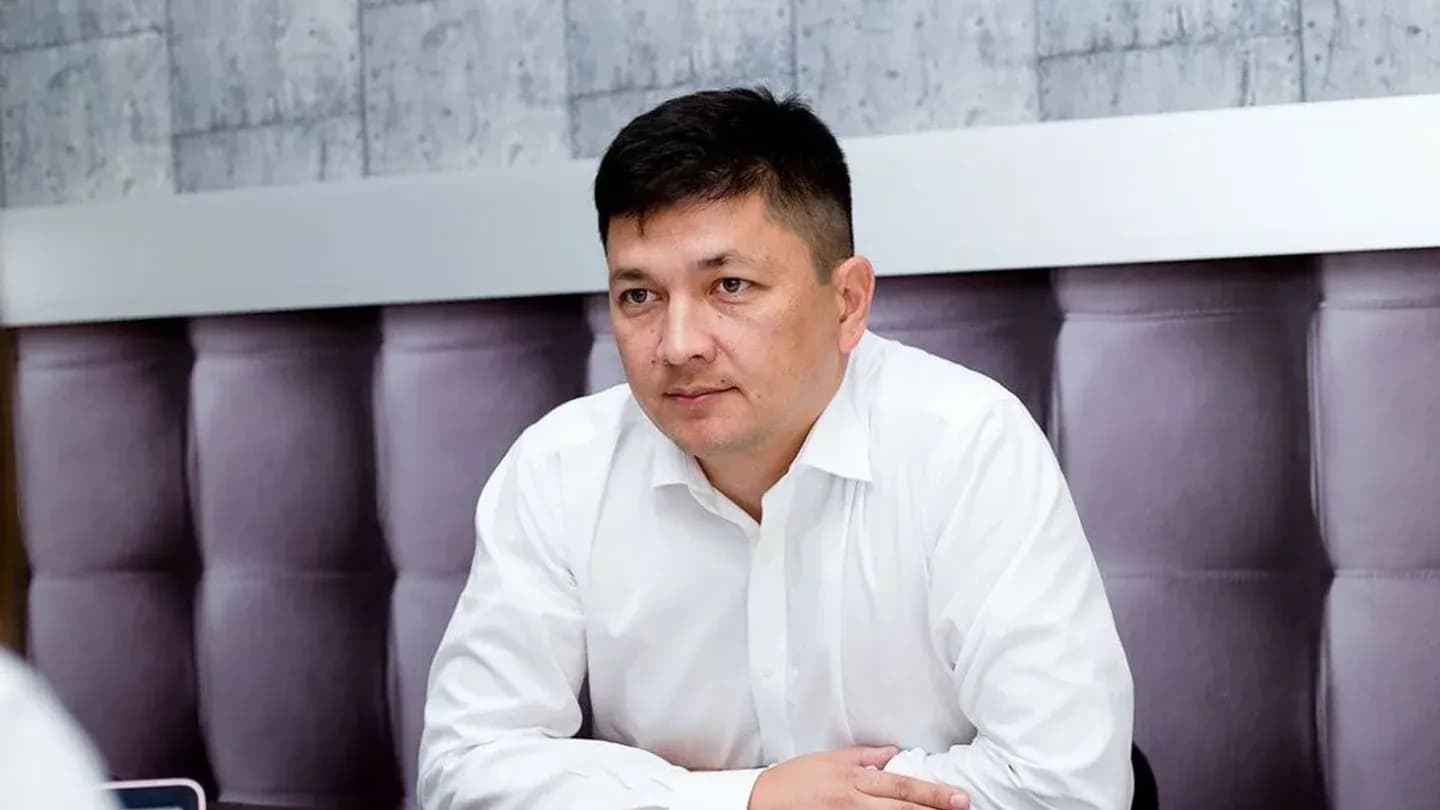
What the minister said
The interview that caused the scandal was published on 16 November. Asked about the risk that veterans without decent earnings would turn to crime, Kim answered: "It will definitely happen. It was the same after every war." He explained that people come back from the front "with certain skills, a reduced sense of risk and a heightened sense of justice", and that this concerns not only crime but also "social tension, revolutions and other processes". The minister conceded that the state is currently doing too little in information policy and in preparing society for the return of veterans.
The block on psychological help proved even sharper. Kim said he does not trust civilian psychologists: "I simply don't believe in all these traumas, processing — it's a marketing story." Military psychologists in Ukraine, he said, are trained at a rate of "about 20 a year", and around 70% of servicemen will cope with psychological difficulties on their own. Asked whether the country is ready for the return of soldiers, the minister answered bluntly: "No, nobody was ready." He recalled that demobilisation after the Second World War lasted from 1945 to 1952 and said he expects more than 3 million veterans in Ukraine, up to 9 million people together with their families.
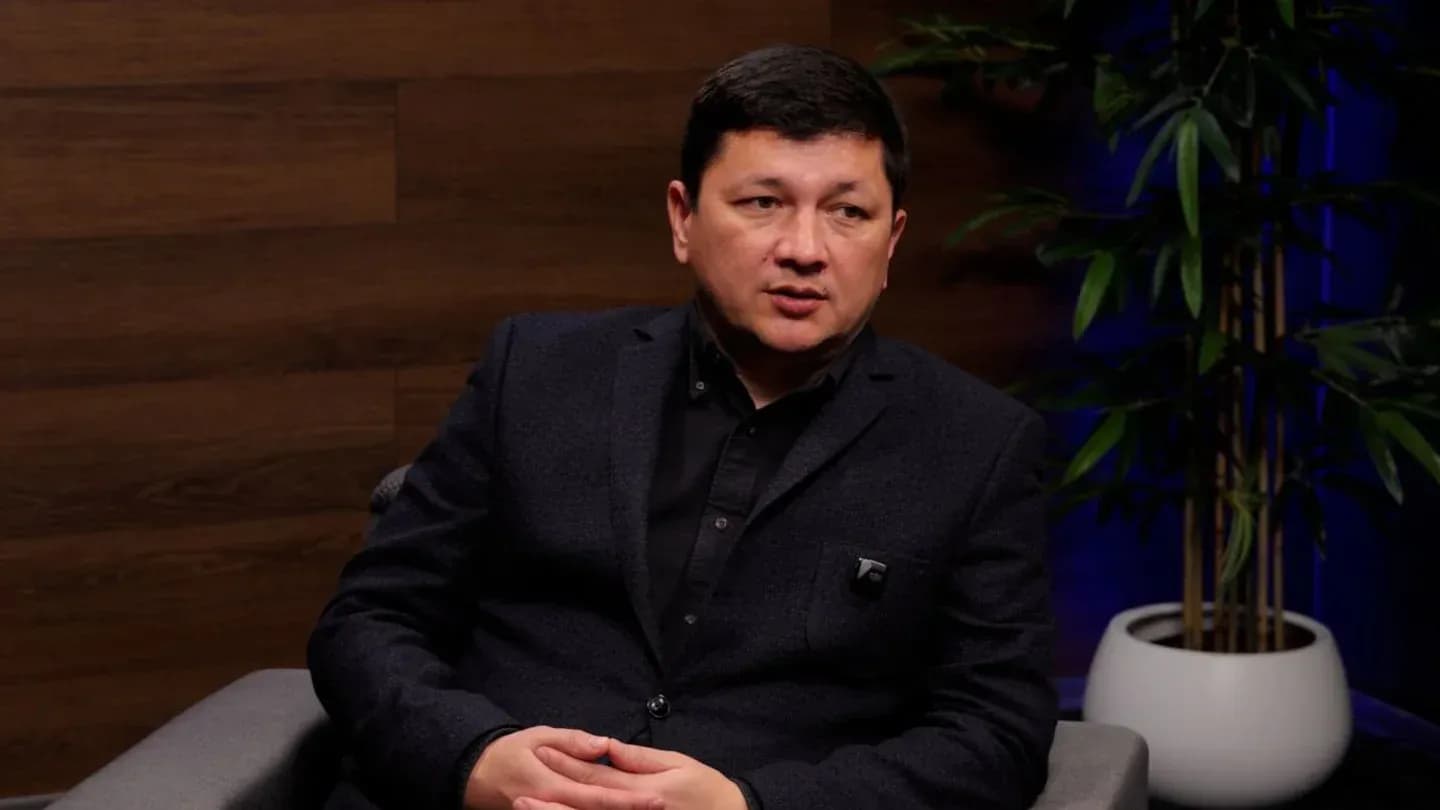
Soldiers and veterans heard stigma
The first public reactions appeared the very day after the interview was published and continued into the evening of 18 November. General Staff spokesman Andrii Kovalov called the minister's communication "a complete failure": "The veterans affairs minister gives an interview where he publicly insults veterans, demonstrates his incompetence and helplessness and, crucially, a lack of empathy and compassion… Why get into yet another media scandal when you could simply write a resignation letter." Joint Forces spokesman Viktor Trehubov objected to the very framing of the conversation: it is not that "soldiers will return to Ukraine" but that "Ukrainians will return home", and the country should be built on the understanding that those who went through the war are its inseparable part.
Alina Mykhailova, head of the "Ulf" medical service of the "Da Vinci Wolves" battalion and a Kyiv city councillor, formulated the central conflict of the scandal: the profile minister publicly admits the state is not ready for the return of soldiers — that is, he admits the unfulfilled work of his own ministry. "Veterans should not have to justify themselves to society for their combat experience. It is the state that must fulfil its obligations to them," she wrote, adding that, in her view, Kim should be dismissed. Veterans Mykhailo Drobotenko and Hennadii Sukharnikov, activist Oleh Symoroz and veteran Alina Sarnatska said the same in different words: they call the statements about "inevitable" crime a stigmatisation of defenders rather than an analysis of risks.
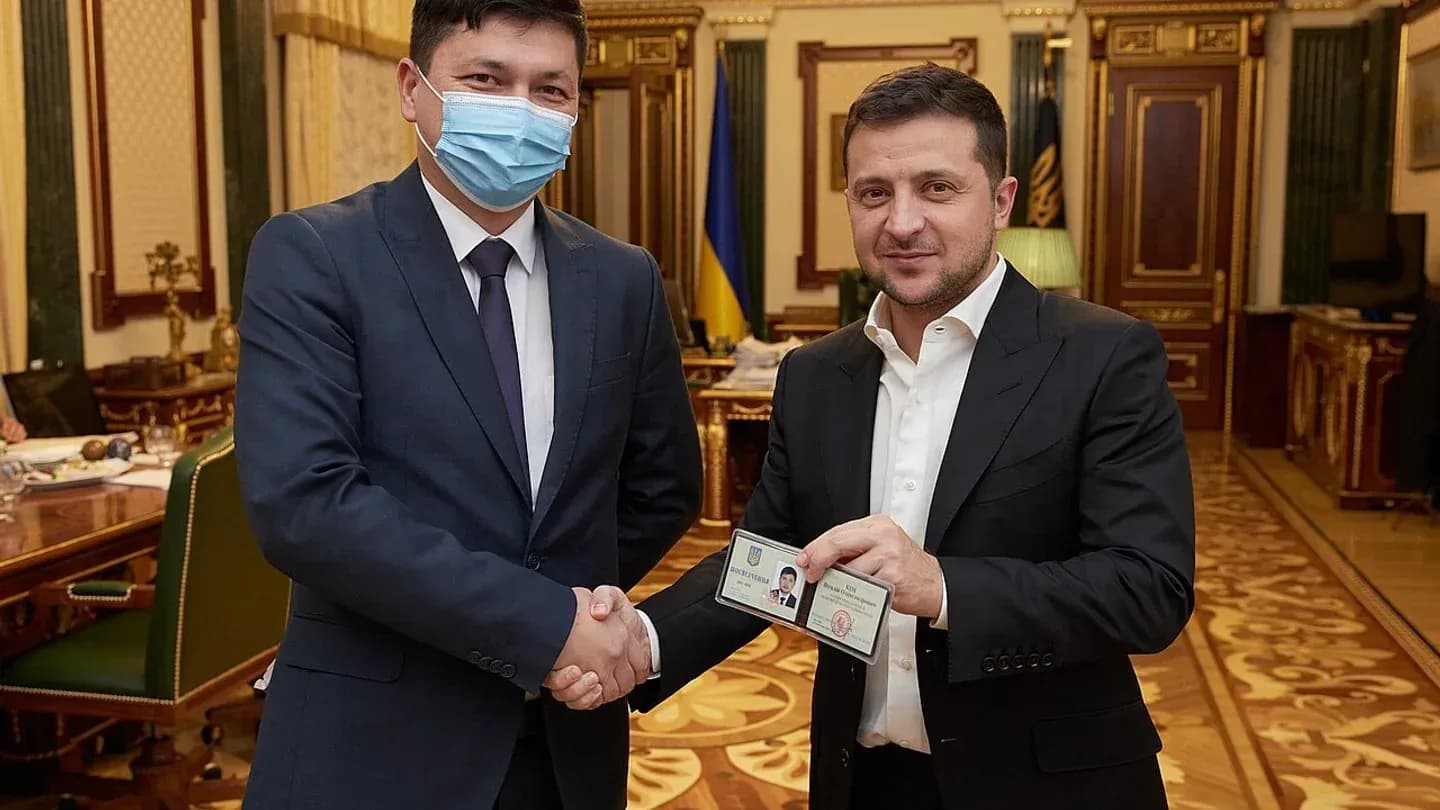
Signatures, not a vote
European Solidarity co-chair Iryna Gerashchenko explained the initiative not only by the scandalous quotes: the veterans' community, she said, is outraged by "the ministry's inaction and complete misunderstanding of the principles of veterans policy, the lack of empathy and normal communication". The document is open for signatures from all deputies and the faction is calling on colleagues to join. This is precisely an initiative: the draft resolution still has to collect signatures and pass the profile committee. Kim has headed the Veterans Ministry since 16 July 2026, when the Rada approved the government of Prime Minister Serhii Koretskyi; the minister is not a veteran himself, and at summer protests — where people demanded the return of Mykhailo Fedorov to the Defence Ministry — the slogan "A veteran, not Kim" was heard periodically. In late July, responding to criticism, he said he was "giving himself a year" to show results.
The answer: figures and two appointments
Kim did not apologise. On the evening of 18 November he published a response on social media: he is "not going to silence" difficult questions or pretend the problems do not exist, even if such a position is politically disadvantageous. As evidence he cited the ministry's internal research: about 80% of veterans worry about possible addictions, and almost half fear they could be drawn into illegal activity. "Think about these numbers. These are not my inventions or forecasts. This is what veterans themselves fear and talk about. And I believe we are obliged to hear them and to accept the truth as it is," the minister wrote. He acknowledged that one ministry alone cannot solve rehabilitation, employment and support, and called on veterans and civil society to engage in dialogue.
The same evening the minister also announced personnel decisions: the Cabinet appointed Oleksandr Husarov, an officer with the callsign "Forbs" who headed the psychological support service of the 12th Special Purpose Brigade "Azov" of the National Guard, as deputy veterans affairs minister, and Oleh Nemchinov, who ran the Cabinet of Ministers secretariat in 2020–2025 and had been acting state secretary of the Veterans Ministry since late August 2026, as state secretary. The psychological support line whose necessity the minister questioned in the interview is now being reinforced precisely after the scandal over those words.
The declaration question remains open
The dismissal demand overlaps with an older story. In September journalists published an investigation alleging that Kim's family uses assets absent from his declaration: an apartment of more than 100 square metres and a parking space in Kyiv's Novopecherski Lypky residential complex, bought in summer 2025 by his wife's company, whose public financial reporting was zero or absent, and a Porsche Macan registered to a construction company. The investigation also alleged possible family links to a hunting enterprise in the Cherkasy region holding 18,000 hectares of hunting grounds in use: a share in it was bought in summer 2025 by the minister's long-time business partner. The minister denied using the apartment and the parking space and explained the car's absence from the declaration by a lease of less than 180 days; about the hunting base he said he had been there several times "at friends' invitation". Whether these assets should have appeared in the declaration is a question that remains open, and it is also part of the political price of the post.
What stands behind the personnel carousel
The central conflict of this story is not in the minister's harsh words but in what follows them. The same interview contains a diagnosis of the entire veterans policy: there is no single standard for the work of support specialists in communities, rehabilitation has queues and uneven quality of services, registries of different ministries do not interact, and the law on veterans that the community has waited years for is still at the stage of a promise to submit it to parliament by the end of 2026; about 90% of the provisions on status and core payments have been agreed, in Kim's own words. The head of the ministry that is supposed to prepare the country for the return of millions of veterans publicly states that the state is not ready for that return. The response to the dismissal demand so far looks like a change of faces: a new deputy for psychological support, a new state secretary. Appointments are easier to explain than a rehabilitation system that has been built.
The draft resolution on Kim's dismissal awaits signatures and the profile committee's opinion. In parallel, the ministry promises to submit the veterans law to parliament by the end of the year — a document that is to define status and core payments for millions of people. Whether parliament manages to consider both questions this session — the law and the minister's accountability — is the question of the coming weeks.
Primary sources
Documents and statements this story is based on.