November 6: Kyiv water disruption and General Duka’s detention
Energy damage disrupted Kyiv’s water supply. The anti-corruption court set bail for Duka, while Kyiv outlined humanitarian priorities ahead of Abu Dhabi talks.
On November 6, damage to an energy facility in Zhytomyr worsened Kyiv’s electricity supply and reduced water pressure in the capital. The same day, a court ordered SBU General Serhii Duka held in custody with the option of posting 65 million hryvnias in bail. Diplomatically, preparations continued for talks involving Ukraine, Russia and the United States in Abu Dhabi. This is a selective review of verified stories, not a complete daily chronicle.

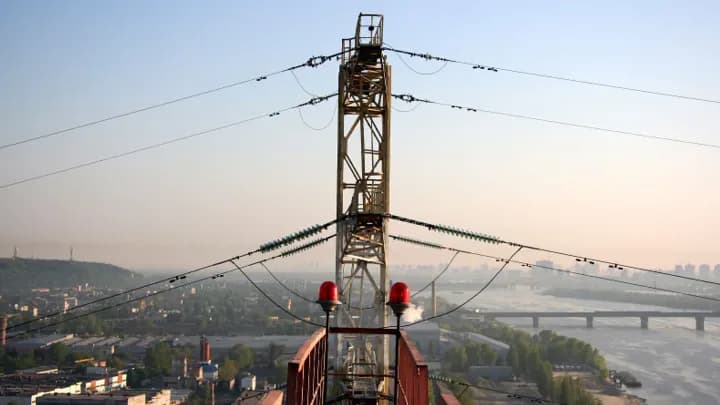
Kyiv: energy damage disrupts water supply
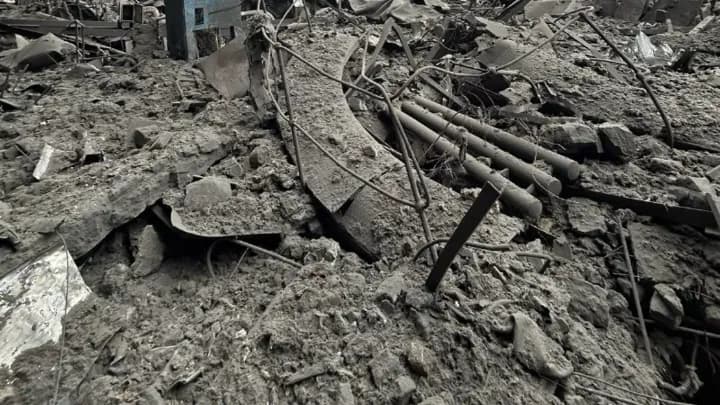
On the evening of November 6, Mayor Vitali Klitschko reported that damage to an energy facility in Zhytomyr had worsened the capital’s power supply and reduced pressure in its water network. Kyivvodokanal was switching stations to generators where possible. This was a report of reduced pressure, not confirmation that water supplies had stopped throughout the city.
The attack’s practical consequences extended beyond one city: damage to an energy node affected a different public utility in the capital. Backup power at individual stations does not amount to restoration of the entire system.
Klitschko also publicly rejected the president’s accusations that Kyiv was unprepared and accused the central government of obstructing the city’s work. That is the mayor’s position, not an established explanation for the disruption. Assessing responsibility requires specific completed and unfinished works, deadlines and spending, rather than accusations traded between levels of government.
Duka case: court sets bail below prosecutors’ request
The High Anti-Corruption Court ordered Serhii Duka held in custody with an alternative of 65 million hryvnias in bail. The Specialized Anti-Corruption Prosecutor’s Office had requested 100 million. The two figures therefore refer to the prosecution’s application and the court’s ruling, not two different final decisions. According to hromadske’s courtroom correspondent, detention was ordered for 60 days. The defence announced plans to appeal, describing the bail as unaffordable.
Duka is a suspect in Operation Carthage. According to the National Anti-Corruption Bureau and anti-corruption prosecutors, members of an alleged criminal organization systematically bribed senior law-enforcement officials to allow fraudulent call centres and other illegal businesses to operate unhindered. A pretrial detention order is not a conviction.
A separate dispute concerns the search. NABU detective-unit head Oleksandr Abakumov alleged that armed SBU personnel obstructed investigators’ access while Duka smashed electronic devices. A defence lawyer disputed whether the broken phones belonged to Duka and suggested that a child might have damaged them. These accounts cannot be merged into a single undisputed narrative. Part of the hearing was closed; journalists were provided a broadcast in another room.
Abu Dhabi: an energy truce remains a goal, not a result
Ahead of the forthcoming meeting, Foreign Minister Andrii Sybiha listed Ukraine’s priorities as security guarantees, de-escalation in the Black Sea, an energy truce, the return of children and prisoner exchanges. Reporting from a press conference in Warsaw, Ukrinform said the minister also insisted on Europe’s participation in the peace process.
US special envoy Steve Witkoff announced the working-level round’s dates — November 10–11 in Abu Dhabi — back on November 2. His statement describes US mediation between Ukraine and Russia and discussions of post-war security, de-escalation and humanitarian measures. It is an announcement, not evidence that a meeting has taken place or a ceasefire has been reached. The next announced stage is negotiations, where an energy truce still needs to be agreed.
Primary sources
Documents and statements this story is based on.